As an Amazon Associate, we earn from qualifying purchases. Some links on this site are affiliate links at no extra cost to you. Our recommendations are based on thorough research and editorial judgment.

Parking Sensors vs Backup Cameras: When Do You Need Both?

you probably need both, especially if you drive a bigger vehicle like a truck or SUV. Your backup camera shows you what’s actually behind you—people, pets, stuff on the ground—while parking sensors beep louder as you get closer to obstacles, catching things cameras sometimes miss. Together, they’re like having a spotter plus a measuring tool. But if you’re on a tight budget, start with the camera and add sensors later. Keep scrolling to figure out which combo actually makes sense for how you drive.
Key Takeaways
- Large vehicles with significant blind spots benefit most from combining both systems for comprehensive safety coverage.
- Cameras excel at identifying people and pets; sensors detect low obstacles cameras miss like curbs.
- Budget-conscious buyers can start with a camera and add sensors later if parallel parking needs arise.
- Towing or hauling requires sensors to detect close, low obstacles that cameras cannot reliably identify.
- Combined systems provide visual confirmation plus auditory distance measurement, functioning as both spotter and measuring tool.
How Backup Cameras and Parking Sensors Work
Ever tried backing up in a tight parking spot and felt like you needed eyes in the back of your head? Well, that’s exactly what these two technologies aim to fix.
Backup cameras give you a live video feed on your dashboard showing what’s actually behind you. They use image processing to turn that raw camera data into a clear picture you can understand instantly. You see everything—people, pets, low objects—because your eyes are way better at spotting danger than listening to beeps.
Now, parking sensors work totally differently. They use sonar technology to measure distance from your bumper to obstacles. When you shift into reverse, they start beeping faster and faster as you get closer. The sensors detect depth perception automatically, alerting you through sound rather than visuals. For premium vehicles like the BMW 5 Series, enhanced visibility features such as LED door logo projectors can complement these safety systems by improving overall awareness during parking maneuvers. Both systems are solid, but they work in completely different ways.
Why Backup Cameras Prevent More Collisions
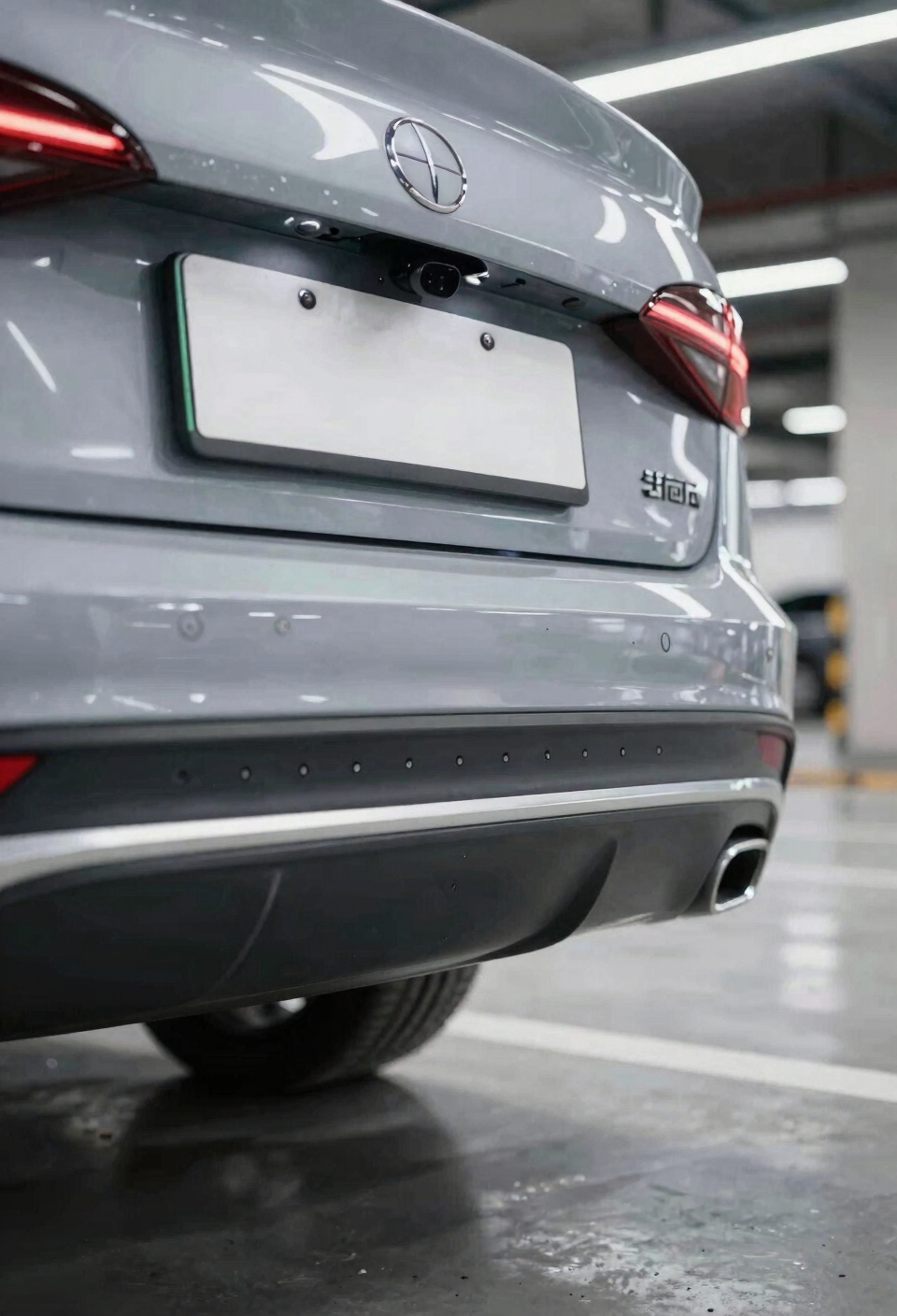
Now here’s where things get interesting—backup cameras aren’t just marginally better than parking sensors, they’re actually way more effective at stopping collisions before they happen. I’m talking about visual dominance here. Your brain processes what you *see* way faster than what you *hear*. When you’re backing up, that camera feed on your dashboard grabs your attention capture instantly because you’re already a visual person—that’s just how your brain works. You notice things on a screen immediately, but beeping sounds? They’re easy to ignore or tune out. Studies show cameras prevent collisions 56% of the time solo, while sensors alone? They’re sitting at way higher crash rates. Obviously, seeing the actual obstacle beats just knowing something’s there. Beyond the dashboard display, interior visibility enhancements like panoramic rearview mirrors further expand your sightline and reduce blind spots during backing maneuvers.
What Parking Sensors Catch That Cameras Can’t
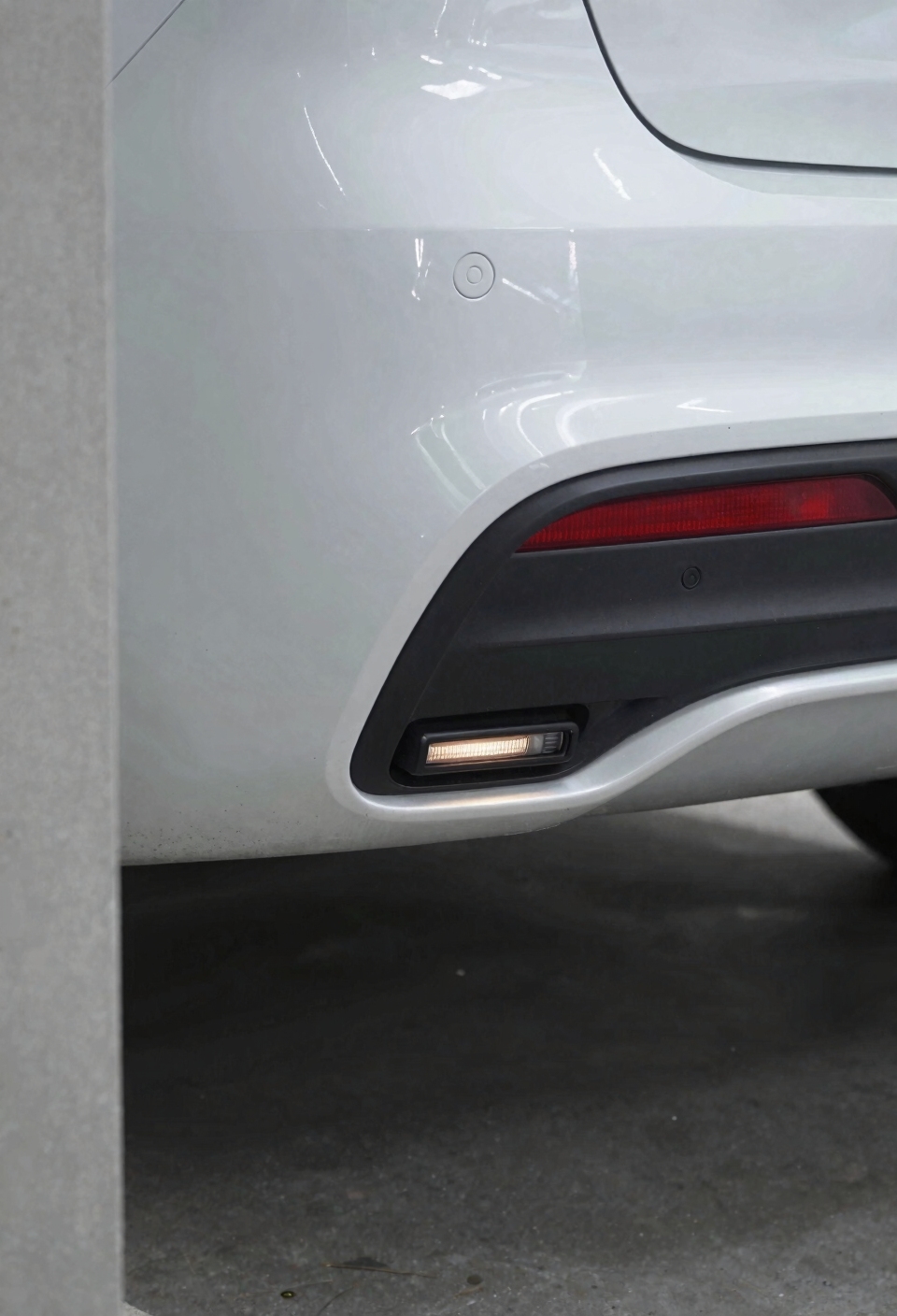
While backup cameras give you that visual advantage, parking sensors are actually picking up on things your camera literally can’t see—and that’s where they shine. I’m talking about low profile obstacles like curbs, parking blocks, or even a skateboard someone left behind. Your camera might miss these entirely because they’re too close to the ground. Here’s the thing: sensors use sonar technology to measure exact distances around your bumpers, and they work regardless of weather conditions. Rain, snow, or total darkness? Doesn’t matter. Your camera’s lens gets dirty or fogged up, suddenly you’re flying blind. But those sensors? They’re still beeping away, keeping you safe. Proper maintenance of your vehicle’s parking system, including regular inspection for loose components and corrosion, ensures your safety features remain reliable over time. That’s the real superpower parking sensors bring to the table.
What Each System Actually Costs
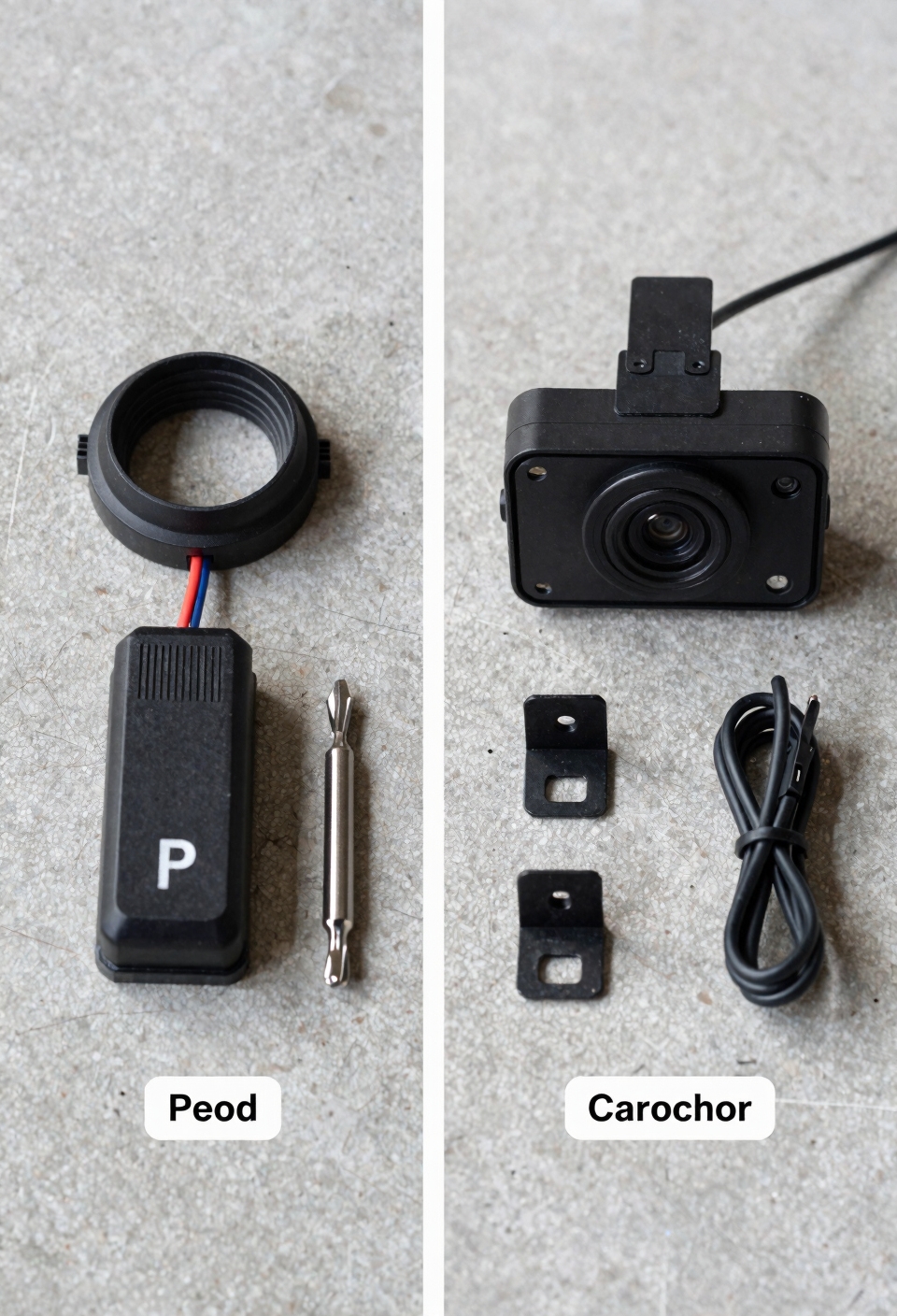
So here’s the reality check: parking sensors and backup cameras aren’t the same price tag, and honestly, your wallet’s gonna notice the difference.
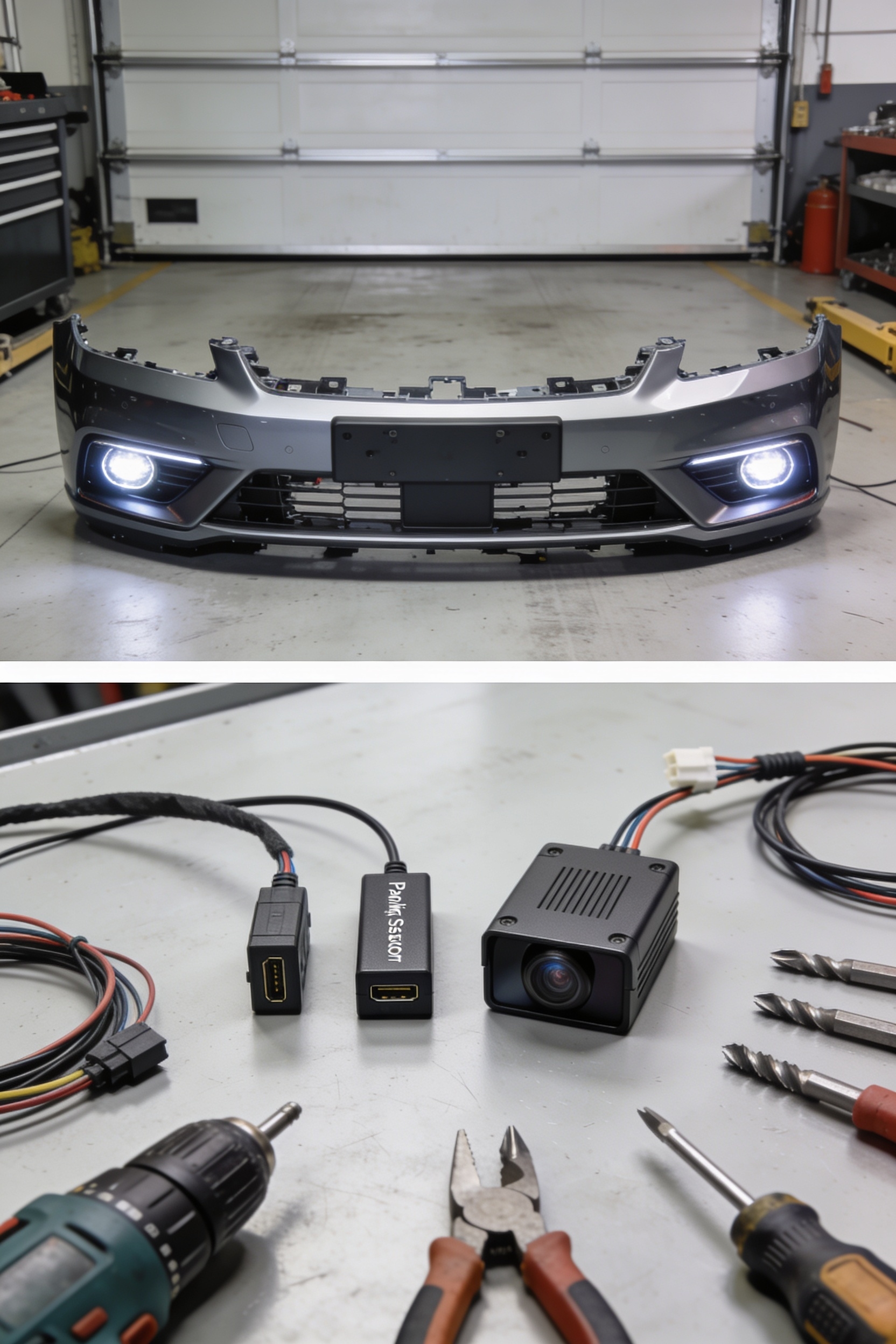
Parking sensors hit your budget lighter upfront—we’re talking a few hundred bucks for basic installation tiers. The drilling and potential repainting add some work, but you’re not dealing with major vehicle modifications. Now, backup cameras cost more initially, but here’s where it gets interesting: long term maintenance matters way more than you’d think.
Cameras need power supply integration and software updates that rack up costs over time. If that lens gets damaged? Repair bills sting. Sensors are simpler to maintain, which means fewer surprise expenses down the road. Similar to car audio systems, the importance of proper power distribution and quality connections can significantly impact long-term reliability and prevent costly repairs. I mean, the cheapest option isn’t always the smartest investment when you factor in everything.
Choose Based on Vehicle Type, Budget, and Habits
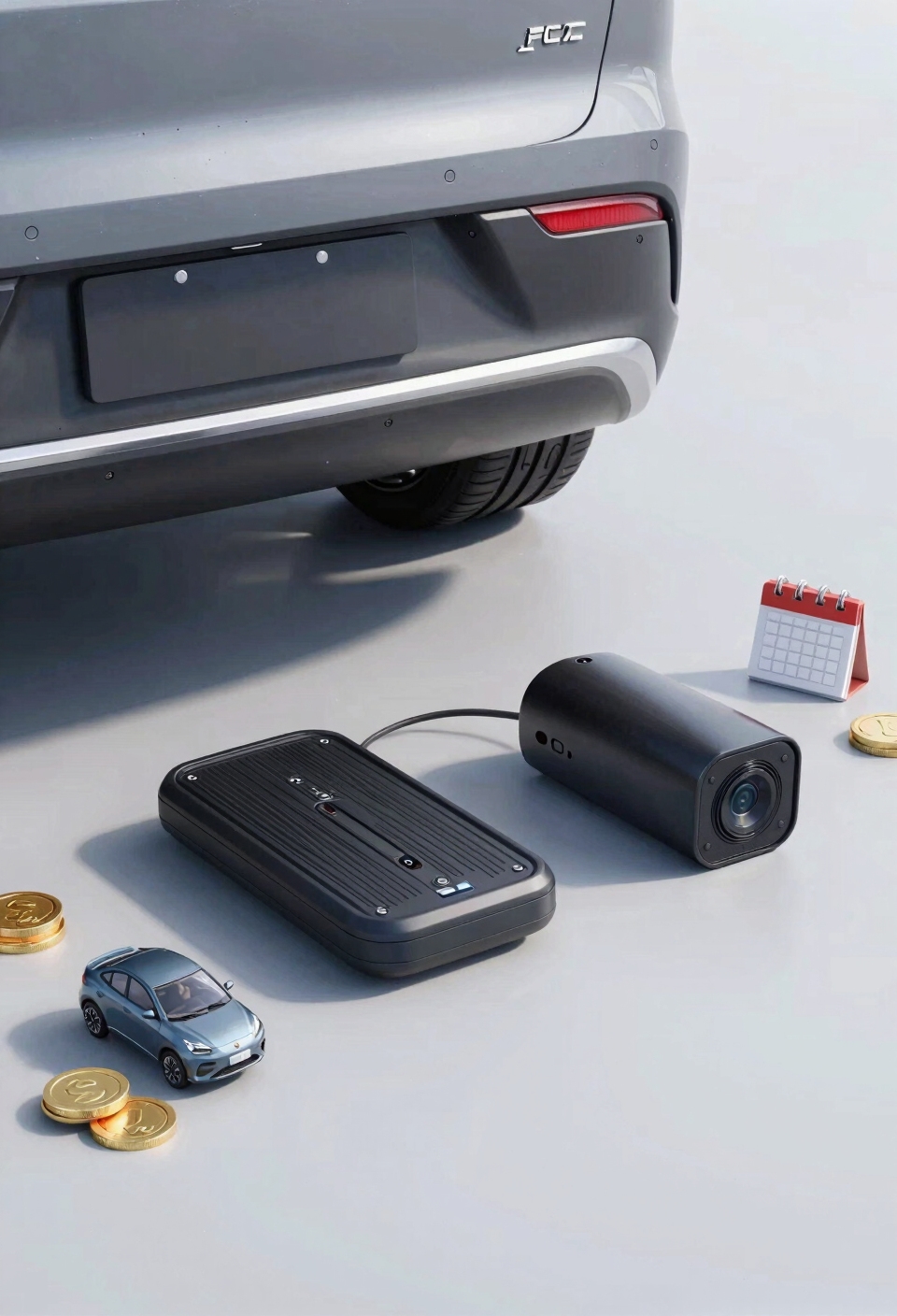
Picking between parking sensors and a backup camera really comes down to three things: what you’re driving, what you can actually spend, and how you actually park.
If you’ve got a massive truck or SUV with huge blind spots, you’re basically blind without help—grab both systems. Smaller cars? You might get away with just a camera since you’ve already got decent visibility. Now, think about your driving habits. Do you park on busy streets constantly, or mostly in open lots? Frequent parallel parking means invest in the combo. Your fuel efficiency won’t suffer either way, but your wallet will if you pick wrong. Budget-conscious? Start with a camera, then add sensors later. For maximum safety, also ensure your trailer or vehicle has proper tie-down straps and wheel chocks for secured parking. The real move is matching the tech to how you actually drive.
The Case for Combining Both Systems
I mean, you get the visual confirmation from your camera showing you that obstacle, plus the sensor beeping to confirm the distance. It’s like having a spotter and a measuring tape at the same time. This combo approach is seriously valuable for driver training too—you’ll learn exactly how your car moves in tight spaces while staying safe.
For bigger vehicles like trucks or vans, combining both systems gives you that all-encompassing coverage you actually need. Similar to how 12V smart charging solutions integrate multiple functions for enhanced vehicle capability, backup camera and sensor combinations work together to create a more comprehensive safety system that addresses the blind spots inherent in larger vehicles.
Making Your Final Decision
When you’re standing in the parking lot trying to decide which system actually fits your life, here’s the thing—there’s no one-size-fits-all answer, and that’s kind of the whole point. Your driver habits matter way more than you might think. If you’re constantly parallel parking in tight spaces, a camera’s visual feedback wins. But if you’re hauling trailers or driving something massive, sensors catch what you can’t see.
Now, consider long term maintenance. Cameras need lens cleaning and potential repairs. Sensors are tougher but can get knocked around. If you’re upgrading your factory radio setup, you might also want to explore camera detection cables that work seamlessly with aftermarket head units. Honestly? Start with what matches how you actually drive, then add the other if your budget allows. Both systems work best when you’re still paying attention anyway.
Frequently Asked Questions
Can Backup Cameras and Parking Sensors Work Together on Older Vehicles?
Yes, I can retrofit both systems on older vehicles through aftermarket integration. You’ll need wiring adapters to connect everything properly, though installation complexity varies depending on your vehicle’s age and existing electrical infrastructure.
Do Insurance Companies Offer Discounts for Vehicles With These Safety Features?
Two heads are better than one—I’ve found that many insurers do offer insurance discounts for vehicles equipped with backup cameras and parking sensors. You’ll want to check your policy because premium reduction opportunities vary by provider.
How Often Do Backup Camera Lenses Need Professional Cleaning or Replacement?
I’d recommend annual inspections to check your lens coatings for dirt buildup or damage. You’ll typically need professional cleaning yearly, though replacement depends on coating deterioration and environmental exposure to harsh conditions.
Are Parking Sensors Affected by Snow, Mud, or Road Salt Buildup?
Yes, I’ve found parking sensors can struggle with snow accumulation blocking their sonar signals and salt corrosion degrading their metal components. You’ll want to regularly clean your bumper sensors to maintain reliable function.
What Happens to These Systems if My Vehicle Battery Dies or Drains?
When your battery dies, I’ll tell you what happens: your backup camera goes completely dark, and your parking sensors stop functioning entirely. You’ll need a system resets after recharging—battery failure disables both technologies until power’s restored.
Conclusion
Look, here’s the thing: you don’t necessarily need both, but they’re like peanut butter and jelly—each one’s solid alone, but together they’ve got your back covered. Your choice depends on your budget, your car type, and honestly, how often you’re parking in tight spots. If you can swing it? Go for both. If not, pick the one that matches *your* driving habits. Either way, you’re making smarter, safer choices behind the wheel.