As an Amazon Associate, we earn from qualifying purchases. Some links on this site are affiliate links at no extra cost to you. Our recommendations are based on thorough research and editorial judgment.

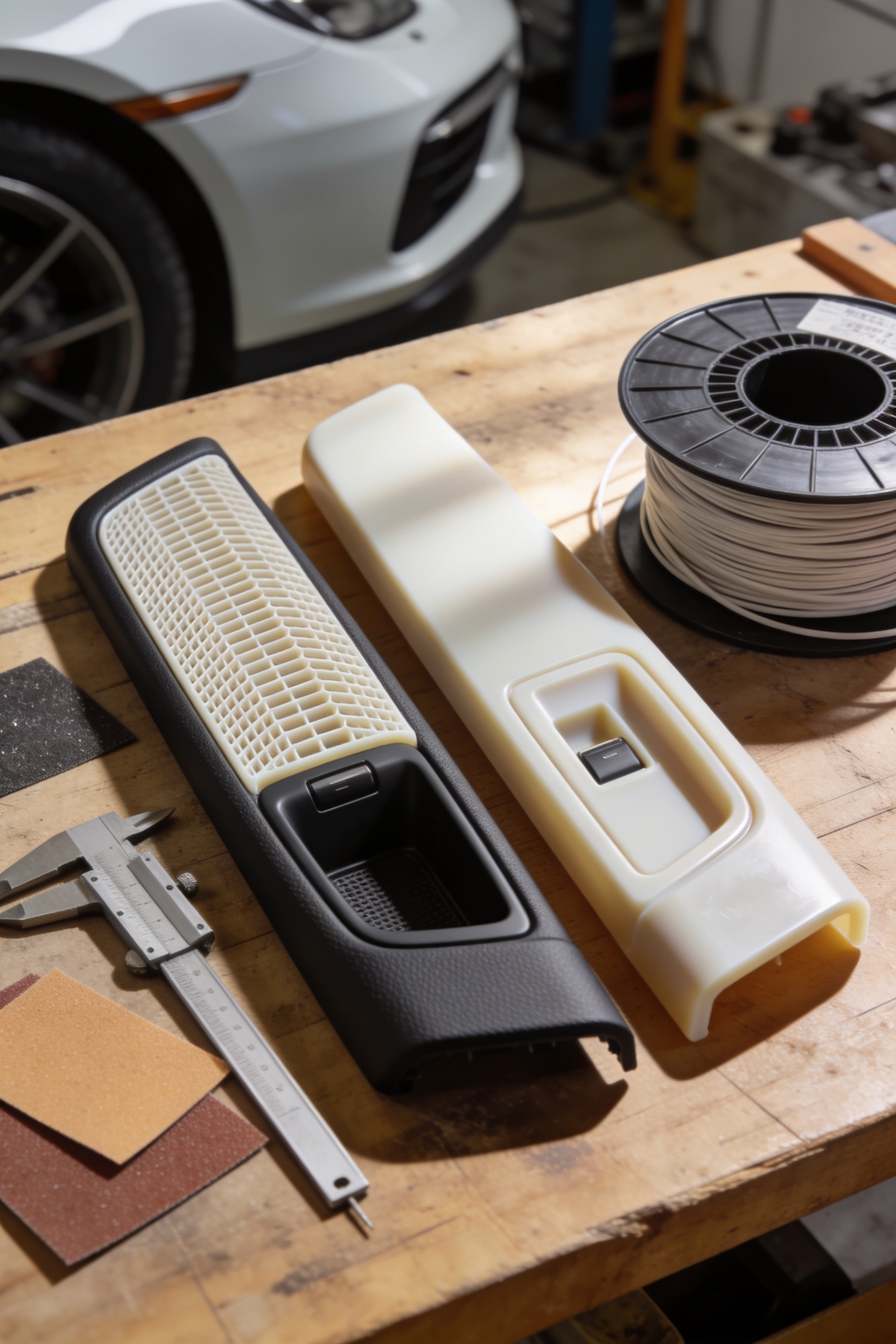
FDM vs Resin 3D Printing for Car Interior Trim: Which Holds Up?

FDM wins for durability in your car. Materials like ASA and ABS handle extreme heat and impact way better than resin, so your custom trim won’t warp or crack from sun exposure or repeated handling. Yeah, resin looks shinier out of the box, but it gets brittle fast. FDM parts flex and absorb shock instead of snapping. Plus, FDM costs less and prints bigger without breaking into pieces. Stick with FDM if you want trim that actually survives your daily commute, though there’s definitely more to ponder about fit and finish.
Key Takeaways
- ASA and ABS filaments withstand 150+ degree cabin temperatures better than standard resins without softening or warping.
- ABS and nylon absorb repeated impact and flex rather than snap, making FDM superior for high-use components like handles.
- Resin delivers smooth, detail-rich surfaces matching showroom quality, while FDM requires extensive sanding to eliminate visible layer lines.
- FDM suits larger dashboard panels cost-effectively without segmentation, while resin demands hazardous chemical handling and UV curing equipment.
- Resin achieves superior dimensional accuracy for perfect trim fitment, whereas FDM’s thermal distortion risks misaligned clips and openings.
Why ASA and ABS Outperform Resin for Heat Resistance
your car’s dashboard can get *hot*. I mean, we’re talking 150+ degrees on a sunny day. That’s where ASA and ABS really shine compared to resin.
See, both ASA and ABS have excellent thermal stability—they won’t soften or warp when your car bakes in the sun. They’ve got a high glass changeover temperature, which is just the point where plastic starts getting floppy. Resin? Most standard formulas can’t handle that heat.
Plus, ASA adds UV resistance, keeping your trim from fading or degrading. And both handle solvent resistance better than resin, so they won’t break down from cabin cleaners or spills. That’s durability you can count on. In fact, UV-resistant clear coats are recommended for all automotive accessories to maintain appearance and prevent sun-related damage over time.
How Impact Toughness Protects Against Cabin Wear
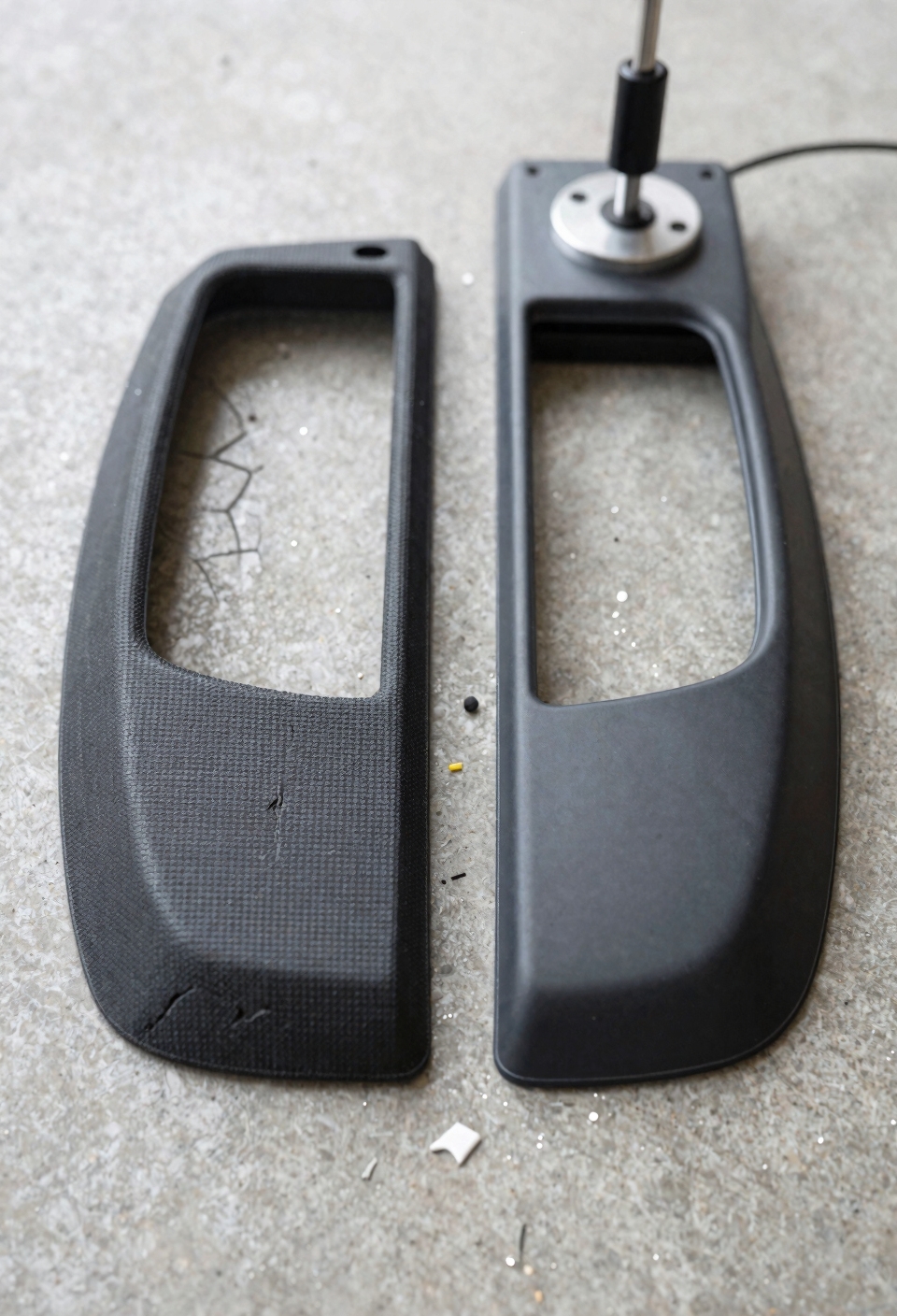
Durability under stress—that’s what separates a trim piece that lasts from one that cracks the first time you slam your door a little too hard. Here’s the thing: your car’s interior takes a beating. You’re grabbing handles, pressing buttons, adjusting vents. FDM materials like ABS and nylon give you serious impact resistance that resin just can’t match. I mean, these filaments actually flex and absorb shock instead of snapping under pressure. That fatigue tolerance matters because your trim isn’t getting hit once—it’s getting handled thousands of times over years. Resin looks pretty, but it tends toward brittleness. You need a material that bounces back. That’s why FDM engineering filaments are your real protection against cabin wear. Beyond 3D printing, OEM interior protection accessories like BMW all-weather floor mats demonstrate how premium materials and precise fitment preserve cabin durability against daily wear and environmental stress.
When Surface Finish Quality Justifies Resin’s Trade-Offs
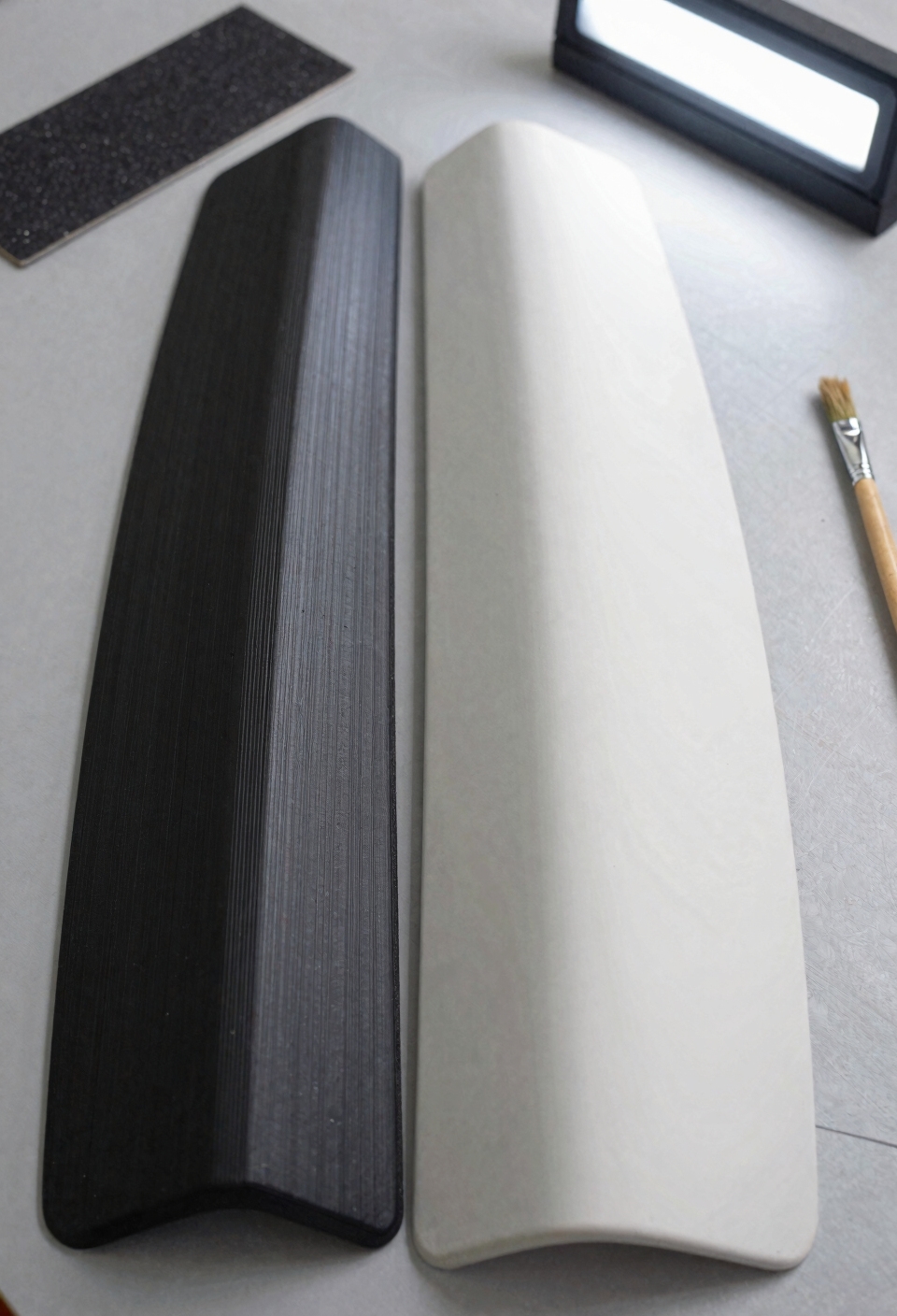
All right, now here’s where things get interesting: if you’re printing something that people are actually going to *see* and touch every day—like a dashboard bezel, a custom knob, or a badge on your steering wheel—surface finish isn’t just cosmetic fluff, it’s the whole point. Resin gives you that high detail cosmetics right out of the printer. No visible layer lines, just smooth, polished-looking surfaces that scream quality. That visible seamlessness benefits your whole interior vibe. FDM can look grainy and rough unless you sand it down for hours. Yeah, resin needs post-curing and careful handling, but when you’re after that showroom-quality look, the extra work pays off. Sometimes how something *feels* in your hand matters just as much as how strong it is. For BMW interiors specifically, custom-fit phone mounts and other precision accessories demonstrate how surface quality directly impacts the luxury aesthetic that owners expect from their vehicles.
FDM Scales Better: Size, Cost, and Workflow Advantages
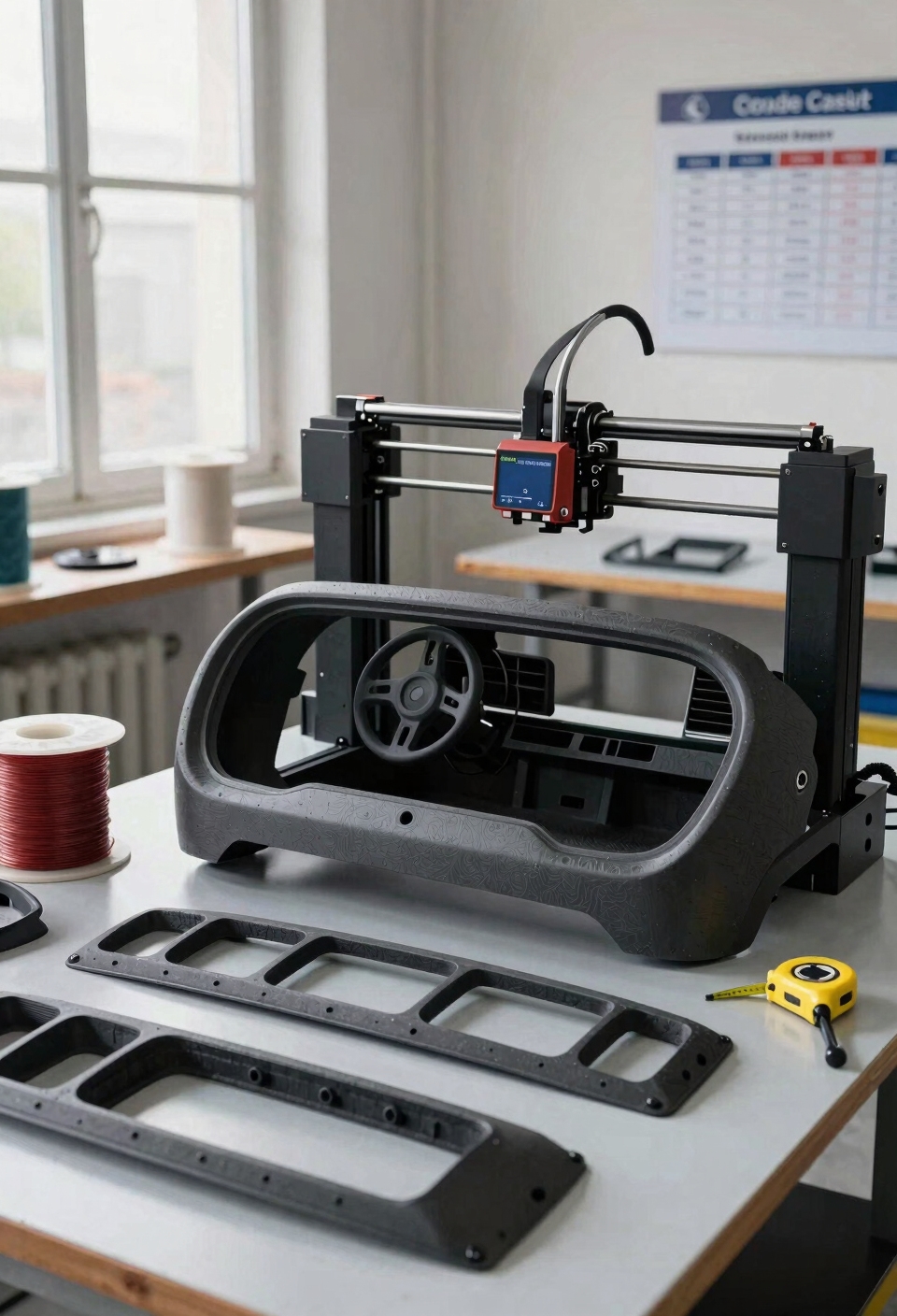
Now here’s the thing about FDM that resin just can’t match: when you need to print something *big*, FDM is your friend. You’re talking larger builds that fit actual dashboard panels and center console covers without needing to break them into pieces. Material economy matters too—FDM filament costs way less per print than resin, so you’re not dropping serious cash on every prototype. Workflow efficiency is huge because you load the printer and walk away. No messy liquid chemicals, no washing station, no stress about curing under UV light. Easier postprocessing means less babying your finished part. Sure, you might sand it or paint it, but you’re not juggling hazardous materials. For big, functional interior trim, FDM just makes practical sense. When selecting finished parts for your vehicle, verify that microfiber materials and ergonomic designs suit your specific car model and intended use.
Why Dimensional Accuracy Makes or Breaks Part Fit
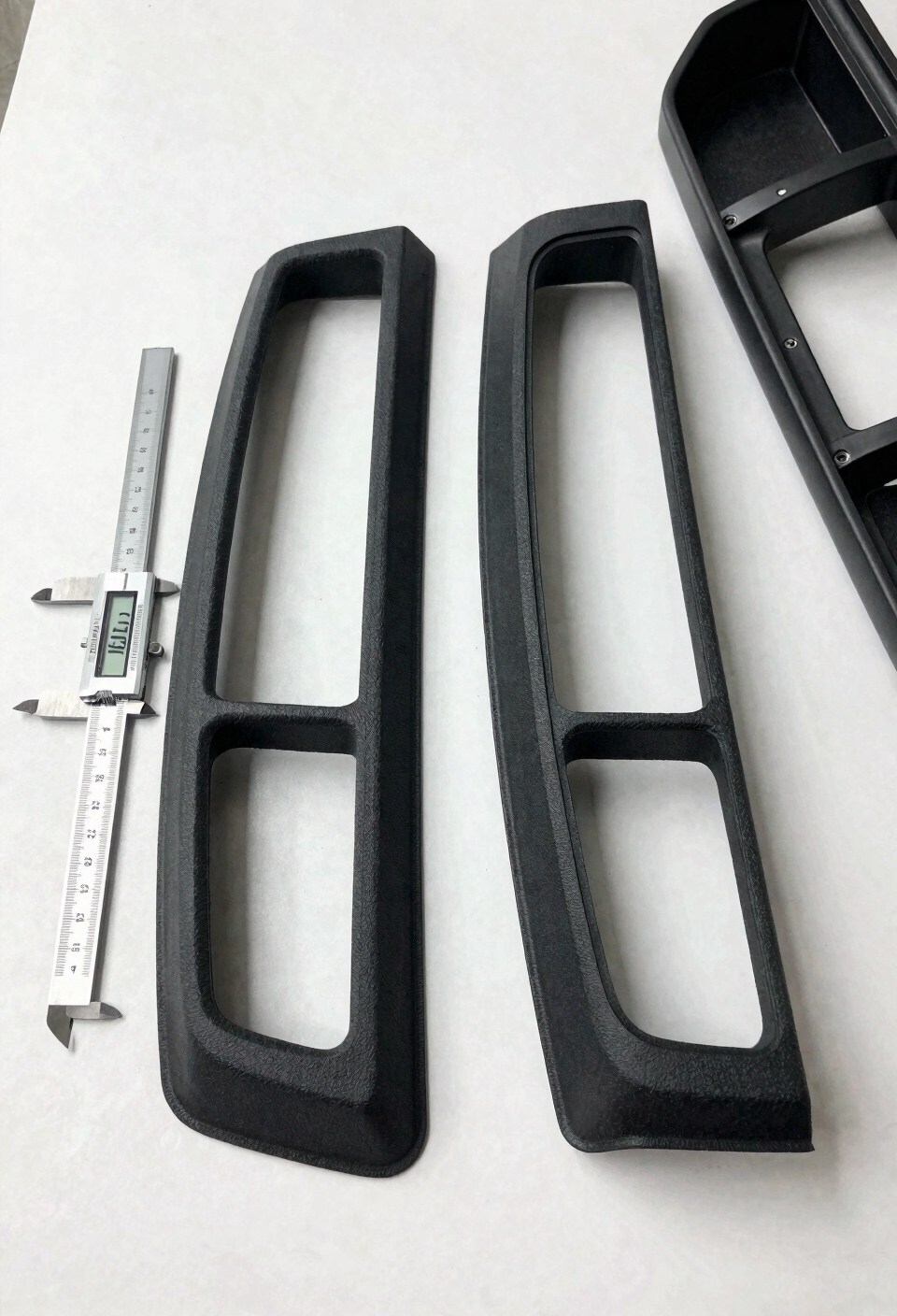
FDM’s trickier. Parts can shrink unevenly as they cool—we call that thermal distortion. Stack multiple small measurement errors together (that’s tolerance stacking), and suddenly your clips don’t align with the dashboard openings. I’m sure you’ve noticed how annoying misaligned trim looks.
The fix? Resin wins for intricate parts demanding perfect fit. For larger FDM pieces, you’ll need careful tuning and maybe some test fitting. Either way, accuracy matters more than you’d think. Just as protective covers shield sensitive car audio components from dust and accidental contact, proper dimensional tolerance prevents trim misalignment that compromises both aesthetics and functionality.
Frequently Asked Questions
Can I Paint or Coat a Resin-Printed Trim Part to Improve Heat Resistance?
You can apply a clear coat or thermal barrier paint, but I won’t lie—it’ll only marginally improve heat resistance. The resin itself remains the weak link, so coatings alone won’t solve cabin temperature challenges.
How Does Layer Orientation in FDM Affect the Strength of Clip Features and Mounting Points?
I’ll guide you through this: layer orientation in FDM creates strength anisotropy—think of it as wood grain. Orient layers parallel to clip stress, not perpendicular, so they won’t snap under tension and repeated engagement cycles.
What Post-Processing Steps Are Absolutely Required for Resin Trim Parts to Function Reliably?
I’d say you’ve got to remove support structures carefully, then wash thoroughly and post-cure fully. Moisture curing completes the resin’s mechanical properties—skip it and you’ll get brittle, unreliable trim parts that’ll fail under cabin stress.
Are There Hybrid Approaches Combining FDM and Resin for Optimal Trim Performance?
Like a sandwich with the perfect crust and filling, I’d layer an FDM shell over a resin core using hybrid adhesives at co-printed seams. You’ll get durability, heat resistance, and fine detail in one optimized part.
How Do Material Costs Compare Between ASA, ABS, and Engineering Resins for Production Runs?
I’ll tell you straight: ASA vs ABS, ABS costs less per kilogram, but ASA’s superior heat resistance often justifies the premium for automotive trim. Engineering resins carry higher upfront costs, making FDM materials more economical for production runs.
Conclusion
Look, here’s the real deal: you’re picking between two technologies, and honestly, FDM wins for most car interior trim. Studies show FDM parts handle heat up to 80°C better than resin alternatives—that matters when your dashboard’s baking in summer sun. Yeah, resin looks prettier sometimes, but I’m telling you, durability beats aesthetics when you’re talking about your car’s interior. FDM’s your move.