As an Amazon Associate, we earn from qualifying purchases. Some links on this site are affiliate links at no extra cost to you. Our recommendations are based on thorough research and editorial judgment.

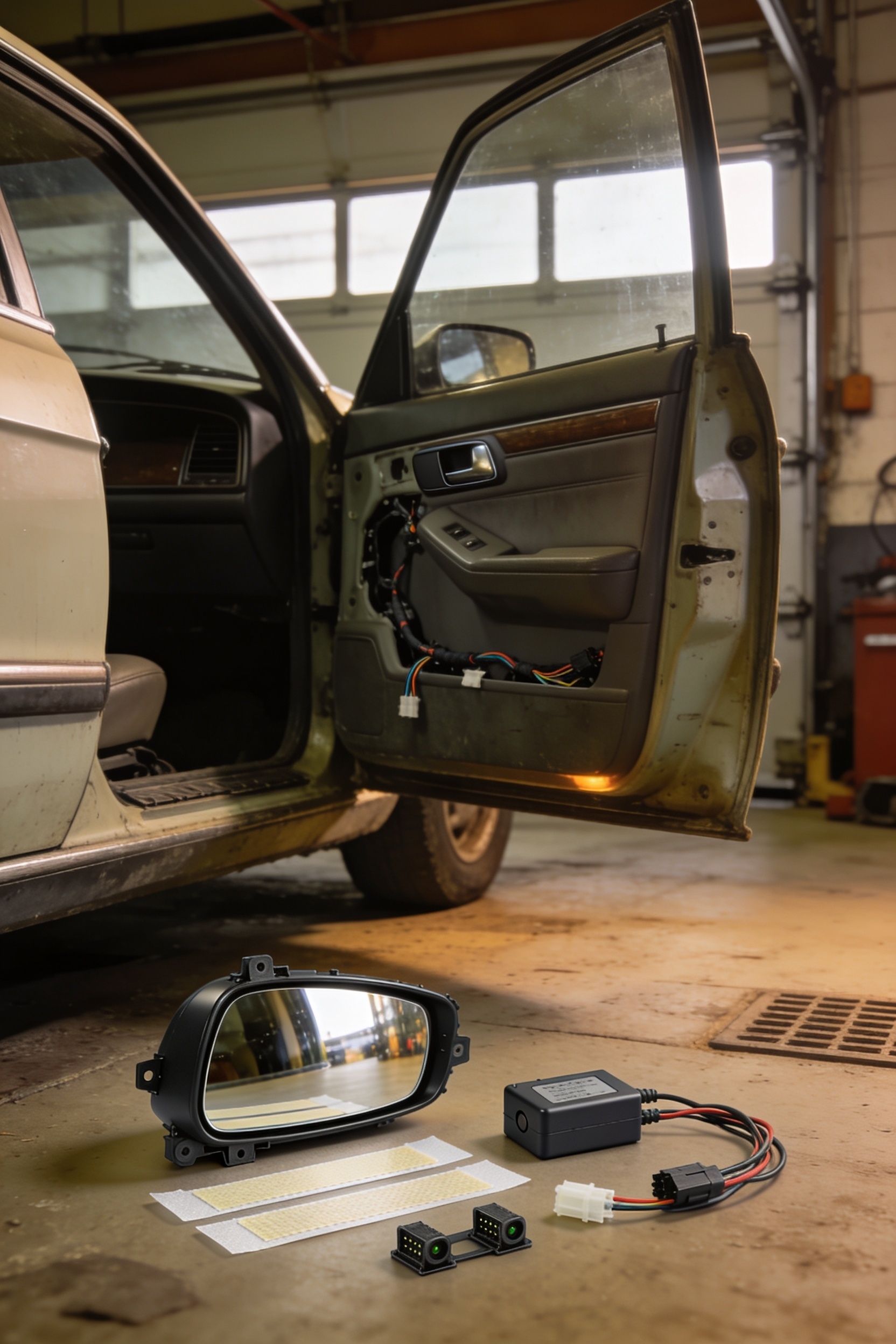
How Blind Spot Warning Accessories Work on Older Cars

You’ve probably noticed your older car has those awkward blind spots where vehicles just vanish. Blind spot warning systems fix that by using radar or cameras to detect cars hiding beside you, then alerting you through mirror lights, steering wheel vibrations, or beeps when you signal. It’s basically giving your car superpowers it never had, and honestly, it’s one of the smartest upgrades you can make. Stick around to discover which sensor type actually works best for your ride.
Key Takeaways
- Radar, camera, and ultrasonic sensors detect vehicles in blind spots by emitting waves, capturing images, or using echolocation.
- Visual alerts light mirror indicators; haptic feedback vibrates the steering wheel; audible beeps sound when turn signals activate.
- Sensors mount at approximately 20-degree angles parallel to wheels, requiring rear bumper removal for proper installation access.
- Aftermarket kits compensate for older vehicle design limitations and mirror constraints that create dangerous detection blind zones.
- Verify vehicle year, make, and model compatibility before purchase to ensure proper sensor placement and bumper fit.
Why Older Cars Need Blind Spot Systems
Ever noticed how your parents or grandparents sometimes hesitate before changing lanes, like they’re checking their mirrors three times over? Yeah, that’s because older cars have a real problem: massive blind spots. Your vehicle’s design creates these dead zones where you literally can’t see other cars, even with good driver visibility and aging mirrors. It’s not their fault—it’s just how cars were built back then.
Here’s the thing: road awareness gets harder when you’re working with limited mirror angles. That’s where blind spot warning accessories come in. Modern cars have these systems built-in, but retrofitting older vehicles means tackling some retrofit challenges. Installing aftermarket sensors gives you that extra set of electronic eyes, making lane changes way safer. Just like protective covers shield sensitive automotive electronics from dust and accidental contact, blind spot sensors need proper installation and protection to function reliably. You’re basically giving your car a tech upgrade it desperately needs.
How Different Sensors Detect Vehicles
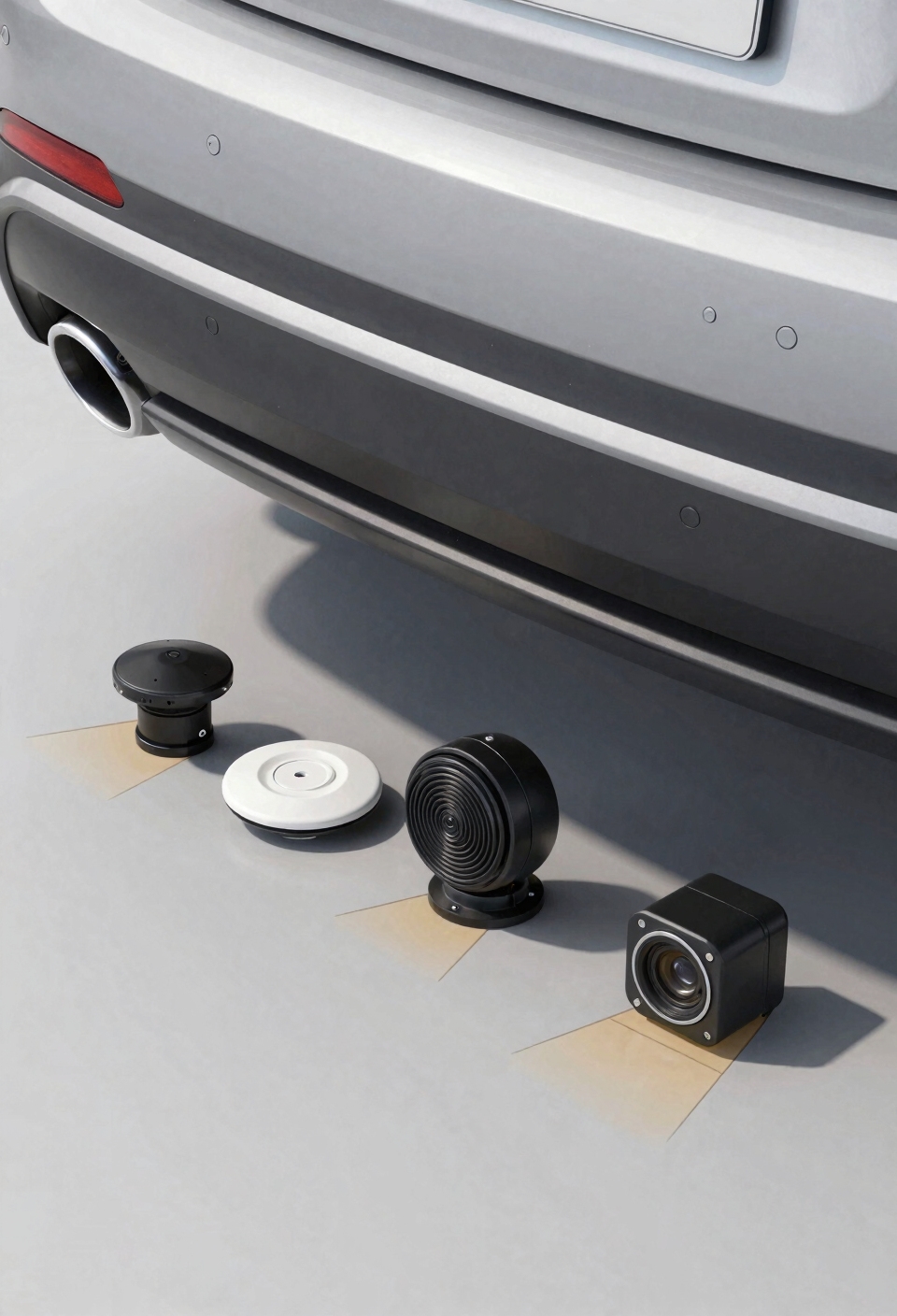
Think of blind spot sensors like your car’s personal radar operator—except instead of tracking planes, they’re watching for other vehicles creeping into those dangerous zones you can’t see. I’m sure you’ve thought about how that actually works.
Aftermarket kits typically use three main sensor types. Radar sends out invisible waves that bounce off vehicles, helping detect what’s hiding beside you. Now, radar limitations mean they sometimes struggle with smaller objects like motorcycles. Cameras mounted on your side mirrors work differently—they snap images and send data to your car’s computer. However, camera latency means there’s a tiny delay between what’s actually happening and what you see. Ultrasonic sensors use sound waves, kind of like echolocation. Each method has strengths, which is why the best systems often combine multiple sensor types for maximum reliability and accuracy. Many drivers also pair these safety systems with carbon fiber mirror caps to enhance their vehicle’s exterior while improving visibility.
Installing a Blind Spot Kit: Step-by-Step
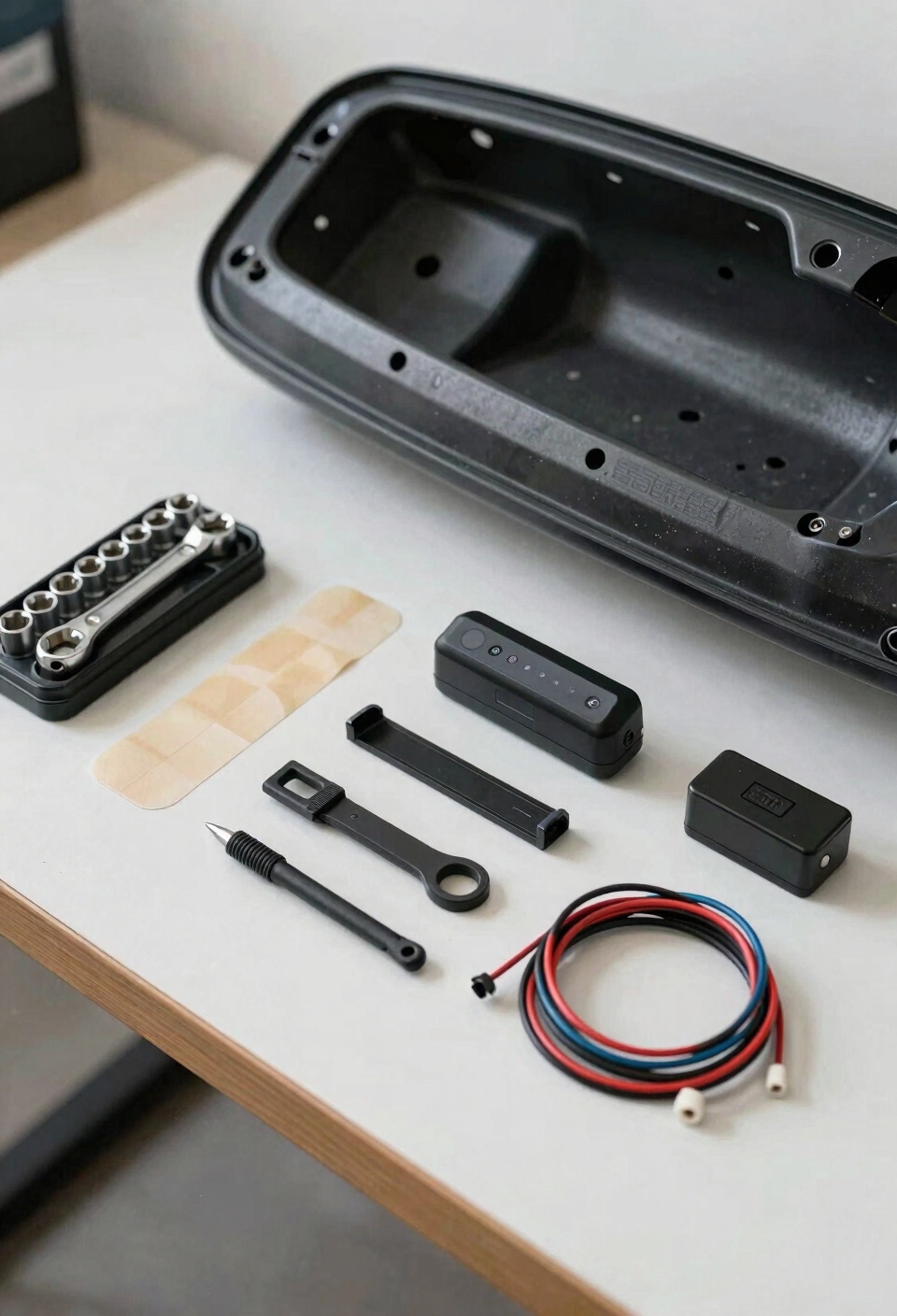
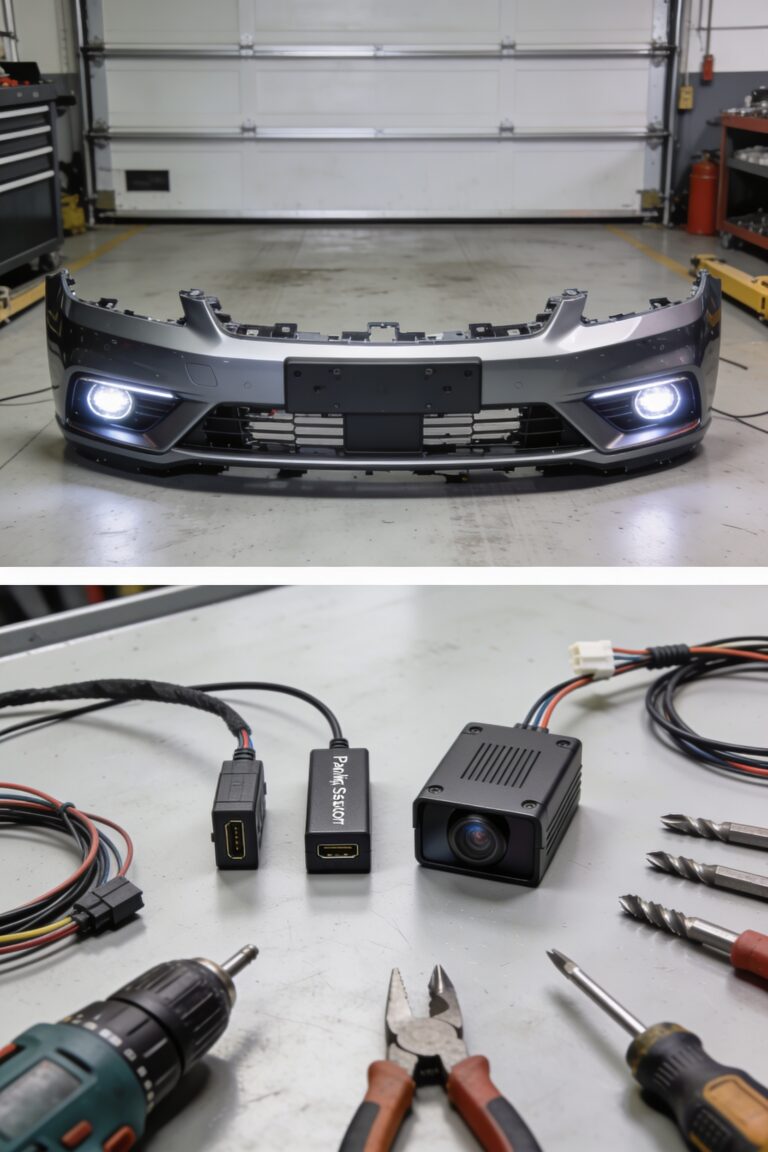
Now that you know how different sensors actually catch those sneaky vehicles hiding in your blind spots, it’s time to get your hands dirty and install one yourself. First, you’ll need to remove your rear bumper—yeah, it’s a bigger job than it sounds, but totally doable. Next comes sensor alignment, which is where precision matters. You’re mounting those sensors at roughly a 20-degree angle using a calibration cloth and measuring tape to keep everything parallel with your wheels. Once you’ve got the positioning locked in, apply adhesive and let it cure completely before reconnecting anything. Finally, route your LED indicator wires into the cabin and mount them somewhere you’ll actually notice them. For optimal results, ensure your mounting hardware is corrosion-resistant to withstand environmental exposure and maintain secure attachment over time. Patience here pays off with a system that actually works.
Blind Spot Alerts: Visual, Audible, and Tactile Warnings
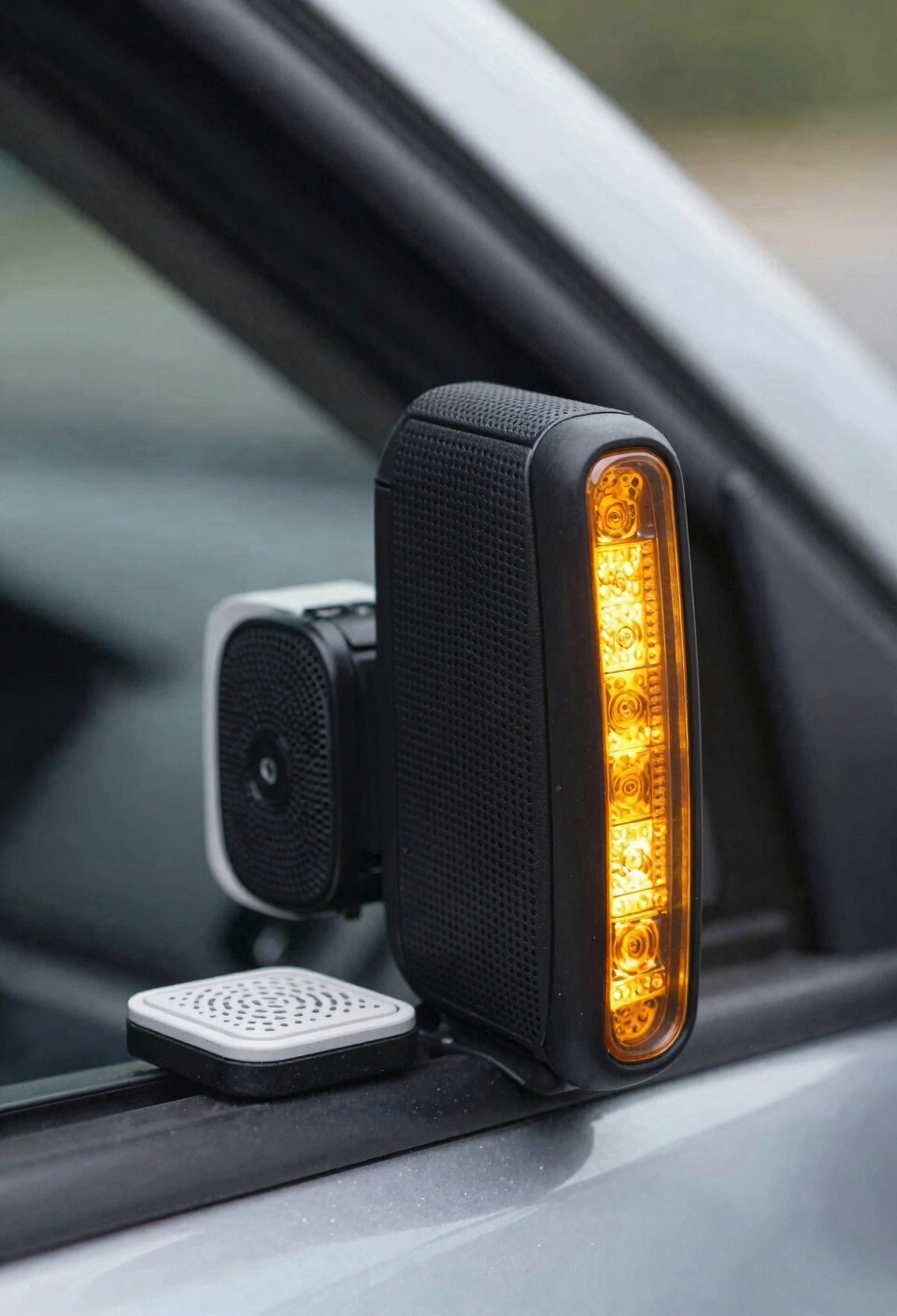
You’ve got your sensors installed and calibrated, but here’s the thing—they’re useless if you don’t actually know when they’re detecting something. That’s where alerts come in, and honestly, they’re pretty clever.
Most systems give you visual warnings through mirror indicators that light up when a vehicle enters your blind spot. Some use haptic steering—basically vibrations in your steering wheel that let you feel the warning. When you flip your turn signal, you might also hear an audible beep reminding you something’s there. For older vehicles, ensuring proper signal transmission and interference protection through quality wiring connections helps these alert systems communicate reliably with your vehicle’s electrical infrastructure.
I mean, it’s like your car’s got your back literally. The alerts stay active until that vehicle moves ahead or becomes visible in your mirrors. Pretty solid safety feature for older rides.
Pick the Best Kit for Your Car
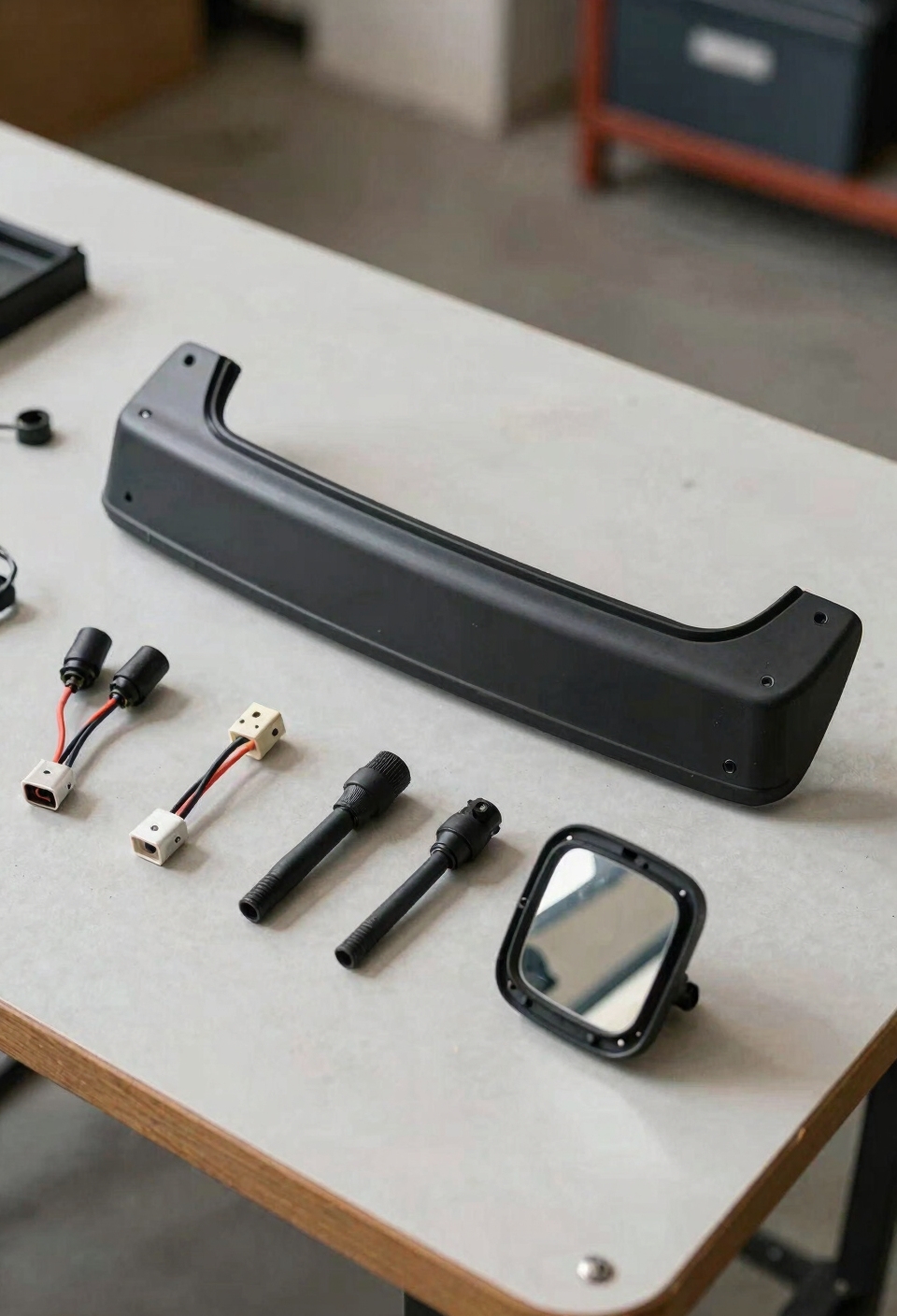
Because there’s literally no point installing a blind spot system that doesn’t actually work with your specific car, picking the right kit matters more than you’d think. I mean, you’ve probably seen those aftermarket compatibility charts that make your eyes glaze over, right?
Here’s the thing: not every kit fits every vehicle. Some systems need specific bumper designs or sensor placements. That’s where mounting aesthetics come in—you don’t want some clunky contraption ruining your car’s look. Just like with other automotive accessories, material quality and durability should be a primary selection factor when evaluating blind spot warning systems.
Before buying anything, check your car’s year, make, and model against the kit’s requirements. Look for systems with flexible mounting options and decent reviews from people with cars like yours. Honestly, spending an extra fifteen minutes researching beats installing something that doesn’t work. Trust me on this one.
Frequently Asked Questions
How Long Does Aftermarket Blind Spot System Installation Typically Take on Older Vehicles?
I’d estimate you’re looking at 2-4 hours for a complete aftermarket blind spot system installation on older vehicles. The actual timeframe depends on your shop’s availability and whether they’re removing your rear bumper for sensor placement.
Can Blind Spot Monitoring Systems Detect Pedestrians or Only Vehicles?
I’ll inform you that most monitoring systems mainly detect vehicles, not pedestrians. These sensor limitations leave pedestrian detection deficient. You’d need advanced systems with additional technology for proper pedestrian detection capabilities.
What Is the Typical Cost Range for Quality Aftermarket Blind Spot Kits?
I’d say you’re looking at $300 to $800 for quality aftermarket blind spot kits, depending on installation tiers. Basic radar systems cost less, while advanced camera-based options with professional installation run higher.
Do Blind Spot Systems Work in All Weather Conditions and Lighting Situations?
Like a lighthouse in fog, blind spot systems struggle in harsh weather. I’d say they’re reliable in most conditions, but heavy rain, snow, and poor lighting can create visibility limits requiring recalibration for peak sensor calibration performance.
How Often Do Blind Spot Sensor Batteries Need Replacement in Aftermarket Kits?
I’d recommend checking your kit’s manual since battery lifespan varies by system. Most aftermarket blind spot kits use rechargeable batteries requiring replacement every 3-5 years, depending on power maintenance and your specific battery type.
Conclusion
Look, I’m not going to pretend older cars have magic powers—they don’t. But here’s the thing: adding a blind spot system doesn’t require magic either. You get the protection of newer cars without the new car price tag. It’s simple to install, easy to use, and honestly? It might save your life. So whether you choose sensors, cameras, or mirrors, you’re making your ride smarter and yourself safer. That’s worth it.