As an Amazon Associate, we earn from qualifying purchases. Some links on this site are affiliate links at no extra cost to you. Our recommendations are based on thorough research and editorial judgment.

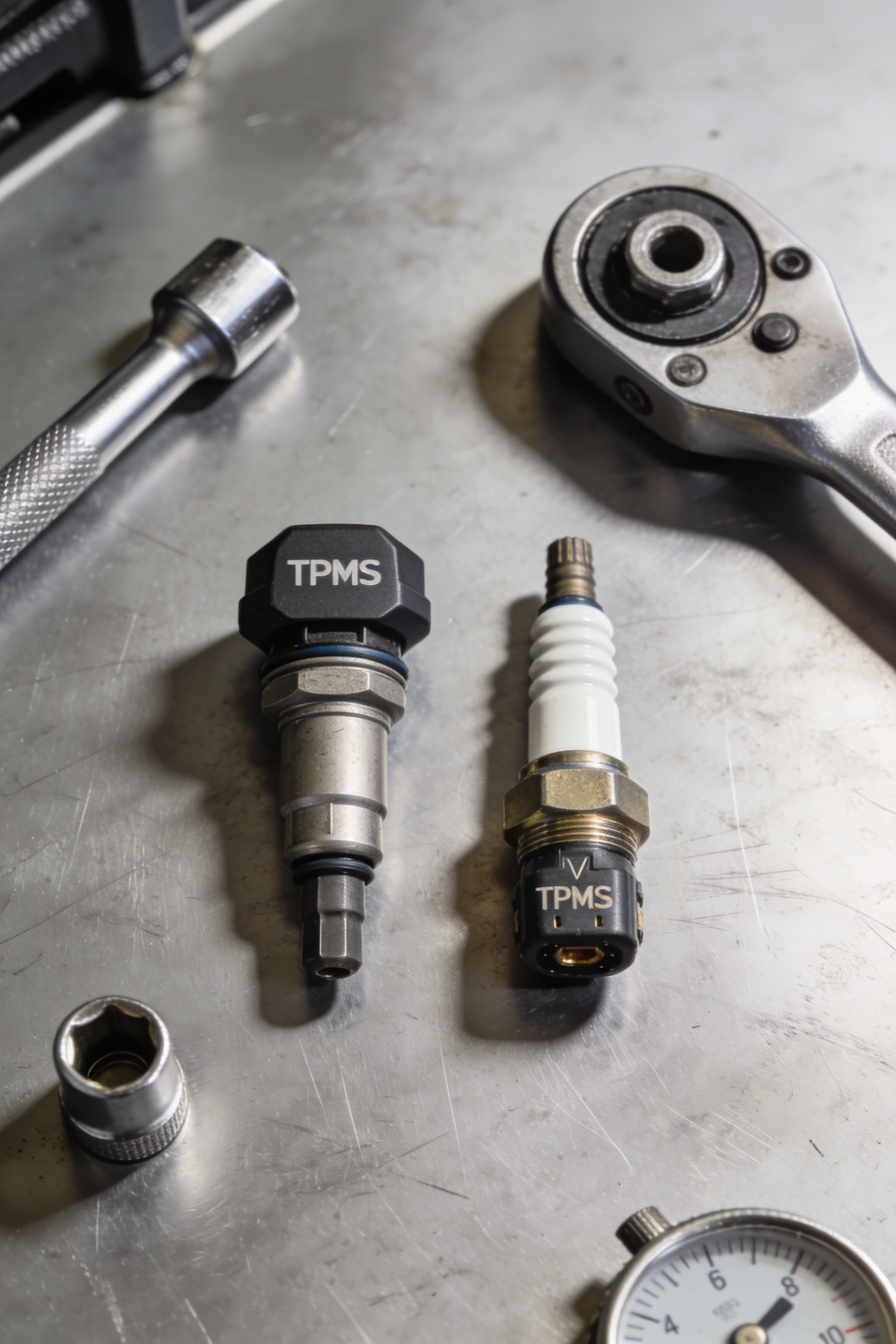
Cap-Style vs Valve Stem TPMS: Torque Specs and Common Mistakes

Look, here’s the thing—”cap-style” TPMS is marketing confusion that trips up everyone. Your valve stem sensor needs exact torque (usually 35-80 inch-pounds depending on your car), and guessing gets you slow leaks or total failure. Too tight? You’ll damage the seal. Too loose? Same problem. Metal stems last longer than rubber, and five mistakes keep happening: skipping the manual, reusing old seals, skipping cleaning, retightening instead of replacing, and ignoring the torque wrench. Stick to your vehicle manual’s spec and you’re golden—mess it up and you’ve got a sensor ticking toward disaster.
Key Takeaways
- Torque specifications for valve stem nuts typically range from 35 to 80 inch-pounds; consult your vehicle manual for exact torque requirements.
- Over-torquing causes sensor delamination and accelerates mounting fatigue from wheel vibration, leading to complete sensor failure or detachment.
- Common mistakes include guessing torque specs, reusing old seals, failing to clean valve holes, and re-tightening instead of replacing grommets.
- Use preset torque wrenches calibrated to exact specifications rather than manual guessing to ensure proper sensor installation and longevity.
- Terminology confusion between “cap-style” sensors and valve stem designs creates compatibility issues; verify your vehicle manual instead of relying on product labels.
Why Torque Specs Matter for TPMS Reliability
You’ve probably never thought much about how tight a bolt should be—and I get it, that sounds boring. But here’s the thing: that tiny TPMS valve stem nut? It’s actually super important for keeping your tires safe and your sensors working right.
When you tighten it correctly, you’re protecting the seal from material fatigue caused by constant vibration and pressure changes. Get it too loose, and air leaks out slowly. Crank it too hard, and you damage the grommet seal that’s supposed to keep everything watertight. The right torque spec—usually somewhere between 35 and 80 inch-pounds depending on your car—gives you seal longevity and reliability. Similarly, protective covers on electrical connections prevent dust infiltration and accidental contact that can compromise sensor function.
I mean, that’s literally the difference between a tire sensor that lasts years and one that fails after a few months.
Standard Torque Ranges for Valve Stem Nuts
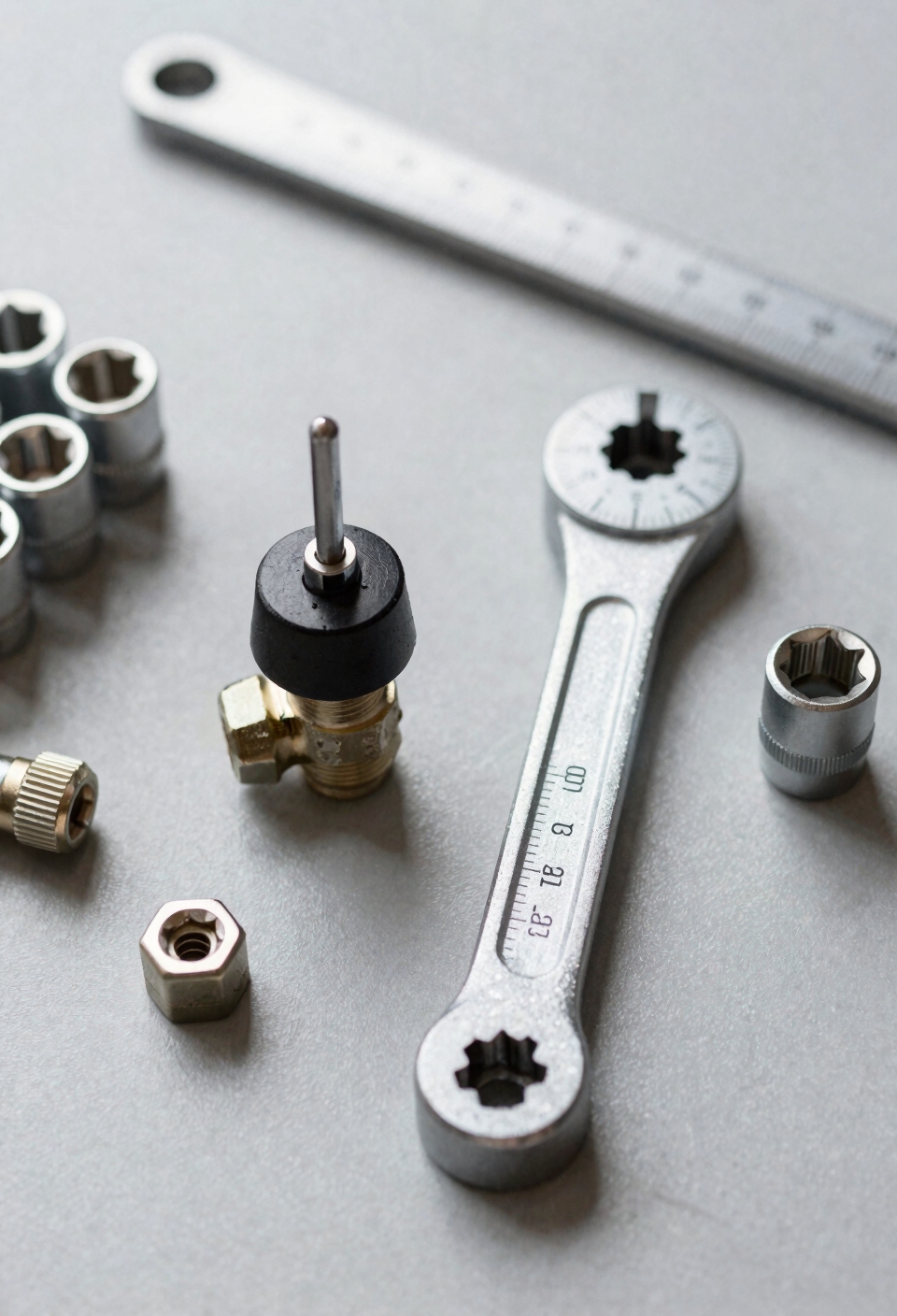
Most TPMS valve stem nuts fall somewhere in the 35 to 80 inch-pounds range, but—and this is the tricky part—that’s not a one-size-fits-all number. Your specific vehicle might need 44, 62, or 71 inch-pounds. I know that sounds oddly precise, but it matters way more than you’d think.
Here’s why: tighten too loose and you’ll get leaks. Tighten too hard and you’ll actually damage the sensor itself. The acceptable variance between “just right” and “oops, I broke it” is honestly pretty tight. That’s why calibration checks with a proper torque tool aren’t optional—they’re your insurance policy. Like selecting the right wiring harness for aftermarket head units, choosing the correct torque specification ensures compatibility and prevents costly installation errors. Grab your vehicle’s manual or service kit docs, use the right torque wrench, and you’ll keep those sensors working like they’re supposed to.
Recommended Products
RockTrix Wheels compatible with Jeep 2007-2024 Wrangler JK JL and 2019-2024 Gladiator JT. NOTE: Wheels will extend past fenders.
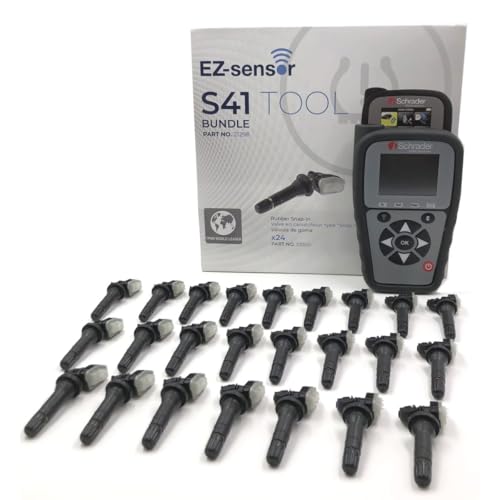
TPMS SENSORS WITH 24 SNAPIN SENSOR ATEQ VT41 TPMS TOOL

Includes 1/4 Inch Drive Dual-Direction Micrometer Torque Wrench (20-200 in-lb); 3/8 Inch Drive Dual-Direction Micrometer Torque Wrench (10-100 ft-lb); 1/2 Inch Drive Dual-Direction Micrometer Torque Wrench (40-200 ft-lb); 3-pc. torque wrench cases; 1/4 in. x 1/4 in. magnetic hex bit holder socket; 1/4 in. (F) X 3/8 in. (M) adapter; 3/8 in. (F) x 1/4 in. (M) reducer; 1/2 in. (F) x 3/8 in. (M) reducer; 3-pc. certificates of calibration
Over-Torquing Risks and Sensor Separation
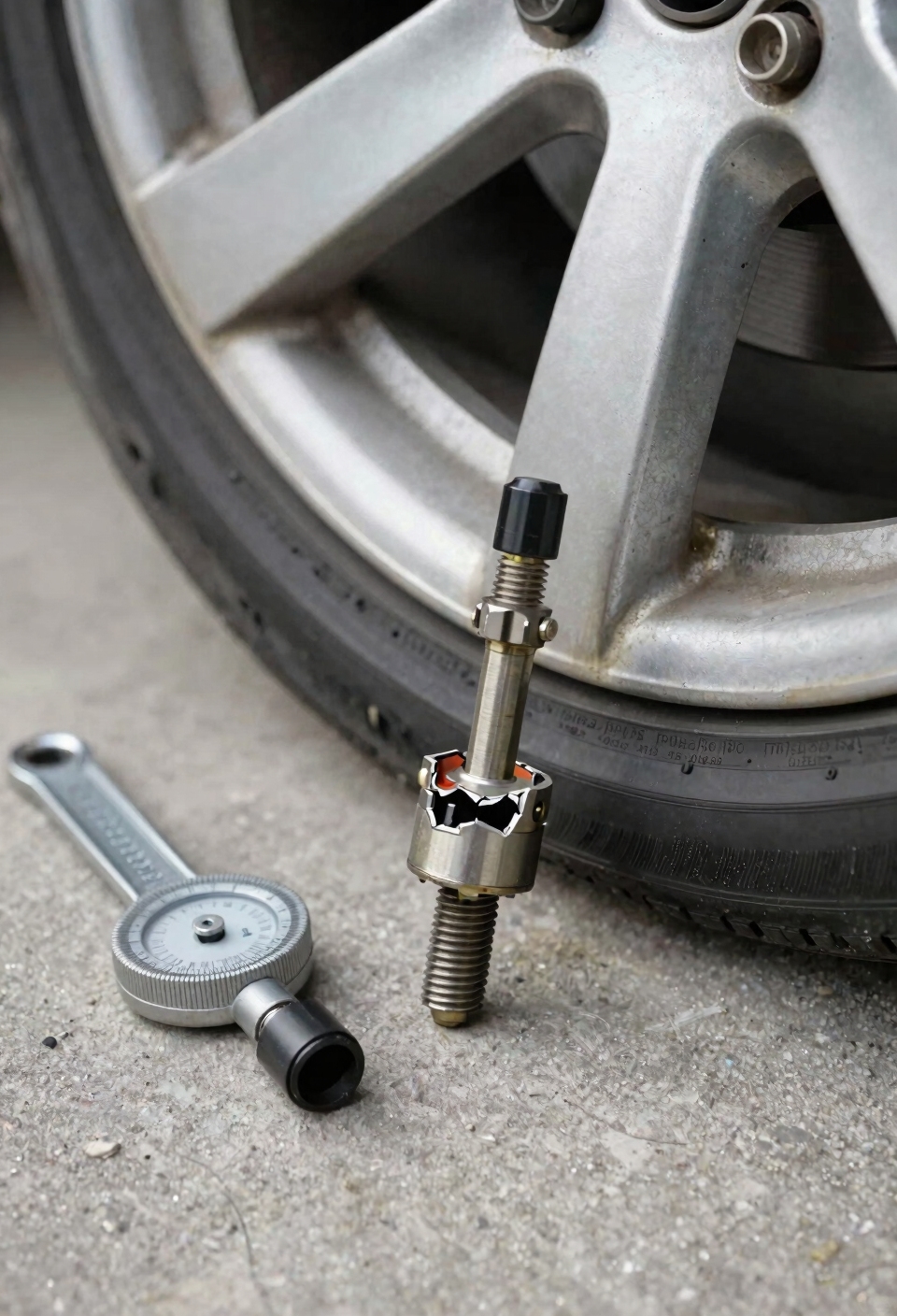
Now, here’s where things get a little scary—and I mean that literally. You might think tightening that valve stem nut extra-hard will make everything safer, but you’re actually doing the opposite. When you over-torque the nut, you’re putting crazy pressure on the sensor itself, which can cause sensor delamination risk—basically, the sensor starts separating from the valve stem. Think of it like squeezing a plastic bottle too hard; something’s gotta give. Beyond delamination, mounting fatigue kicks in fast. The constant vibration from your wheels combined with that excessive tightness creates stress that wears out the connection point. Eventually, your sensor just detaches or fails completely. Similar to how improper installation and alignment of lift accessories can compromise safety in professional shop environments, incorrect TPMS torque specifications create dangerous failure points that put drivers at risk. That’s why I’m telling you: follow the exact torque spec for your vehicle. It’s not being careful; it’s being smart.
Recommended Products

RockTrix Wheels compatible with Jeep 2007-2024 Wrangler JK JL and 2019-2024 Gladiator JT. NOTE: Wheels will extend past fenders.

Forged from CR-V alloy steel for maximum strength
RockTrix Wheels compatible with Jeep: 1987-2006 Wrangler YJ TJ, 1980-2001 Cherokee XJ, 1993-1998 Grand Cherokee ZJ. NOTE: Wheels will extend past fenders.
Valve Stem Installation Sequence and Tools
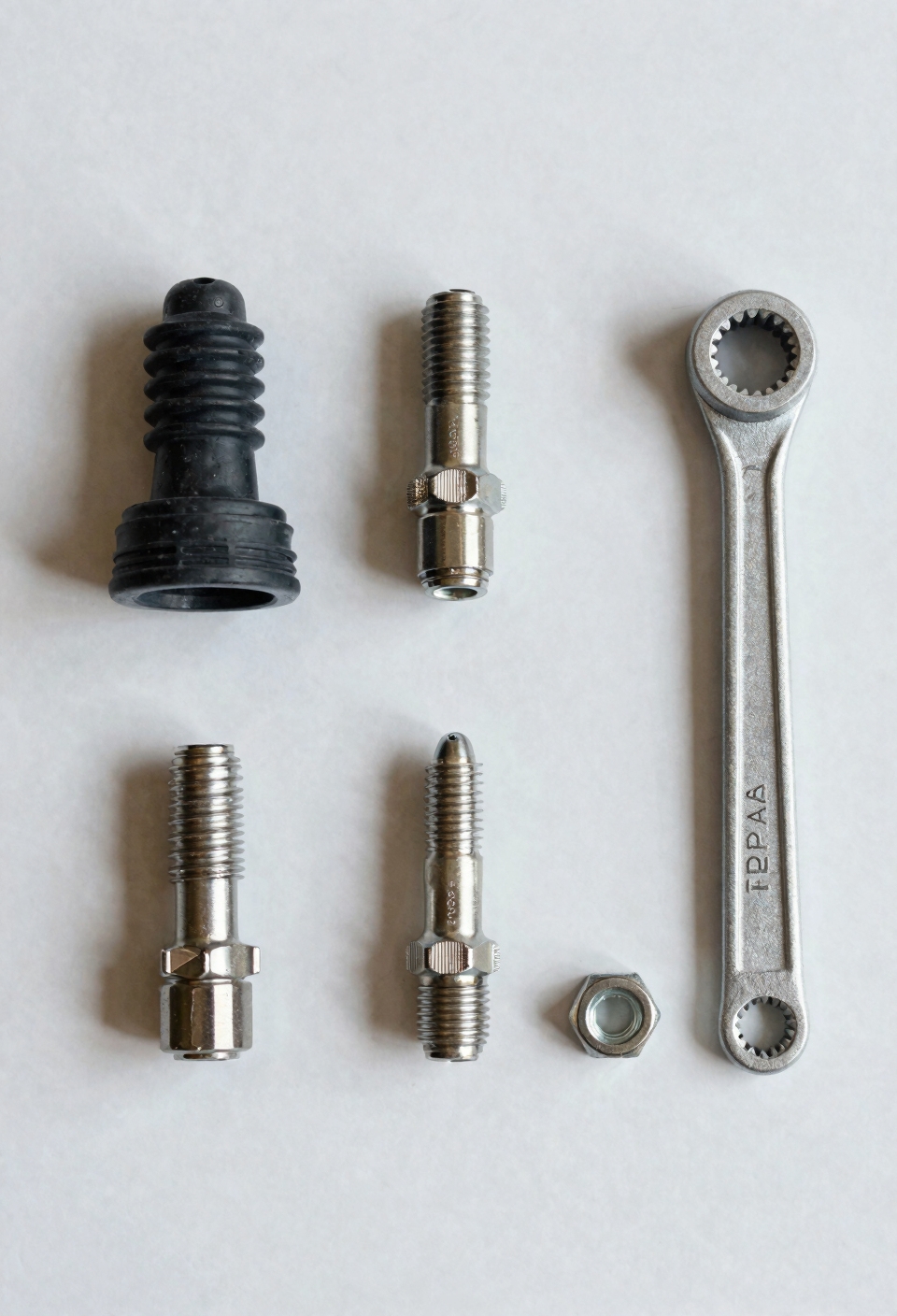
With the right tools and the correct order of operations, installing a valve stem becomes way less intimidating than it might seem at first. You’ll need a preset torque tool—basically a screwdriver that stops turning once it hits the right tightness—because guessing usually leads to problems. Here’s the thing: your installation order matters big time. Some sensors need the stem inserted into the rim first, then the sensor attached. Others work the opposite way. If you mess this up, the sensor can actually hit your wheel during installation, which defeats the purpose entirely. Always check your kit’s instructions before you start. Grab the correct hex or Torx tool, follow that sequence precisely, and you’re golden. Consider organizing your workspace with tactical vehicle organizers to keep all your valve stem tools, torque specifications, and sensor components easily accessible during the installation process.
Recommended Products

Direct OE Replacement: Matches factory specifications to restore original look and functionality.

🚕 This kit is suitable for assembly and disassembly of valve springs and replacement of valve stem seals on cars, without removing the cylinder head . Valves are closed by pressurized air, and can not fall down into the combustion chamber. Works great in narrow space conditions. Can be applied on European, American and Japanese cars, for BMW, Volvo, VAG, Ford, etc.

Package Dimensions: 51.308 H x 7.366 L x 19.05 W (centimeters)
Rubber vs. Metal Stems: Choosing the Right Material
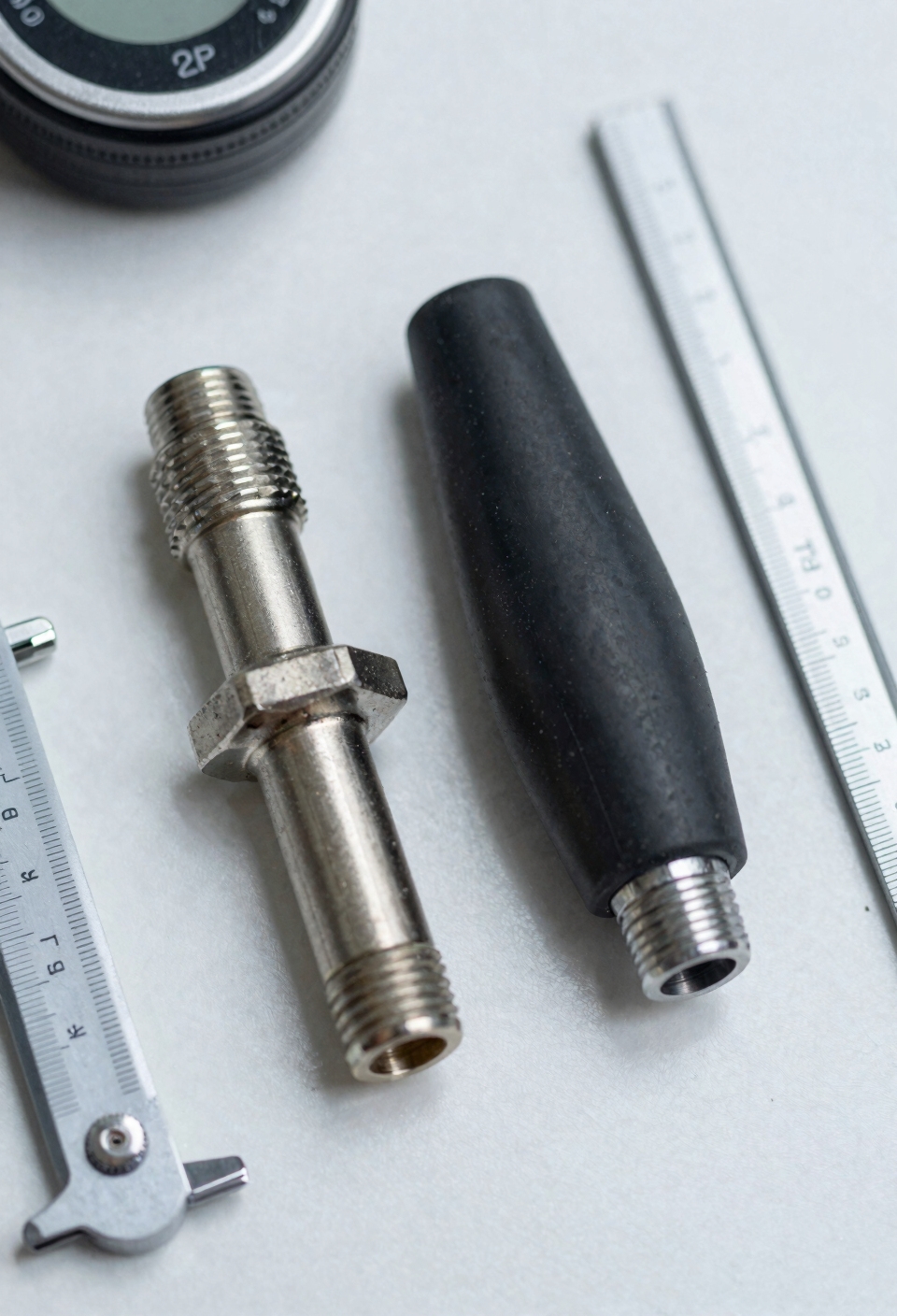
When you’re picking a valve stem for your TPMS sensor, you’re basically choosing between two totally different approaches to solving the same problem—and each one has its own strengths depending on what your car needs. Rubber stems give you more flex and cushioning against vibration, which is honestly great if you’re worried about long-term wear. Metal stems, usually brass or nickel-plated, handle environmental aging better and resist corrosion way longer. I mean, metal’s just tougher overall. The tactile grip you get from metal makes installation easier too. Now, here’s the thing: your wheel design and vehicle specs should guide your choice. Check your documentation first, because picking wrong can lead to leaks and premature failure. Similar to how high-grade steel construction is recommended for support stands to enhance durability and stability, metal valve stems provide superior longevity compared to rubber alternatives. Get it right, and you’re set.
Recommended Products

Easy-to-install, wireless sensor pairing with RoadTech monitors

[EASY-TO-USE & COST-EFFECTIVE] The Autel MX sensor is a necessity for any shop to performing TPMS repairs, the Autel TPMS sensor inventory solution with 98% vehicle coverage eliminates the need for distributors to carry hundreds of sensors to fulfill shop orders. On the shop level, needing only Autel TPMS Sensor to service nearly every TPMS equipped vehicle, lower repair cost and higher install efficiency. Note: NOT universal. Please send your VIN to obd2mart@outlook. com to check before purchase.

💪【40-Pack Kit Autel TPMS Sensors, The Most Cost-efficient TPMS Sensor Solution】Revolutionize inventory efficiency with the largest bundled TPMS sensor kit on the market—40 units at 48% lower per-sensor cost versus standard 4-10 packs. Engineered for high-volume operations, this OE-matched kit supports 200+ vehicle services per batch, slashing restocking frequency by 300%. Includes Autel’s 24-month/24,000-mile and standard J1205 / J1206 testing and support 99% of worldwide models.
Five Costly TPMS Service Mistakes
You’d think installing a TPMS sensor would be straightforward—it’s just a valve stem and a sensor, right?—but that’s exactly where most people slip up. I see it all the time: folks guessing at torque specs instead of checking their vehicle manual. That’s mistake number one. Then there’s forgotten service kits—using old seals instead of new ones, which basically guarantees a leak later. Incorrect wheel prep is another killer; you’ve gotta clean that valve hole before installation or corrosion will wreck your seal. Re-tightening a leaky nut thinking it’ll fix things? Nope, the grommet’s already done. Finally, reusing one-time-use screws or stems compromises everything. Similar to how ergonomic grip design matters for accessibility in other automotive applications, proper TPMS installation requires attention to specification details and quality components. Stick to the specs, use fresh parts, and you’re golden.
Recommended Products

Easy-to-install, wireless sensor pairing with RoadTech monitors

🚛 Large Vertical LCD display,All tires display simultaneously, Supports Type-C cable and solar charging, It can be fast-charged without occupying the car cigarette lighter socket,The monitor automatically sleeps/wakes up by movement detection or you may wake it up by press the buttons.solar system model.

Schrader TPMS 20018 Service Pack
Valve Core and Cap Torque Details
the valve core and cap are tiny, easy to overlook parts—but they’re actually super important to keeping your tire pressure stable. The valve core itself? You’ve got to be gentle. I’m talking 1.5 to 5.0 inch-pounds of torque max—basically just snug, not cranked down hard. Over-tighten it and you’re actually creating leaks instead of stopping them.
Now, here’s where cap corrosion comes in. A missing or corroded cap might seem harmless, but it’s actually letting moisture and dirt mess with your valve. That’s a slow leak waiting to happen. I’d honestly recommend keeping metal caps on your stems, especially if you’re storing your car for a while. Small detail, huge difference in keeping everything sealed up tight. For extended storage periods, consider waterproof protective solutions similar to those used for other vehicle accessories to prevent corrosion and degradation in harsh weather conditions.
Why ‘Cap-Style’ TPMS Terminology Confuses Technicians
If you’ve ever looked up TPMS parts online, you’ve probably run into the term “cap-style” and felt pretty confused about what it actually means—and honestly, you’re not alone. Here’s the thing: terminology drift happens all the time in the car world. Some retailers use “cap-style” to describe sensors that integrate near the valve area, while others slap that label on basic clamp-on sensors with different marketing language. Consumer signage makes it worse because shops and websites don’t always agree on definitions. So when you’re shopping for replacement TPMS parts, you might see “cap-style” mean three completely different things. Just as adjustable designs fit gaps between different vehicle sizes, TPMS terminology varies widely depending on manufacturer and retailer standards. That’s why checking your vehicle’s actual manual beats trusting product names every single time.
Frequently Asked Questions
Can I Reuse Old Valve Stems and Seals When Replacing a TPMS Sensor?
I’d advise against it. Reusing old valve stems and seals creates significant reuse risks and seal degradation. These components are engineered for single use, and compromised seals lead to slow leaks and sensor failure.
What Happens if I Use the Wrong Stem Material for My Specific Wheel Design?
You’ll invite premature fatigue and vibration damage. Mismatched stem materials cause galvanic corrosion between incompatible metals, compromising wheel compatibility and creating slow leaks that’ll plague you repeatedly.
How Do I Know Which Torque Spec Applies to My Vehicle’s TPMS System?
You’ll find your vehicle’s exact torque spec in the owner’s manual, service documentation, or your TPMS kit’s instructions. I’d recommend checking your model identification and reviewing service intervals to confirm you’re applying the right specification.
Should I Use Metal or Rubber Valve Caps During Long-Term Tire Storage?
I’d love to tell you rubber caps work fine, but I’m guessing you’ve already dealt with corrosion headaches. Metal caps are your best bet—they’re more durable during storage and resist rust way better than rubber caps will.
Why Does Re-Tightening a Leaking TPMS Nut Fail to Stop the Leak?
Re-tightening won’t stop the leak because the sealing grommet’s already compromised. The threaded nut just clamps down on a failed seal. You’ll need seat corrosion inspection and a fresh grommet replacement to solve it.
Conclusion
I’ve learned that respecting torque specs isn’t boring—it’s actually you taking control of your car’s safety. You’re basically giving your tire pressure sensors the gentle but firm handshake they deserve. Skip the shortcuts, grab the right tools, and your TPMS will quietly do its job for years. You’ll appreciate that peace of mind more than you’d think.