As an Amazon Associate, we earn from qualifying purchases. Some links on this site are affiliate links at no extra cost to you. Our recommendations are based on thorough research and editorial judgment.

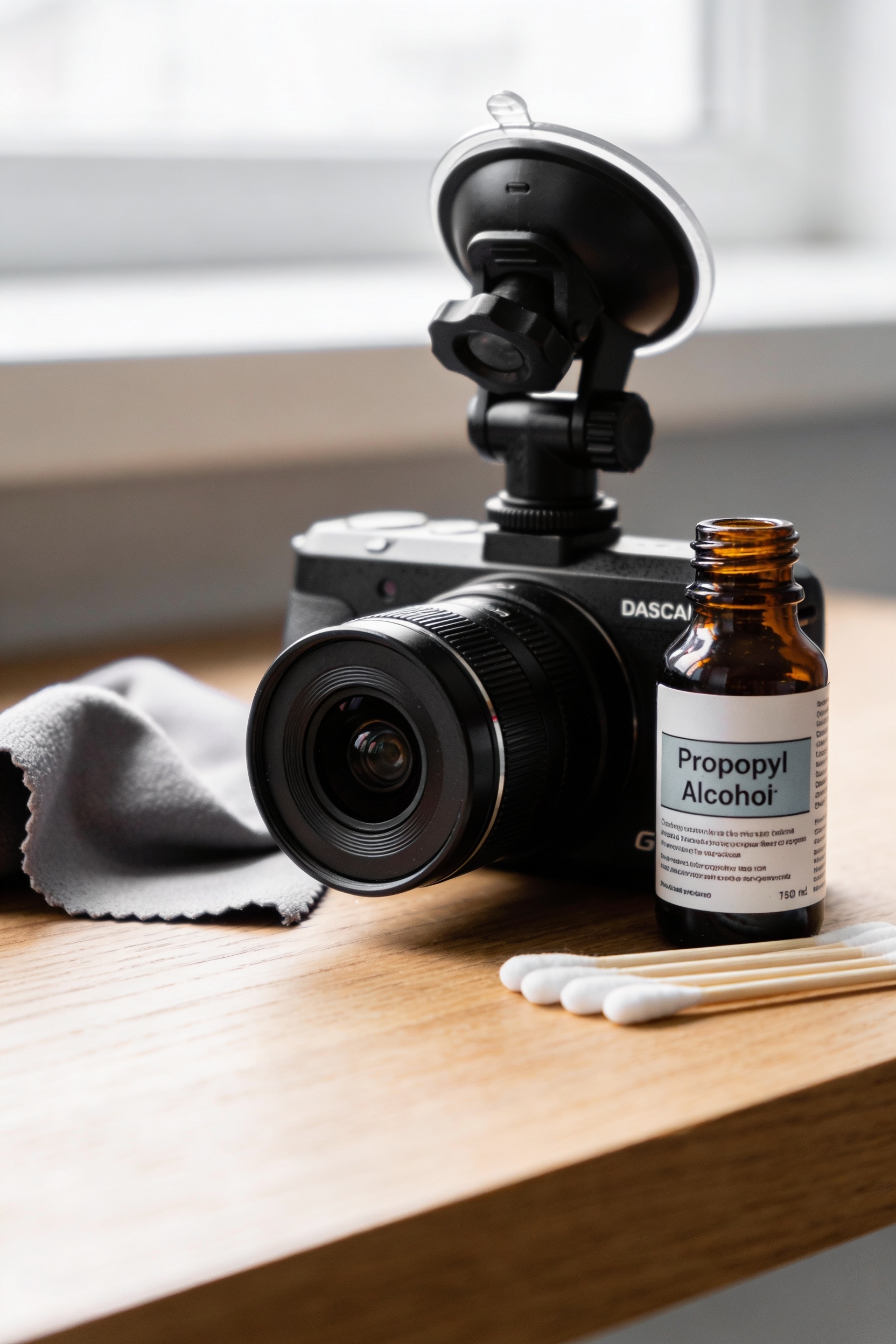
Dash Cam Lens Cleaning: Why Alcohol Concentration Matters

You’ve probably grabbed whatever rubbing alcohol was under the sink to clean your dash cam, right? Here’s the thing—not all alcohol is created equal. Low-concentration stuff (like 60–70%) is mostly water and additives that evaporate slowly, leaving residue and letting dust stick around. High-purity alcohol (90–99%) dries fast and clean, protecting your lens coatings. Use the wrong concentration, and you’ll gradually haze your footage over weeks. The details on how this actually happens are pretty wild.
Key Takeaways
- High-purity alcohol (90–99%) evaporates rapidly with minimal residue, protecting lens coatings from damage and streaking.
- Low-concentration solutions (60–70%) contain excess water and additives that evaporate slowly, allowing dust to resettle and degrade image quality.
- Additives and moisture in lower-purity alcohol cause polymer swelling and coating incompatibility, leading to irreversible optical deterioration over time.
- Faster evaporation from high-purity alcohol reduces dust adhesion time and prevents invisible residue films that compromise lens clarity.
- Using manufacturer-approved high-purity isopropyl alcohol with a gentle touch extends dash cam lifespan and preserves recording quality for years.
Why High-Purity Alcohol Protects Dash Cam Coatings
When you’re cleaning your dash cam lens, you might think any rubbing alcohol from the drugstore will do the job—but here’s where things get interesting. That cheap stuff is usually only 60-70% alcohol, meaning the rest is water and random additives. Your dash cam’s lens has special coatings designed to reduce glare and reflections, and they’re actually pretty picky about what touches them.
Here’s the thing: high-purity alcohol (90-99%) protects these coatings way better. Lower concentrations leave behind invisible films that mess with coating compatibility and cause particle adhesion—basically, dust sticks to your lens like it’s got glue on it. The water and additives in cheap alcohol dry slowly, giving dust time to settle. High-purity alcohol evaporates fast, leaving almost nothing behind. Using color-coded and labeled wires as a comparison, proper preparation and material selection in any technical application ensures superior results and protects delicate components. That’s why it’s worth grabbing the good stuff.
Recommended Products

High Purity Isopropyl Alcohol.

High purity formula

Five Gallons of Technical/Industrial Grade Isopropyl Alcohol - IPA 99.5%
What Low-Concentration Rubbing Alcohol Does to Your Lens
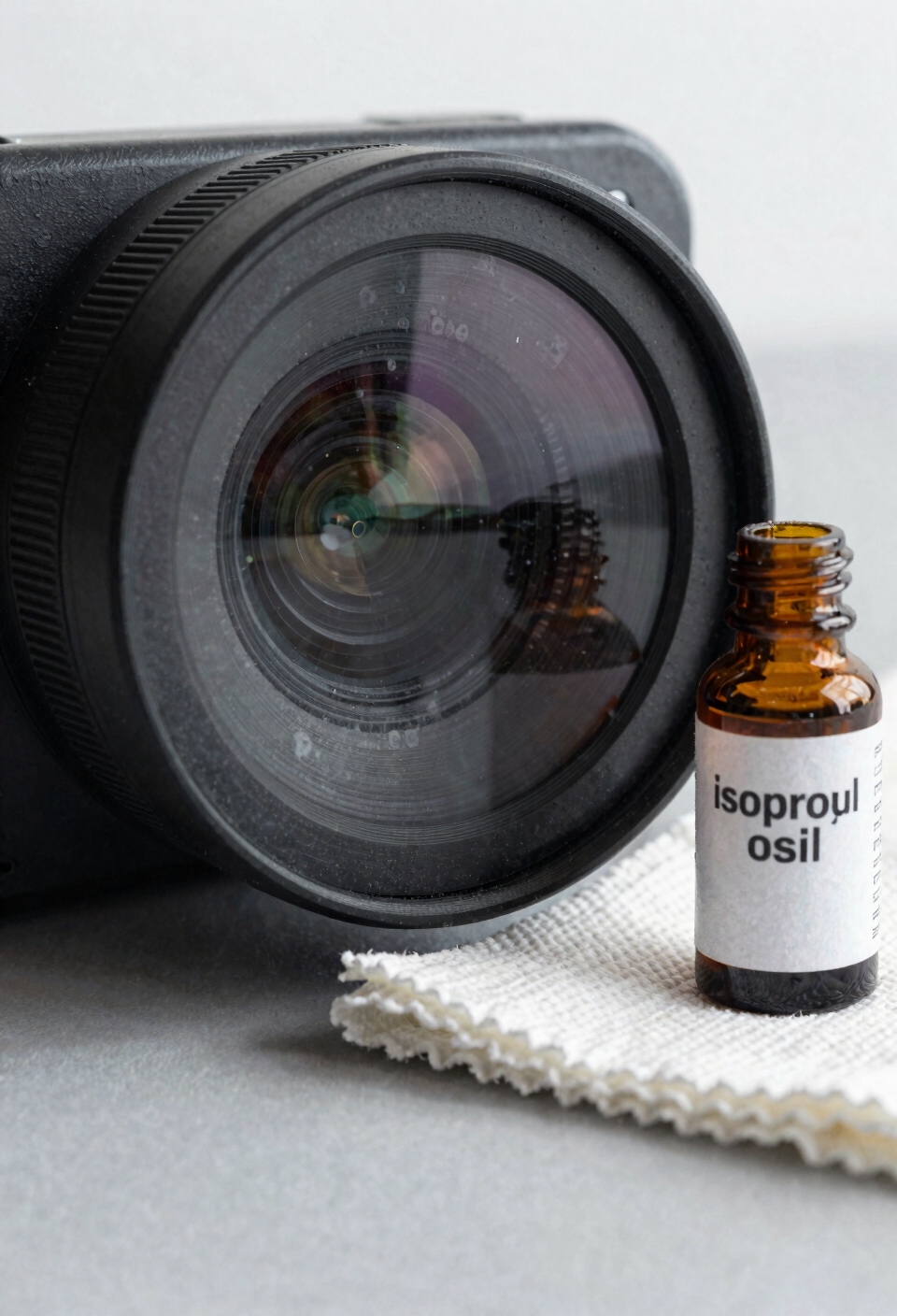
Low-concentration rubbing alcohol might seem like the budget-friendly choice, but it’s actually working against you when you’re trying to keep your dash cam lens crystal clear. Here’s the thing: that cheap 60–70% alcohol you grab at the store? It’s mostly water and additives. Those extra ingredients create coating incompatibility issues that gradually damage your lens’s special anti-reflective coatings. You’ll start noticing visible hazing that makes your footage look cloudy, especially at night. The water content also dries slowly, giving dust time to stick back onto the lens before it’s even dry. Just as premium microfiber materials resist damage and maintain performance through proper care, your dash cam lens requires high-concentration alcohol to prevent degradation of its protective coatings. I’m sure you’ve thought about cutting costs, but using low-purity alcohol actually costs you image quality. Your dash cam deserves better.
Recommended Products

99% (anhydrous-grade) concentration has 0% water, and 0% additional additives

✅ Perfect for All Industries & Home Use - This 99.9% isopropyl alcohol can be used for numerous purposes. It features an ultra-pure 99.9% concentrated formula.
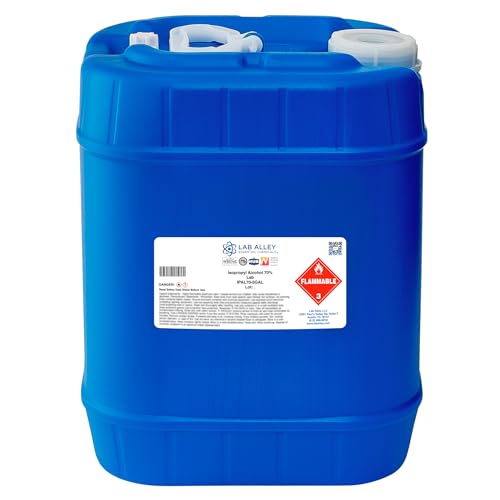
𝗟𝗮𝗯 𝗚𝗿𝗮𝗱𝗲 𝗜𝘀𝗼𝗽𝗿𝗼𝗽𝘆𝗹 𝗔𝗹𝗰𝗼𝗵𝗼𝗹 – 𝟳𝟬% 𝗙𝗼𝗿𝗺𝘂𝗹𝗮𝘁𝗶𝗼𝗻: Formulated with 70% isopropyl alcohol and 30% distilled water for controlled evaporation and effective cleaning performance in laboratory and industrial settings.
How Water and Additives Degrade Dash Cam Coatings Over Time
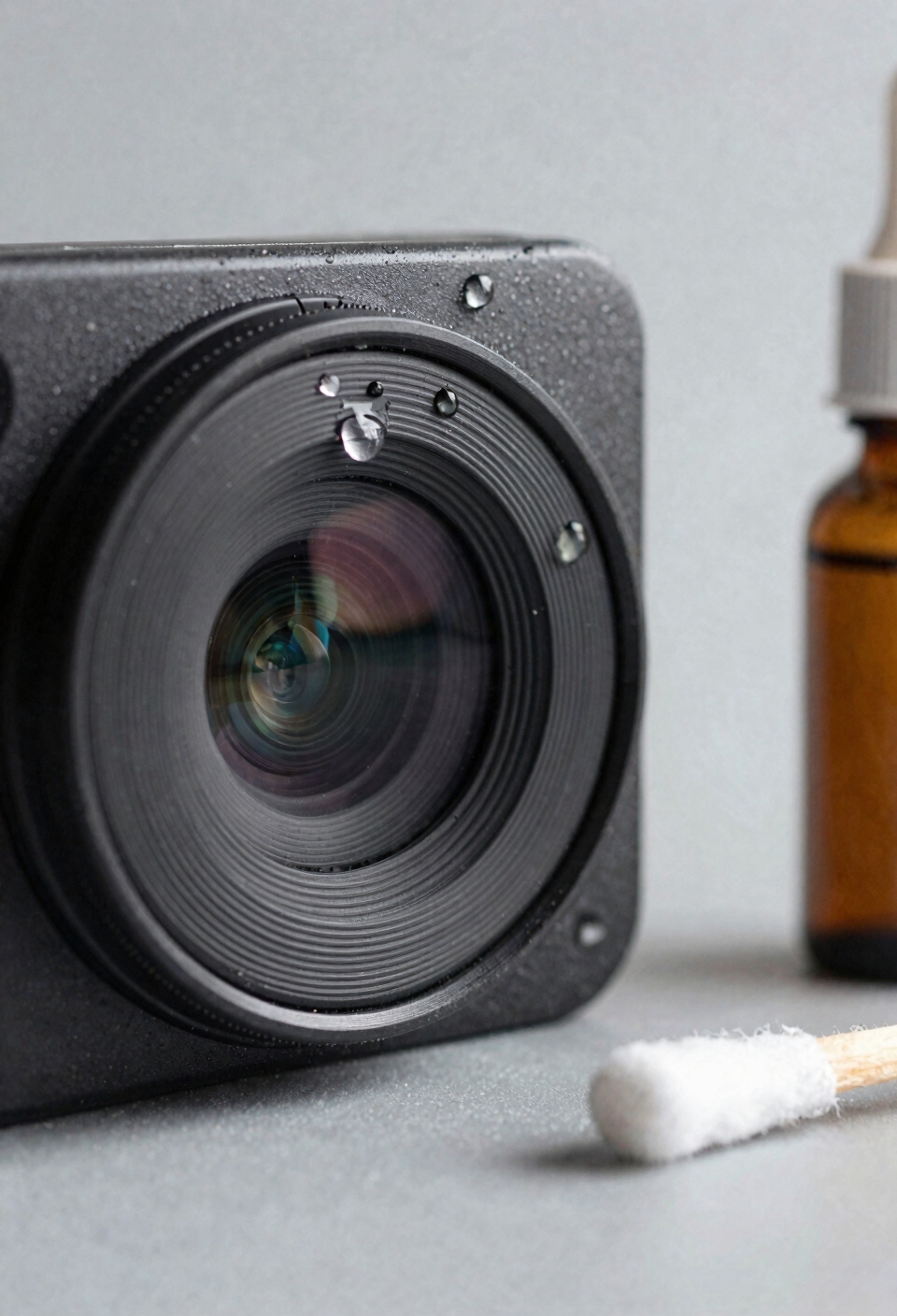
The stuff that’s left behind after low-purity alcohol dries is where things get really sneaky. When you use cheaper rubbing alcohol—the 60–70% kind—you’re basically wiping your lens with water and invisible additives. Here’s what happens: that moisture migration seeps into tiny gaps around your lens coating, and the additives? They start causing polymer swelling in the protective layers. Think of it like a sponge absorbing water and puffing up. Over weeks and months, this damages the anti-reflective coating that keeps your dash cam’s image crystal clear. You’ll notice glare creeping in, especially at night. The coating literally starts peeling away. That’s why investing in high-purity alcohol matters—it evaporates fast and leaves almost nothing behind. Using protective covers during storage can shield your lens from dust and environmental contaminants between cleanings, further extending coating durability.
Recommended Products

99.9% Anhydrous solvent—Removes water and humidity from components leaving them dry

99% Isopropyl Alcohol Purity

SAFE FOR ALL LENSES: Purity's Lens Cleaner formula is extremely effective and will remove dirt, dust, oil and fingerprints safely from any type of lens or screen (AR coated and non glare included). Clean your lenses to maximum clarity with Purity's glasses cleaner & eyeglass cleaner refills
What Alcohol Percentages Really Mean: 60% vs. 90% vs. 99
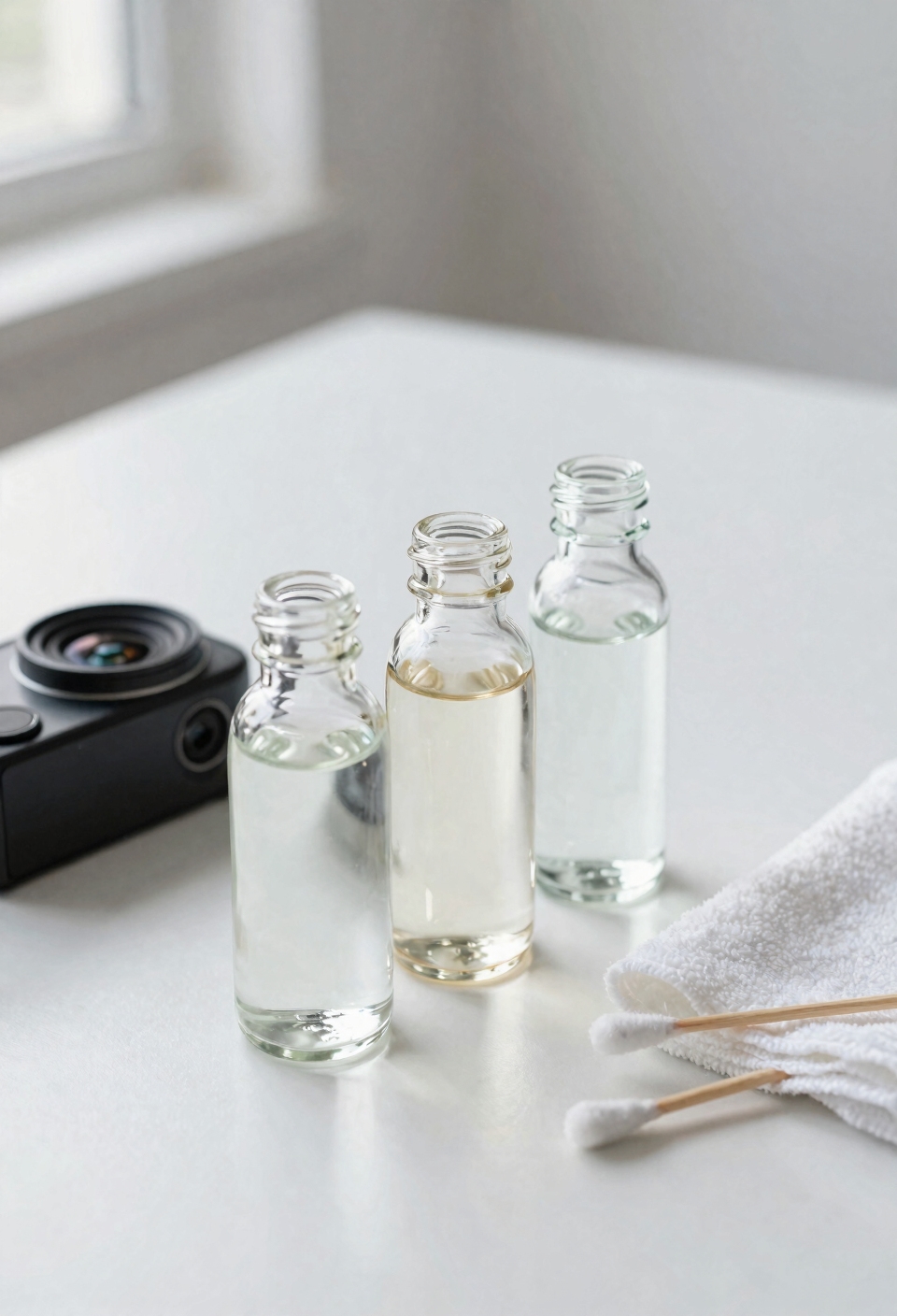
Ever grabbed a bottle of rubbing alcohol from the drugstore and wondered why it says “70%” on the label? That percentage tells you exactly how much actual alcohol you’re getting versus water and other stuff mixed in. Here’s the thing: when you use 60% or 70% alcohol on your dash cam lens, you’re basically applying a solution that’s mostly water. Water evaporates slowly, leaving behind streaks and spots that cloud your footage. Jump to 90% or 99% isopropyl alcohol, and you’re getting rapid alcohol vaporation with minimal residue. The higher purity also means better solvent polarity—basically, it dissolves oils and grime more effectively without leaving that hazy film behind. Just as premium-grade microfiber applicators deliver superior cleaning performance for car interiors, using higher concentration alcohol ensures your dash cam maintains crystal-clear visibility. For your dash cam, higher concentration genuinely matters.
Why Evaporation Speed Matters for Dash Cam Lenses
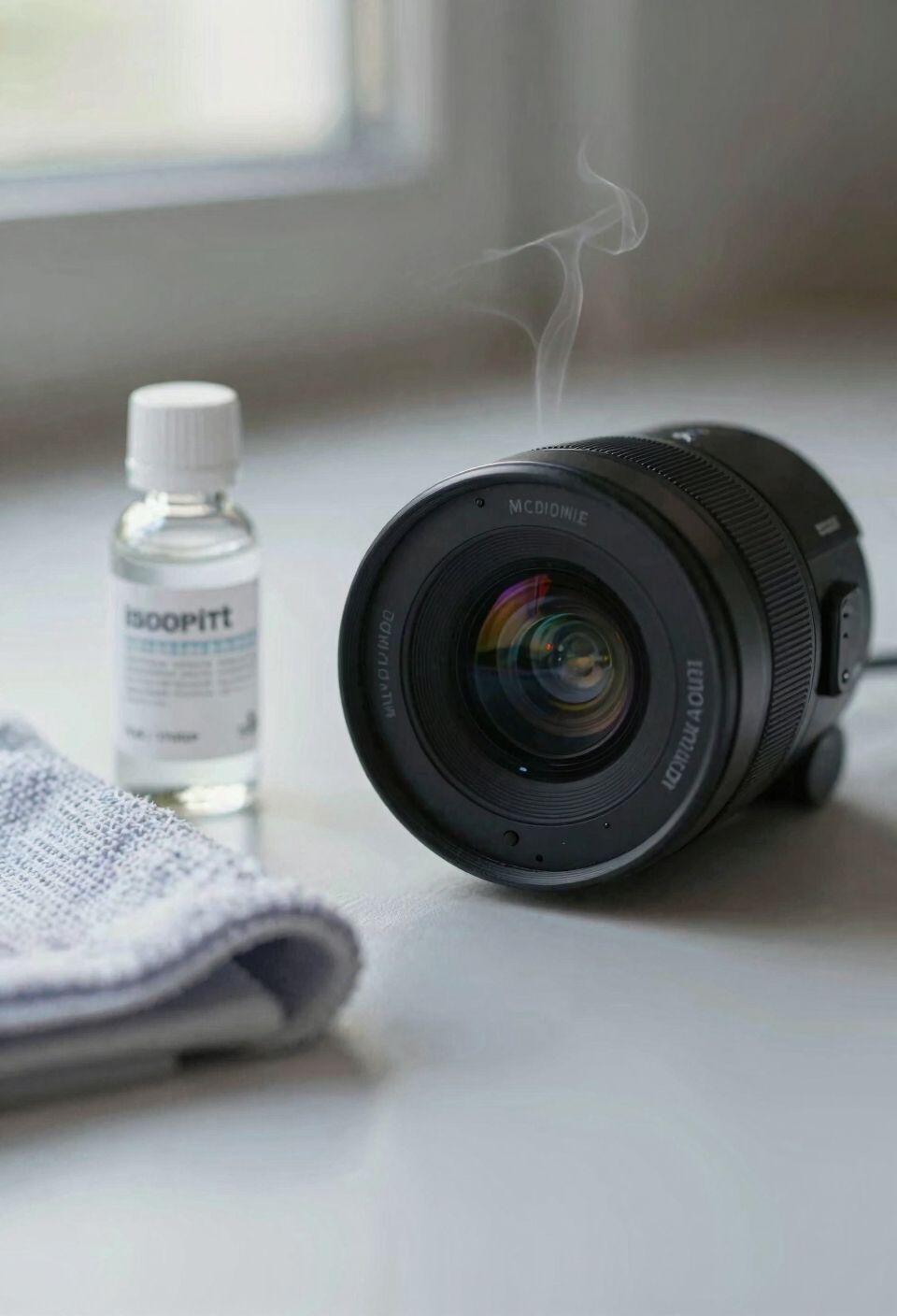
All right, so now you know that grabbing high-purity alcohol matters way more than low-concentration stuff—but here’s where it gets really practical: what you’re actually watching happen on your lens surface.
High-purity alcohol evaporates fast, which sounds boring but it’s actually huge. When liquid sits on your dash cam lens longer, dust particles have more time to stick back onto the wet surface. That’s thermal inertia working against you—the lens stays damp longer and attracts grime like a magnet.
Lower-concentration alcohol? It dries slower, giving you more streaks and haze. I’m sure you’ve noticed how fast water disappears on a hot windshield versus how long it lingers in shade. Same principle here. Quick evaporation dynamics mean your lens stays clean, clear, and ready to record everything that matters. Just like UV-resistant clear coats protect carbon fiber accessories from sun damage, a properly cleaned dash cam lens maintains its clarity and performance over time.
Step-by-Step Dash Cam Lens Cleaning Process
Cleaning your dash cam lens properly doesn’t have to be complicated, but I’ll be honest—rushing through it or using the wrong stuff can actually make your footage worse instead of better. Here’s what you’re really doing: you’re protecting those tiny coatings that keep your video clear and sharp.
Start by using an air blower to kick off loose dust—seriously, don’t skip this. Then grab a clean microfiber cloth, barely dampened with high-purity isopropyl alcohol, and wipe gently in one direction. Let it air-dry completely. For microfiber maintenance, wash your cloths regularly so you’re not dragging old grime across your lens. Just as materials that won’t react with paints or chemicals are essential for painting accessories, your lens cleaning materials should be carefully selected to avoid damage. When you’re done, store your dash cam in a cool, dry spot. That’s it—your footage stays crisp.
Recommended Products

High Purity: Our alcohol wipes are made with 96% isopropyl alcohol, ensuring superior cleaning power for all your electronic wipes needs. Ideal for environments requiring high standards of cleanliness, such as cleanrooms and labs.

Handy single use wipes pre-saturated with Isopropyl Alcohol

70% Isopropyl: IPA Wipes are quick drying. Don't be alarmed that your wipe feels dry after one quick use. Contents contain: 80 alcohol wipes per canister, 6 canisters for 480 alcohol cleaning wipes.
What Manufacturers Actually Allow (and Why)
Why the careful rules? Manufacturer warranties protect you, but only if you follow their approved solvents and methods. Use random chemicals or aggressive scrubbing, and you’ve just voided that protection. Stick to what they recommend, and you’re golden. Just as custom-fit interior protection requires following installation guidelines to maintain vehicle value, dash cam lens maintenance demands adherence to manufacturer specifications to preserve your warranty coverage.
The Permanent Damage Caused by Common Cleaning Mistakes
Once you’ve damaged that lens coating, you’re basically stuck with it—there’s no fix short of replacing the entire lens assembly. I’m sure you’ve thought about just wiping your dash cam lens when it gets dirty, but here’s the thing: one session of abrasive scrubbing with a rough cloth can permanently scratch those delicate anti-reflective coatings. Now, chemical immersion is even worse. Using cheap rubbing alcohol or ammonia-based cleaners literally dissolves the coating layer, leaving your lens cloudy and prone to glare. You won’t notice it immediately, but after a few cleanings with wrong products, your footage gets progressively hazier. Similar to how weatherproof mounting components extend the usable life of vehicle accessories, proper lens maintenance with high-purity alcohol protects your dash cam’s optical integrity. The worst part? You can’t undo it. That’s why using high-purity alcohol and a gentle touch matters—it’s literally the difference between a dash cam that works for years and one that’s basically useless.
Recommended Products

Shows the concentration percentage of the soluble solids content (total solids) of a sample (water solution)

SAFE FOR ALL LENSES: Purity Lens Cleaner formula is extremely effective and will remove dirt, dust, oil and fingerprints safely from any type of lens or screen (AR coated and non-glare included).

【Wide Applicability】This 40x60 monocular is suitable for adults and kids, it’s a good partner for climbing, hiking, driving, racing, traveling, watching wildlife, bird watching, sightseeing, etc
Frequently Asked Questions
Can I Use High-Purity Alcohol to Clean the Windshield Area in Front of My Dash Cam?
I’d recommend using ammonia-free glass cleaner instead. While high-purity alcohol works for your dash cam lens, windshield glass has different optical coatings that can suffer from high purity pitfalls and alcohol damage.
How Often Should I Clean My Dash Cam Lens to Maintain Optimal Image Quality?
I’d recommend daily maintenance with a soft brush or air blower to remove loose debris, then a seasonal deep clean using high-purity isopropyl alcohol on microfiber cloth. This keeps your image quality sharp and prevents coating degradation.
Will Alcohol Damage the Waterproof Seals on My Dash Cam Housing if It Seeps Inside?
I’d say high-purity alcohol shouldn’t harm your seals if you’re careful. Quick evaporation minimizes liquid migration into housing gaps. However, lower-concentration solutions risk seal corrosion and adhesive breakdown over time with repeated exposure.
What Should I Do if I’ve Already Used Low-Purity Alcohol on My Lens Repeatedly?
I’d recommend switching to high-purity isopropyl alcohol now to prevent further residue buildup and coating degradation. Clean gently with a microfiber cloth, then inspect your footage for haze or flare indicating damage.
Are Commercial Lens-Cleaning Solutions Safer Than Isopropyl Alcohol for Dash Cam Optics?
They’re equally safe—many commercial formulations contain isopropyl alcohol as their primary ingredient. What matters most isn’t the product’s brand, but the purity level and how gently you’re treating your optical coatings.
Conclusion
So here’s the thing—you finally invested in that dash cam to protect yourself on the road, and coincidentally, the one cleaning mistake you make today could be the same one that blinds your lens tomorrow. High-purity alcohol isn’t just some fancy choice; it’s basically your dash cam’s bodyguard. Skip the cheap stuff, grab the good alcohol, and you’ve got footage worth actually watching.