As an Amazon Associate, we earn from qualifying purchases. Some links on this site are affiliate links at no extra cost to you. Our recommendations are based on thorough research and editorial judgment.

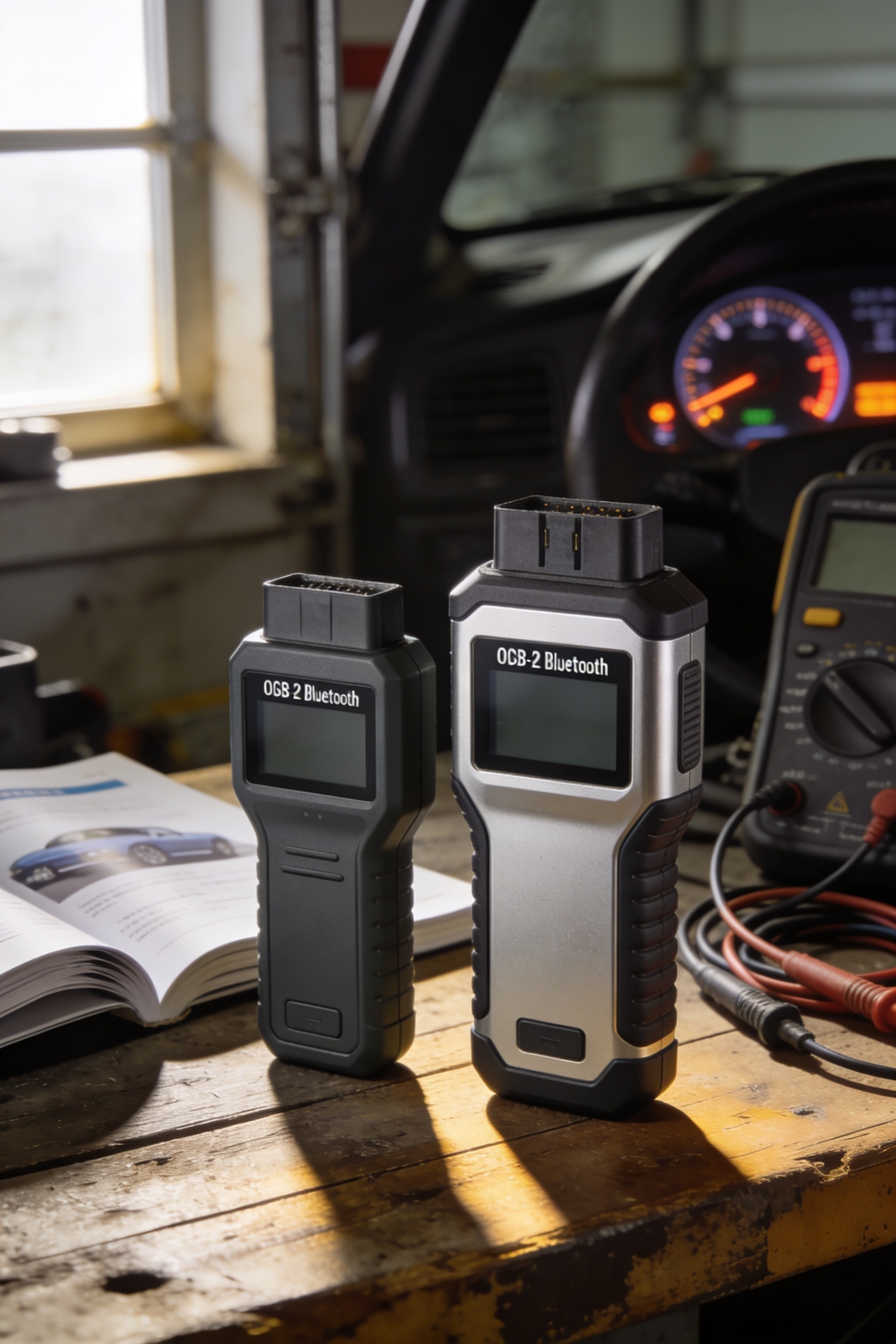
OBD-II Bluetooth Scanners: Are Cheap Ones Actually Accurate?

Yeah, cheap Bluetooth scanners read basic engine codes and live data like RPM and coolant temperature pretty accurately—so they’re solid for spotting obvious problems. But here’s the catch: they’re basically just looking at what your engine tells them, nothing else. You can’t access your transmission, ABS, or airbag systems, and you definitely can’t test if parts actually work. They’re honest reporters, not mechanics. For serious issues, you’ll need something way more powerful.
Key Takeaways
- Cheap Bluetooth scanners accurately read generic engine codes (P0xxx) and core parameters like RPM and coolant temperature reliably.
- Data smoothing on budget tools may mask abrupt changes, and sensor lag introduces tiny delays between actual events and displayed values.
- Cheap scanners cannot access manufacturer-specific modules like ABS, airbags, or transmission systems; they’re read-only diagnostic devices only.
- Affordable scanners work well for pre-purchase checks and routine maintenance but lack bidirectional testing and actuator control functions.
- Upgrade to premium scanners when check engine lights persist, problems extend beyond engine codes, or warranty-certified diagnostics are needed.
What Cheap Scanners Actually Read Well
If you’ve ever wondered whether a $30 Bluetooth scanner could actually tell you what’s wrong with a car, here’s the good news: for the basics, it probably can. I’m talking about reading those generic check engine codes—the P0xxx stuff that every car speaks the same language about. Your cheap scanner handles connector protocols just fine when it’s doing simple emissions diagnostics. Sure, firmware quirks between different adapters exist, but honestly? Most of them nail engine RPM, coolant temperature, and fuel trim data without breaking a sweat. You’ll get real-time live data that actually works. When selecting a scanner, verify vehicle-specific compatibility to ensure accurate readings across different models and trim levels. For a quick diagnosis before heading to a mechanic or screening a used car, these budget tools deliver exactly what you need without the premium price tag.
Which Live Data You Can Trust
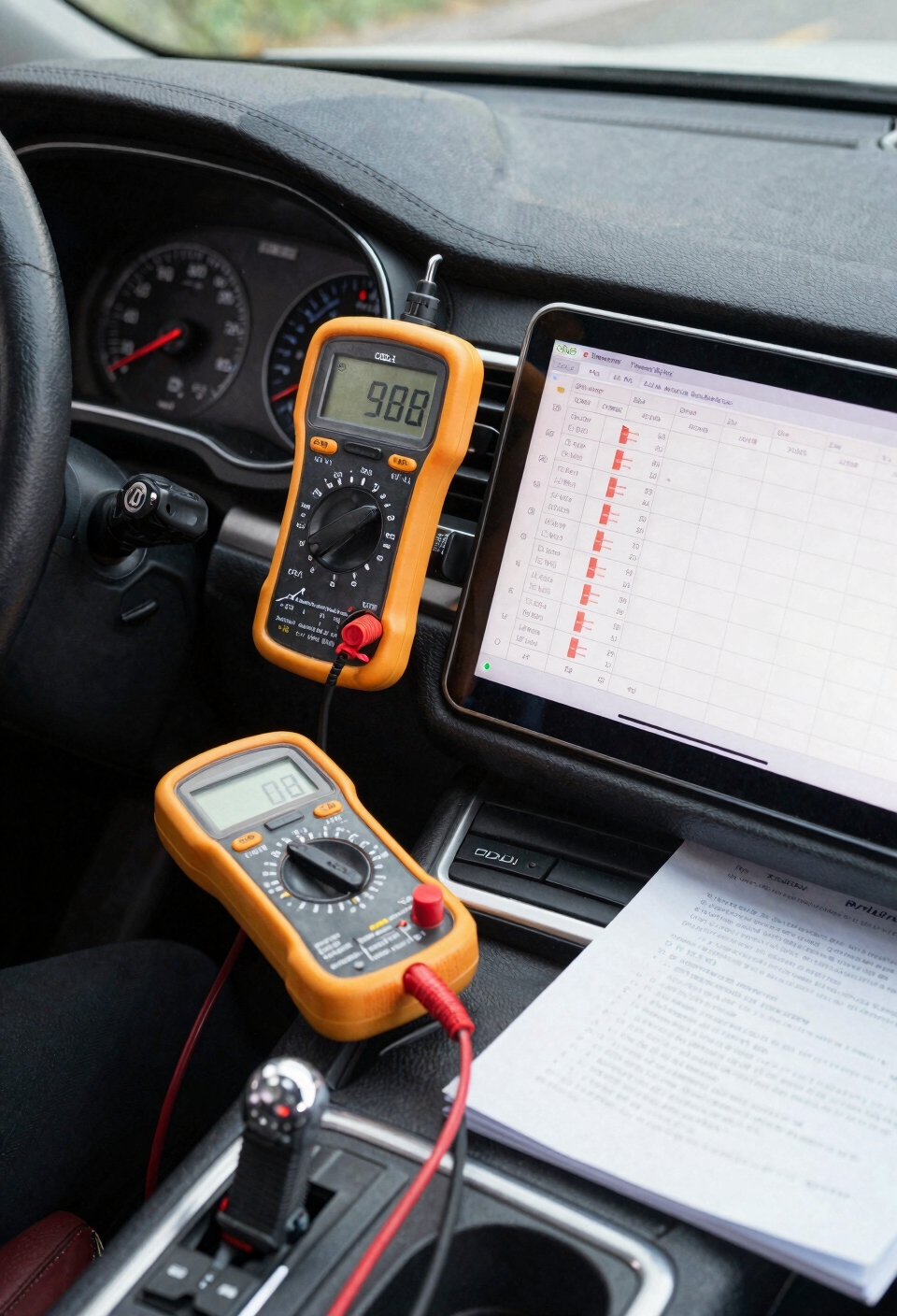
You’re probably staring at a bunch of numbers and abbreviations on your phone right now, wondering which ones actually matter. Here’s the truth: not all live data is created equal. Engine RPM, coolant temperature, and fuel trim are your most reliable buddies—they update frequently and have solid signal fidelity. I mean, your scanner’s basically reading what the engine already knows about itself. Now, here’s where it gets tricky. Some readings suffer from sensor lag, meaning there’s a tiny delay between what’s happening and what you’re seeing. Your cheap scanner might also use data smoothing to make jumpy numbers look prettier, which can hide real problems. To ensure accurate readings, prioritize oxygen-free copper conductors and quality components in your diagnostic setup’s wiring for minimal signal loss. Stick with the basics, and you’ll be golden.
What Cheap Scanners Can’t Touch
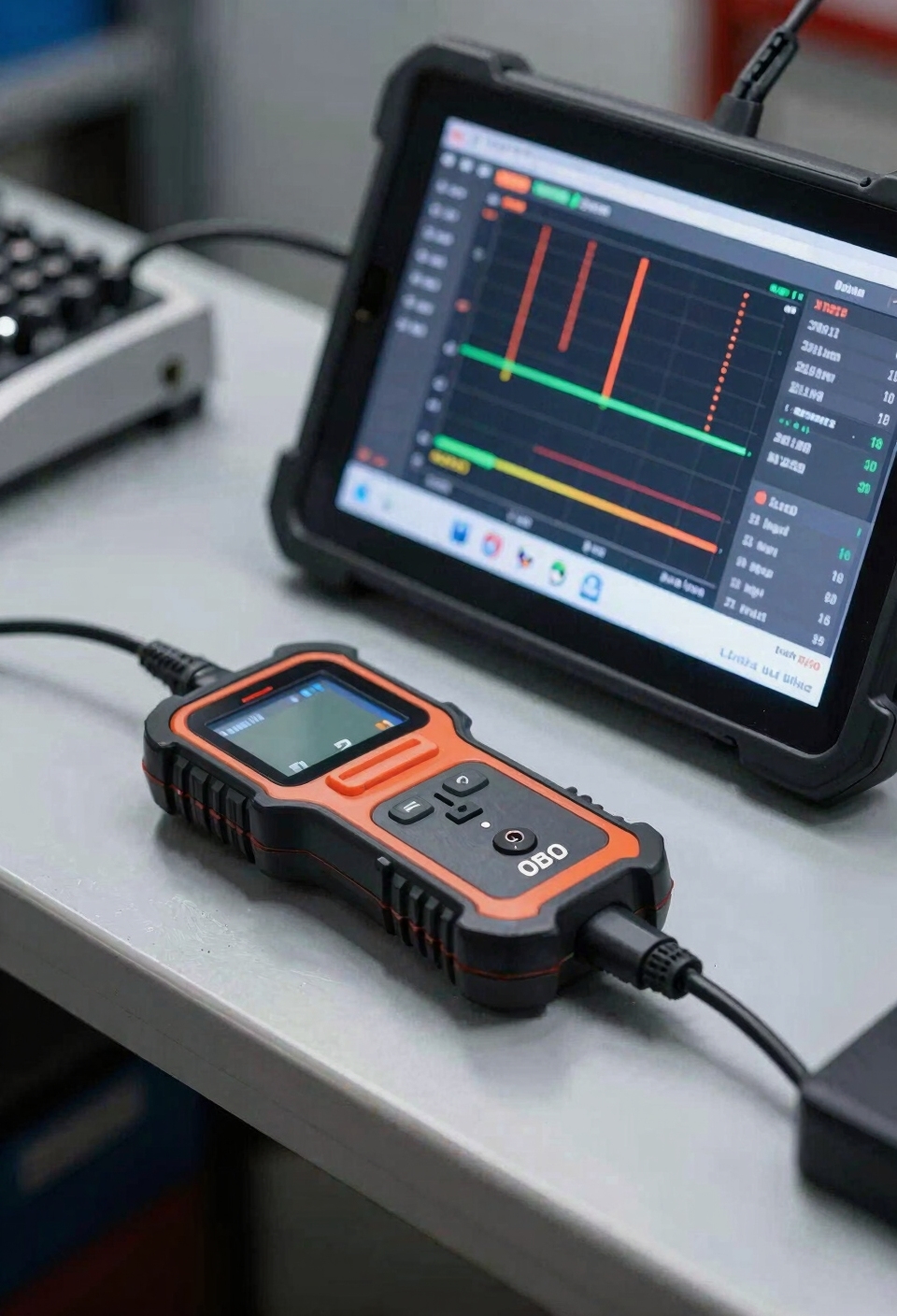
Once you start poking around inside your car’s computer with a cheap Bluetooth scanner, you’ll pretty quick run into a wall—and that wall is basically everything that isn’t engine stuff. I’m talking about your car’s ABS brakes, airbags, transmission, and body systems. Your cheap scanner? It can’t touch those manufacturer modules at all. It’s like having a key that only opens one door in a massive house.
Here’s the real kicker: these budget tools have zero bidirectional functions, meaning they can’t actually *do* anything besides read codes. They can’t test actuators, bleed brakes, or run service resets. You’re basically a spectator watching your car’s diagnostics, not actually fixing anything. For serious problems, you’d need to visit a real mechanic anyway. This is similar to how working load limits in heavy-duty equipment must be strictly observed to prevent equipment failure and safety hazards.
Why You Pay More for Deeper Diagnostics
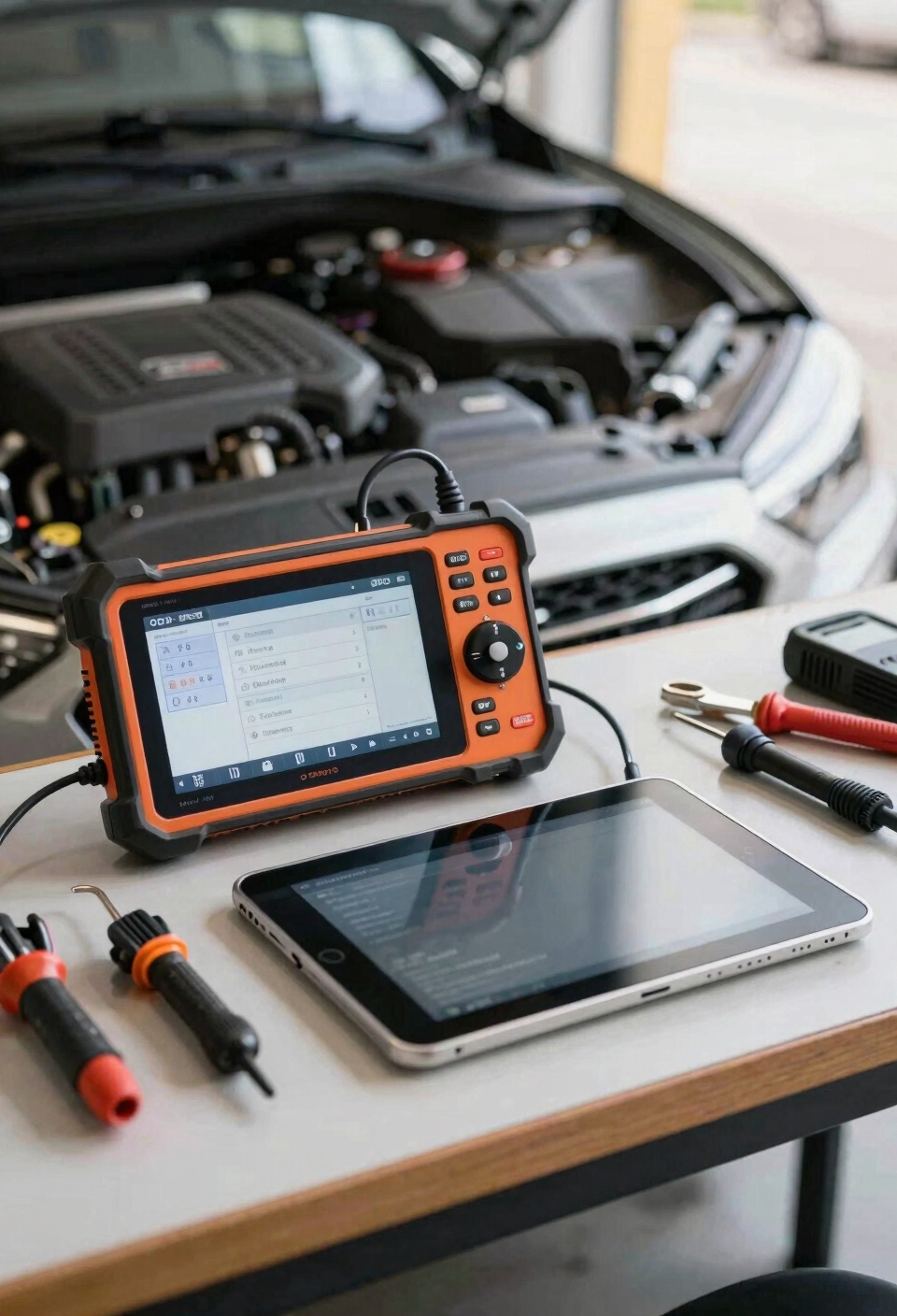
Now, here’s where things get interesting—and where your wallet starts feeling the difference. When you’re spending real money on a scanner, you’re paying for way more than just better code-reading. You’re investing in development costs that went into building software capable of talking to multiple vehicle systems—your engine, transmission, ABS, airbags, and more. Premium scanners also come with support ecosystems: regular software updates, customer service, and repair databases that get constantly improved. Cheap models? They’re basically frozen in time. You’re also getting bidirectional controls, which let you actually test components instead of just reading data. Similar to how power distribution systems maintain consistent voltage and reduce noise in complex automotive setups, premium scanners manage data across multiple vehicle systems more reliably than budget alternatives. Think of it this way: a budget scanner reads the problem, but a pricier one helps you truly solve it.
Real-World Scenarios Where Cheap Works
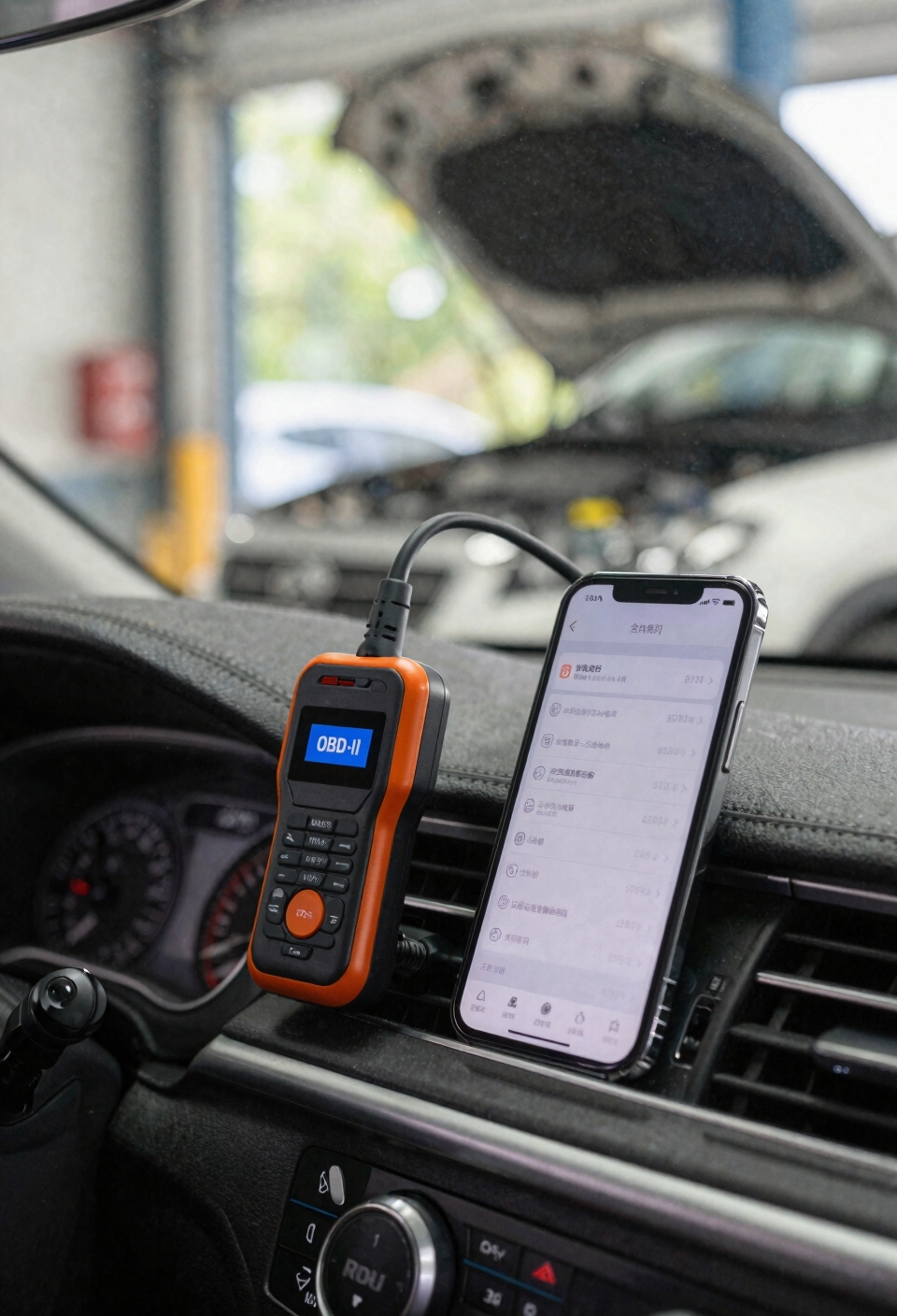
So here’s the thing—cheap Bluetooth scanners actually *are* worth having, even though they can’t do everything. You’ve probably seen them online for thirty bucks, and honestly? They’re perfect for specific situations. Before you buy a used car, a cheap scanner tells you whether that engine light means something serious or just a sensor hiccup. I mean, that alone saves you from overpaying for a lemon. Community workshops love them too—they’re affordable enough that groups can keep one around without breaking the budget. You’re not trying to rebuild a transmission here; you just want quick answers. For catching obvious problems and getting baseline info, these scanners totally deliver. They’re your first line of defense, not your final diagnosis. Like other practical car accessories, a basic scanner focuses on essential functionality over premium features, making it a smart budget choice for routine vehicle maintenance and diagnostics.
When to Invest in a Professional-Grade Scanner
There’s a moment when a cheap scanner stops being enough—and it usually hits when you’re staring at a check engine light that won’t go away, or you’re trying to figure out why your car’s acting weird but the basic reader just shrugs at you.
That’s when upgrading makes sense. If you’re dealing with transmission problems, ABS issues, or anything beyond engine codes, you’ll need professional-grade equipment. I mean, a $30 adapter won’t touch those systems.
Here’s what pushes me toward investing: warranty considerations on newer cars often require certified diagnostics, and training resources for advanced tools actually help you understand what’s happening. You’re not just reading codes anymore—you’re learning real problem-solving. It’s the difference between guessing and knowing. Additionally, poorly installed electrical accessories can compromise your vehicle’s electrical system coverage, making professional-grade diagnostics essential before attempting any modifications.
Frequently Asked Questions
Can a Cheap Bluetooth Scanner Damage My Vehicle’s OBD-II Port or Electrical System?
Rarely risky, reputable Bluetooth scanners won’t cause physical damage or electrical interference. I’d recommend purchasing from established brands—they’re engineered to safely connect without harming your vehicle’s OBD-II port or electrical system.
How Do I Know if My Scanner’s Reading Is Actually Accurate Versus a False Positive?
I’d cross-check your scanner’s reading by verifying data consistency across multiple scans and checking sensor correlation with your vehicle’s symptoms. If live data doesn’t match what you’re experiencing, it’s likely a false positive.
Will Clearing Codes With a Cheap Scanner Prevent the Check Engine Light From Returning?
No—I’m afraid clearing codes is just putting a band-aid on a wound. Unless I’ve fixed the underlying fault, that check engine light will return because I’ve only addressed temporary fixes, not the hidden faults causing them.
Can I Use the Same Cheap Scanner Across Multiple Vehicles With Different Manufacturers?
You can use the same scanner across manufacturers since all follow OBD-II standards for generic codes. However, I’d caution that manufacturer-specific protocols and advanced diagnostics won’t work universally—you’re limited to basic functions across brands.
How Often Do Cheap Scanner Apps Receive Updates to Support Newer Vehicle Models?
You can’t teach an old dog new tricks—cheap scanner apps rarely receive regular updates. I’d say most don’t prioritize model compatibility or update frequency, leaving you with outdated vehicle support and limited newer model access.
Conclusion
Look, you now know the truth: cheap Bluetooth scanners work fine for basic stuff, but they’re literally a million times limited when things get complicated. I’m saying grab the budget option if you just want check-engine codes, but don’t expect it to reveal your car’s deepest secrets. You’ve got the knowledge—now pick the scanner that matches what you actually need to know.