As an Amazon Associate, we earn from qualifying purchases. Some links on this site are affiliate links at no extra cost to you. Our recommendations are based on thorough research and editorial judgment.

Sound Deadening vs Noise Canceling: What’s the Difference?

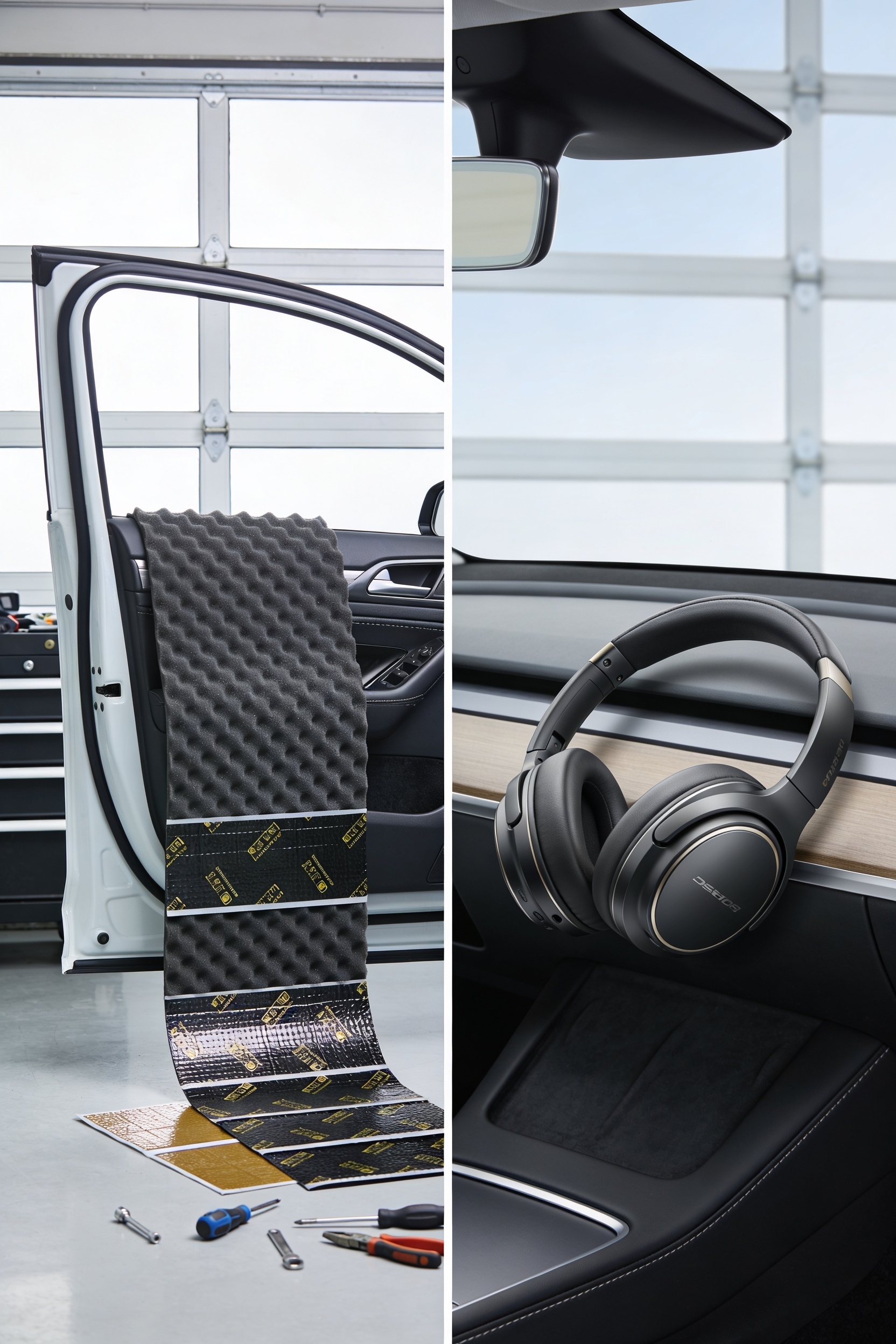
Sound deadening and noise canceling sound like they do the same thing, but they’re actually total opposites. Sound deadening uses physical materials—foam panels and special mats—that you stick on your car’s surfaces to absorb vibration and kill rattles. Noise canceling, though? That’s electronic. It uses microphones and algorithms to generate opposite sound waves that cancel out noise before it reaches your ears. One’s passive, one’s active. One’s permanent, one needs power. Stick around to find out which one actually solves your specific car noise problem.
Key Takeaways
- Sound deadening uses passive foam and damping mats to absorb vibration; noise canceling uses electronics to generate opposing sound waves.
- Sound deadening requires no power and provides permanent results; noise canceling needs batteries and ongoing maintenance or charging costs.
- Sound deadening treats physical surfaces and spaces; noise canceling treats sound perception through destructive interference at the listener’s ear.
- Noise canceling works best against constant low-frequency sounds like engine rumble; sound deadening handles mid and high-frequency rattles effectively.
- Combining both methods creates superior noise reduction by addressing structural vibration and low-frequency rumble simultaneously in vehicles.
What’s the Core Difference Between Sound Deadening and Noise Canceling?
Two totally different approaches to quieting things down—that’s what you’re really looking at here. Sound deadening and noise canceling sound like the same thing, but they’re actually working against noise in completely opposite ways. Sound deadening uses material science—think foam panels and special mats—to physically absorb vibrations inside your car. It’s passive, meaning it just sits there doing its job without needing power. Noise canceling, though, relies on perception psychology and electronics. It listens to outside noise, then generates anti-noise to cancel it out. I mean, one’s all about treating your actual space with materials, while the other’s about tricking your ears with sound waves. Pretty wild when you think about it. Proper maintenance and care of sound deadening materials, similar to how microfiber materials require appropriate storage in cool, dry places, helps preserve their acoustic performance over time.
How Sound Deadening Works
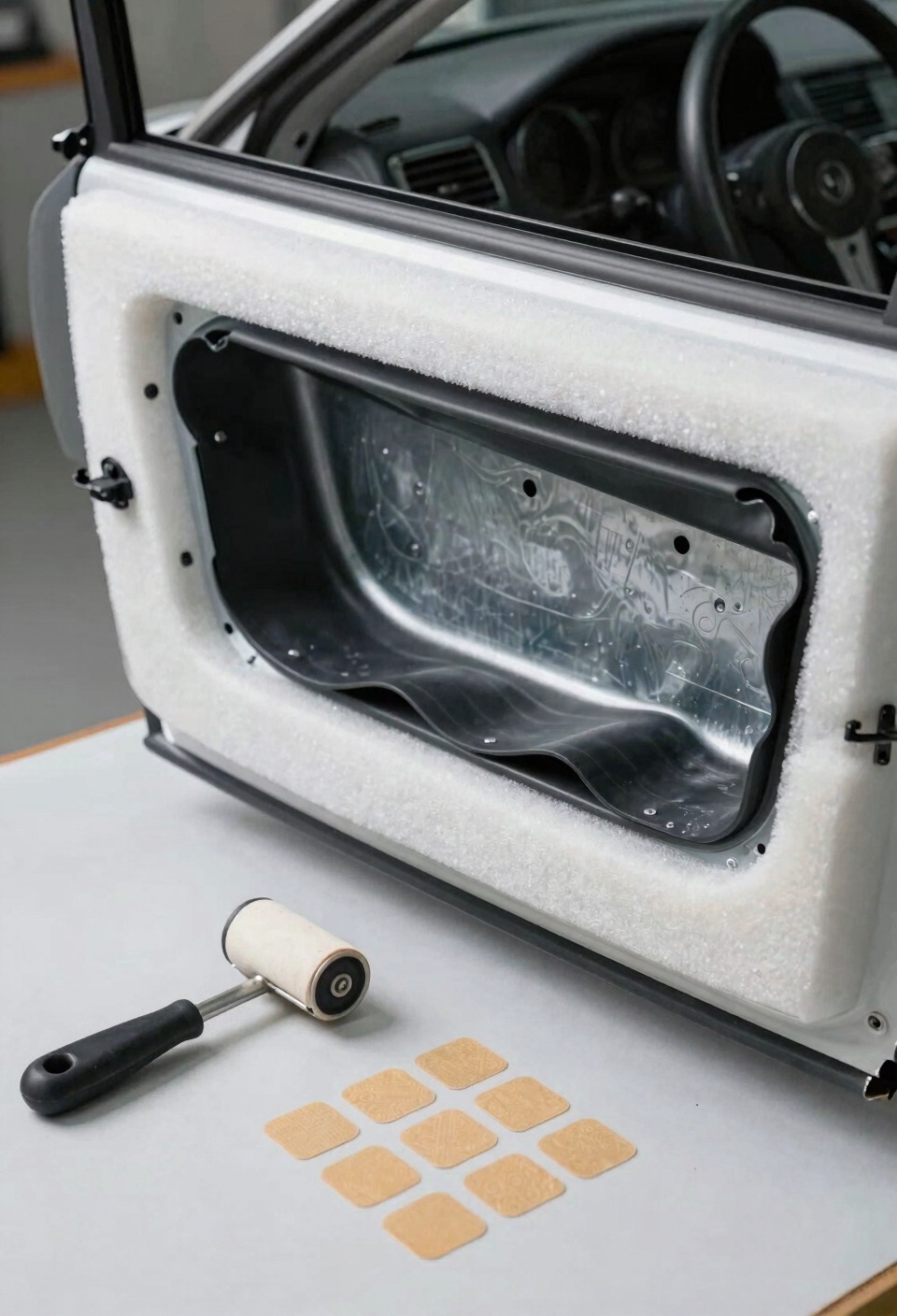
Imagine this: you’re driving down the highway and your car’s doing that annoying vibration thing where the door panel rattles every time the bass hits. That’s where sound deadening comes in. I’m talking about materials like foam panels and butyl-based damping mats that you apply to your car’s surfaces. Here’s what they do—they absorb vibration energy instead of letting it bounce around and create noise. When sound waves hit these materials, they basically get trapped and converted into heat. It’s vibration damping in action. By controlling panel resonance, sound deadening stops those annoying rattles and reduces echo inside your car. You’re not fighting noise with electronics; you’re physically treating the space itself. Much like how UV-resistant protective coatings preserve carbon fiber accessories from sun damage, sound deadening materials benefit from proper installation to maintain their noise-absorbing properties over time. Pretty straightforward, right?
How Noise Canceling Works

While sound deadening fights noise by absorbing vibrations in your car’s panels, noise canceling takes a totally different approach—it’s all about electronics and something called destructive interference. Here’s the wild part: your headphones or earbuds have tiny microphones that listen to outside noise in real time. Adaptive algorithms—basically smart computer programs—analyze what they’re hearing and instantly create an opposite sound wave. When these two waves meet, they cancel each other out. It’s like they’re fighting and neutralizing one another. The trick is microphone placement. If those mics aren’t positioned right, the whole system fails. That’s why noise canceling works best against constant, low-frequency sounds like airplane engines. For car audio installations, proper wiring harness selection ensures your aftermarket head unit integrates seamlessly with your vehicle’s existing systems, allowing noise canceling features to function optimally without interference.
Comparing Sound Deadening and Noise Canceling
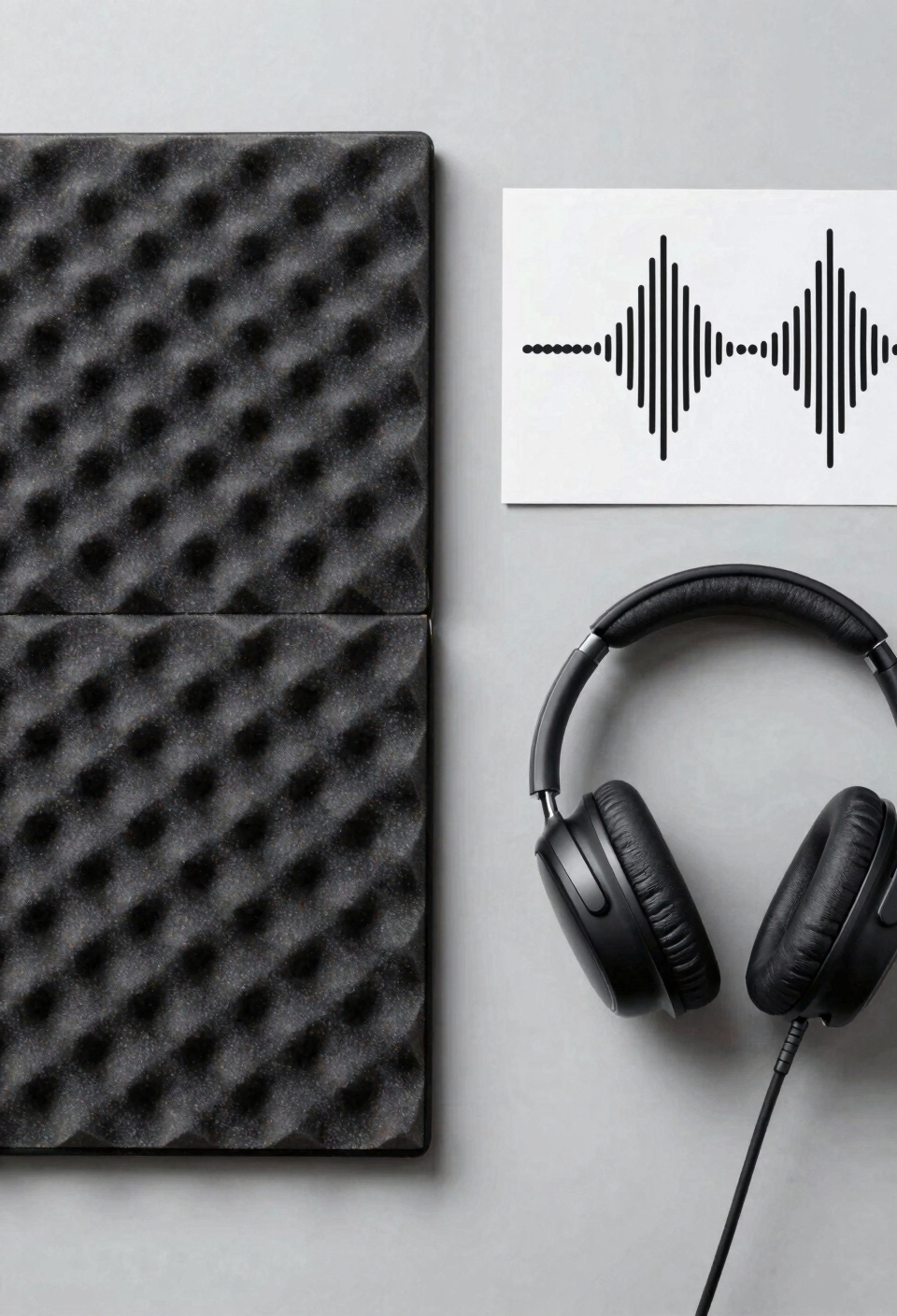
Now that you understand how noise canceling actually works—all those tiny microphones and fancy algorithms doing their thing—it’s time to figure out which approach is right for you. Here’s the real difference: sound deadening physically treats your car’s interior acoustics by absorbing vibrations and reflections, while noise canceling uses electronics to cancel out external sounds. Think of it this way—sound deadening stops noise from bouncing around inside your car, improving how you psychoacoustic perception of the space feels quieter overall. Noise canceling, meanwhile, actively fights incoming noise through opposing sound waves. One doesn’t need electricity; the other does. You’re basically choosing between permanent physical solutions and active electronic ones. For your car, they actually work great together. Quality power distribution blocks and proper wiring ensure your noise canceling system receives stable power without interruption or interference.
Recommended Products

THICKNESS UPGRADE: Made of 15mm Thick Engine Sound Insulation Material with self-adhesive backing that is waterproof and flame retardant and reduces engine noise and heat transfer to the cab floor

RADIANT HEAT SHIELD: Aluminum foil-faced fiberglass fabric is 98% reflective and applied to the top of our insulating hydrophobic melamine foam and pressure sensitive adhesive backing.

590mil(5/8inch) Sound Deadening Mat: BuyUneed sound deadener mat consists of three layers materials. In particular, the high-density flame retardant foam layer and thick aluminum layer are more suitable for bonnet sound&heat insulation in cars or trucks
Why Low-Frequency Noise Demands Active Systems Over Passive Materials
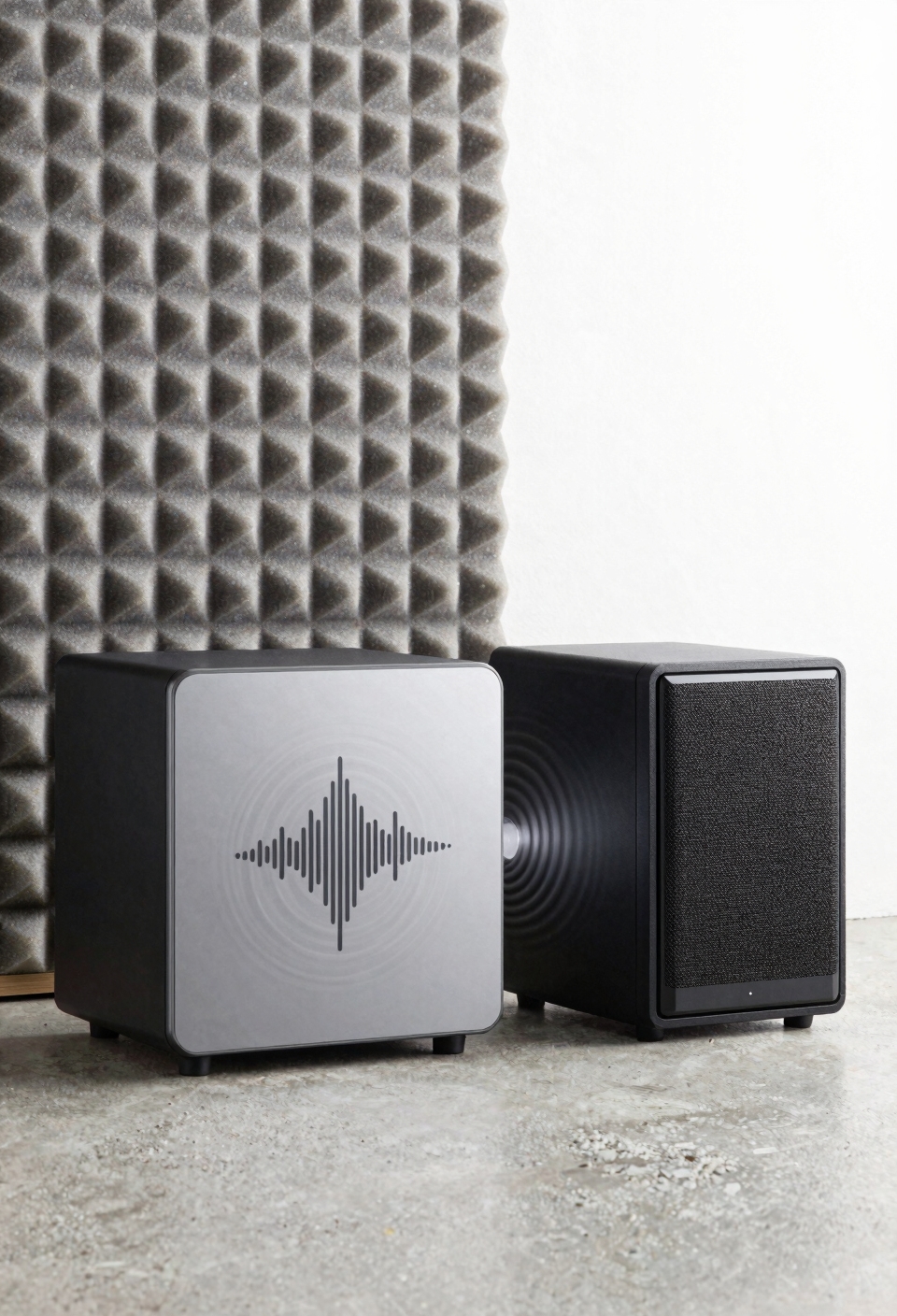
Ever notice how the bass from a truck passing by seems to shake your entire car, even though you’ve got sound deadening material everywhere? Yeah, that’s the thing about low-frequency noise—it’s basically a bully that regular foam and mats can’t handle alone.
Here’s why: low-frequency sound waves are long and powerful, so they just blast right through passive materials. You’d need insanely thick layers to stop them, which isn’t practical. That’s where active bass systems come in. They use microphones and adaptive filters that actually listen to incoming noise and create opposing sound waves to cancel it out.
Think of it like this: passive materials are bouncers at a door, but active systems are bodyguards who anticipate attacks. For low-frequency rumble, you really need that smart technology working for you. Additionally, power distribution systems can help ensure your active noise cancellation equipment receives stable, consistent voltage for optimal performance without audio noise interference.
Sound Deadening for Vehicles, Homes, and Walls
So here’s the thing—sound deadening materials are actually pretty amazing once you know where to use them, and they’re not just for fixing that annoying bass problem we talked about. I mean, vehicle insulation in your car works because those materials absorb vibrations before they bounce around inside. You’re basically stopping rattles and road noise at the source. Now, wall treatment in your home follows the same idea—foam panels or special mats catch sound energy instead of letting it bounce off surfaces and echo everywhere. Whether you’re upgrading your car’s doors or treating a bedroom wall, you’re using the same principle: physical materials that trap vibrations. It’s passive, it’s permanent, and honestly, it just works without needing batteries or anything complicated. For added interior protection and aesthetics, many car owners also install carbon fiber interior trim alongside sound deadening materials to enhance their vehicle’s cabin while maintaining acoustic performance.
Recommended Products

THICKNESS UPGRADE: Made of 10mm Thick Engine Sound Insulation Material with self-adhesive backing that is waterproof and flame retardant and reduces engine noise and heat transfer to the cab floor

Buyuneed 15mm Closed Foam Sound Deadener Material Specification: Nominal thickness 590 mil/15 mm(5/8 inch); Total coverage area of 105 sqft;Nominal sheet size 382 x 40 inches.Working temperature range: -30°F~300°F;ROLL PACKAGING;15mm closed cell foam sound deadening road noise dampening

The Ultimate Floor Liner: A waterproof carpet replacement, DynaDeck will upgrade your ride experience; the 1/8” embossed vinyl layer with the 1/4” Dynaliner layer combine to stop noise and heat transfer through the floor – ideal for use in boats, RVs, trucks, jeeps and vintage sports cars
Noise Canceling for Personal Audio and Headphones
While sound deadening treats the space around you, noise canceling does something totally different—it fights back against the noise trying to reach your ears. I’m sure you’ve seen those fancy headphones or earbuds with noise canceling features, right? Here’s how they actually work: tiny microphones pick up outside noise, then the device creates an opposite sound wave that basically cancels it out. It’s pretty wild. Now, the catch is that battery life matters a lot—your headphones won’t cancel anything without power. Plus, ear fit and mic placement are vital; if they don’t sit right, the cancellation fails. Wind noise can also mess things up during outdoor use, so they work best indoors or in steady environments. For a more immersive audio experience inside your vehicle, many enthusiasts pair noise canceling headphones with red LED ambient lighting to create a complete sensory upgrade.
Recommended Products

Fast & Accurate Detection: The VEVOR pipe water leak detector features 1Hz–10000Hz wide frequency range and a 1.64-16.4FT (0.5-5m) underground detection depth, effectively filtering out interference signals and accurately capturing the vibration frequencies caused by water leakage

STATE OF THE ART: The best of Bang & Olufsen. The latest and most advanced iteration of our ever-evolving technology and engineering expertise.

Elite Gaming Power: AMD Ryzen 7 7445HS Hexa-Core Processor (up to 4.7GHz) and NVIDIA GeForce RTX 4050 (6GB GDDR6) deliver ultra-smooth FPS for AAA games and creative work
Combining Both Methods: When It Makes Sense
If you really want your car to feel like a quiet sanctuary instead of a rolling echo chamber, here’s the thing—sound deadening treats your car’s physical surfaces with materials like foam and damping mats, while noise canceling uses electronics to zap unwanted noise. When you combine them through hybrid integration, you’re tackling noise from every angle. Material compatibility matters here—you’ll want products designed to work together without conflicting. Your interior gets quieter from both the structure itself and active noise reduction happening simultaneously. Consider using premium materials such as microfiber leather in your vehicle’s protective accessories, as quality materials contribute to overall acoustic performance and interior comfort. That’s the real power move for a genuinely peaceful drive.
Recommended Products

Reduces Unwanted Noise, Heat & Vibration: Dynamat Xtreme reduces road noise, stops speaker distortion, and blocks resonance & vibrations for doors, floors, panels, hoods & trunks; This pack contains 36 square feet of Dynamat Xtreme in nine 18” x 32” pieces, enough to cover a 2-door sedan

AUTOMOTIVE SOUND DEADENING MATERIAL: Damplifier Pro auto sound deadening material will eliminate metal rattles & vibration to stop structural noise, to give your vehicle a luxury feel. Used for car audio, hot rods, trucks, Jeeps, RVs, anything loud and metal

Reduces Unwanted Noise & Vibration: Dynamat Xtreme reduces road noise, stops speaker distortion, and blocks resonance & vibrations; this kit helps keeps noise out and your system’s sound in, letting your subwoofer perform at its best
Sound Deadening vs. Noise Canceling: Total Cost of Ownership
When you’re thinking about making your car quieter, money’s probably on your mind—and honestly, it should be, because these two approaches hit your wallet in totally different ways. Sound deadening requires upfront installation costs, which can range from a few hundred to over a thousand dollars depending on how much of your car you’re treating. But here’s the thing: once it’s in, you’re basically done. No batteries, no maintenance schedules, nothing. Noise canceling headphones or systems? Cheaper initially, sure, but you’re buying replacement batteries or dealing with charging constantly. I mean, you’ve got to factor that into your budget long-term. Sound deadening’s a one-time investment that just keeps working. Unlike sound deadening, custom-fit phone mounts and other BMW accessories also represent permanent installations that eliminate ongoing costs once properly fitted to your vehicle.
Recommended Products

AUTOMOTIVE SOUND DEADENING MATERIAL: Damplifier Pro auto sound deadening material will eliminate metal rattles & vibration to stop structural noise, to give your vehicle a luxury feel. Used for car audio, hot rods, trucks, Jeeps, RVs, anything loud and metal

3-Layer Composite Structure Automotive Sound Deadening Mat: Made of sound-deadening closed-cell foam with aluminum foil layer, self-adhesive backing. Effectively blocks out noise and heat in the cabin, roof, trunk, doors, hood and more
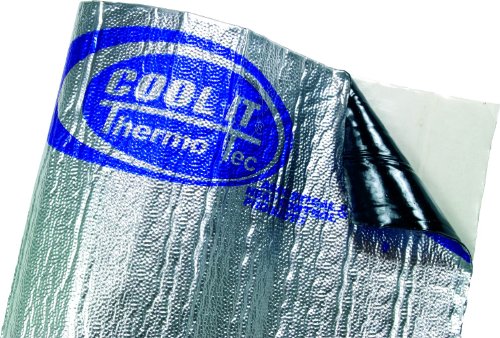
Thermo Tec 14620-36 The Suppressor Sound Dampening Control
Frequently Asked Questions
Can Sound Deadening Materials Be Removed or Replaced After Installation Without Damaging Surfaces?
I’d say it depends on your adhesive removal technique and surface compatibility. Most deadening materials peel off cleanly, though some residue may remain. I recommend testing a small area first to make certain you won’t damage underlying paint or finishes.
How Long Does Active Noise Canceling Battery Typically Last on a Single Charge?
I’d say most active noise canceling headphones last between 20-40 hours per charge, though it varies by model. Heavy use drains battery faster, and charge cycles gradually reduce lifespan over time.
Are There Health or Safety Concerns Associated With Prolonged Use of Noise Canceling Technology?
I’d argue that prolonged noise canceling use isn’t risk-free. You might experience hearing fatigue and uncomfortable pressure sensations in your ears. I’d recommend taking regular breaks to let your ears rest and recover.
What Environmental Factors Affect the Performance of Both Sound Deadening and Noise Canceling Systems?
I’ve found that room acoustics markedly impact both systems—hard surfaces amplify sound deadening’s challenges, while temperature effects can degrade noise canceling’s battery performance and material flexibility, reducing their overall effectiveness.
Can Sound Deadening Materials Be Used in Rental Properties or Temporary Installations?
Sure, you can use sound deadening in rentals—if you don’t mind losing your deposit! I’d recommend removable panels and temporary partitions instead. They’re adhesive-backed or freestanding, so you’ll actually get your security back.
Conclusion
So here’s the thing—you’re basically choosing between two different superpowers. Sound deadening is your passive bodyguard, absorbing noise before it even reaches you. Noise canceling is your active ninja, fighting sound waves head-to-head. Want the ultimate quiet car ride? Honestly, why not use both? Combine them, and you’ve got a fortress of peace rolling down the highway.