As an Amazon Associate, we earn from qualifying purchases. Some links on this site are affiliate links at no extra cost to you. Our recommendations are based on thorough research and editorial judgment.

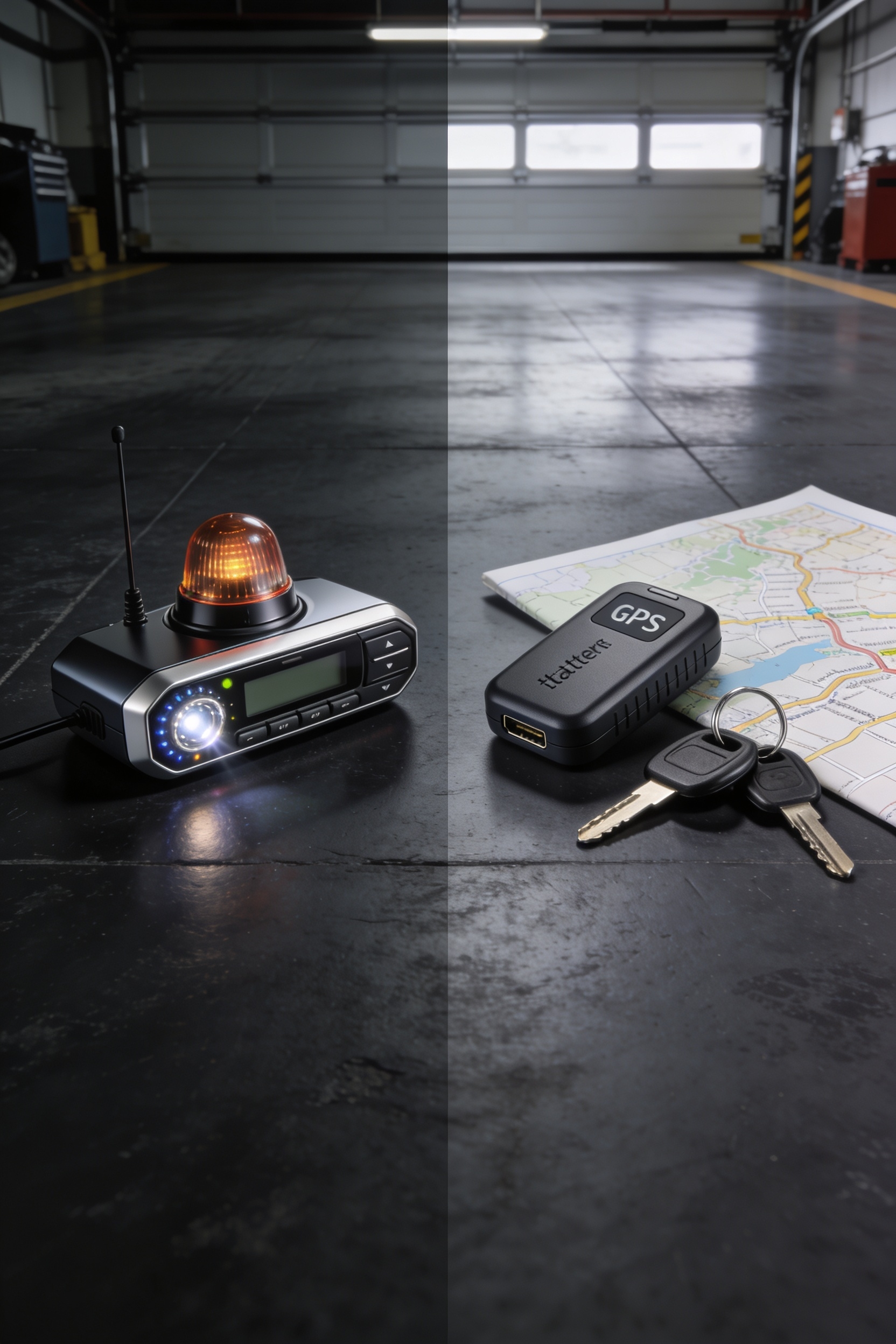
Smart Car Alarms vs GPS Trackers: What Each One Prevents

Car alarms blast sirens and lights to scare off thieves trying to break in right then and there—they’re your first line of defense against quick opportunistic thieves. GPS trackers, though? They keep tabs on your car’s location even after it’s gone, catching silent thefts like key fob cloning or towing that alarms totally miss. Honestly, you’re better off using both together—one stops the theft before it happens, the other hunts your car down if someone actually manages to steal it. Combining them gives you coverage most thieves can’t outsmart.
Key Takeaways
- Smart car alarms deter opportunistic thieves through loud sirens and flashing lights, preventing quick break-ins and forced entries.
- GPS trackers detect silent intrusions like key fob cloning and ignition hacking that bypass traditional alarm systems entirely.
- Alarms stop immediate theft attempts but become ineffective once vehicles are driven away or stolen silently.
- GPS trackers catch vehicle movement, towing, and electrical tampering that alarms may miss or fail to prevent.
- Layered security combining alarms for deterrence and trackers for recovery provides comprehensive protection against various theft methods.
What Alarms Actually Prevent
Ever wonder why some cars have those flashing lights and ear-splitting sirens that go off in parking lots? Here’s the thing: car alarms are basically your vehicle’s first line of defense against theft. When someone tries to break in or smash a window, that loud noise and those bright lights startle the intruder and grab attention from nearby people. It’s like having a security guard who yells really, really loud.
Now, I’ll be honest—alarms aren’t perfect. They’re fantastic at stopping opportunistic thieves, the ones looking for an easy target. But they’ve got limitations. False positives happen all the time (a strong wind setting it off), which actually hurts user education because people stop taking them seriously. For comprehensive vehicle protection, consider pairing alarms with fusing and short-circuit protection mechanisms that safeguard your car’s electrical systems from tampering. Alarms work best as your first layer of protection, not your only one.
How GPS Trackers Win After Theft
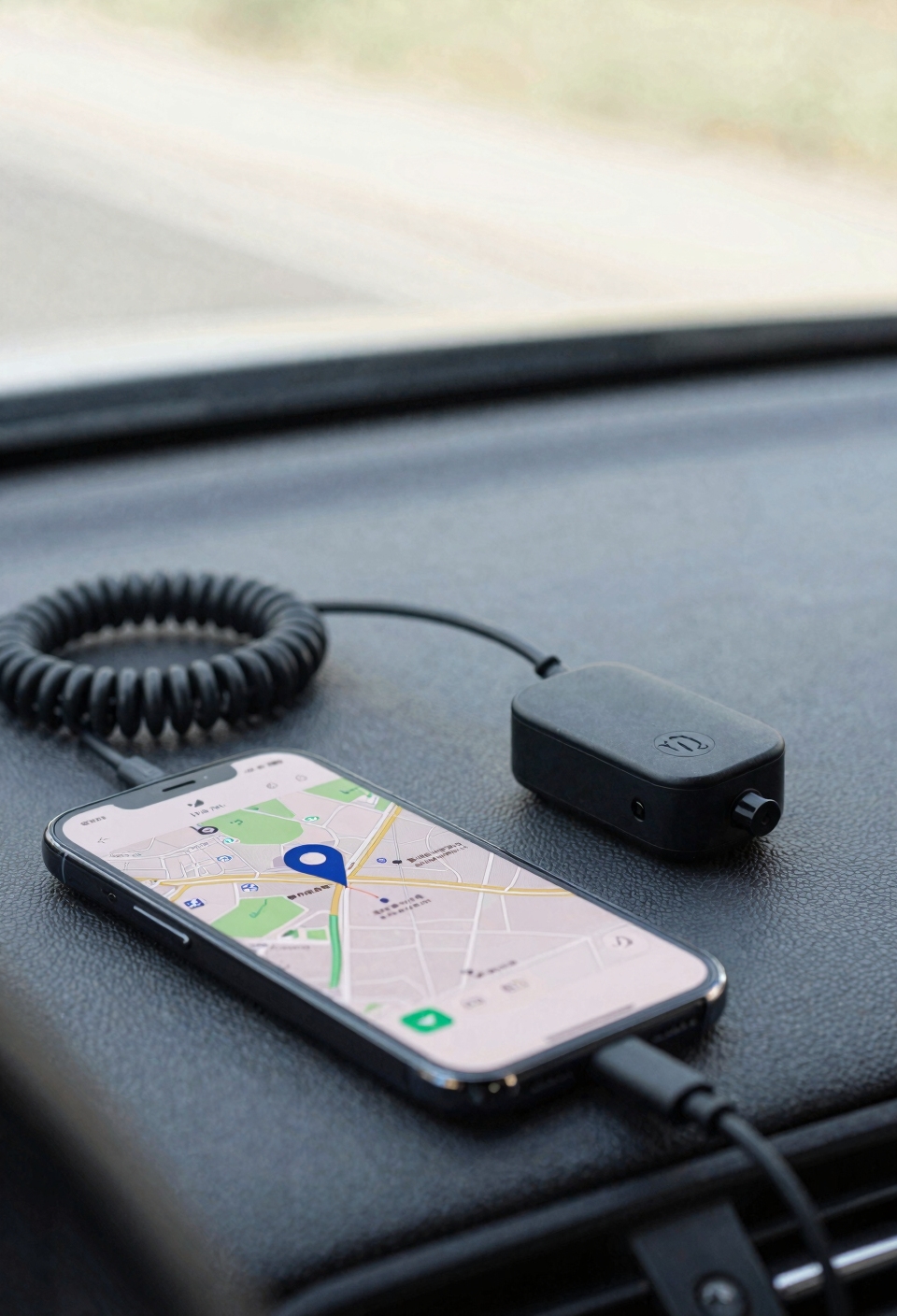
Here’s the thing about alarms—they’re great at stopping a thief *before* they drive away, but what happens once your car’s already gone? That’s where GPS trackers completely change the game. While an alarm can’t do much after someone’s peeled out of the parking lot, a tracker’s working overtime. You’re getting real-time location data that you can share directly with law enforcement, which seriously boosts your chances of actually getting your car back. I mean, police can’t recover what they can’t find, right? Post theft tracking gives you and the cops a live map of exactly where your vehicle is heading. It’s the difference between losing your car forever and having a genuine shot at recovery. Just like professional haulers rely on safety and visibility standards to protect their cargo during transport, GPS trackers provide the real-time oversight needed to protect your vehicle after theft. That’s the real win.
Where They Differ: Motion, Towing, and Silent Theft
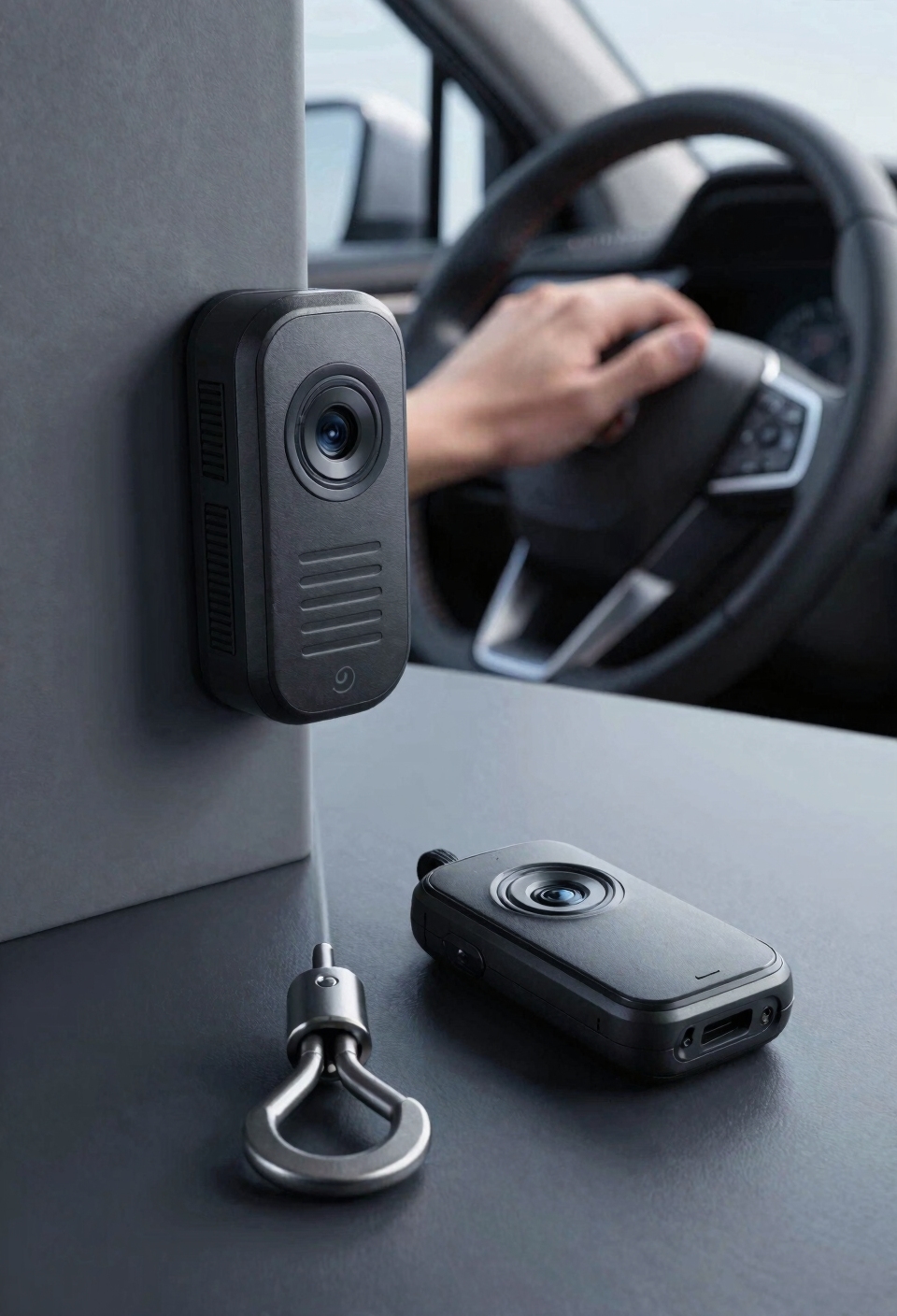
While an alarm blares when someone smashes your window, it’s basically useless the moment your car rolls away—especially if the theft happens quietly. Here’s where GPS trackers totally change the game. You get motion alerts that ping you the second your car moves, even if nobody’s forcing entry. Tow detection catches it if someone’s hauling your vehicle away on a flatbed—something an alarm won’t catch at all. Silent intrusion is the real problem alarms miss. A thief using a key fob clone or hacking the ignition system won’t trigger anything loud. That’s where covert tracking shines. Your GPS tracker quietly follows every movement, building proof of exactly what happened and where your car went. No drama, no noise—just solid evidence. Unlike factory radio systems that can be vulnerable to bypass methods, modern GPS trackers operate independently and continue reporting location data even if a thief attempts to disable electrical systems.
Which One Fits Your Situation (or Why You Need Both)?
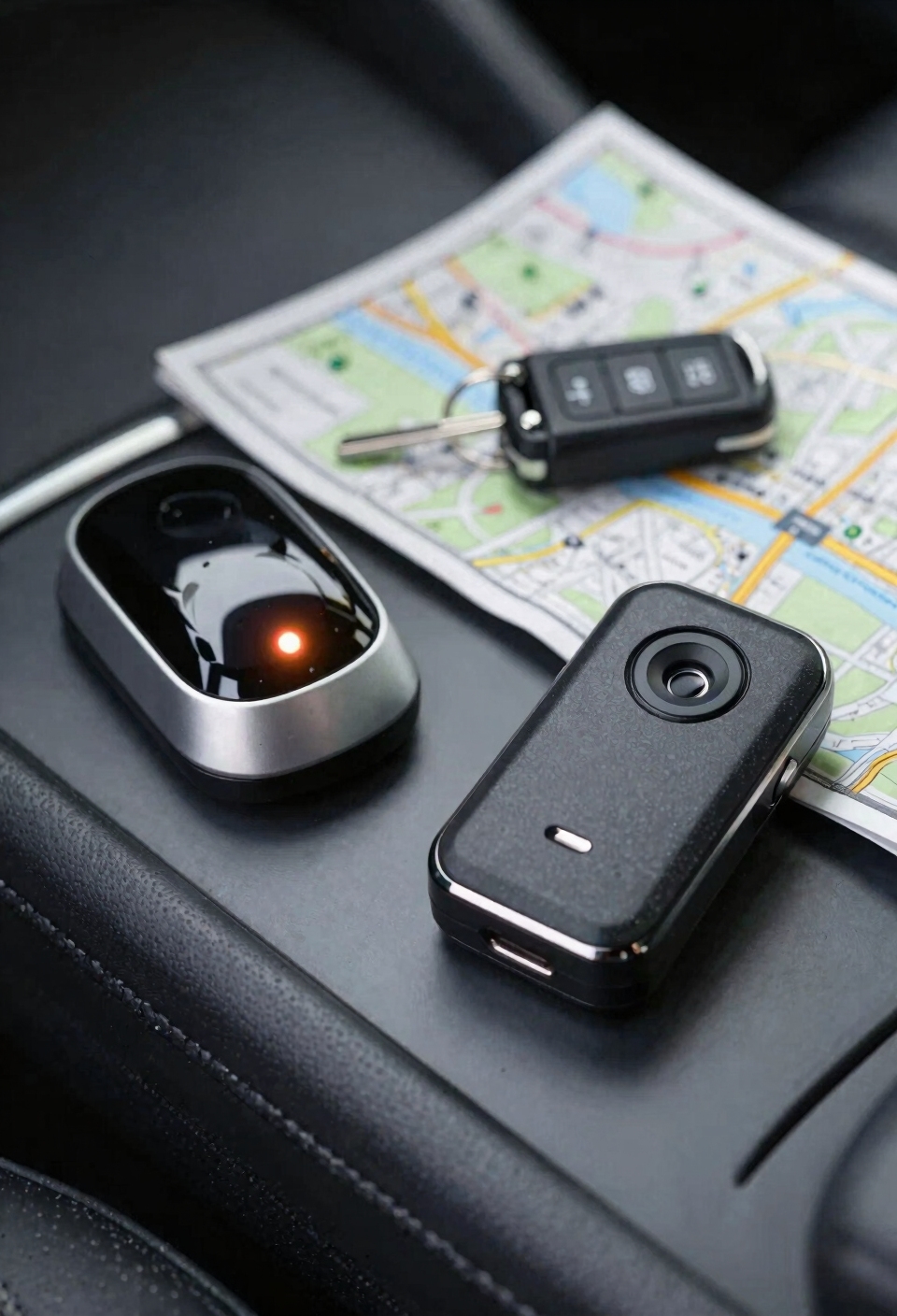
The thing is, knowing all the differences between alarms and trackers doesn’t automatically tell you what *you* actually need—and that depends on who you are and what you’re worried about. If you’re a student with a used car parked at school, an alarm might be your best move for stopping quick break-ins. But if your parents run a delivery business, a GPS tracker gives them driver accountability and shows where everyone’s going. Here’s the real talk: insurance benefits sometimes kick in when you’ve got a tracker installed, which can actually lower your premiums. Honestly? The smartest move is combining both. An alarm catches thieves at the moment, while a tracker brings your car home if they succeed anyway. For those looking to upgrade their vehicle’s security systems, pairing these technologies with modern head units featuring voice control features can enhance your ability to monitor alerts while driving safely.
Combining Alarms and Trackers for Complete Protection
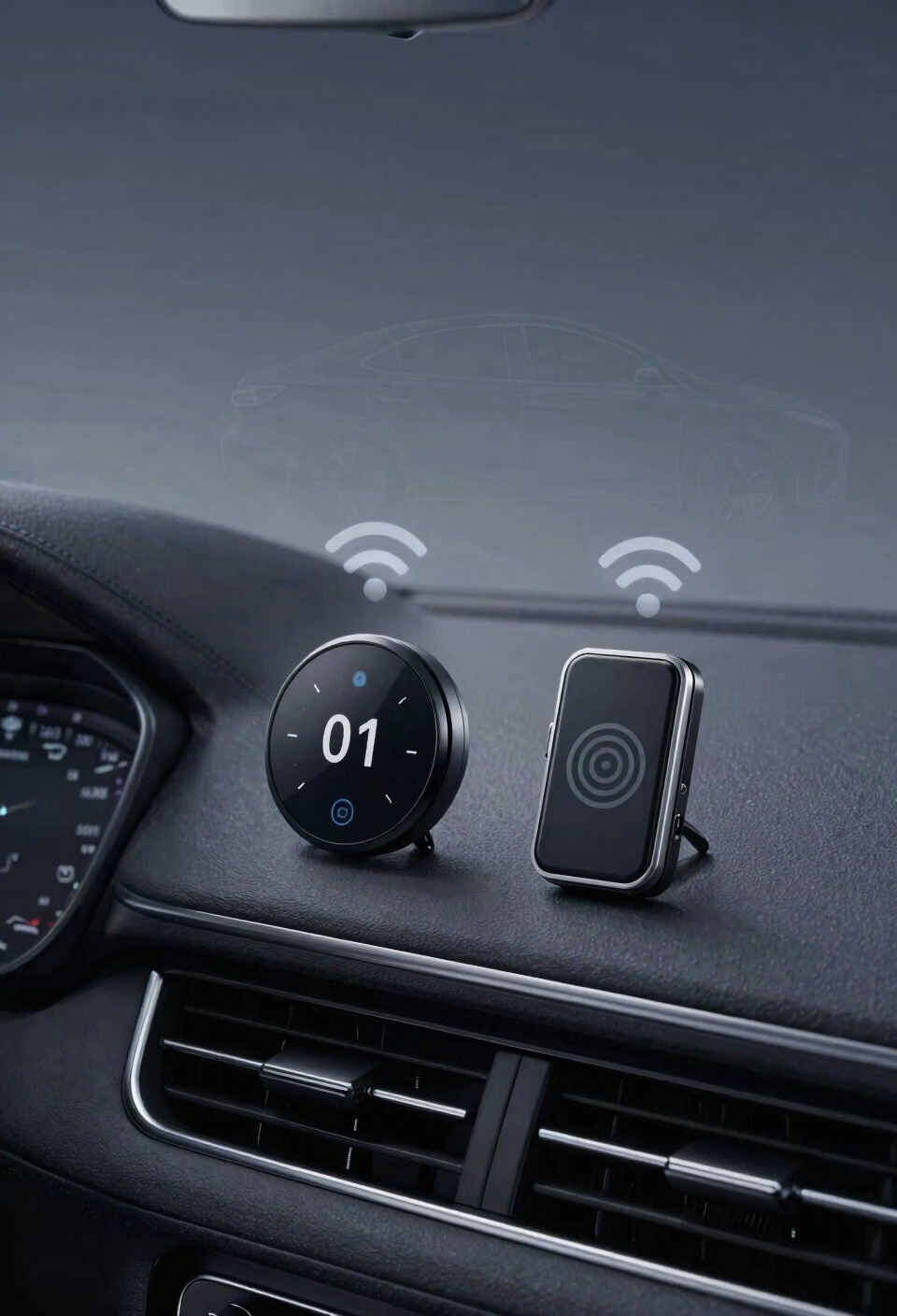
Think of it like this: your alarm is the first line of defense, making noise and drawing attention. Your tracker is your backup plan, using sensor fusion technology to monitor location and movement even if someone ignores the alarm. Plus, having both systems installed can actually score you insurance discounts—insurers love that you’re serious about security. You’re basically telling thieves, “Not today.” When selecting security accessories, remember to verify compliance with local, state, and federal safety standards to ensure your alarm and tracker systems won’t create legal issues in your jurisdiction.
Frequently Asked Questions
Do Car Alarms and GPS Trackers Drain My Vehicle’s Battery?
I’ve found that both systems use minimal power and rarely drain your battery under normal conditions. However, installation location matters—hardwired systems draw more consistently than battery-powered trackers, so your vehicle’s electrical system determines the actual impact.
How Much Do GPS Trackers Cost Compared to Traditional Car Alarms?
Car alarms are your wallet’s first line of defense—they’re cheaper upfront. I’d say alarms run lower price ranges, while GPS trackers demand monthly subscription costs that stack up over time, making trackers the pricier long-term investment.
Can GPS Trackers Work Internationally if My Car Is Stolen Abroad?
Yes, some GPS trackers’ll work internationally through cellular roaming. I’d recommend checking your tracker’s roaming issues before traveling abroad, since coverage varies by provider and country. International coverage can help you recover your vehicle across borders.
Are Modern Car Alarms Effective Against Sophisticated Thieves Using Advanced Tools?
Modern alarms won’t stop determined thieves—studies show relay attacks exploit keyless entry in seconds. I’d tell you signal jamming bypasses traditional systems entirely. You’ll need GPS tracking for real recovery protection.
What Maintenance Do GPS Trackers and Alarms Require Over Time?
I’ll tell you that alarms need minimal upkeep—occasional battery checks suffice. GPS trackers demand more: regular battery checks, firmware updates, SIM swaps, and antenna inspections to maintain reliable tracking performance.
Conclusion
Look, here’s the thing: alarms and GPS trackers are like having a security guard and a bloodhound. Your alarm stops thieves before they leave the parking lot, but your tracker hunts them down if they do. You’re probably thinking you need both—and honestly, you’re right. Together, they cover every angle. One prevents the crime, one solves it. That’s your best defense.