As an Amazon Associate, we earn from qualifying purchases. Some links on this site are affiliate links at no extra cost to you. Our recommendations are based on thorough research and editorial judgment.

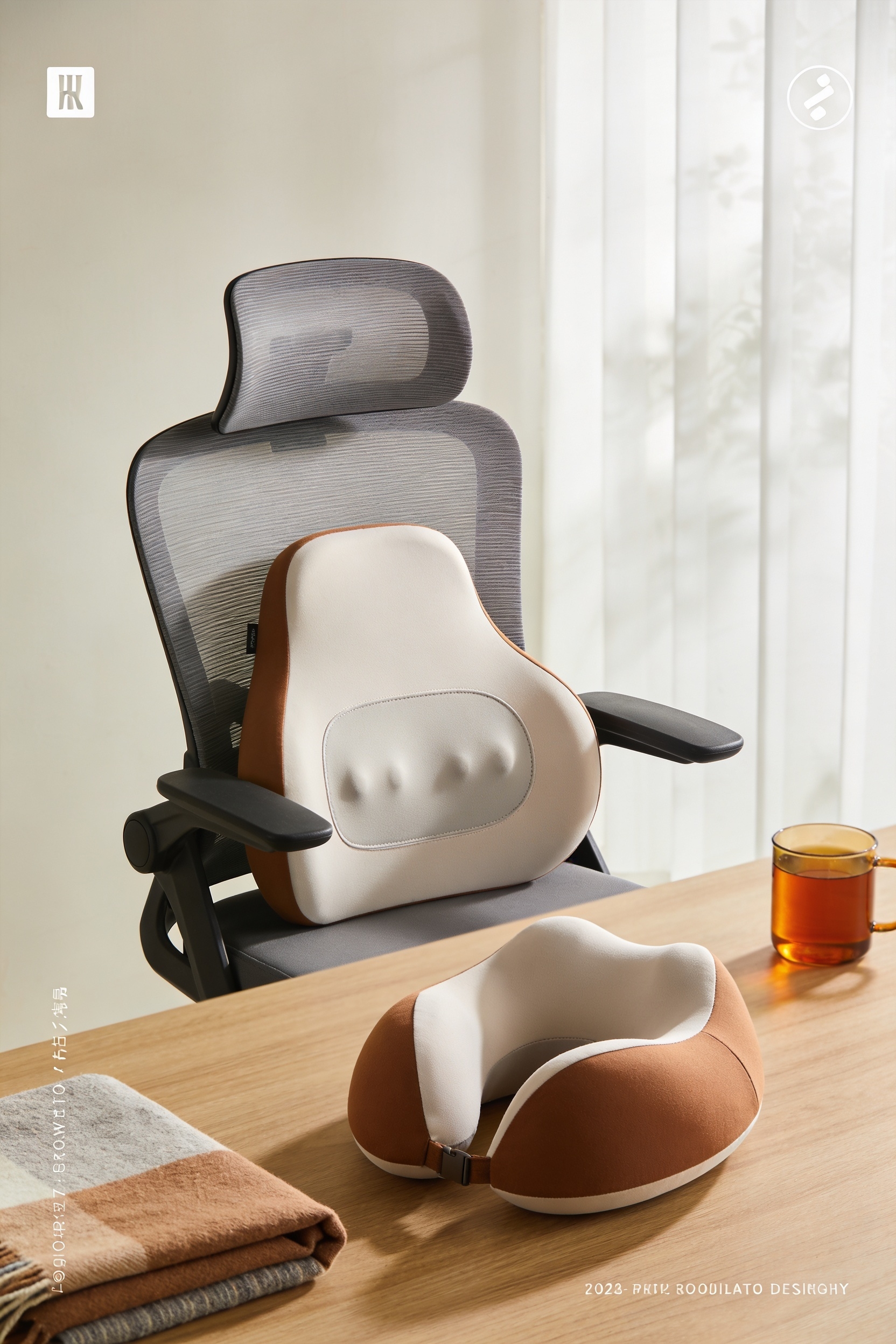
Neck Pillow vs Lumbar Support: Which Reduces Back Pain?

comfort doesn’t always mean pain relief. Sometimes the firm stuff feels awkward at first but actually fixes your posture. Stick around to figure out which one matches your body.
Key Takeaways
- Lumbar support directly reduces back pain by maintaining lower spine curve and reducing pelvic tilt during sitting.
- Neck pillows address cervical pain; lumbar support addresses lower back pain—identify pain source first for proper selection.
- Lumbar support prevents stiffness during prolonged sitting; neck pillows maintain cervical alignment during sleep and driving.
- Firm lumbar support may feel uncomfortable initially but delivers real pain relief after adaptation to proper alignment.
- Combining both neck and lumbar support optimizes posture during sleep and driving for comprehensive spinal protection.
What Sleeping Position Do You Have?
your sleeping position is basically the foundation for whether a pillow’s actually going to help your back or just make things worse. I mean, think about it like this—your sleeping habits and mattress type work together, right? They’re a team. If you’re a side sleeper, you need firm pillows at least five inches thick to fill the gap between your head and shoulders. Back sleepers? You want medium-firm pillows measuring three to five inches to keep your neck aligned naturally. Stomach sleepers need thin, soft pillows under three inches to avoid straining your neck. For added comfort during longer drives or extended rest periods, consider pairing your pillow selection with ergonomic seat support designed to maintain proper spine alignment. Basically, before you even think about buying a lumbar support or neck pillow, figure out how you actually sleep. That’s your starting point.
Does Your Pain Stem From Lumbar or Cervical Issues?
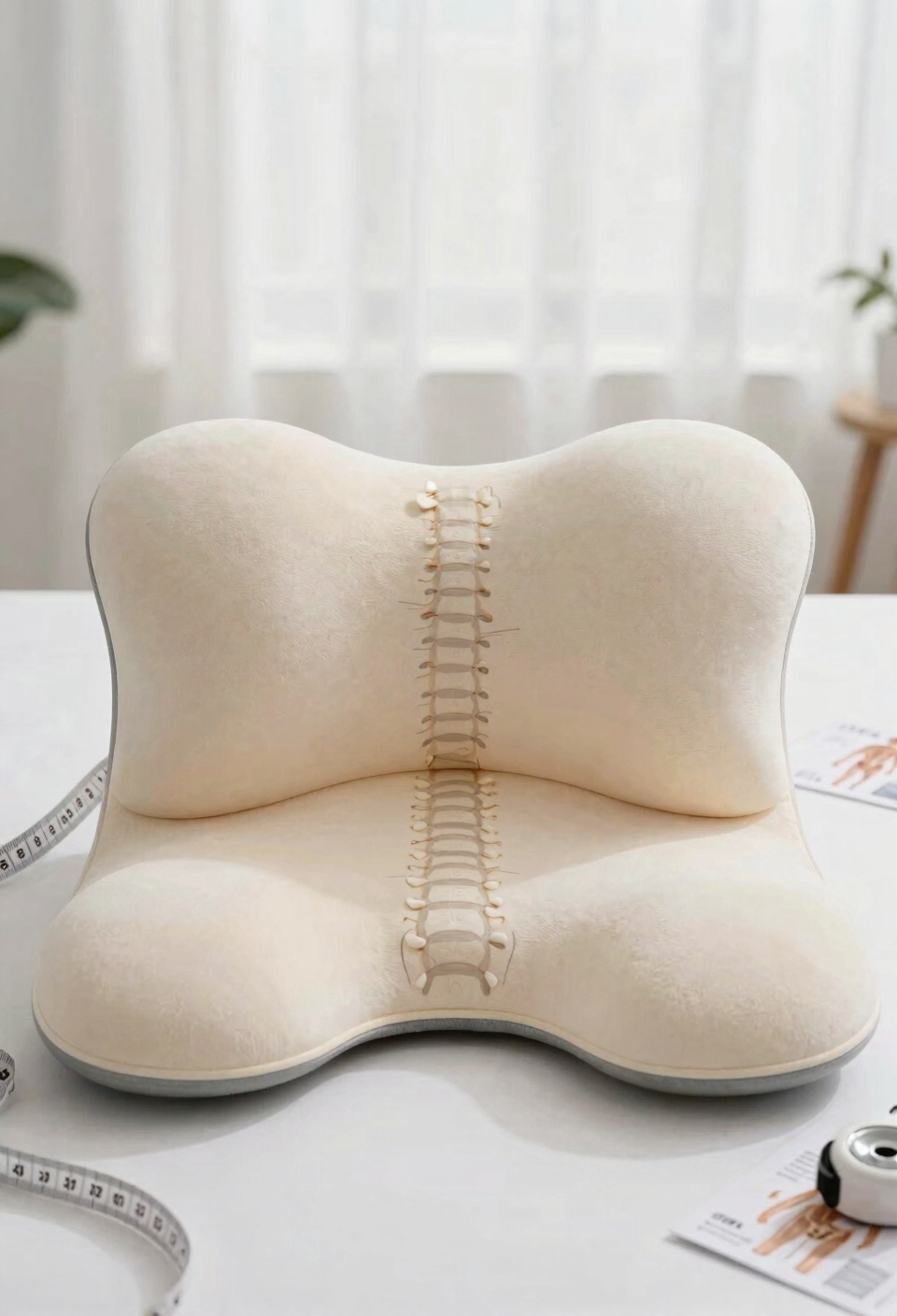
Before you drop money on a pillow, you’ve got to figure out where your pain’s actually coming from—and I mean the real source, not just where it hurts. Here’s the thing: your neck pain and lower back pain need totally different solutions, kind of like how a car’s engine problems need different fixes than suspension issues.
To discern cause, you’ll want to pay attention to *when* you hurt. Does your neck feel stiff in the morning? That’s cervical. Lower back aching after sitting? That’s lumbar. Some people benefit from diagnostic tests like X-rays if it’s serious. I’m telling you, nailing down whether it’s your cervical spine or lumbar region changes everything about which pillow actually helps you. Just as ergonomic non-slip grips are essential for safe vehicle entry and exit, proper spinal support tailored to your specific pain source is crucial for long-term comfort and mobility.
How Lumbar Support Actually Affects Spinal Alignment
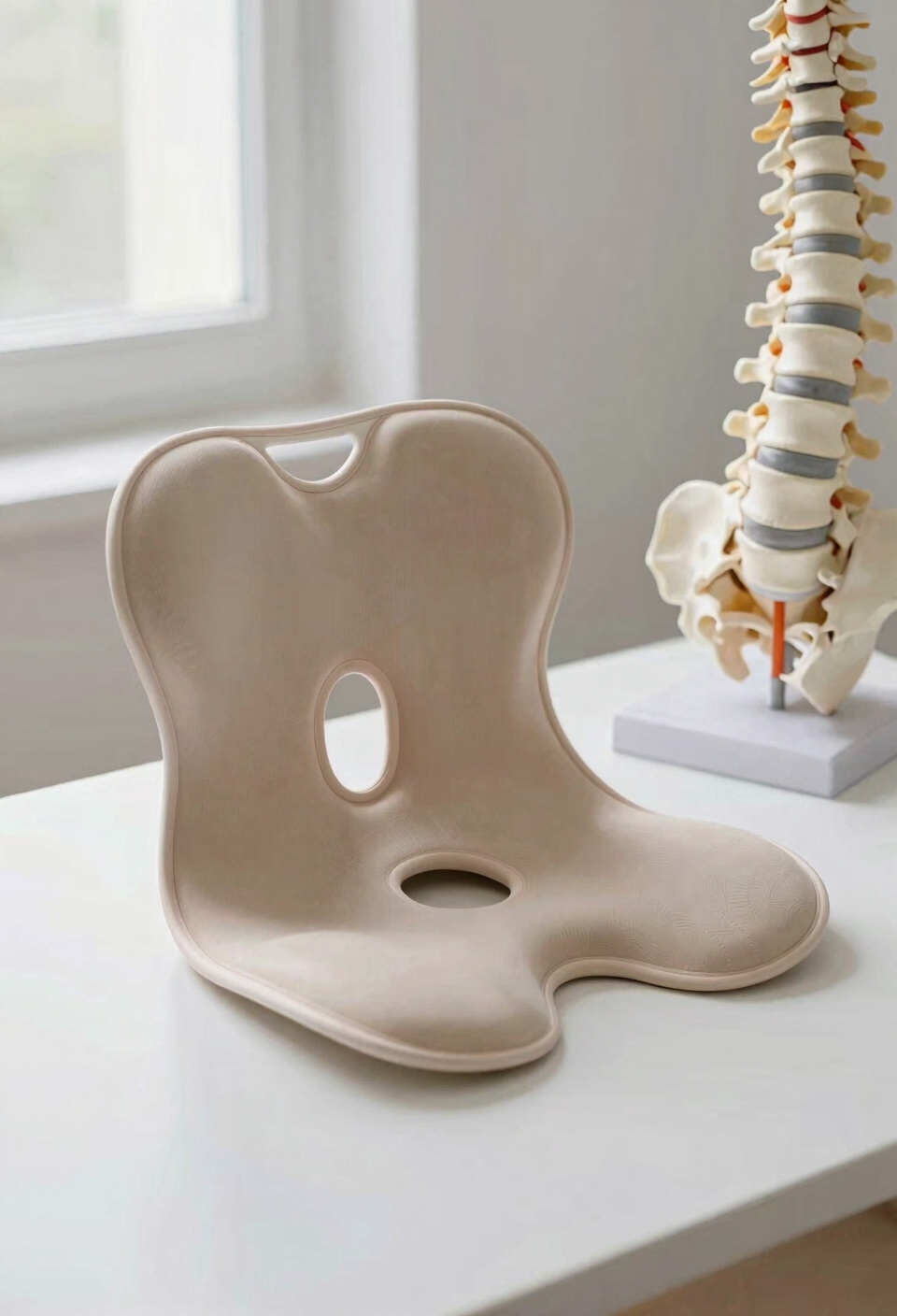
Think of your lower back like the suspension system in a car—when it’s not properly supported, everything else gets thrown out of whack. I’m sure you’ve noticed how a car with bad shocks handles terribly on bumpy roads. Your spine works the same way. When you use lumbar support, you’re fundamentally fine-tuning that suspension. The pillow reduces pelvic tilt, which keeps your lower back in its natural curve instead of flattening out. Now, here’s the thing: the support actually increases thoracolumbar curvature, meaning your entire mid-to-lower spine shifts position in complex ways. It’s not just straightening everything out like you’d expect. The changes are pretty small, honestly, but they help prevent spinal stiffness from building up during long sitting sessions. For those with mobility challenges, swivel seat cushions can further reduce twisting strain during vehicle transfers. That’s genuinely useful stuff.
Why Comfort Ratings Don’t Predict Pain Relief
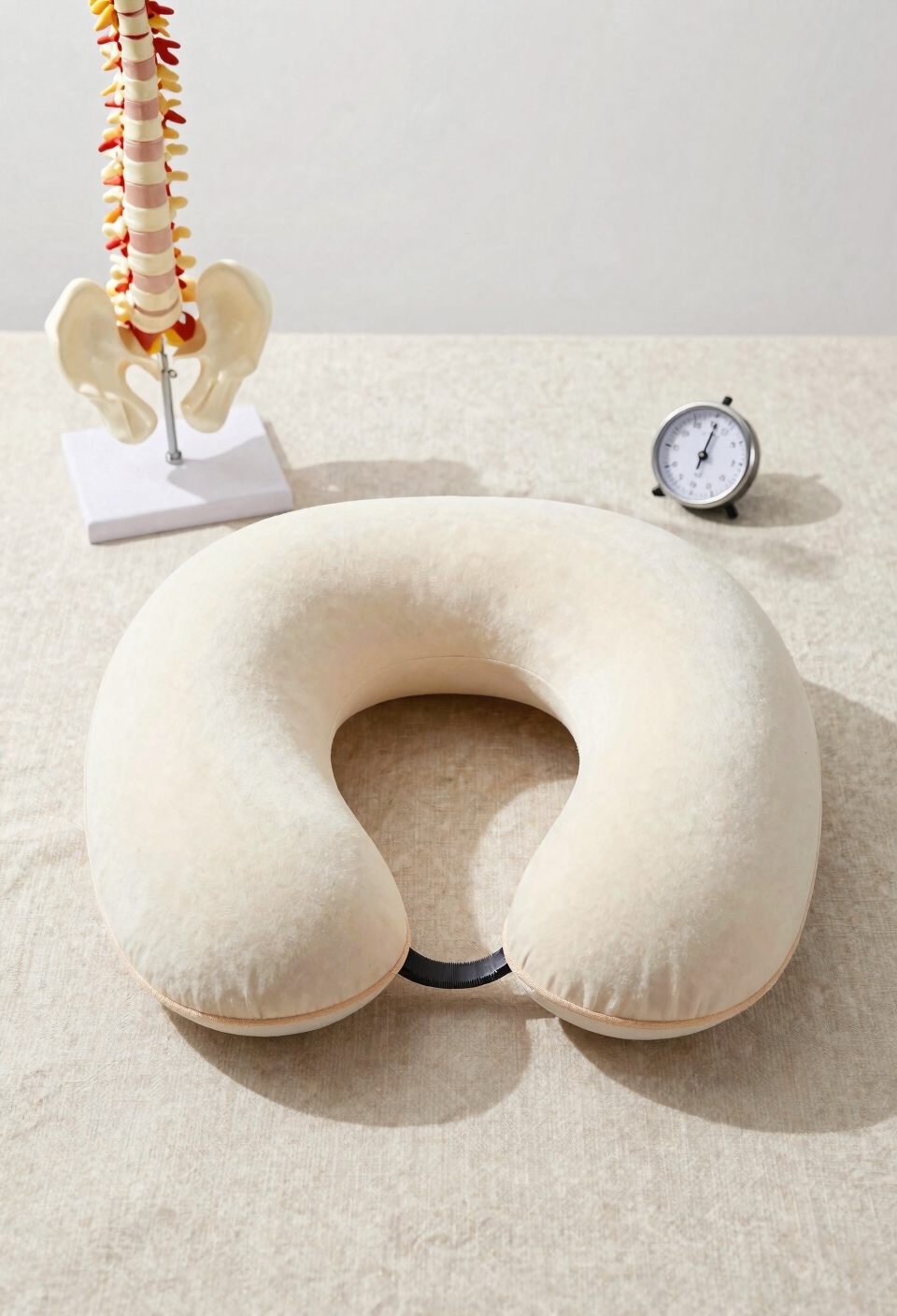
The plushest material looks and feels great initially, but the ones with proper lumbar support will actually make your back feel better during a long drive, even if they take a little getting used to. Here’s the thing—your perceived comfort isn’t always what your spine needs. You might sink into a super soft pillow and think “this is amazing,” but that’s sometimes just a placebo effect your brain’s playing on you. What actually matters is alignment, not fluffiness. I know it sounds weird, but firm pillows that seem uncomfortable at first often deliver real pain relief after a week or two. Your back doesn’t care if you *feel* cozy—it cares if you’re properly supported. Just as ergonomic cushioned non-slip grips are designed for proper hand positioning rather than maximum softness, your back support should prioritize structural alignment over initial comfort sensations.
Which Pillow Firmness Works Best for Your Needs?
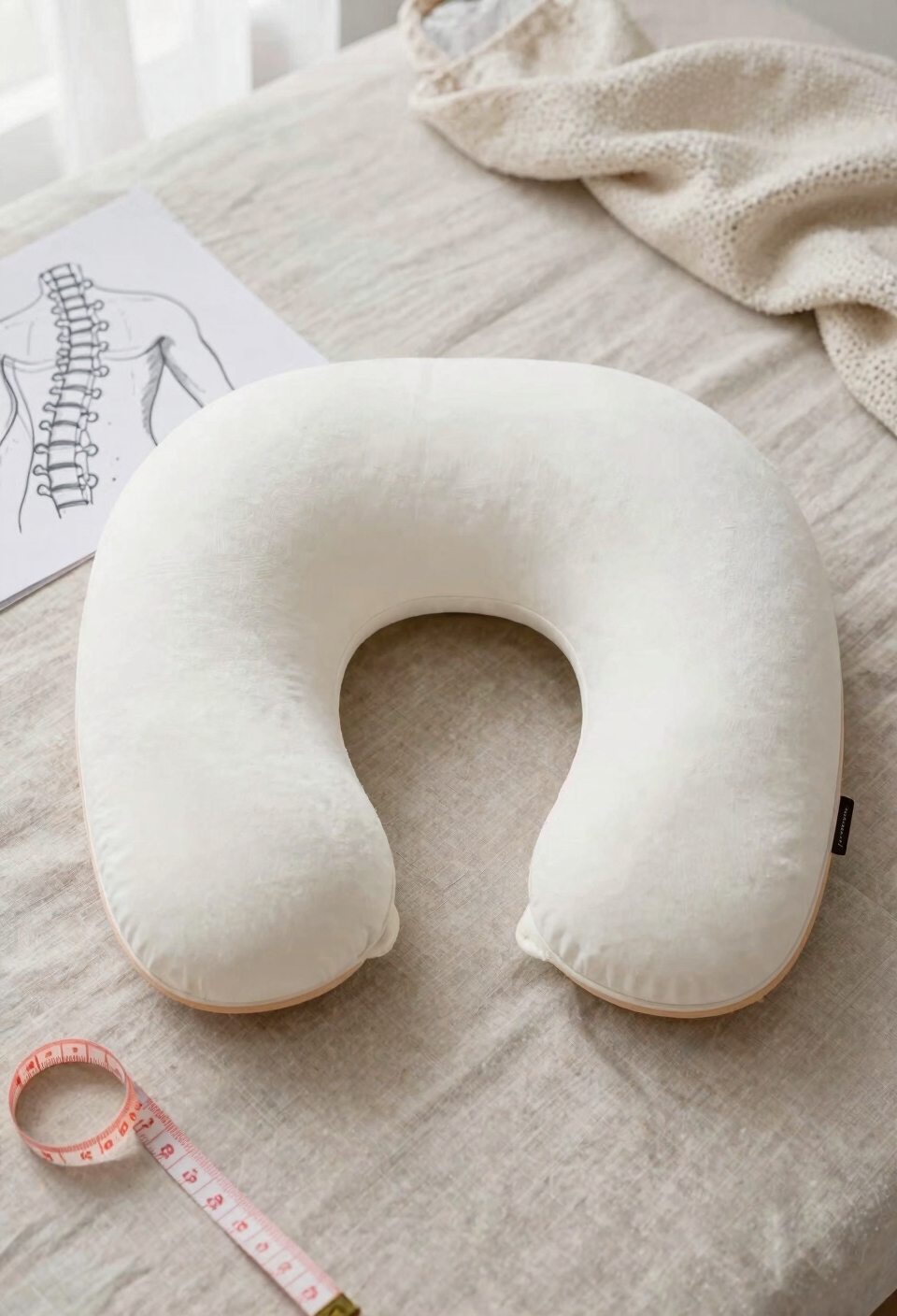
Now here’s where it gets practical—your sleeping position is basically the whole game when you’re picking out pillow firmness, and I’m not exaggerating. If you’re a side sleeper, you need firm pillows at least 5 inches thick to bridge that gap between your head and shoulders. Back sleepers? Medium-firm at 3-5 inches keeps your neck in that sweet spot. Stomach sleepers should go thin and soft—under 3 inches—to avoid straining your neck awkwardly.
Here’s the thing about firmness adaptation: yeah, firm pillows feel uncomfortable at first because of higher pressure mapping, but your body actually adjusts. That initial discomfort? It’s doing real alignment work. Think of it like breaking in new sneakers—worth it once you get past the first week. Proper maintenance and care instructions will also help extend your pillow’s lifespan and ensure it maintains its supportive qualities over time.
Lumbar vs. Neck Support: Which Targets Your Pain?
Specificity matters when you’re trying to fix pain—and I mean *really* matters. You can’t just throw any pillow at the problem and hope it sticks. Think of it like choosing the right car seat cushion: you need to know where it hurts first. That’s where pain mapping comes in. You’ve got to pinpoint whether your discomfort lives in your neck, lower back, or both. Once you know that, posture diagnostics help you understand *why* you’re hurting. Maybe your neck’s tilted weird, or your lower back’s flattening out. Lumbar support targets that lower spine flattening, while neck pillows handle cervical alignment. Just as material quality and durability matter when selecting car accessories for precise fitment, the same principle applies to choosing the right support pillow for your specific pain zone. I’m saying this: pick the pillow matching your actual problem zone, not just what feels comfy at first. Your future self will thank you.
What the Research Says About Long-Term Results
When you’re shopping for that perfect car seat cushion or lumbar support pillow, you’re probably wondering: “Will this thing actually help me in six months, or am I just wasting money?” That’s the million-dollar question, and honestly, it’s where a lot of pillow marketing falls apart.
Here’s the real deal: researchers haven’t figured out the long-term picture yet. Most studies track results for just weeks, not months or years. That means we don’t know if your lumbar support keeps working, or if you’ll stick with it long term. Clinical endpoints—the actual pain relief you feel—look promising short-term, but long term adherence is where things get fuzzy. Similar to how material quality and durability matter more than initial cost when evaluating vehicle accessories, the same principle applies to health products—prioritizing long-term performance over upfront promises is essential. You need more research before anyone can confidently say which pillow wins the marathon.
How to Choose the Right Pillow for Your Situation
Picking the right pillow for your car setup isn’t like just grabbing whatever’s on sale at the store—it actually matters because you’re spending hours sitting in that driver’s seat, and your neck and back are counting on you to make a smart choice. Your material choice makes a huge difference. Memory foam and latex pillows give you solid support, while hybrid options balance comfort and alignment. Now, here’s the thing: firmness depends on how you sit. Side sleepers need thicker, firmer pillows, but back sleepers do better with medium support. I mean, even your sleep hygiene improves when you’re not fighting terrible posture during long drives. Just as suspension kits improve handling, proper pillow selection enhances overall vehicle comfort during extended periods behind the wheel. Pick what matches your body, not just what feels soft initially.
Frequently Asked Questions
Can Pillow Materials Like Memory Foam or Latex Significantly Outperform Standard Microfiber Options?
I’d say memory foam and latex pillows do outperform standard microfiber options. Their superior cervical alignment and latex resilience provide excellent spinal support that microfiber simply can’t match across research studies.
How Long Does It Typically Take to Adapt to a Firmer Pillow’s Initial Discomfort?
Like climbing a mountain, you’ll summit discomfort through sensory adaptation. I’d estimate your adjustment period spans 1-2 weeks as your body acclimates to firmer support, though myofascial release benefits emerge once initial soreness subsides completely.
Do Lumbar Support Pillows Work Equally Well for Both Male and Female Populations?
I can’t definitively say lumbar support pillows work equally for both genders. Research hasn’t adequately examined gender differences or pelvic anatomy variations, so I’d recommend consulting your healthcare provider about your individual needs.
What Specific Pillow Features Address Nighttime Neck Pain That Persists Despite Morning Improvement?
I’d recommend seeking pillows with contoured designs that maintain ideal cervical alignment throughout your sleep cycle. Firmer, high-density foam reduces muscle tension by providing consistent support, addressing nighttime discomfort that morning improvement doesn’t fully resolve.
Are Graphene-Infused Foam Pillows Worth the Cost for Non-Hot Sleepers Seeking Spinal Support?
I’d say graphene-infused foam isn’t worth the premium for you. Since you’re not a hot sleeper, you’re paying extra for thermal conductivity and graphene durability features you won’t utilize. Standard memory foam offers comparable spinal support at lower cost.
Conclusion
Here’s what I’ve figured out after digging through all this: your sleeping position matters way more than which pillow you pick. I’m not saying one’s better—I’m saying you’ve gotta match the support to *your* actual problem. Neck pain? Grab cervical support. Lower back issues? Go lumbar. The truth is, the right pillow for *you* beats the “best” pillow for anyone else.