As an Amazon Associate, we earn from qualifying purchases. Some links on this site are affiliate links at no extra cost to you. Our recommendations are based on thorough research and editorial judgment.

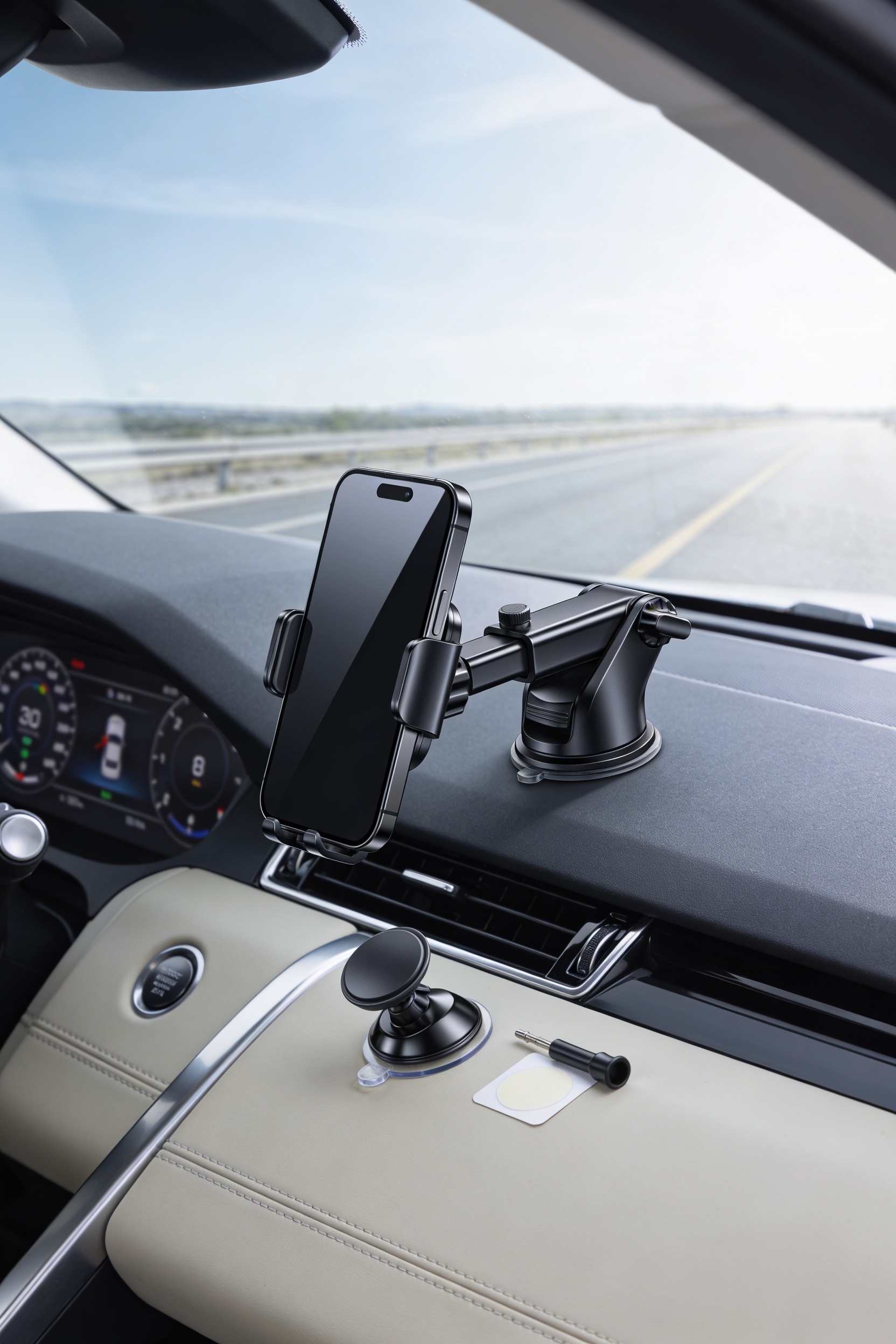
Car Phone Mount Positioning: Where to Place It Without Obstructing View

You’ve probably noticed that bad phone mount placement can turn your dashboard into a distraction trap. The sweet spot? A low dashboard mount positioned near your steering column keeps your phone in your natural glance line without blocking the road or gauges. Skip windshield mounts—they create nasty glare and obstruct visibility. Test your setup from the driver’s seat first, avoid airbag zones, and make sure there’s zero wobble. Get the positioning right, and you’ll reveal way more safety tips.
Key Takeaways
- Low dashboard placement near the steering column keeps your phone in the natural glance line without blocking the road view.
- Avoid windshield mounts due to glare, legal restrictions, and interference with vehicle safety systems and visibility.
- Position your phone slightly below eye level to enable quick peripheral glances without requiring neck movement.
- Test mount stability from your actual driving position to ensure zero wobble and vibration resistance during operation.
- Keep phone away from airbag zones and critical sightlines like mirrors, gauges, and windshield for safety.
The Low Dashboard Mount: Safest and Most Balanced
If you’ve ever tried to use your phone for navigation while driving, you know that split second of panic when you can’t find it without taking your eyes off the road. Here’s the thing: a low dashboard mount is your best bet for minimal distraction and solid reach ergonomics.
I’m talking about mounting your phone low on the center dash, right near the steering column area. This position keeps your phone in your natural glance line without forcing you to crane your neck or look way up at the windshield. You get quick access without blocking your view of the road, your gauges, or anything important.
All right, the real bonus? Your phone stays stable and secure down there, away from airbags and climate controls. Trust me, it’s the goldilocks zone of phone mounting. A low dashboard position also complements window visors and visibility enhancements that reduce glare and improve your overall sightlines while driving.
Recommended Products

Superb image quality: 20.9 MP DX CMOS sensor paired with EXPEED 6 processing engine

Apple CarPlay is a safer way to use your iPhone in the car. Simply talk to Siri or touch the receiver’s display to get directions from Apple Maps, make phone calls, listen to voicemail, send and receive texts, and listen to music from Apple Music or your favorite 3rd party streaming services like Pandora and Spotify, all in a way that allows you to stay focused on the road.
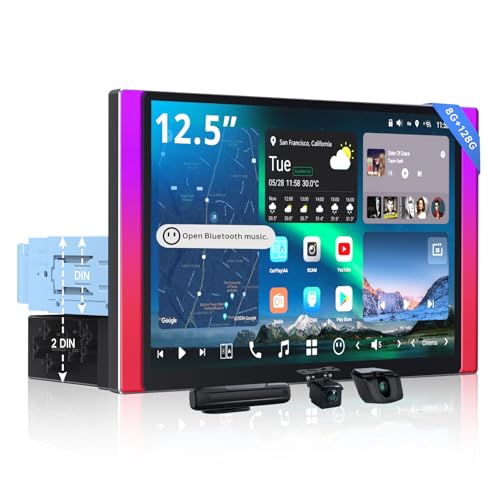
🆕AI SCENEPILOT ANDROID SAFETY HEAD UNIT – X10 is more than a car stereo or a dash cam. Built around ScenePilot Parking & Driving Guard, it combines Android apps, dual-camera recording, GPS, 4G LTE, dual-band Wi-Fi, AI road awareness, Remote Live View, Accident Alerts, and wireless CarPlay/Android Auto into one intelligent in-car command center—helping you watch over your parked car, notice more on the road, and drive with greater confidence every day.
Windshield Phone Mount Positioning: Risks and Best Practices
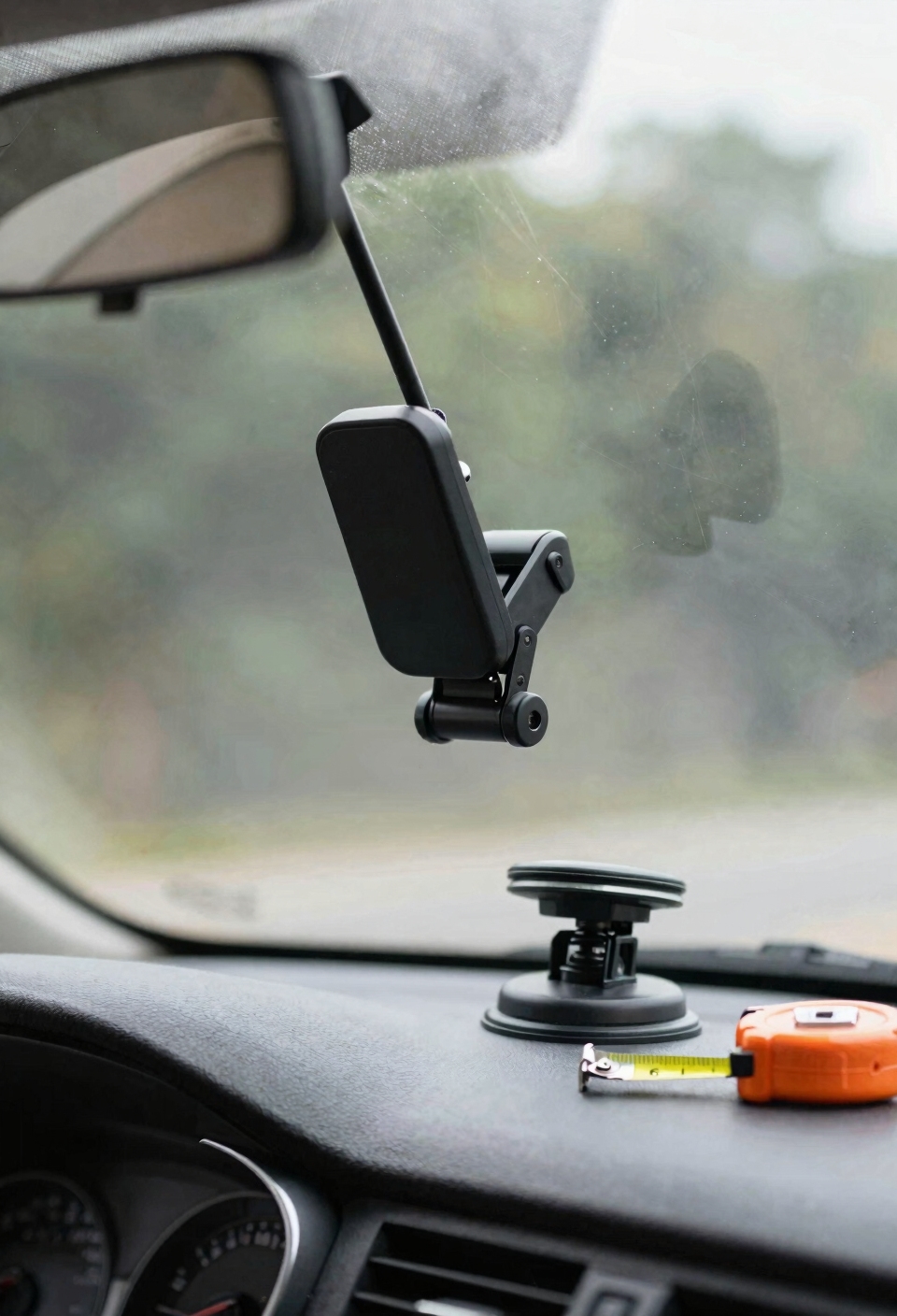
While windshield mounts might seem like the perfect spot—right there in your line of sight for easy glancing—they actually come with some real trade-offs you need to know about. First, windshield glare can make your screen nearly impossible to read on sunny days, which defeats the whole purpose. There’s also the legal restrictions thing. Many states have rules about how much of your windshield you can block, and some cops take that seriously.
I mean, you’re already dealing with sun reflections and road glare without adding a phone to the mix. The safest bet? Keep your windshield as clear as possible. Save the mounting real estate for your dashboard or air vent instead. Just as proper insulation and protective covers are essential in automotive electrical systems to prevent safety hazards, keeping your windshield unobstructed protects both your visibility and your vehicle’s safety systems.
Recommended Products

[CREATE YOUR CUSTOM COMMAND CENTER] Compatible with 2019+ Chevrolet Silverado and 2019+ GMC Sierra Pick-Up Trucks, RubiGrid is the most versatile mounting platform available allowing you to customize your setup and mount your devices exactly where you want them.

LASER FIT DESIGNED: Expertly crafted and fully compatible with your 2016-2023 Toyota Tacoma. Using laser scanning technology, our dash brackets are precisely designed to match the complex contours of your dashboard, while the hardcoat anodized finish provides an OEM look and feel, seamlessly blending with your vehicle's interior.

Lightweight, highly configurable
Dashboard, Vent, or Cup Holder: Which Fits Your Car?
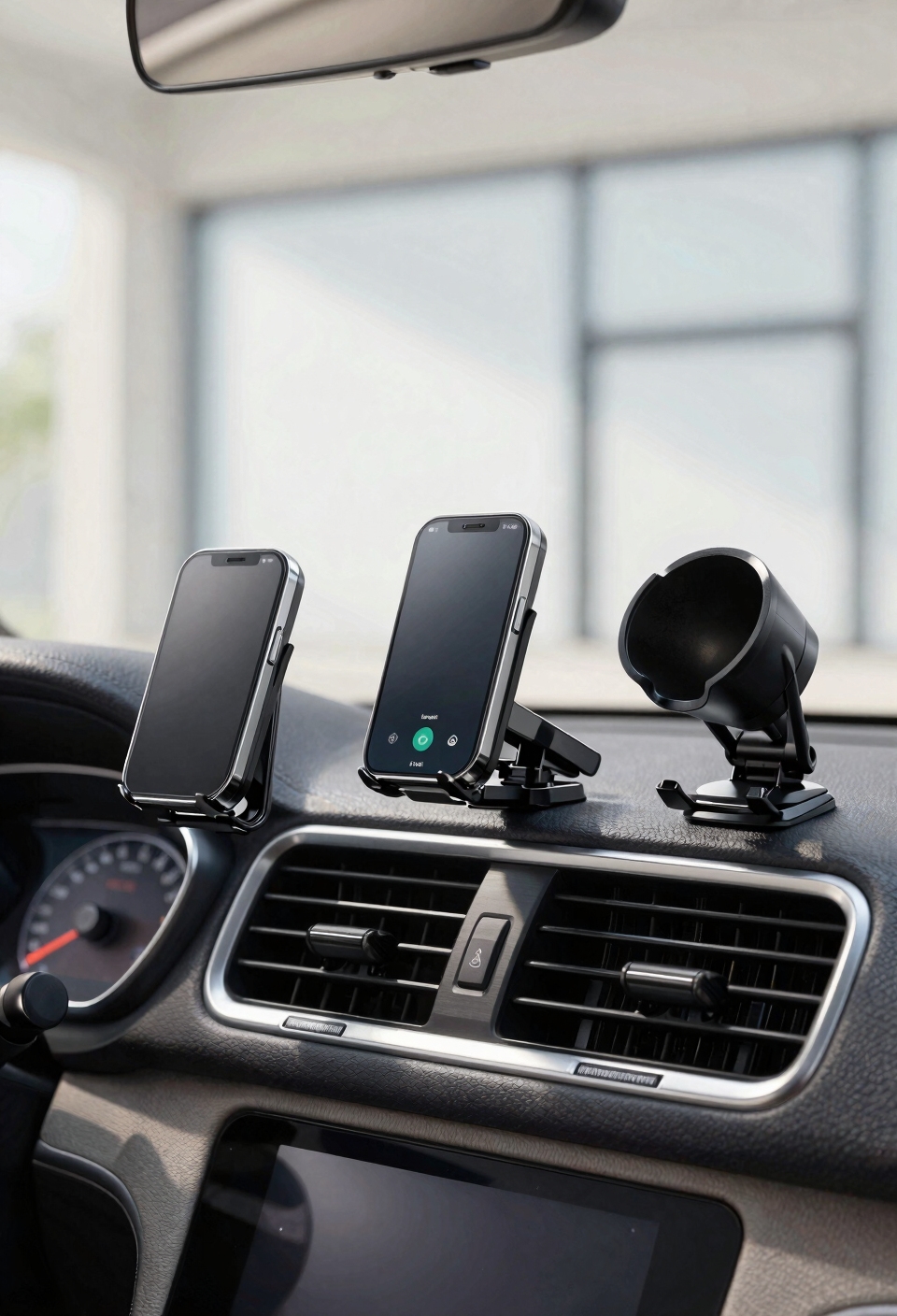
Now that you know windshield mounts come with all those glare and legal headaches, let’s talk about the spots that actually work—your dashboard, air vent, or cup holder. I’m sure you’ve thought about this: where can your phone actually live without ruining your view?
Dashboard mounts are your best bet if you’ve got flat space. They’re stable, visible, and portable compatibility means you can swap them between cars easily. Installation tips? Keep it low and centered—that natural glance line is key.
Air vents work great too, though heavier phones can sag them. Cup holders are super accessible but might sit too low for comfortable viewing. For additional organization and storage solutions in your cabin, consider pairing your phone mount with cabin air filtration and other interior accessories to keep your driving space clean and functional.
All right, the real move? Test each spot from your actual driving position. What works for your friend’s sedan might totally flop in your mom’s SUV.
Recommended Products

【SECURE AND STABLE】The dash mount holder is designed to securely hold your phones , tablets,iPads,Handheld walkie talks,radios,action cameras and more.Ensuring that your device remains safe and protected while driving. Jeep dash mount phone holder is stable and does not affect the line of sight, without fear of shaking even on bumpy roads or rough trails
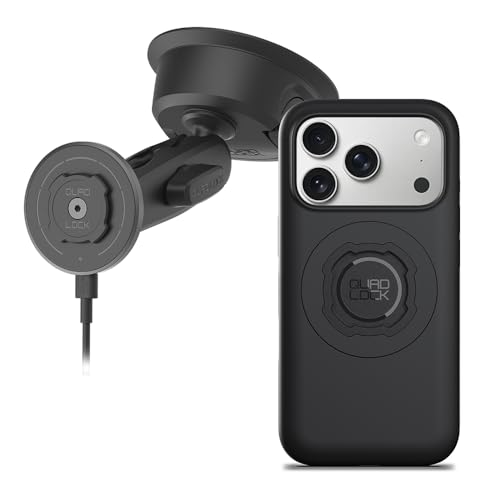
Heavy Duty Suction Cup Mount – Securely attaches to smooth, flat, or slightly curved surfaces with an easy lock/release lever; engineered to hold firm through heat, cold, and rough roads.
![Madeggs Car Phone Holder Mount, [Strong Suction Cup] [Military Grade Durable] for Windshield and Dashboard, Adjustable Long Arm Compatible with All Smartphones (24PCS Black)](https://m.media-amazon.com/images/I/51T-8ETIFFL._SL500_.jpg)
[Strong Suction Cup Military Grade Durable]: Upgraded five-layer nano-gel suction cups form a strong vacuum, up to 50 pounds suction force firmly grips the windshield. Extra semi-permanent pad for dashboard, suction cups are washable and reusable.
How to Position Your Phone Within Your Natural Glance Line?
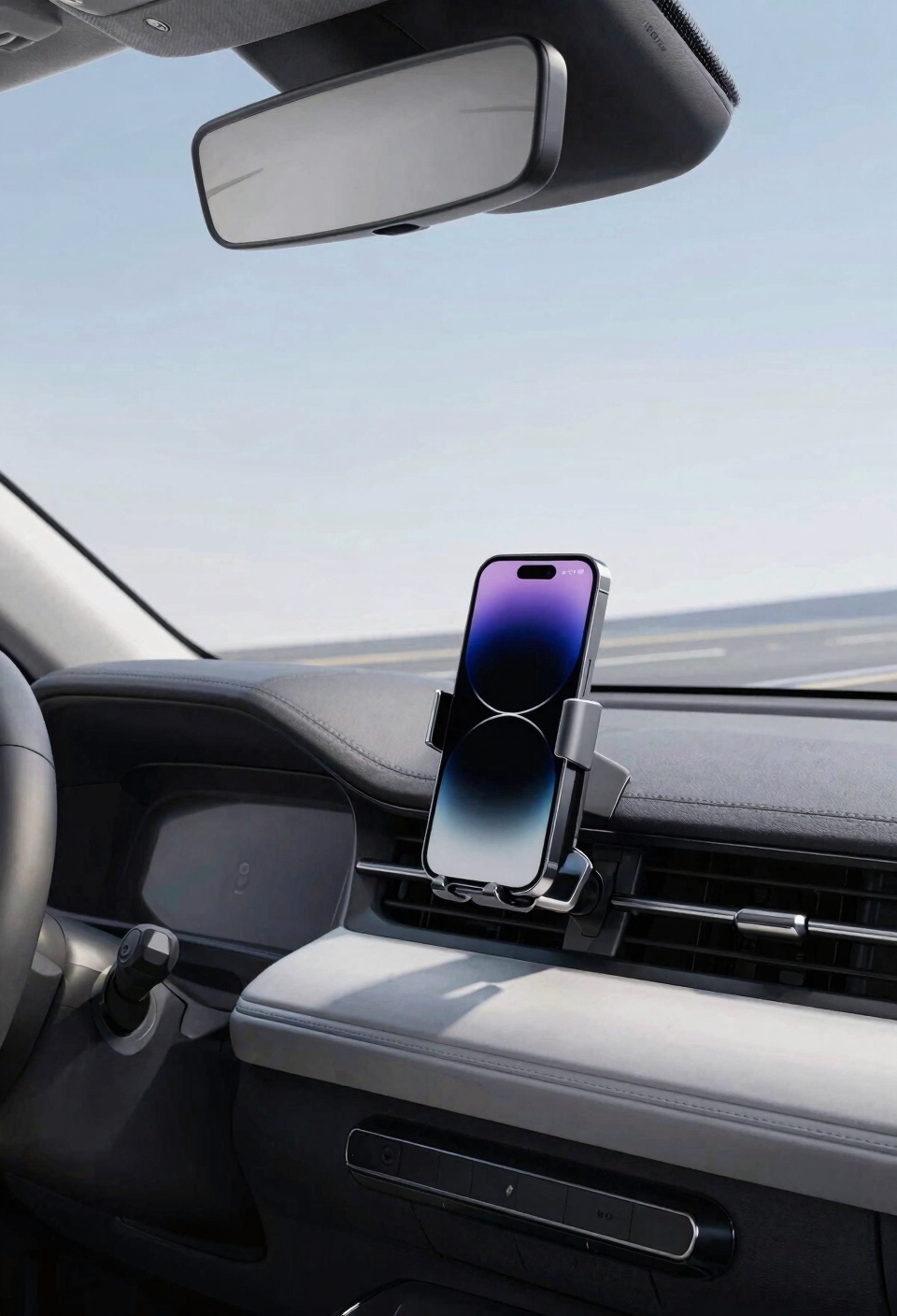
Your phone’s sweet spot isn’t just anywhere on your dash—it’s gotta be positioned so you can glance at it without turning your head like you’re checking your blind spot every two seconds. I’m talking about eye level alignment, which basically means your phone should sit at roughly the same height as your normal driving vision.
Now, here’s the thing: you want peripheral retention. That means your phone stays in your side vision without forcing you to look directly at it. When you’re driving straight ahead, the screen should appear just slightly below or at your natural eyeline. All right, test it from your actual driver’s seat. If you’re cranking your neck or squinting downward, it’s too low. Just like how color-coded and labeled wires simplify installation by reducing errors, proper phone positioning reduces distraction by keeping navigation and communications within your natural sightline. That’s how you nail positioning that keeps you safe and focused.
Recommended Products

Premium Detection Range - Get notified of what's on the road ahead of you. Escort's legendary detection range provides rapid responses, advance alerts and warnings so you have significantly more time to adjust your speed.
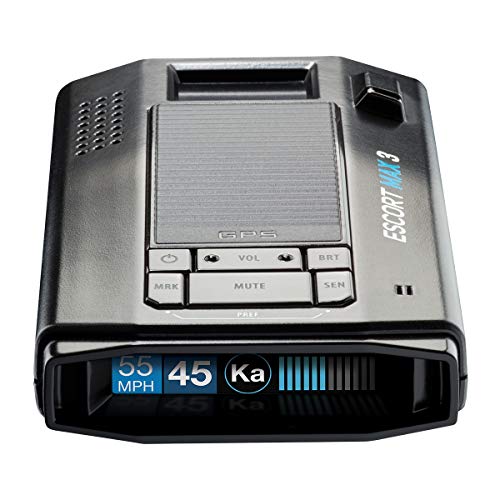
Premium Detection Range - Get notified of what's on the road ahead of you. Escort's legendary detection range provides rapid responses, advance alerts and warnings so you have significantly more time to adjust your speed.

Stay Informed - During an alert the 8500X50 displays all the information you need to make the best possible decision. Vehicle Speed, Laser Band, and Signal Strength are displayed to keep you informed of your surroundings
Identifying Safe Phone Mount Zones: What to Avoid
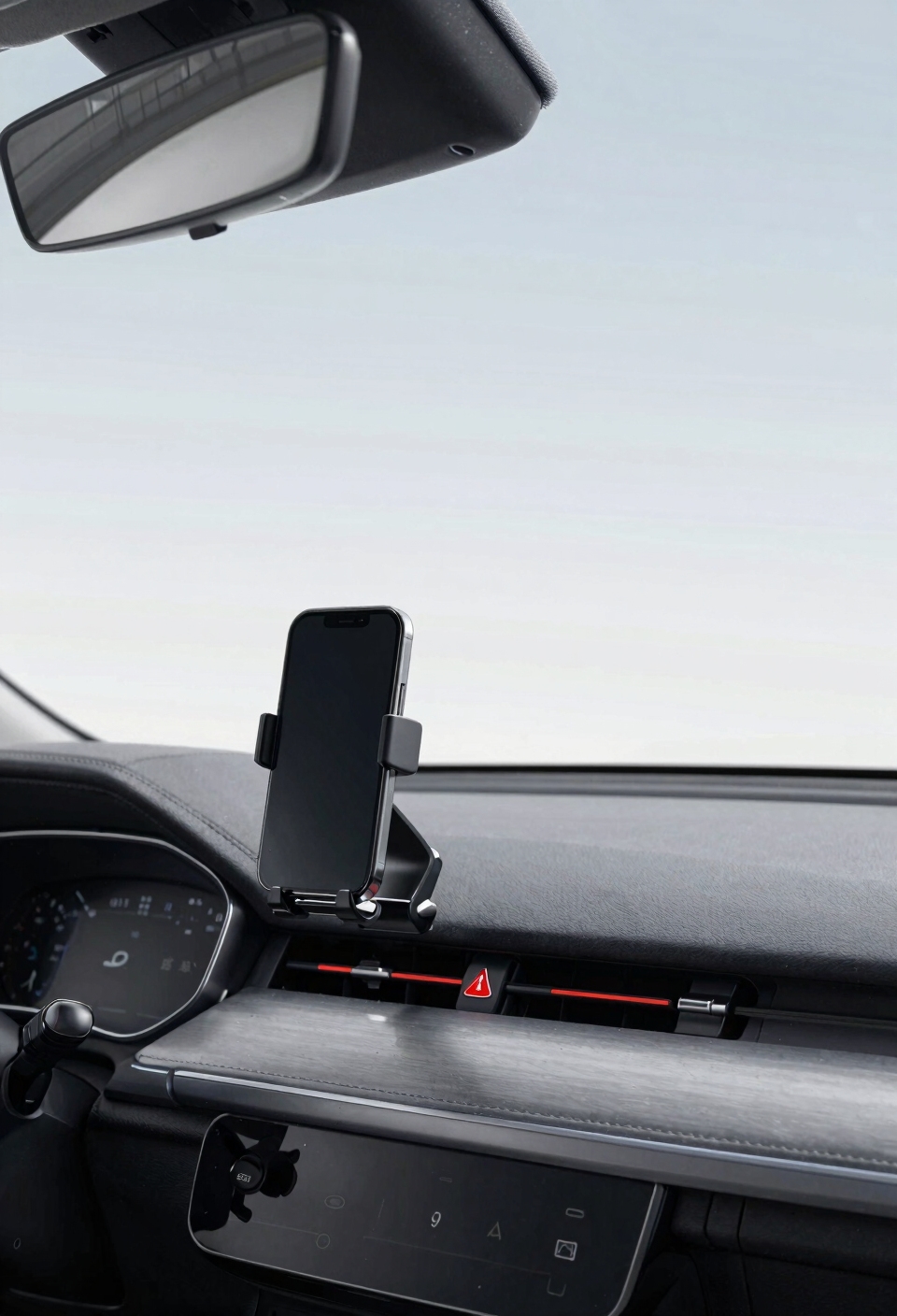
Because you can see your phone doesn’t mean it’s safe to mount it there—and that’s where a lot of people mess up. I’m sure you’ve noticed people with phones plastered across their windshields, right? That’s basically asking for trouble. You want to steer clear of airbag zones, especially on the dashboard near the steering wheel or passenger side. Those things deploy fast, and your phone becomes a projectile. Also avoid mounting too high on the windshield—it blocks your view of the road and other cars. Don’t block mirrors or instrument gauges either. If you’re mounting on the windshield, aim for glare reduction by keeping it centered and low. Consider pairing your phone mount with reflective sun shades to minimize glare and maintain visibility in bright conditions. Basically, think about what actually needs to stay visible when you’re driving.
Testing Your Mount Before Regular Driving
Once you’ve picked a spot that won’t turn your phone into an airbag hazard, the real work starts—and I’m not talking about installation. You’ve got to actually test the thing before you’re cruising down the highway relying on it for navigation. Here’s what I do: sit in my normal driving position and check if I can see the screen without twisting my neck like an owl. Then I test the mount’s stability by gently shaking it—you want zero wobble. Consider that vibration-resistant mounting systems similar to those used in baby car mirrors can help prevent image blur and maintain a steady view of your phone screen. All right, now for the important part: practice emergency detachment. Grab your phone quickly, like you’re reaching for it in an actual crisis. Your test procedure should confirm the mount releases smoothly without fumbling. That’s how you know you’re genuinely ready.
Recommended Products

COMPLETE AUDIO SYSTEM KIT Includes four waterproof tower speakers, upgraded NSUB.3 subwoofer, 4-channel amplifier, mono amplifier, Bluetooth controller, mounting hardware, and wiring for a true plug-and-play installation
Designed for Larger Overland Vehicles: Features an extended 18 ft. cable (4 ft. longer than standard) for easier routing and installation in bigger trucks, RVs, and off-road setups, ensuring maximum signal extension inside your vehicle.

Larger and brighter 6” sunlight-readable display, built to withstand weather and handlebar vibrations with IPX7 design
Adapting Your Setup to Different Vehicles and Seats
Beyond the initial testing phase, you’ll quickly realize that what works perfectly in your mom’s sedan might be a total disaster in your dad’s truck—or vice versa. Vehicle variations mean everything changes. That low dashboard spot? It might sit way too high in an SUV. Your seat adjustment matters too—scoot forward and suddenly your phone’s blocking your view.
I mean, every car’s got different angles and layouts. A vent mount that grips perfectly on one model might barely hold in another. The key is checking your specific setup before committing. Test your mount from your actual driving position in each vehicle you use. Adjust your seat like you normally would, then see if the placement still feels natural. Consider size and space limitations when selecting a mount location to ensure compatibility with your specific vehicle’s dashboard and console dimensions. What works universally? Nothing. What works best? Whatever fits *your* car and how *you* sit.
Frequently Asked Questions
Can I Use a Phone Mount With a Heavy Smartphone Without Risking Vent Damage or Sagging?
I’d recommend avoiding vent mounts with heavy smartphones. Most vents have weight limits around 6-8 ounces, and heavier phones risk sagging or damaging delicate slats. I’d suggest dashboard or cup holder mounts for better vent durability.
Are Magnetic Phone Mounts Safer Than Suction or Adhesive Mounts While Driving?
I’d say magnetic mounts aren’t inherently safer than suction or adhesive options. While they offer quick attachment durability, you’ll want to consider magnetic interference with your phone’s components and guarantee secure positioning for safe driving.
Does Phone Mount Placement Affect GPS Accuracy or Navigation Signal Strength?
Like a lighthouse beam through fog, your phone’s placement cuts through signal concerns. I’d say mount positioning rarely impacts GPS accuracy—antenna interference is minimal. However, metallic mounts near the device can affect calibration, so I’d avoid those.
What’s the Best Way to Clean My Dashboard Before Installing an Adhesive Mount?
I’d wipe your dashboard with a microfiber cloth and mild cleaning solution to remove dust and oils. Thorough surface preparation guarantees better adhesive grip, so let it dry completely before mounting your phone holder.
Can I Legally Use a Phone Mount in All States, or Are There Regional Restrictions?
You’ll find state laws vary markedly on phone mounts. While dashboard placement’s generally legal everywhere, windshield restrictions differ by state—some prohibit mounts above the eyebrow line. I’d recommend checking your state’s specific regulations before installing.
Conclusion
Your phone mount is like a ship’s compass—place it wrong and you’re sailing blind. You’ve now got the roadmap to mount it right: low on your dashboard, within that natural glance zone, tested before you hit the road. I’m sure you’ll find your sweet spot. Your eyes stay safe, your drive stays smooth, and honestly, that’s the whole journey. You’ve got this.