As an Amazon Associate, we earn from qualifying purchases. Some links on this site are affiliate links at no extra cost to you. Our recommendations are based on thorough research and editorial judgment.

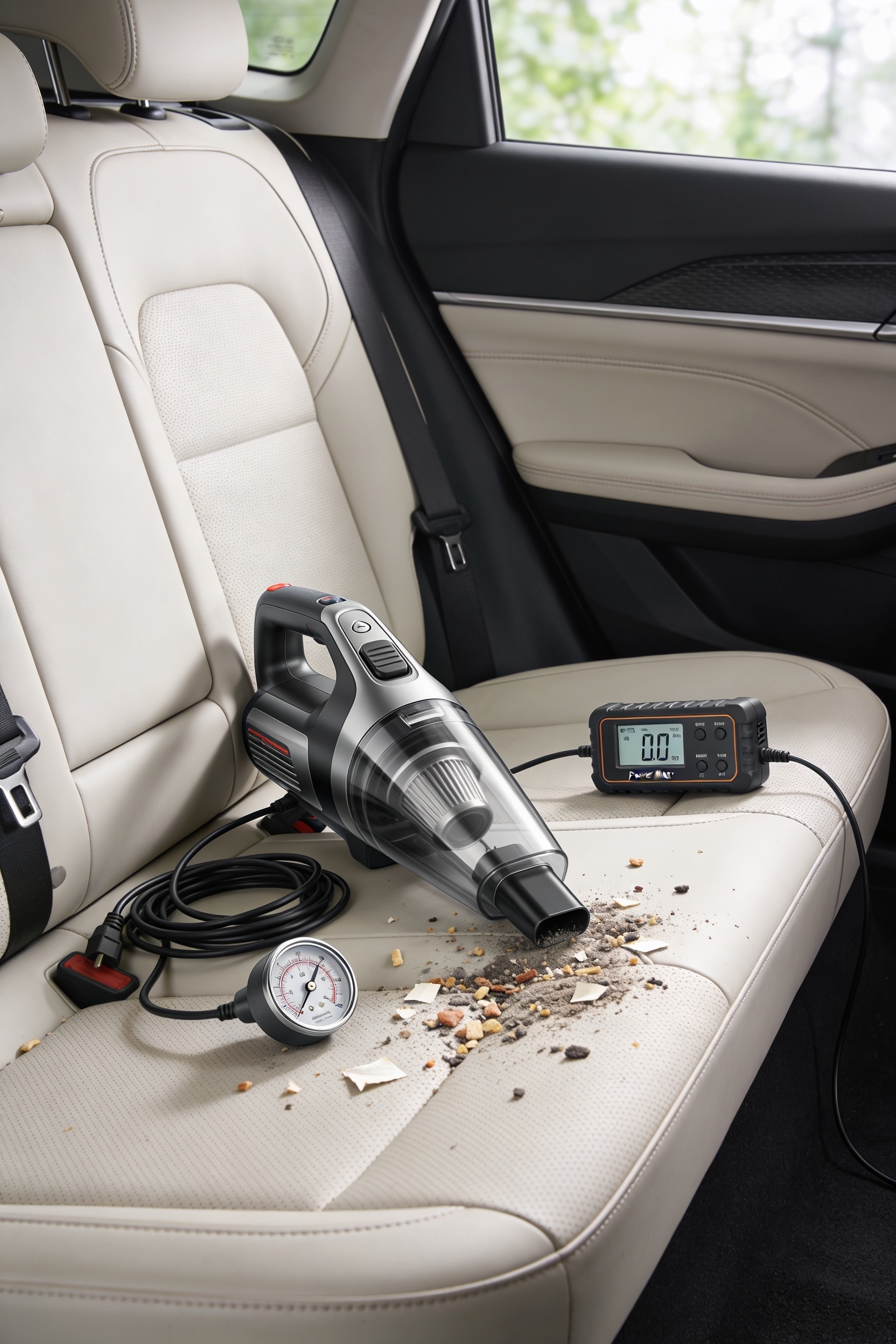
Portable Car Vacuums: What Suction Watt Ratings Actually Mean

You’ve probably seen car vacuums bragging about crazy-high watt numbers, but here’s the truth: watts just measure how much electricity the motor uses, not how strong the suction actually is. It’s like comparing a car’s fuel consumption to its speed—totally different things. The real hero metrics you want are Pascals, which measure actual suction pressure, and Air Watts, which combine suction and airflow into one score. For daily car cleaning, you’re looking at the sweet spot of 5,000–8,000 Pa. Motor design and airflow engineering matter way more than raw wattage, so don’t let those inflated numbers fool you.
Key Takeaways
- Watts measure electrical power consumption, not suction force—high wattage doesn’t guarantee stronger cleaning performance.
- Pascals indicate actual suction pressure; aim for 5,000–8,000 Pa for effective daily car cleaning.
- Air Watts combine suction pressure and airflow into one performance metric, offering clearer comparisons.
- Motor efficiency and airflow design determine how effectively watts convert to real suction strength.
- Ignore raw wattage as primary indicator; focus on Pascals and Air Watts instead.
Why Watts Mislead You About Car Vacuum Suction Power?
You may be interested
Confusion—that’s what you get when you’re shopping for a car vacuum and all you see are massive watt numbers plastered everywhere. I mean, you’d think 500 watts beats 200 watts, right? Wrong. Here’s the thing: watts just measure how much electricity the motor uses, not how hard it actually sucks. It’s like comparing how much gas a car burns to how fast it actually goes—totally different measurements.
Marketing claims love throwing around huge wattage because it sounds impressive. But energy efficiency is what really matters. A smart motor design with good airflow can clean better using fewer watts than a clunky one that guzzles power. You’ve probably seen this before with phone chargers or laptop adapters. The real story? Focus on pascals or air watts instead. Those actually tell you about cleaning power. Just as premium materials and multi-purpose items reduce replacement frequency and overall expenses in car accessories, investing in a vacuum measured by actual suction metrics rather than wattage pays off in long-term performance and value.
Recommended Products

🔋 【Rechargeable Battery & Fast Charging】The electric vacuum cleaner features a built-in 4000mAh battery with a fast-charging port. It can be easily charged via a car charger, power bank, laptop, or wall outlet. It takes only 3 hours to fully charge. This reusable vacuum cleaner is a perfect, eco-friendly alternative to compressed air canisters, saving you both money and time

⚡【Vacuum Cleaner & Air Duster 2 in 1】The cordless hand held vacuum has both suction and blowing capabilities, not only to remove dust and debris, but also to inflate items. You can use it to easily blow away debris, dust, etc. from the surfaces of items, and also remove debris, pet hair, and dust effortlessly from the crevices of keyboards, carpets, etc. In addition, it can also be used as a barbecue fan and inflate the swim rings, etc., providing convenience for family entertainment or outdoor activities. This mini vacuum cleaner has multiple functions and is a practical assistant for your daily cleaning

POWERFUL 18000PA CAR VACUUM & AIR DUSTER: This cordless hand vacuum features an upgraded 130W high-speed brushless motor, providing powerful performance. Eco mode is 9000PA, and Max mode is 18000PA. Equipped with a vacuum cleaner and dust blower functions, it can suck away or blow away pet hair, crumbs, dust, and sand hidden in the car seat or sofa. And used as inflatable tool also! LED lights can assist with the lighting.
Pascals: The Metric That Actually Defines Car Suction Strength
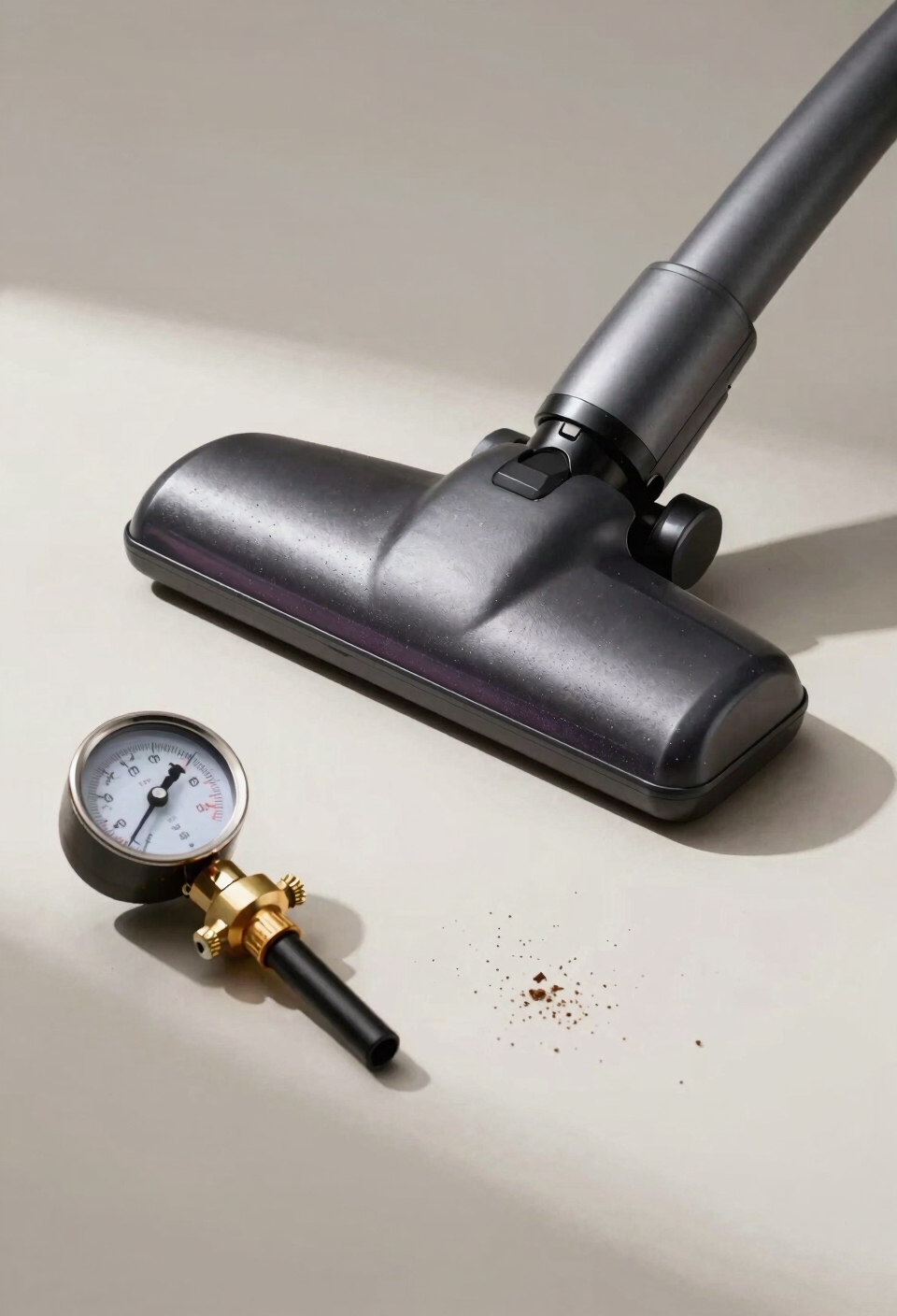
Now here’s where things get real about what actually matters when you’re hunting for a car vacuum. You need to understand Pascals—they’re basically measuring the pressure your vacuum creates to actually suck stuff up. Think of it like this: Pascals show the force difference between inside and outside your vacuum. Higher numbers mean stronger pulling power, period.
Most car vacuums range from 3,000 to 6,000 Pa for everyday cleaning. For heavier jobs, you’re looking at 12,000 Pa or higher. The cool part? Pascals measure actual suction strength, not just energy consumption. Unlike watts, which tell you power consumption, Pascals give you honest pressure gradients that matter. Professional equipment uses sensor calibration to verify these numbers are legit. Just as color-coded and labeled wiring simplifies proper connections in automotive installations, understanding Pascal ratings simplifies your vacuum selection process. That’s your real metric.
Recommended Products

HIGH POWER CAR VACUUM WITH UNINTERRUPTED RUNTIME - Never run out of power during deep car detailing. This cordless car vacuum includes 2 detachable batteries for up to 60 minutes of continuous cleaning, making it the perfect portable handheld vacuum for full-size vehicle interiors.

【2-in-1 Multifunctional Mini Vacuum Cleaner】This mini car vacuum has a dual mode of blowing and sucking. It can not only blow away trash and dust from computer keyboards, cars, etc., but also as a mini vacuum cleaner to clean up residual trash or hair from desk,floors,hair etc. Making it a great buy for your cleaning needs, let you no longer worry about cleaning

Upgraded powerful suction: The mini vacuum has a strong suction power, up to 25000PA which is twice that of ordinary handheld vacuum cleaners. This car vacuum cleaner high power Helps you easily clean various small corners, suitable for car interior, kitchen, sofa, windows and so on.
Air Watts: Why This Combined Score Beats Single Metrics
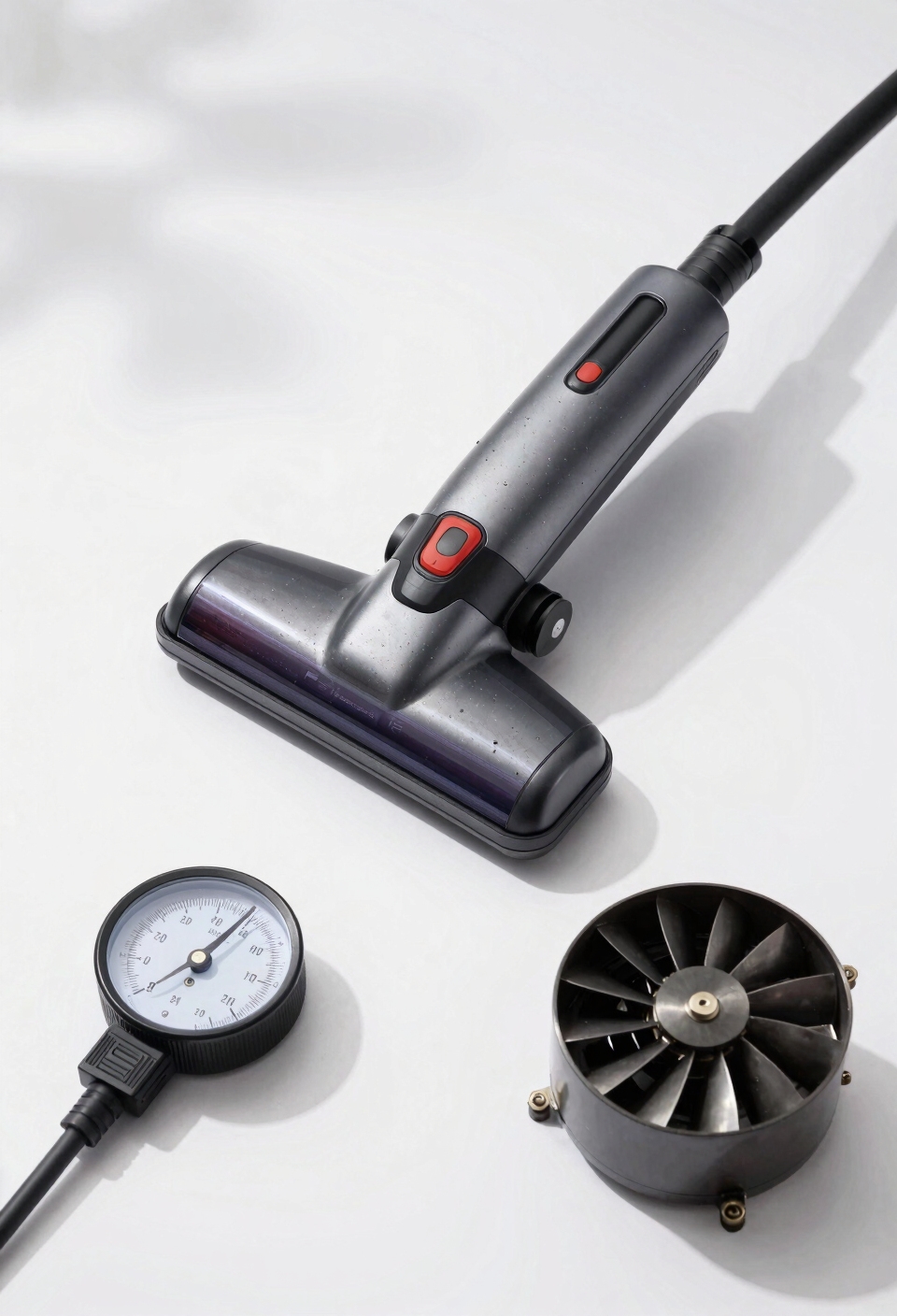
Here’s the thing about comparing car vacuums—you’ve probably noticed that manufacturers throw around all these different numbers, and it’s confusing trying to figure out which one actually matters.
Air Watts is where things get real. Instead of just looking at suction pressure or airflow separately, Air Watts combines both measurements into one score that actually tells you how well a vacuum performs. Think of it like this: you need airflow synergy—the suction and airflow working together—to really move dirt out of your car. Just as power distribution blocks combine multiple inputs and outputs to handle complex systems efficiently, Air Watts consolidates performance metrics into a single, actionable number.
Most handheld models hit 20–50 AW, while 100+ AW gets you serious cleaning power. I know you’re probably weighing performance tradeoffs between weight and power, but Air Watts cuts through the noise. It’s the metric that matters most for real-world results.
Recommended Products
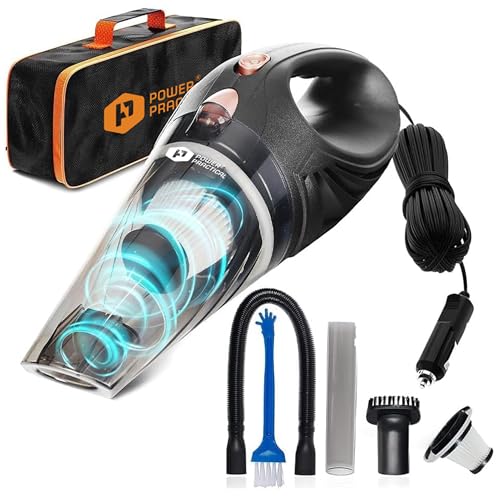
Practical: A mini vacuum for car or truck that is compact, lightweight (2.4 lbs), and easy to use. The large dust bin capacity is ready for ash, dust, or drive-thru food spills. A fully loaded interior car detailing kit housed in an ergonomic design.
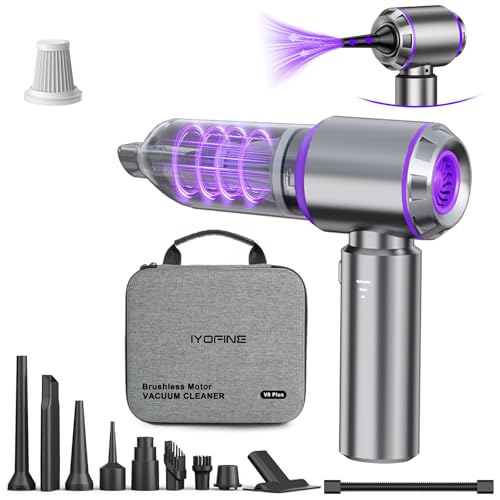
【Vacuum/Air Duster】 Vacuum/Air Duster with 3 sets of suction tips and 3 sets of spray tips is perfect for cleaning electronics like PCs and keyboards, as well as for home, car, and outdoor use. It’s also great for inflating gear or managing campfires, making it a must-have for multiple scenarios.
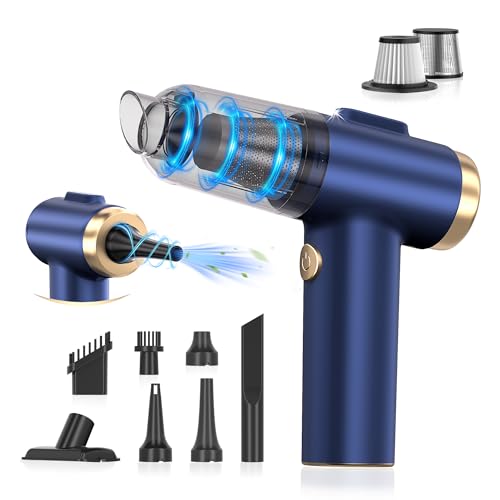
【Vacuum Cleaner/Blower】 This vacuum cleaner/blower comes with 4 suction nozzles and 1 spray nozzle, making it ideal for cleaning electronic products such as computers and keyboards. It is also suitable for home, car, and outdoor environments. It can also be used to inflate equipment or control campfires, making it an essential tool for a variety of scenarios.
The 5,000–8,000 Pa Sweet Spot for Daily Car Cleaning
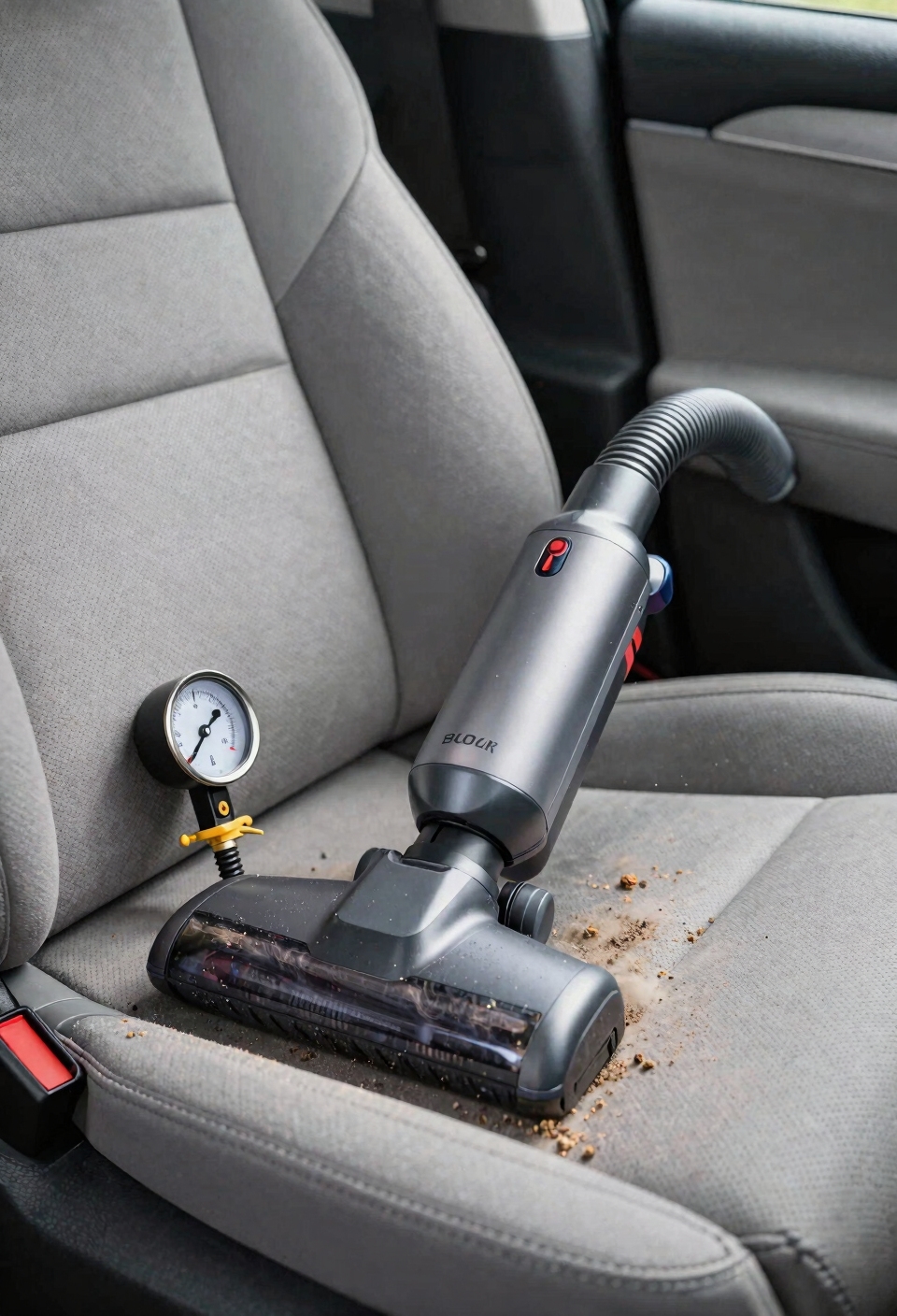
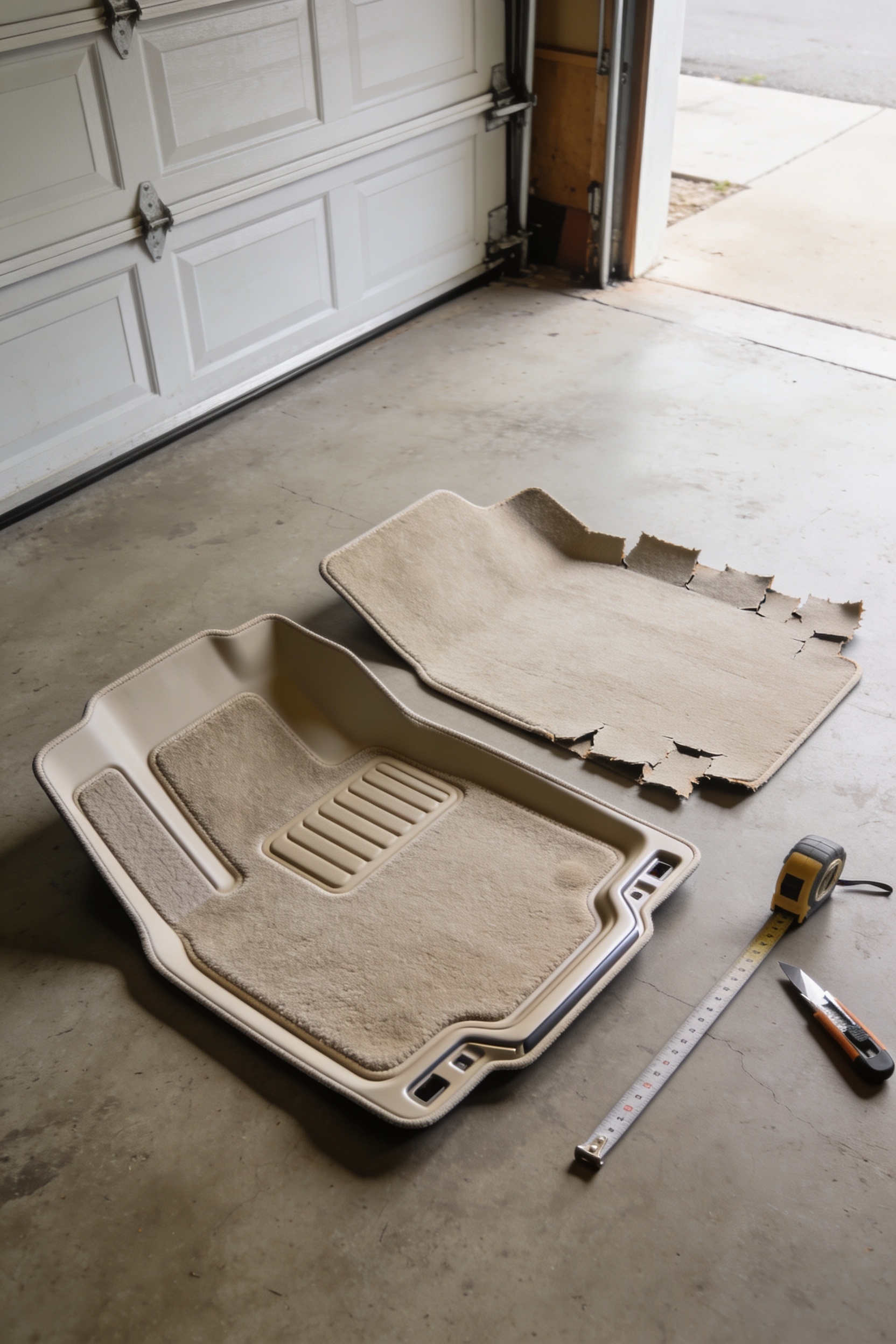
All right, so Air Watts tells you the whole performance picture—but here’s what you actually need to know when you’re picking a vacuum for your car: you don’t need something that’ll rip the upholstery off your seats. That sweet spot? Five thousand to eight thousand Pa. This range handles pretty much everything you’ll encounter daily—crumbs, dust, pet hair, whatever. You’re getting serious cleaning power without overkill. The bonus is that vacuums in this range typically offer solid battery life, so you won’t be charging every five minutes. Plus, they’re usually quieter than those monster models that sound like jet engines. For most people, this is genuinely the perfect balance between performance and practicality. When combined with protective accessories like floor mats, a portable vacuum in this power range ensures your car’s interior stays clean and well-maintained without damaging surfaces over time.
Recommended Products

High Power Suction: This Kdewere handheld vacuum cordless cleaner features an upgraded brushless motor generates 22000Pa strong suction at 95,000RPM. It effortlessly removes dirt, pet hair and debris from cars, carpets and home surfaces, leaving zero dust behind

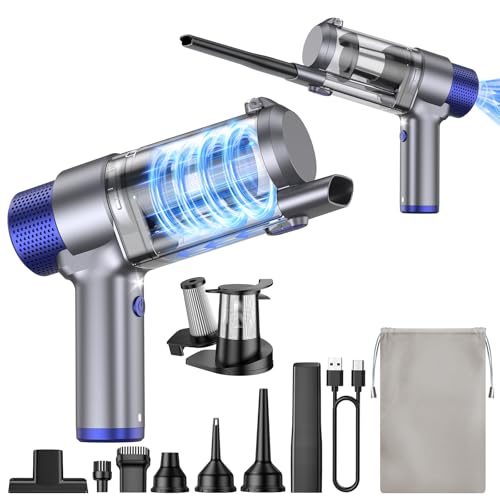
🌀【16000PA CYCLONIC SUCTION】This car vacuum portable cordless utilizes advanced cyclone technology to create a powerful vortex. Driven by an 84,000 RPM motor, it generates a staggering 16,000 PA of suction, effortlessly cleaning sofas, carpets, and car interiors. The efficient heat dissipation system keeps the motor cool and ensures durability, while the 75dB noise level allows for quiet operation. Ideal for daily cleaning tasks, it is an indispensable cleaning companion for every household
Why Motor Design Matters More Than Raw Wattage for Suction Power
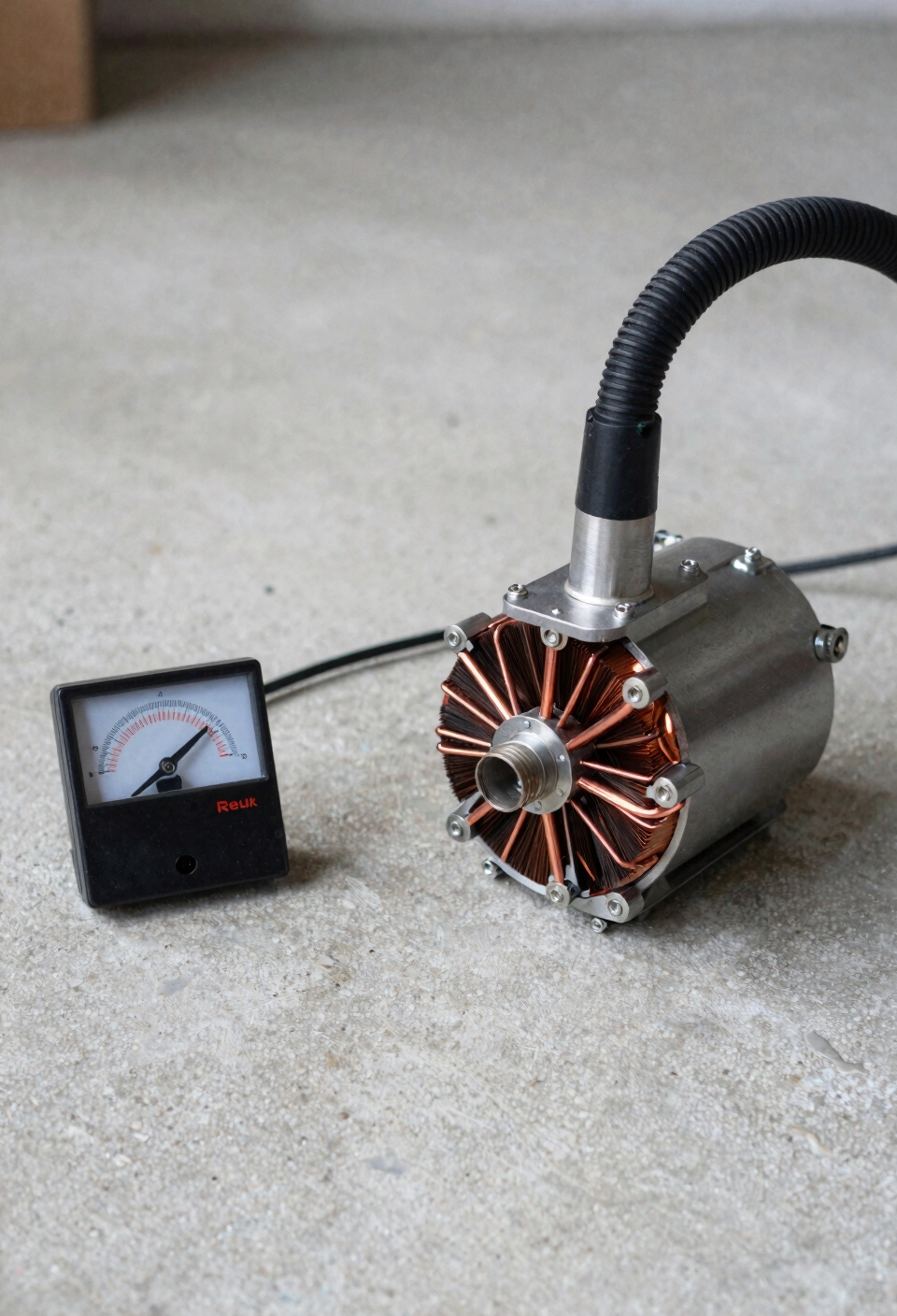
You know how a car engine with 200 horsepower can actually outperform one with 250 horsepower sometimes? That’s basically what’s happening with vacuum motors. I’m sure you’ve thought about this: more watts should mean better suction, right? Not necessarily. Here’s the thing—what really matters is motor efficiency and airflow engineering. Two vacuums might both use 500 watts, but one pulls way harder because its motor’s designed smarter. Think of it like this: one motor wastes energy as heat, while another channels it directly into suction. The pathways inside, the filter system, how the air flows—that’s where the magic happens. Just as custom-fit interior accessories like cargo liners with raised edges maximize protection through smart design rather than bulk alone, vacuum efficiency relies on thoughtful engineering over raw power consumption. So when you’re shopping, ignore those massive wattage numbers. Focus on pascals instead. That’s what actually tells you if a vacuum will suck.
Recommended Products

Regular Car Cleaning: The car vacuum utilizes a high-power motor that can offer up to 7000pa suction, which quickly terminates any dirt, debris, dog hair, soil, sand or crumbs. The built-in LED light illuminates dark places, such as under car seat, which makes corner cleaning easier.

🌀【15000PA Strong Suction Power】The handheld vacuum cordless is equipped with an advanced high-speed motor that provides powerful suction power up to 15kPa, which can meet your different cleaning purposes and clean more thoroughly. The cordless vacuum cleaner has long-lasting suction power and can easily remove dirt, dust and pet hair, keeping your space clean and tidy

Powerful Suction Performance: Handheld vacuum cleaner is Equipped with a high-performance brushless motor and upgraded cyclone technology delivering 23000PA suction power, ensuring deep cleaning for carpets, delicate surfaces, and pet hair.
Frequently Asked Questions
How Long Do Handheld Car Vacuums Typically Run on a Single Battery Charge?
I’d tell you that handheld car vacuums typically deliver 15–40 minute runtime estimates on a single battery charge. Lighter models offer shorter battery life around 15–20 minutes, while heavier variants achieve extended runtimes up to 40 minutes.
What Suction Power Do Professional Car Detailers Actually Use for Vehicle Interiors?
I’d tell you professional detailers like myself use 1,500–2,000 Pa suction power for standard vehicle interiors, though we’ll boost to 4,000–8,000 Pa for truck interiors using microfiber tools on heavier debris.
Can a Lightweight Portable Vacuum Deliver Enough Suction for Deep Carpet Cleaning?
I’d tell you like I’m reading from a Victorian manual: lightweight portability won’t suffice for deep carpet cleaning. You’ll need 6,000–8,000 Pa minimum. Regular filter maintenance keeps performance peak, but heavier models deliver superior suction.
How Does Brushless Motor Technology Compare to Standard Motors in Sustained Performance?
I’d say brushless motors outperform standard ones through superior brushless longevity and thermal efficiency. They maintain consistent power as your battery drains, while cheaper alternatives lose suction faster and generate excessive heat during extended use.
What’s the Relationship Between Air Watts Rating and Real-World Cleaning Effectiveness?
I’d say Air Watts directly reflects your real cleaning results because they combine both airflow efficiency and suction pressure. However, nozzle design ultimately determines whether that rating translates to actual debris removal performance.
Conclusion
those watt numbers on the box? They’re basically meaningless. But pascals and air watts—those actually tell you if your portable vacuum will crush dirt or leave you frustrated. You’ve now got the real language to shop smart. Skip the marketing noise. Hunt for motor design and those sweet-spot ratings. Your car’s cleanliness depends on it, not flashy numbers.