As an Amazon Associate, we earn from qualifying purchases. Some links on this site are affiliate links at no extra cost to you. Our recommendations are based on thorough research and editorial judgment.

3D-Printed Interior Trim: What Materials Work in Hot Cabins?

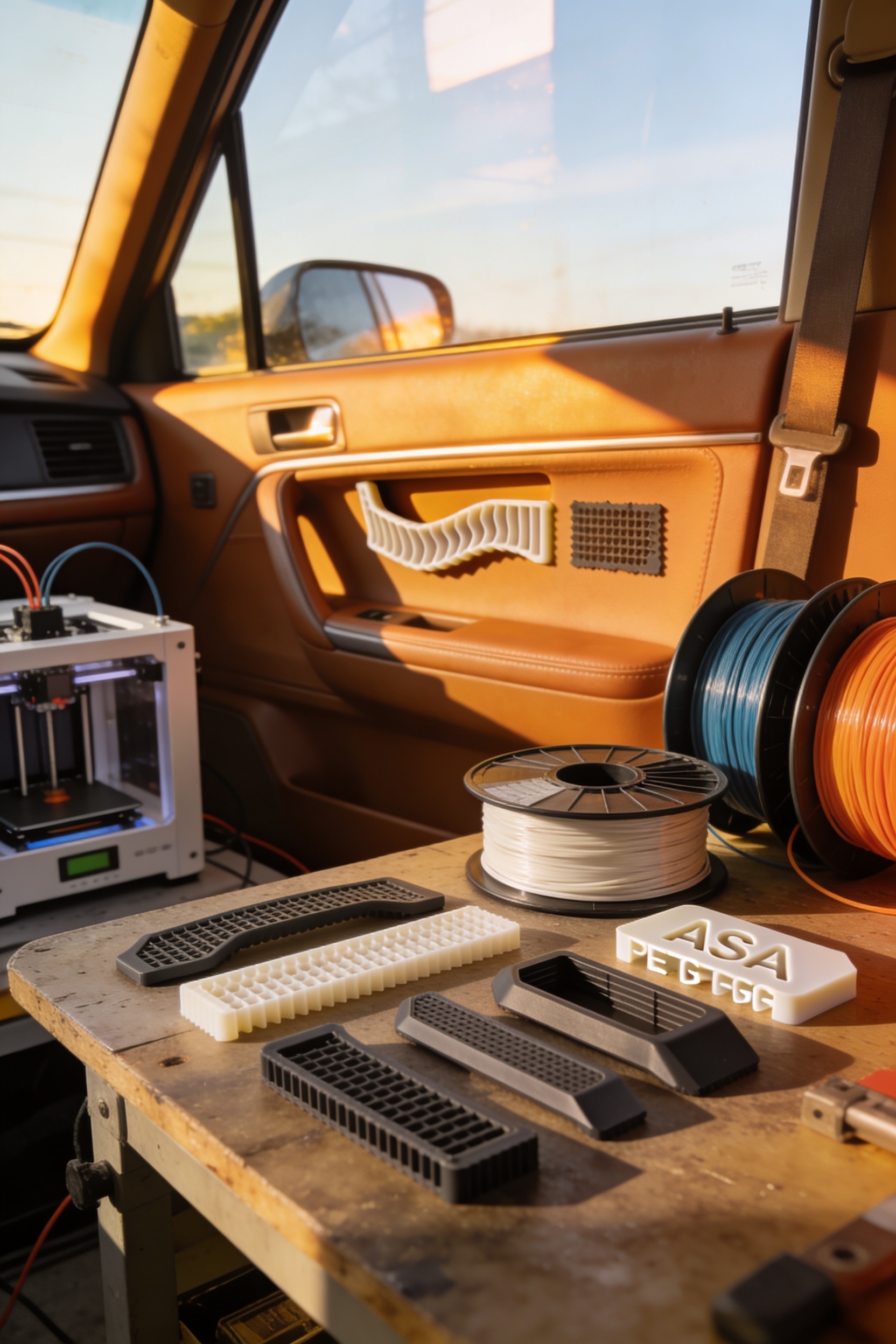
Standard PLA melts and warps in hot cars—that’s just physics. You need materials like ASA or polycarbonate that actually laugh at dashboard heat. Carbon-fiber reinforced filaments keep your clips from snapping off during repeated thermal stress cycles. Light colors reflect sunlight better than dark ones, and smart printing techniques matter way more than you’d think. The real secret? Test your parts on an actual hot dashboard before installing them permanently—lab specs don’t always match real-world sun.
Key Takeaways
- ASA and polycarbonate outperform standard PLA due to superior heat resistance and dimensional stability in cabin temperatures exceeding 100°C.
- Carbon-fiber reinforced filaments and engineering nylons provide enhanced stiffness and creep resistance for clips and brackets under sustained thermal stress.
- Annealing post-print and applying UV-protective coatings significantly improve durability against thermal aging, embrittlement, and surface oxidation in hot vehicles.
- Vertical layer orientation and optimized nozzle temperatures minimize warping and strengthen weak layer bonds prone to failure under repeated heat cycles.
- Test clips and brackets through dozens of install-remove cycles while heated before final installation to detect creep failures invisible in lab specs.
Why Standard PLA Fails in Hot Car Cabins
PLA has a low glass shift temperature, which basically means the point where it starts getting floppy and weak. Combine that with its relatively low molecular weight and amorphous crystallinity structure, and you’ve got a material that just can’t handle dashboard heat. I’m talking softening, warping, and losing grip on clips before summer’s even halfway done. In a parked car hitting 100°C in direct sunlight, standard PLA doesn’t stand a chance. Unlike heat-resistant base materials used in quality automotive components, PLA lacks the thermal durability required for automotive environments. You need something tougher.
How Heat Damages 3D-Printed Interior Trim
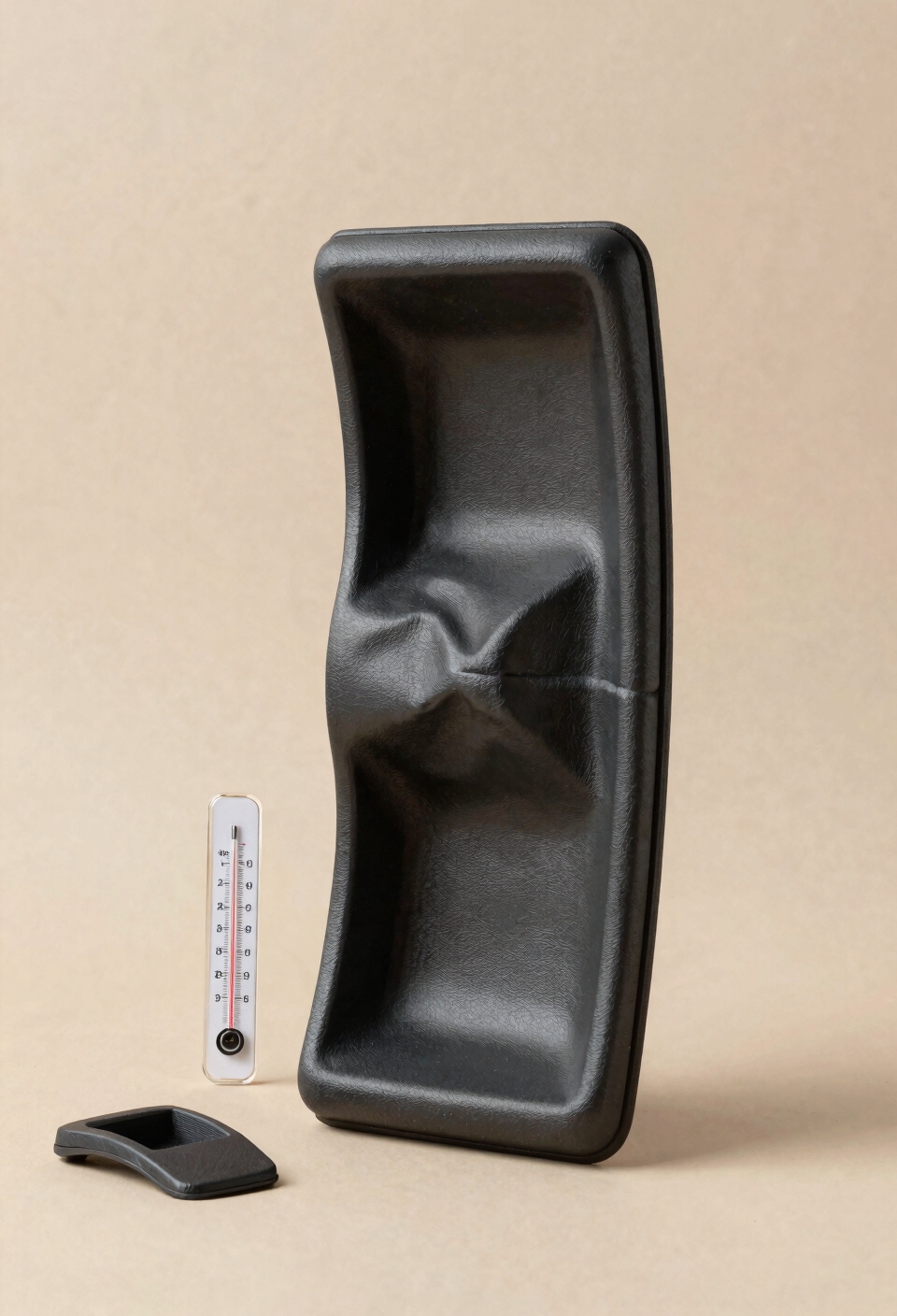
Heat doesn’t just make your car interior uncomfortable—it actually attacks the plastic itself, breaking it down from the inside out. When your dashboard bakes in direct sun, you’re not just dealing with high temperatures. The UV rays cause surface oxidation, which basically means the plastic’s outer layer starts to break down and lose its shine. But here’s where it gets worse: thermal embrittlement happens when repeated heat cycles make the material brittle and prone to cracking. I’ve seen clips snap off printed trim just from opening and closing a car door after a hot day. The plastic becomes weaker, more likely to warp, and those snap-fits that held everything together? They lose their grip. It’s brutal, honestly. Materials like high-quality carbon fiber used in premium interior trim sets demonstrate superior durability under extreme temperature fluctuations compared to standard 3D-printed plastics.
ASA: The Practical Sweet Spot for Automotive Trim
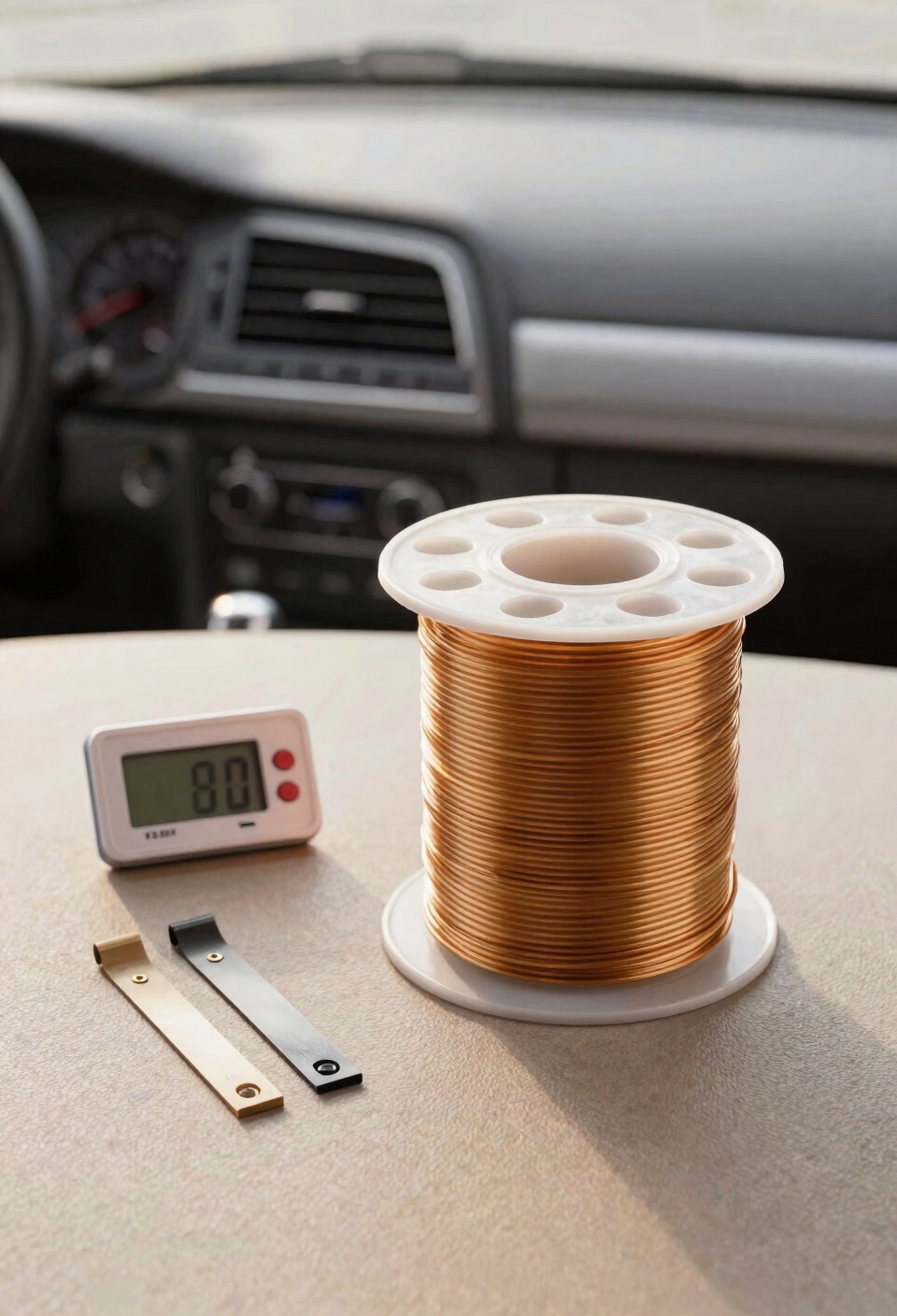
If you’ve been burned by PLA trim that warped in your car or snapped when you tried to remove it, you’re gonna want to pay attention to ASA—because this material basically shows up where standard plastics give up. ASA handles thermal aging way better than PLA, meaning it doesn’t fall apart after months of baking in the sun. I’m sure you’ve thought about how annoying it’d be to print something only to watch it degrade, right? The real win with ASA is surface adhesion to your printer bed stays reliable, so you’re not reprinting failed jobs constantly. It also resists UV damage and heat without needing exotic equipment. Just like genuine carbon fiber accessories require UV-resistant clear coats to maintain their appearance and prevent sun-related damage, ASA provides inherent protection against the same environmental stressors that degrade inferior materials. All right, ASA isn’t perfect, but it’s the practical choice when you want trim that actually lasts in your hot cabin.
Recommended Products
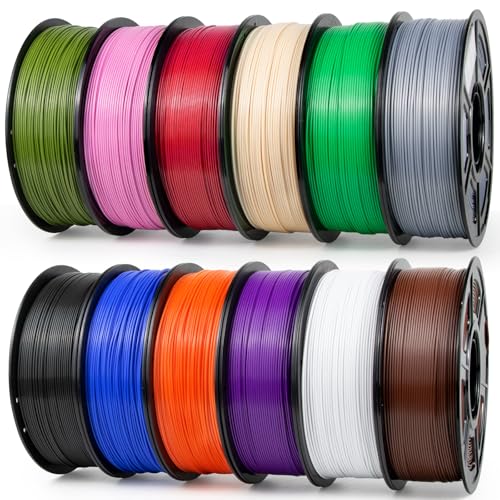
🌞【Excellent UV & Weather Resistance】- iSANMATE ASA filament is a highly durable material that offers exceptional UV, weather, mechanical, and thermal resistance, ensuring stability and durability in different temperature environments

【UV & Weather Resistant】Inslogic ASA offers superior outdoor durability—resistant to UV rays, rain, and heat, ideal for long-term external use.

① 【SUNLU ASA 3D Filament】ASA filament is kind of very strong and tough filament, stronger than PLA filament and ABS filament. No clog, no bubble, no tangle, good layer adhesion, easy to use.
PETG and ABS: When Heat-Resistant Filaments Fall Short
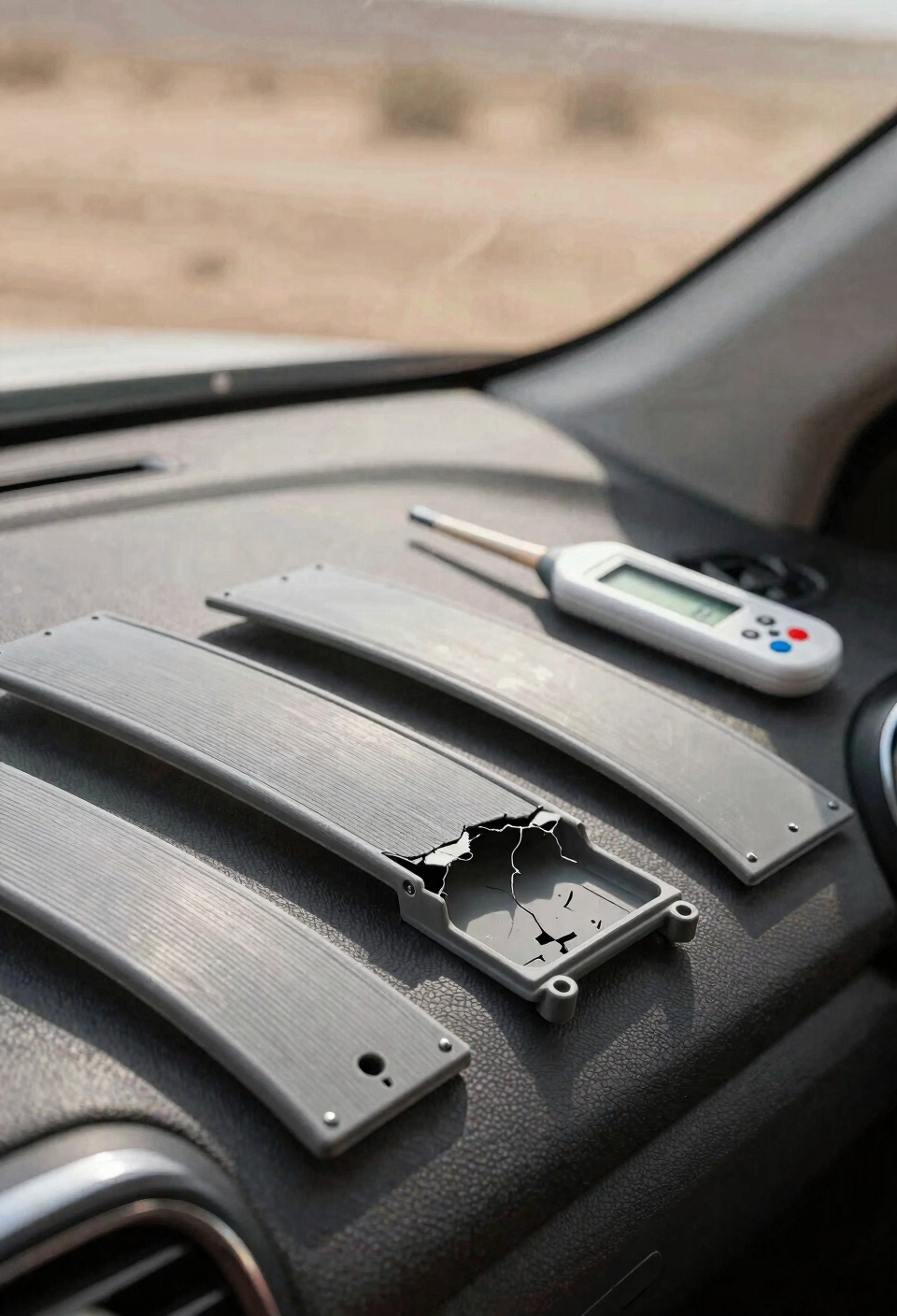
When you step up from PLA, you’ve probably heard people rave about PETG and ABS as the next big thing for car trim—and they’re not entirely wrong, but here’s where the story gets real: both materials sound way better on paper than they actually perform when your car’s baking in the summer sun. PETG looks promising because it’s got decent weld strength and chemical resistance, but here’s the problem—it creeps under sustained heat and load. Leave a clip-mounted part in direct sunlight for weeks, and you’ll watch it slowly sag. ABS performs better thermally, yet humidity effects mess with its stability over time, and surface gloss degrades faster. Both materials need babying, honestly. They’re not bad, just unreliable when you need durability that actually lasts. Consider instead high-grade materials like those used in premium automotive accessories, which prioritize durability and longevity in harsh cabin environments.
Recommended Products

Compatible Models:This steering wheel is primarily for Toyota Camry SE XSE XLE 2018-2024/RAV4 2019-2024/Avalon 2019-2024.Please refer to Figure 2 and ensure compatibility before replacing it. If the vehicle itself does not have a heating function,it can be upgraded with heating.The package includes upgrade accessories.
Compatible Models: This steering wheel with heating is primarily for Toyota Prado LC150 2010-2017/Tacoma 2012-2015/Tundra 2014-2021/4Runner 2014-2024/Sequoia 2014-2022.Not fit tacoma 2016+.If the vehicle itself does not have a heating function, it can be upgraded with heating. The package includes upgrade accessories.

- Carbon Fiber-Enhanced Mechanical Performance – Crafted as a carbon fiber-reinforced polyphenylene sulfide (PPS) composite, QIDI PPS-CF filament offers remarkable rigidity (with a bending modulus of up to 7160 MPa) and bending strength (142 MPa). Its precisely formulated fiber mixture boosts dimensional stability, reduces warpage and shrinkage, and surpasses most nylon filaments in structural dependability—making it perfect for high-precision functional components.
Polycarbonate and Engineering Plastics for Extreme Cabin Heat
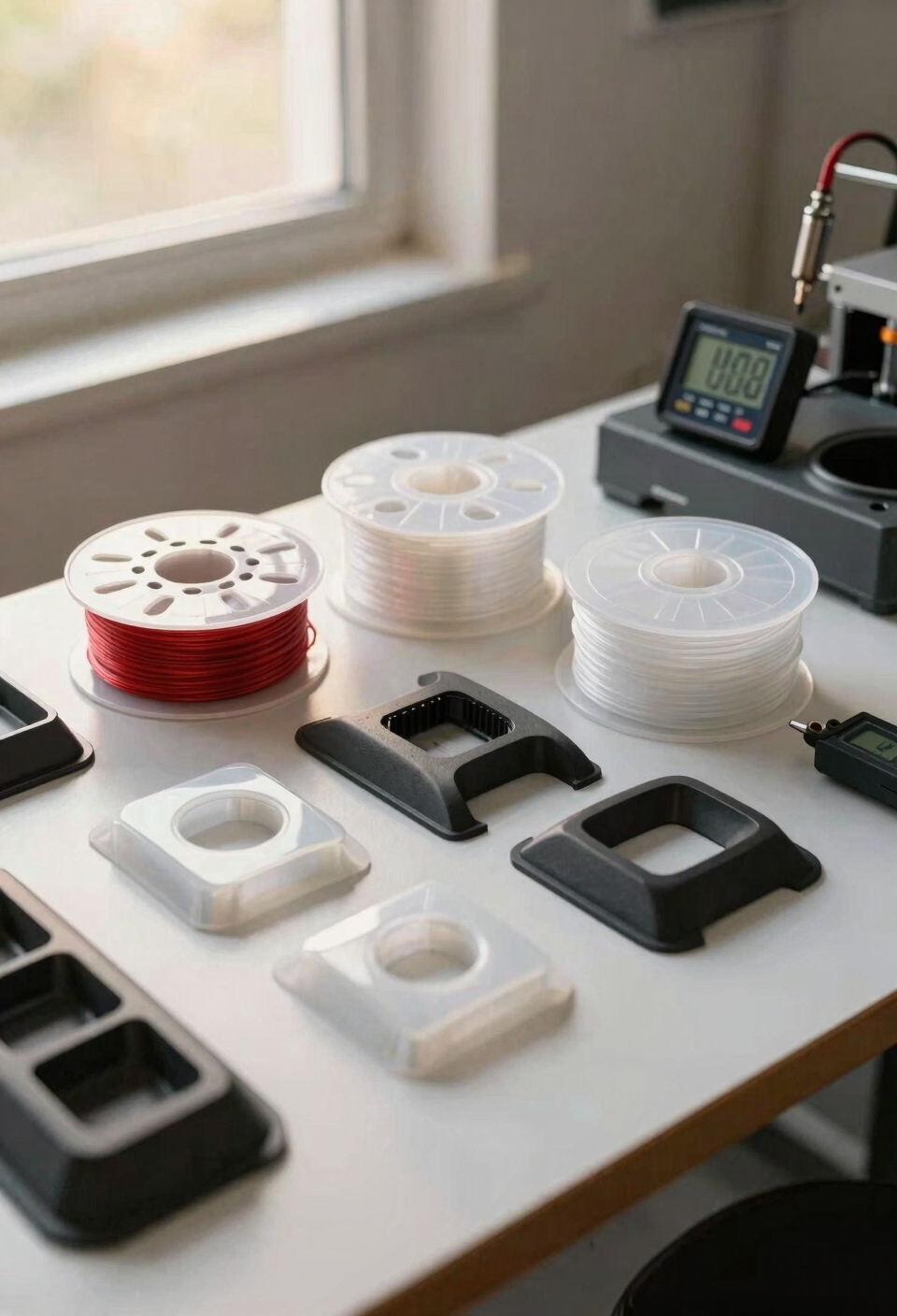
I’m talking real heat resistance here. High performance nylons work too, though they’re pickier to print. Both materials can handle sustained cabin temperatures without creeping or losing their shape. Yeah, they cost more and your printer might struggle, but for critical parts? They’re genuinely worth it. Consider pairing these materials with UV-protected accessories to ensure your interior components resist fading and degradation from prolonged sun exposure.
Recommended Products


🏆 PC 3D Printer Filament - Polymaker offers a range of PC filaments to meet your needs: PolyLite PC: Exceptional strength and heat resistance with light-diffusing properties. PolyMax PC: Enhanced temperature resistance, toughness, and printability. PolyMax PC-FR: Flame-retardant, helps slow or stop the spread of fire. PC-ABS: High toughness and heat resistance with a good surface finish. PC-PBT: Low-temperature toughness and chemical resistance.

【High Strength Carbon Fiber Material】PRILINE superhard carbon fiber polycarbonate Filament is high strength chopped carbon fiber infilled polycarbonate and glass fiber material, which is a perfect alloy of carbon fiber polycarbonate and glass fiber.
Carbon-Fiber Reinforced Filaments: Stiffness for Clips and Brackets
Now here’s where things get really interesting—carbon-fiber reinforced filaments take your 3D-printed trim from “pretty decent” to “actually reliable.” You know how regular plastic can flex and bend under stress? Carbon fiber fixes that. I’m talking about tiny fibers woven throughout your filament that seriously boost stiffness without adding much weight.
Here’s the thing: clips and brackets are always getting yanked, twisted, and vibrated in a car. Regular plastic fatigues and eventually snaps. Carbon-fiber reinforcement gives you continuous reinforcement along stress points, plus natural vibration damping—meaning your parts stay put and don’t rattle loose. All right, you’re printing brackets that won’t creep or fail after a few thermal cycles. That’s the difference between a weekend project and something that actually lasts. When selecting materials for interior components, prioritize heat-resistant materials to prevent warping and odors in high-temperature cabin environments.
Recommended Products

【CoreXY, 12X Super Fast】K1C 3D Printer inherits the lightweight and agile CoreXY system of K1, Max 600mm/s speed and 20000mm/s² acceleration.It can maintain print quality while printing at high speed, it is 12 times faster than the other normal 3d printer
Printing Settings and Design Choices That Improve Heat Resistance
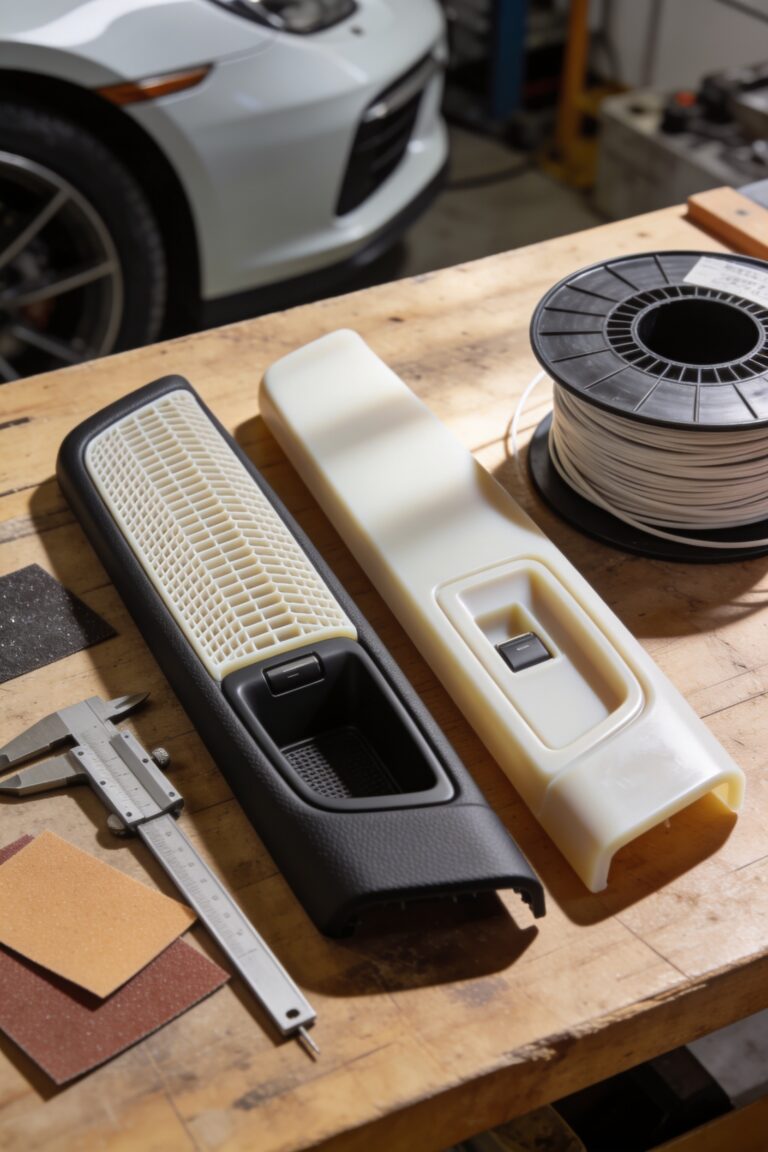
Here’s the thing—you can have the best heat-resistant filament in the world, but if you mess up your printer settings or design your part like it’s made of steel, you’re still going to end up with warped trim melting on your dashboard. I’m serious. Your nozzle temperature matters just as much as your material choice. Print too hot and you’re basically cooking your part before it even hits the cabin. Too cool and layers won’t bond properly. Now, layer orientation is huge—orient clips vertically so stress doesn’t snap across weak layer lines. Add ventilation features into your design so heat doesn’t trap inside. Consider annealing protocols after printing; gentle heat cycles can boost durability. Just as proper maintenance and care instructions extend the lifespan of car accessories, following these printing best practices will maximize the longevity of your 3D-printed interior trim. Details count.
Recommended Products
DESIGNED FOR TEACHERS: Get the award winning 3D45 PLUS 30 ready-to-implement, standards aligned lesson plans 3rd-12th grades. Extra PLA filaments(2), glue sticks(3) and build plate(1). Plus access the self-paced Professional Development training course on how to use and implement 3D printing. Certificate of completion may be eligible for 4 hours of PD credit.

Multi Color Printing: Creality K2 Plus Combo 3d printer, combines with a K2 Plus 3d printer and a CFS. Which can fulfill the multi color printing, up to 16 colors can be printed together. Single color printing is tedious, this printer brings you a new experience in printing job, increasing much fun in your life. An intelligent management of multiple filaments, no worry to paint your prints

【Massive Build Volume of 400x400x400mm】 Designed for professionals, the Ender-5 Max offers a spacious build area to handle large projects and batch printing efficiently, freeing you from size limitations.
Why Light Colors, Smart Orientation, and Finishing Matter
Getting your material and print settings dialed in is only half the battle—what you do *after* the printer finishes matters just as much. Color selection is huge because light-colored parts actually reflect sunlight instead of soaking it up like dark trim does. I’m talking a real temperature difference on your dash. Layer orientation also counts—you want snap-fits and tabs positioned so stress doesn’t snap across those weak layer lines. Now, surface finishing isn’t just about looks. Smoother surfaces reduce heat buildup, and some materials benefit from annealing, which basically toughens them up. The trade-off? They might shrink slightly. Weather-resistant coatings can also extend the lifespan of your 3D-printed trim components when exposed to extreme heat and UV conditions inside the cabin. All right, the point is: pick white or gray when you can, orient your parts smart, and finish them thoughtfully. That’s how you beat the heat.
Test Before Installation: Validating Your Material Choice
You could pick the perfect material, nail your print settings, choose the ideal color, and still end up with a warped mess stuck to your dashboard in August—and that’s exactly why testing before you install anything is non-negotiable.
Here’s what I mean: laboratory heat ratings don’t always match real world sunload. That’s why you need to stick your printed part on an actual dashboard or windshield trim for a few weeks during hot weather. Let it soak through thermal cycles—morning cool to afternoon bake, repeat.
For clip-heavy parts, run clip fatigue testing too. Install and remove your brackets dozens of times while it’s heated. This catches creep failures that won’t show up in a single test. Trust me, validating now beats replacing it later.
When selecting materials for your 3D-printed interior trim, prioritize heat-resistant construction similar to the military-grade ABS plastic used in premium automotive organizers, which can withstand temperatures up to 185°F and maintain structural integrity through repeated thermal stress cycles.
Frequently Asked Questions
Can I Use Heat-Resistant PLA Blends Safely for Dashboard Vents in Direct Sunlight?
I’d recommend caution with heat-resistant PLA blends for dashboard vents in direct sunlight. While they’re improved, ultraviolet degradation and surface finish deterioration remain concerns. ASA or polycarbonate blends offer better long-term reliability for sustained solar exposure.
How Does Thermal Cycling Damage 3d-Printed Trim Differently Than Sustained High Temperature?
You’d think constant heat’d be worse, but I’ll tell you—it’s the cycling that kills your trim. Daily temperature swings create differential expansion, triggering microcrack propagation that sustained heat never matches. It’s the repeated stress that breaks things.
What’s the Cost Difference Between ASA and Polycarbonate for Automotive Interior Applications?
ASA typically costs 30–50% less per kilogram than polycarbonate, though I’d say the performance gap justifies PC’s premium if you’re designing parts for extreme heat where material cost won’t compromise durability.
Does Annealing PLA or PETG Improve Heat Resistance Enough for Cabin Use?
Annealing won’t sufficiently improve PLA or PETG for hot cabins—I’d skip it. Studies show cabin temps hit 100°C regularly. While annealing increases crystallinity effects over extended timeframes, it can’t overcome these materials’ fundamental softening limits.
How Many Heat-And-Vibration Cycles Should I Test Before Trusting Printed Clips?
I’d recommend at least 100–200 heat-and-vibration cycles to assess long-term durability. Fatigue testing that mimics real cabin conditions—daily temperature swings, vibration, and clip stress—reveals whether your design’ll hold up before you trust it in production.
Conclusion
You’ve probably wondered if you can just print custom interior pieces for your car and call it done. Here’s the truth: most common 3D printing materials melt or warp in a hot cabin. But here’s the thing—you *can* make this work. The right material choice, combined with smart design and testing, means your printed trim actually survives summer. ASA and polycarbonate aren’t magic, but they’re close enough.