As an Amazon Associate, we earn from qualifying purchases. Some links on this site are affiliate links at no extra cost to you. Our recommendations are based on thorough research and editorial judgment.

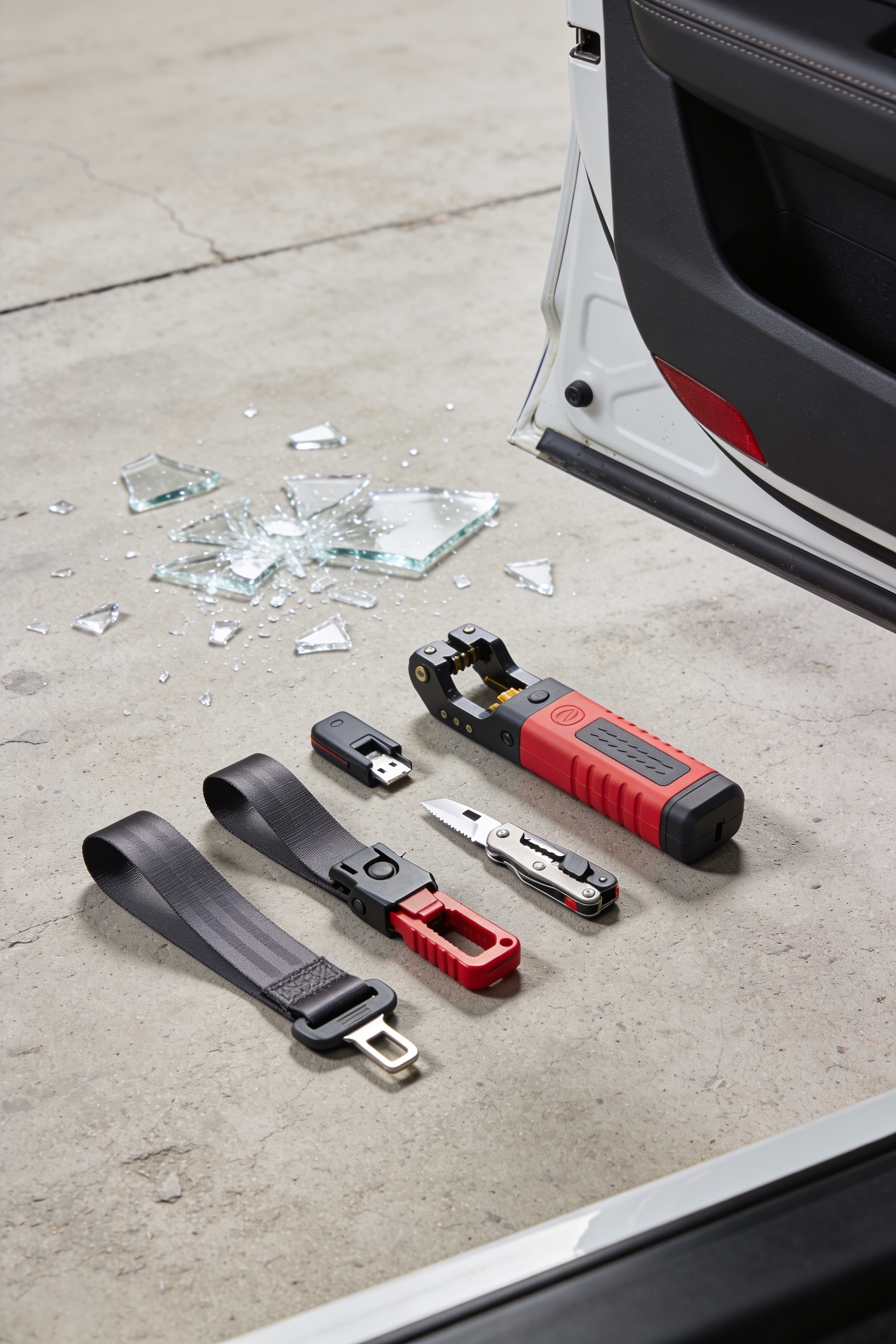
Emergency Escape Tools: What Makes Them Reliable?

your escape tool only works if three things line up perfectly. First, you need the right design—spring-loaded with a ceramic tip beats a hammer every single time because it concentrates force exactly where glass shatters. Second, your tool needs to match your car’s glass type, since newer vehicles use laminated glass that laughs at most tools. Third, and this kills most people, you’ve gotta mount it where you can actually grab it in a panic, not buried in your trunk. Stick around to find out which tools don’t fail when it counts.
Key Takeaways
- Spring-loaded ceramic-tipped breakers deliver concentrated force that consistently shatters tempered glass reliably in emergency situations.
- Proper mounting on driver’s side door ensures instant accessibility when needed most during high-stress scenarios.
- Regular inspection and annual testing identify component failures like spring degradation or ceramic tip damage early.
- High-quality materials like forged steel and anodized aluminum resist corrosion and degradation during long-term storage.
- Proper maintenance prevents rubber grip deterioration and adhesive breakdown that compromise tool functionality over time.
Why Glass Type Determines if Your Escape Tool Works
not all car windows are created equal, and your emergency escape tool might be totally useless depending on which one you’re trying to break.
See, there’s this thing called Automotive Glassistry—basically, the science of car glass—and it matters big time. You’ve got two main types: tempered and laminated. Tempered glass shatters into tiny, harmless pieces when you hit it hard. Laminated glass? That stuff stays stuck together even after cracking, like it’s got invisible glue holding it. Here’s the kicker: most escape tools crush tempered windows no problem, but they can’t penetrate laminated glass at all. Newer cars use way more laminated glass, so knowing the difference between laminated vs tempered could literally be the difference between getting out and staying trapped. Just like selecting the right car hoist accessory capacity ensures safety during maintenance, choosing an escape tool matched to your specific window type is essential for emergency situations.
Recommended Products

Built in 2-tier glass shelving storage system

Reversibly engineered for left or right handed door installation

STYLE & FUNCTION - 56-60 in W x 76 in H. The adjustable width of this shower door with sliding glass doors is ideal for many sizes. Double sliding bypass design for left or right side entry lets you choose how you enter the shower; Includes one through-the-glass exterior towel bar and one through-the-glass pull knob in oil rubbed bronze
Spring-Loaded vs. Hammer Tools: Which Design Actually Works
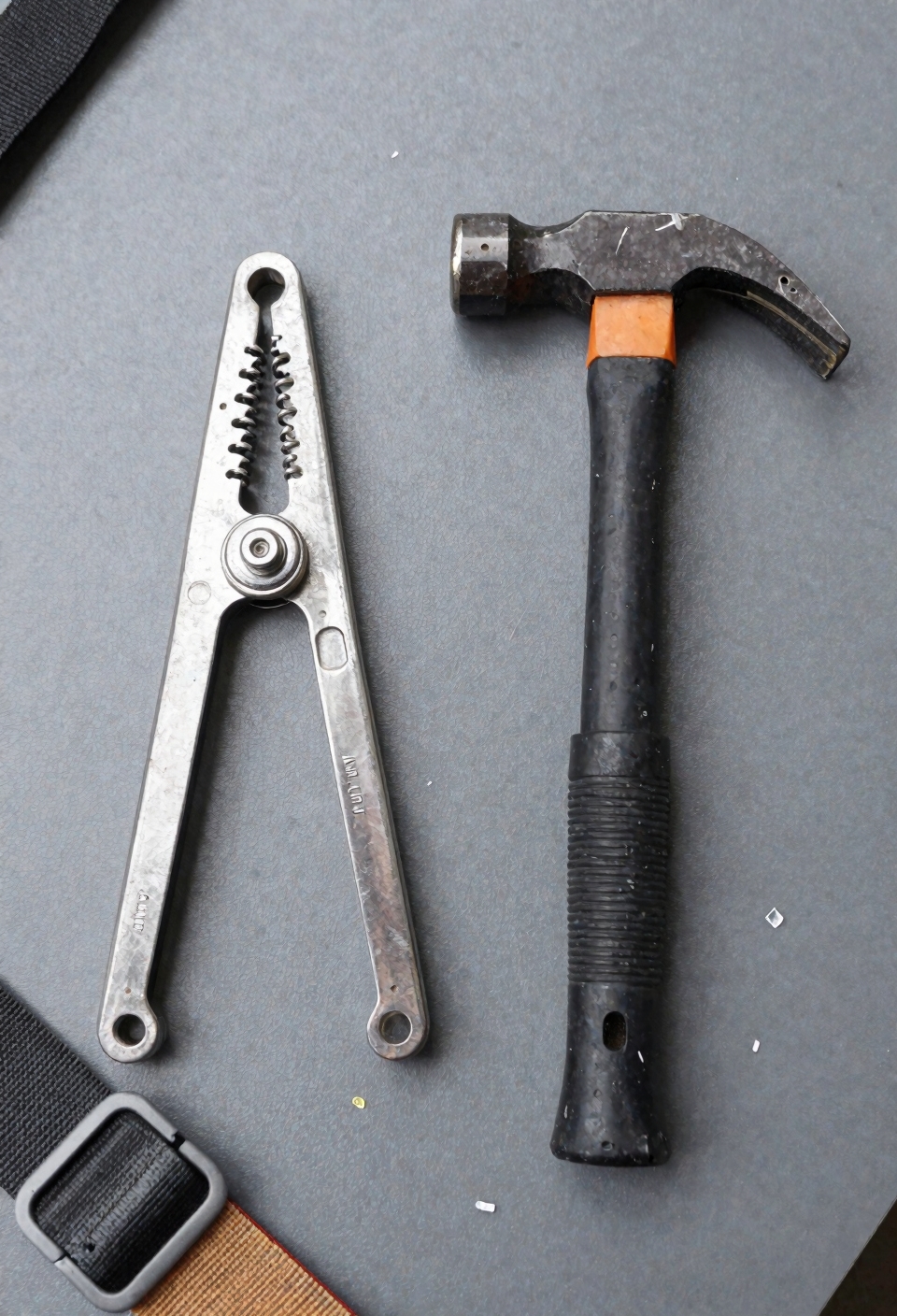
Now that you know glass type basically determines whether your escape tool will actually work, here’s the thing: even if you’ve got the right tool for the right glass, the *design* of that tool makes a huge difference. See, spring-loaded tools crush tempered windows way better than hammer-style ones. Why? It’s all about impact mechanics—a spring striker creates one concentrated, powerful point of force instead of spreading energy across a wider area. Think of it like the difference between a focused punch versus pushing with your whole hand. AAA’s testing proved spring-loaded tools shattered tempered glass consistently, while hammers fumbled repeatedly. Plus, underwater situations? Forget hammers entirely. They’re basically useless. Spring designs dominate in real emergencies because physics actually matters here. Just as waterproof materials and weather-sealed construction protect tactical vehicle gear from environmental damage, reliable escape tools must withstand the extreme conditions of emergency situations without failure.
Recommended Products

The original 2-in-1 lifesaving compact emergency car safety tool: this emergency keychain hammer provides peace of mind to yourself and your family on the road in case of car entrapment. Can be used in various situations such as rollover, electrical system failure, car fire, floods, sinking car accident.
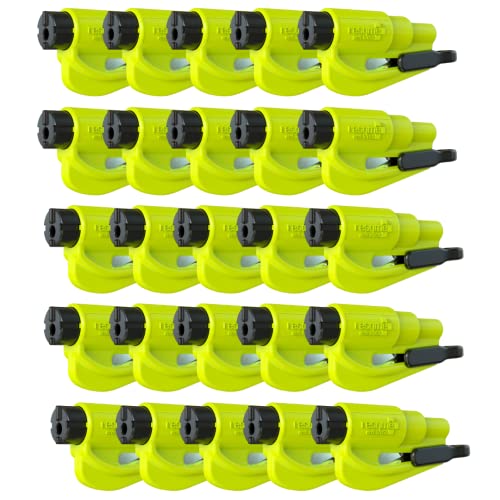
The original 2-in-1 lifesaving compact emergency car safety tool: this emergency keychain hammer provides peace of mind to yourself and your family on the road in case of car entrapment. Can be used in various situations such as rollover, electrical system failure, car fire, floods, sinking car accident.

The original 2-in-1 lifesaving compact emergency car safety tool: this emergency keychain hammer provides peace of mind to yourself and your family on the road in case of car entrapment. Can be used in various situations such as rollover, electrical system failure, car fire, floods, sinking car accident.
Ceramic Tips: The Material That Shatters Glass Reliably
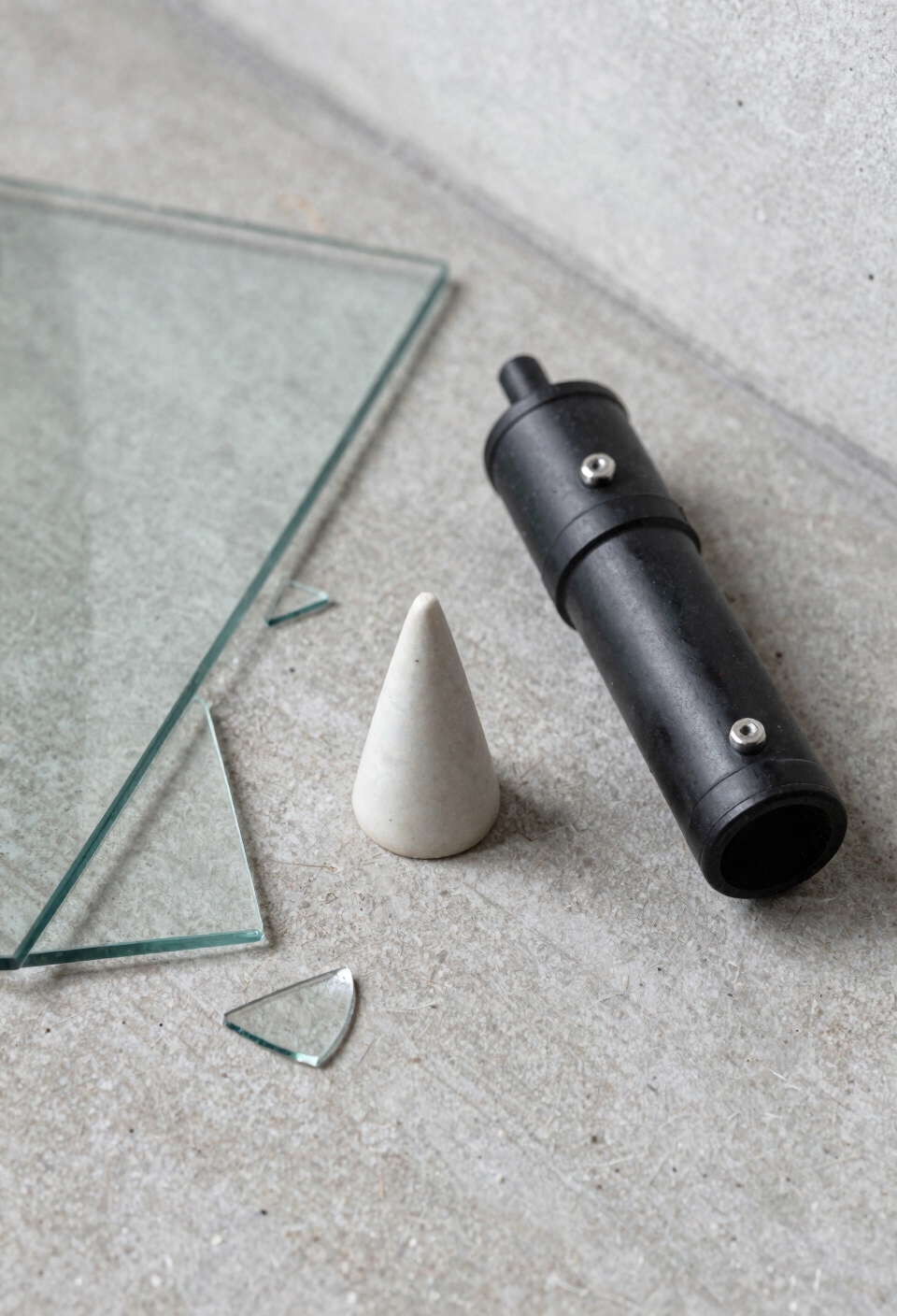
If your breaker is softer than what you’re trying to break, you’re just going to bounce around and waste precious seconds in an actual emergency. That’s why ceramic tips matter so much. Here’s the thing: ceramic is harder than glass, which means it actually works instead of just sliding off uselessly. When you strike tempered glass with ceramic, thermal shock happens—the sudden temperature change creates stress that shatters the glass. I’m not talking complicated physics; I’m talking real results. All right, so why does this matter to you? Because in a crisis, you don’t want to gamble on whether your tool will actually do its job. Ceramic tips give you that reliability. Low-cost tools with ceramic tips beat expensive ones without them every single time. Similar to how shatterproof materials are engineered into safety equipment like emergency mirrors and protective devices, ceramic tips are specifically designed to handle high-stress situations where performance cannot fail.
Recommended Products

220V- 240v Electric Radiant Cooktop:5 burner electric cooktop --2×1200W and 2×2000W and 2200W,240V/60Hz. The 5 burners LED Touch Screen. It can heat up quickly and help to prepare different delicious foods at the same time. Save time and energy. Whether it’s a weekend gathering or friends' visit, you can easily finish a big meal to entertain them. TIPS: The cooktop is without plug. Built-in Cooktop need to be conected to hard wired(220-240v).

Unique Innovation: Kinematic deploys the blade with push of the thumb

Tactical LED torch, 10,000 lumens, Li-ion battery, 2 m waterproof, glass breaker
Seat Belt Cutters: The Essential Second Function
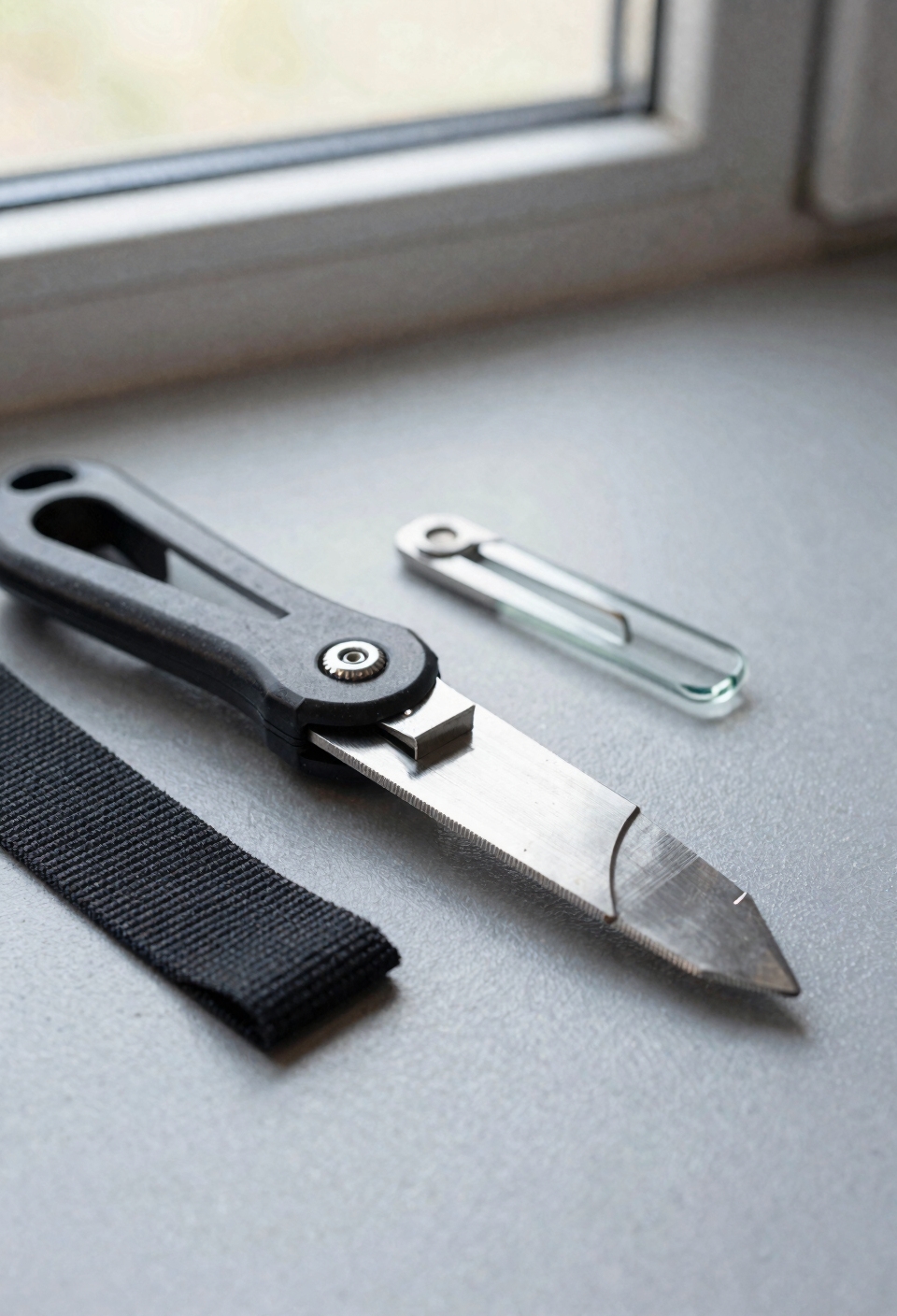
Breaking a window gets you out of the car, but a jammed seat belt keeps you trapped—and that’s where the second function comes in. I’m talking about the built-in seat belt cutter that makes quality escape tools actually useful in real emergencies. You see, when your buckle won’t click or your body’s pinned at a weird angle, you need something sharp and reliable. That’s why the best tools combine glass breaking with cutting capability. One handed operation is vital here—you might be injured or panicked, so you can’t fumble with two hands. Look for blades that stay sharp through storage and handle regular blade maintenance. Just as color-coded and labeled wires simplify complex installations by reducing errors, a well-designed escape tool with clear operational indicators helps users act quickly under stress. Honestly, a tool without a cutter is just half the solution.
Recommended Products

Premium 1.4116 Stainless Steel Blade Engineered for exceptional durability and corrosion resistance, ensuring long-lasting performance in any environment.
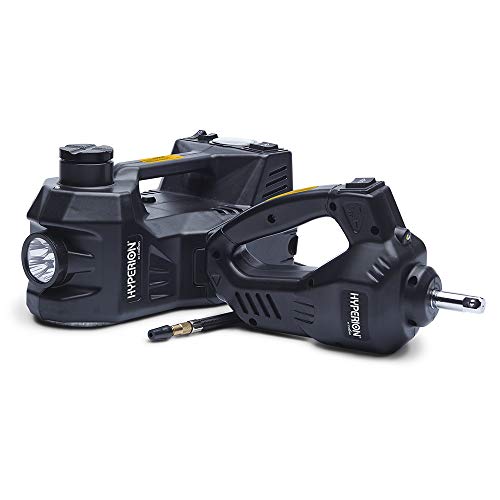
JACK & TIRE PUMP COMBO: Compatible with vehicles with a minimum ground clearance of 7 inches, the 2-in-1 12V electric hydraulic floor jack lifts up to 3 tons (6,000 lb) with a lifting height of 6 to 17.5 inches; built-in tire compressor with a 77 lb/min inflation speed and 150 PSI max pressure inflates your tire in minutes

Mpn: 831713
Mounting Location: Why Accessibility Kills Most Tools
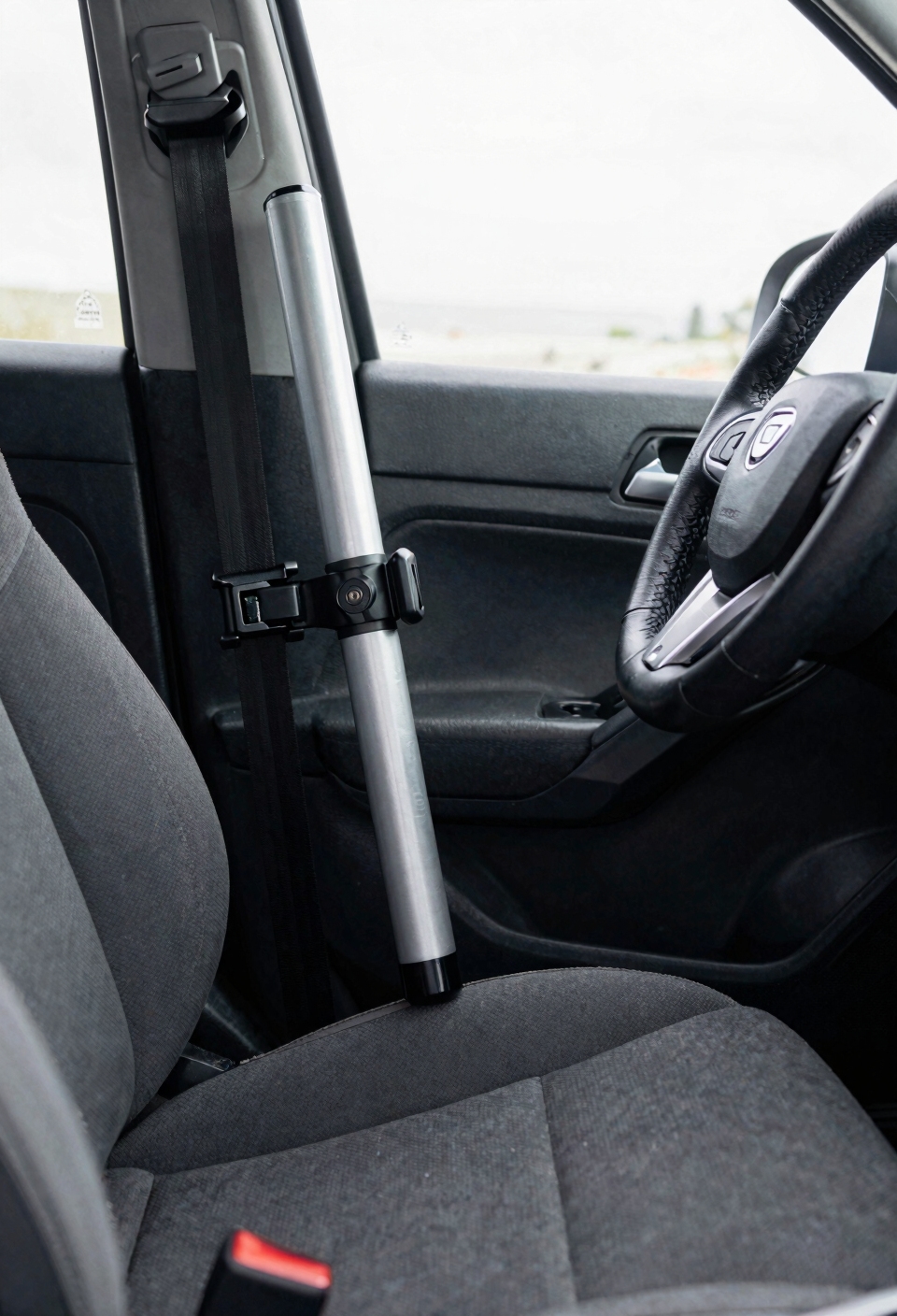
your glove box might be crushed, your trunk completely inaccessible. But a tool mounted on your door? You can grab it instantly without fumbling around. That’s the difference between a smart investment and expensive decoration. Accessibility isn’t just a nice feature—it’s literally what makes your escape tool actually work when it matters. Just as quick installation and tool-free setup are critical for car safety accessories to function reliably in emergencies, escape tools must be positioned where you can reach them without delay or distraction.
What Independent Testing Actually Revealed
All right, so we’ve established that mounting your escape tool where you can actually grab it matters way more than keeping it hidden away somewhere safe. But here’s what really blew my mind: when independent testers like Fair Go actually put these tools to work, the testing variability was wild. They tested three different escape tools, and honestly? All three worked for cutting seat belts and smashing windows. The catch? How you use them changed everything. Real world scenarios aren’t lab conditions—stress, panic, awkward angles in a car—they all affect performance. That’s why I always say skip the fancy lights and chargers. Pick tools with actual documented testing backing them up. Beyond emergency features, the materials and construction quality of your support handles directly impact their reliability during critical moments, with forged steel and anodized aluminum designs offering superior durability compared to lower-cost alternatives.
Durability Fails Over Time: Storage Kills Tool Readiness
You can buy the absolute best glass breaker on the market, but if it’s been sitting in your car for three years without anyone touching it, you might’ve just wasted your money. Here’s the thing: tools don’t stay perfect just because you’re not using them. Metal parts experience long term corrosion from humidity and temperature changes in your vehicle. The rubber degradation on grips and seat belt cutters happens whether you’re looking at the tool or not. I’m sure you’ve thought about this before—your emergency escape tool needs maintenance too. Test it yearly, keep it somewhere accessible, and actually check that it still works. Many disability car accessories incorporate hardened steel window breakers and sharp, protected blades designed for reliable performance in emergency situations. A tool that’s deteriorated won’t help you when you need it most.
User Mistakes That Tank Tool Performance
Even if you’ve got the best emergency escape tool money can buy, I’ve seen plenty of people mess up the actual moment of truth—and it’s not because the tool failed them.
Here’s the thing: panic grip ruins everything. When you’re stressed, you squeeze too hard or angle the tool wrong, and suddenly that spring-loaded breaker doesn’t work like it should. I mean, technique actually matters.
Then there’s improper storage. You buy this awesome escape tool, toss it in your trunk, and forget about it for three years. When you finally need it? The spring’s dead or the ceramic tip’s damaged. Just like commercial-grade adhesives lose effectiveness over time without proper care, emergency tools require consistent maintenance and inspection to stay reliable.
All right, so keep your tool mounted where you can actually reach it, and practice using it when you’re calm. That’s what separates prepared from panicked.
Build Quality and Material Standards That Last
Because a tool’s only as good as the materials it’s made from, here’s the real talk: that escape hammer sitting in your car needs to actually work when your life depends on it. You want ceramic tips—they’re harder than glass, which means they’ll actually break it. Now, material traceability matters because you’re buying from companies that know where their stuff comes from and stand behind it. Manufacturing tolerances keep everything consistent, so you’re not getting a dud. I mean, this isn’t fancy engineering—it’s durability basics. Strong construction means your tool performs the same way after five years of sitting unused as it does fresh from the box. Reinforced stitching and water-resistant materials prevent peeling edges and loose components that could compromise your escape tool’s functionality. That’s real reliability.
Choosing Your Escape Tool: Match It to Your Vehicle
All right, here’s where a lot of people mess up: they’ll grab whatever escape tool looks coolest online without actually thinking about what’s sitting in their driveway. Your vehicle compatibility matters way more than you’d think. Here’s the deal—newer cars often have laminated side windows that basically laugh at most tools, while older vehicles typically have tempered glass that’s way easier to break. You’ve also got to take into account door placement. Mounting your tool on the driver’s side door keeps it within arm’s reach when you actually need it. Don’t shove it in your glove box or trunk where you can’t grab it fast. Match your tool to your specific car, then mount it where you can actually reach it. Just like with other vehicle accessories, verify exact model year compatibility to ensure your escape tool works effectively with your vehicle’s window construction and door configuration.
Recommended Products

Compatible with: Esigned specifically fit for Ford F150 F250 F350 F450 Focus Edge Escape Explorer Taurus.

Garmin 010-01879-01 InReach Mini, Lightweight and Compact Satellite Communicator, Black, 1.27 inches
Small, rugged, lightweight satellite communicator enables 2 way text messaging using the 100% global Iridium network (satellite subscription required)

Compatible List: - The Car front and rear door side windows External recessed side window sunshade Compatible with Ineos Grenadier 2020 2021 2022 2023 2024 2025 , Please take some time to check the mounting position and the compatible models and years for this item before purchase in case the product doesn't fit.
Frequently Asked Questions
Are Escape Tools Legal to Carry in My Vehicle in All States?
No, escape tools aren’t legal everywhere. I’d recommend checking your specific state laws regarding concealed carriage, as regulations vary markedly. Some states restrict certain tool types, so I suggest verifying local requirements before carrying one.
How Often Should I Replace My Emergency Escape Tool?
I’d replace your escape tool every 3-5 years, though it depends on features. Think of it like a fire extinguisher—you don’t need a new one until it fails. Do annual inspections and battery replacement for tools with lights to guarantee reliability when you need it most.
Can Escape Tools Work Effectively on All Vehicle Window Positions?
No, I can’t rely on escape tools working equally on all windows. Front vs. rear positions differ markedly, and locked vs. unlatched status affects accessibility. Laminated glass in newer vehicles resists breaking better than tempered side windows.
What’s the Difference Between Tempered and Laminated Side Glass?
I’ll explain the key distinction: tempered safety glass shatters into small cubes when broken, while laminated security glass stays bonded together even when cracked. This makes laminated windows far more resistant to emergency escape tools.
Do Escape Tools Expire or Lose Effectiveness Over Time?
Your escape tool’s a ticking clock. I’d say yes—material degradation, battery corrosion, and weakened spring tension all happen over time. Protective coatings wear down, reducing ceramic tip effectiveness and reliability when you need it most.
Conclusion
Look, your escape tool is like a fire extinguisher—you’re praying you never need it. But when that moment hits, you’ll want something that actually *works*. Pick a tool with ceramic tips, check its mounting spot, and test it before crisis strikes. You’re not just buying an accessory; you’re buying peace of mind. That’s worth the investment every single time.