As an Amazon Associate, we earn from qualifying purchases. Some links on this site are affiliate links at no extra cost to you. Our recommendations are based on thorough research and editorial judgment.

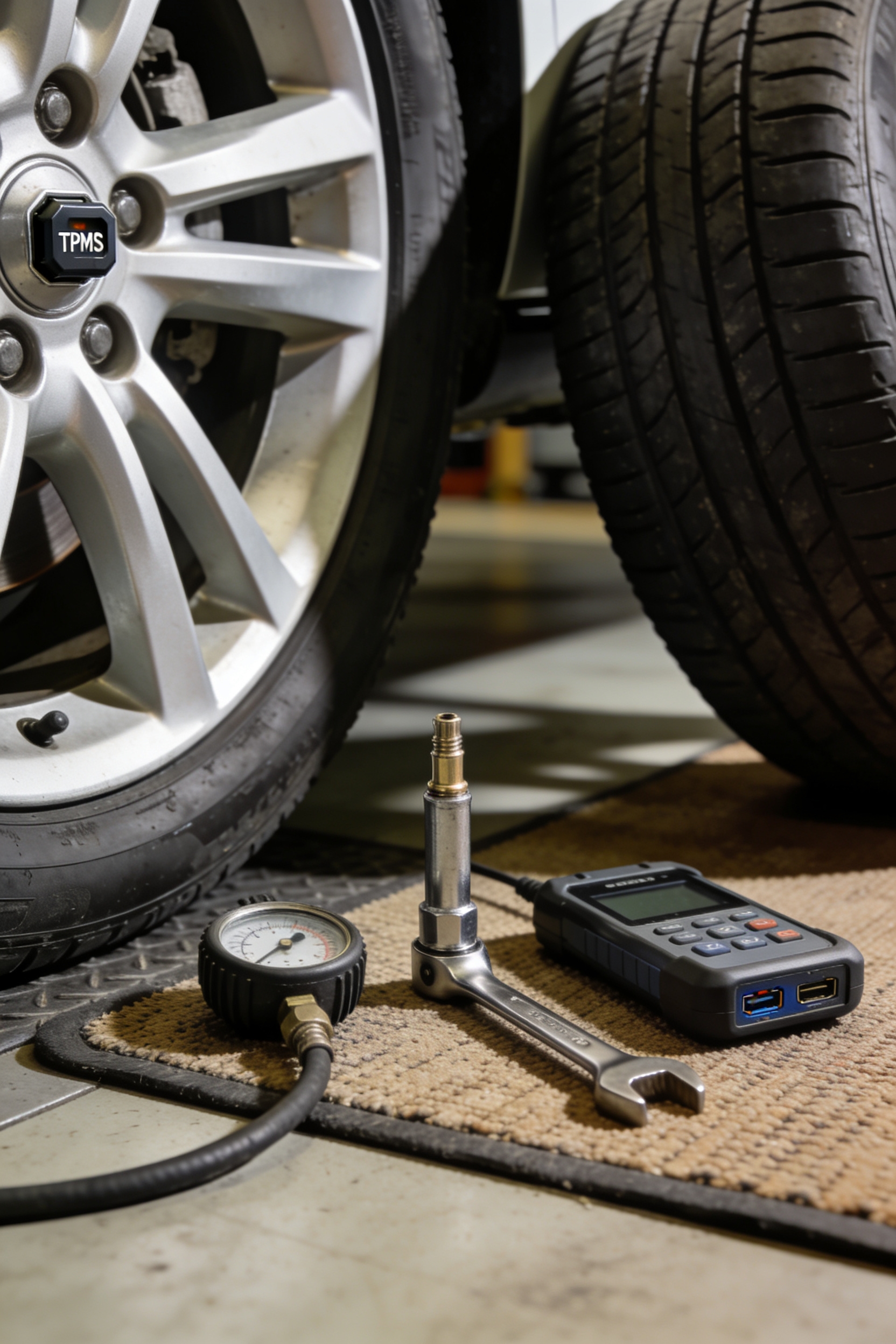
How to Recalibrate TPMS After Rotating or Replacing Tires

Your TPMS sensors get all confused when you rotate tires because each one’s mapped to a specific wheel spot. I mean, suddenly they’re in the wrong positions, right? The good news is you’ve got this. Check your tire pressures first, then hit that reset button under your steering wheel until the warning light blinks three times. Drive for about ten minutes at highway speed, and boom—your system relearns everything. The details on nailing this perfectly are waiting for you.
Key Takeaways
- Check all four tires to the recommended PSI on the driver’s door sticker before recalibrating the TPMS system.
- Locate the TPMS reset button, usually under the steering wheel or in the glove box of your vehicle.
- Turn the ignition to ON and hold the reset button until the TPMS warning light blinks three times.
- Drive for five to ten minutes at approximately 50 mph to allow the system to relearn sensor positions.
- Verify successful recalibration by confirming the TPMS warning light disappears from your vehicle’s dashboard after driving.
What Happens to Your TPMS During Tire Rotation
your car’s TPMS (that’s the Tire Pressure Monitoring System, basically a bunch of tiny sensors that keep tabs on your tire pressure) is kind of freaking out.
See, each sensor is assigned to a specific wheel position—front left, front right, rear left, rear right. When you rotate your tires, those sensors move around too. Your car’s system gets confused because the sensor pairing gets all mixed up. The location mapping that your vehicle relies on? Gone. Your TPMS doesn’t know which sensor belongs where anymore, so it can’t accurately track your tire pressures. That’s why recalibration isn’t optional—it’s actually pretty important for keeping everything running smoothly. Similar to how color-coded wiring harnesses simplify installation by clearly organizing connections, your vehicle’s tire pressure monitoring system relies on precise positional mapping to function correctly.
Recommended Products

[All-System OE-Level Diagnostics & Wide Vehicle Coverage] Covers US, Asian, and European makes/models with OE-level access to engine, transmission, ABS, SRS, and all electronic systems. Reads/clears codes, views live data—solving complex diagnostic issues without switching between tools.

🎉2026 NEWEST! Features upgraded: Upgrade of MK900-TS🎉 As the upgrade model of MX900/MK808/MK808TS/MK808BT/MP808TS/TS608/TS601, this Autel TS900 TPMS tool perfectly combines all-system diagnostics, complete TPMS (TPMS programming/ relearn/ Activate), 3000+ Active Test, 40+ Services, bi-directional control, it also equipped with advanced processor, Faster 1.8GHZ Processor & 4G RAM, greater 8-inch LED capacitive touch screen with 1280 x 800 resolution upgraded to android 11& 64G storage memory, and more new features: WiFi Print, Pre&Post Scan, TPMS Tetrofit & ToolKit, FCA Renault SGW. Compatible With Tesla TPMS Sensor, Reads 315MHz,433MHz,434MHz, and 2.4GHz BLE Bluetooth Sensors.

[NEW! TS900, UPGRADE OF TS608] Autel MaxiTPMS TS900 TPMS tool is a three-in-one, TPMS, diagnostics, Service, wireless touchscreen tablet which can perform complete TPMS (TPMS programming/ relearn/ Activate) 3000+ Active Test 40+ Services OE-Level Diagnose. And more new features: WiFi Print, Pre&Post Scan, TPMS Tetrofit & ToolKit, FCA Renault SGW. The TS900 TPMS scan tool is also compatible with the Autel MX Sensor BLE, preprogrammed for Tesla vehicles.
Choose Your TPMS Reset Method
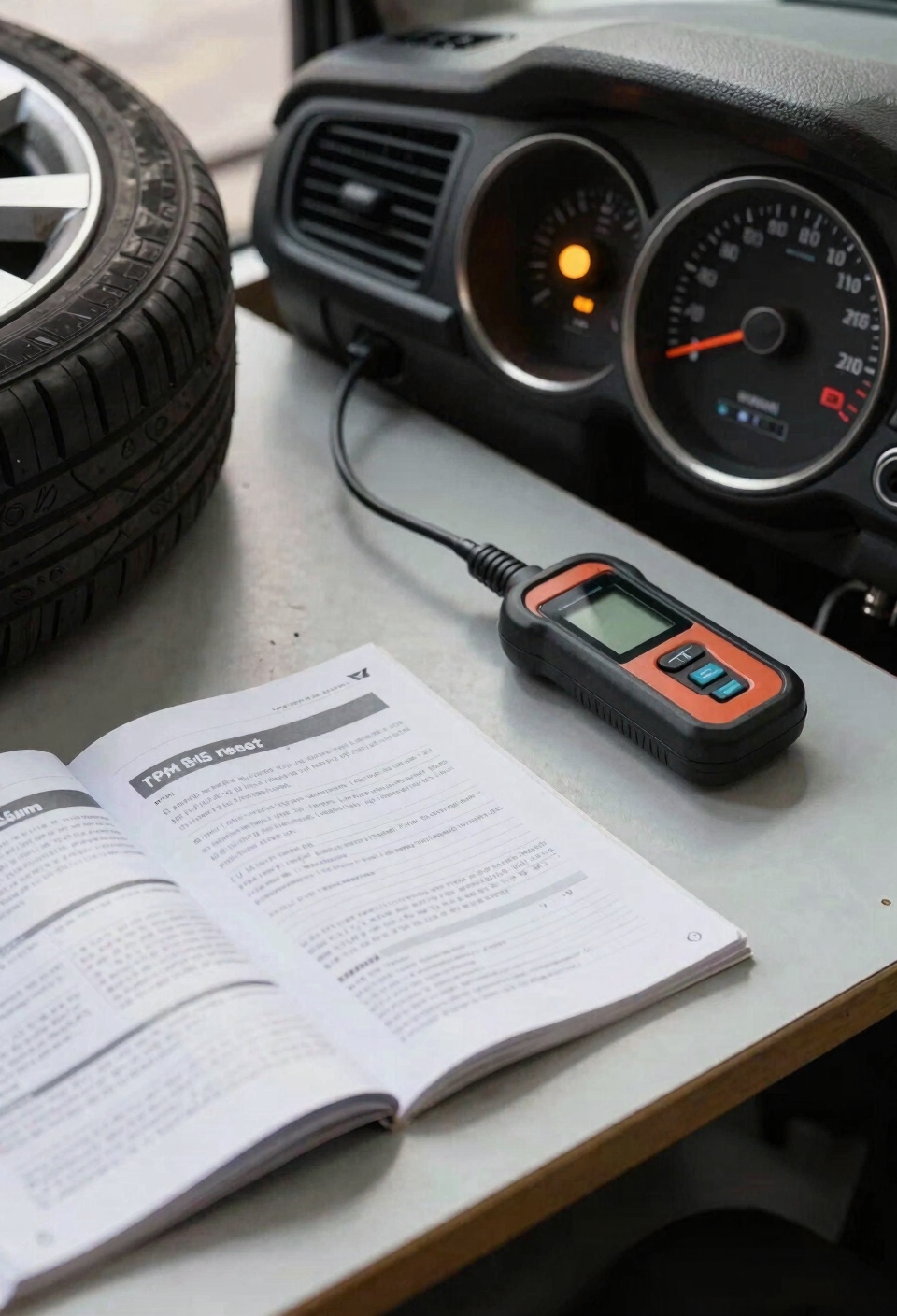
Now that you understand why your TPMS sensors get all jumbled up during a tire rotation, here’s the good news—resetting the system isn’t some complicated mechanic-only thing. You’ve got options depending on your car.
Most newer vehicles have an automatic system that resets itself after you drive for a few minutes. Pretty convenient, right? If yours doesn’t do that, you can manually reset it using your dashboard button—usually hidden under the steering wheel or in your glove box. For sensor pairing to work correctly, you’ll press that button until your TPMS light blinks three times.
Now, some cars need professional help. That’s where tool compatibility matters. Older vehicles or luxury cars might require specialized diagnostic equipment that shops have. Similar to car audio installations, proper wire gauge selection ensures your vehicle’s electronic systems function optimally and safely. I mean, it depends on your specific make and model, honestly.
Recommended Products
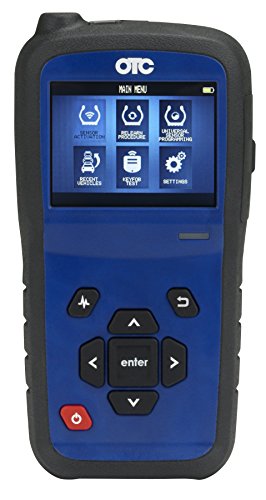
Both a sensor activation and diagnostic device which couples On-Board Diagnostic (OBD) II relearn capabilities all in one compact and portable housing

【2 in-1 Dual Frequency】The Autel MX-sensors TPMS sensors combine dual frequency (315MHz+433MHz) in one. With 100% original sensor ID cloning, the MX-Sensors can be replaced directly in the same position without relearning. Pairing with the Autel MaxiTPMS tools, all the Autel MX-Sensors can be activated, programmed, and relearned well so that you can highly effectively replace the old one.

Autel MaxiTPMS ITS600 TPMS programming tool is a comprehensive, Bluetooth-enabled diagnostic scan tool designed for TPMS (Tire Pressure Monitoring System) diagnostics and service. It is a versatile, Android-based tablet that offers a wide range of features for servicing TPMS-equipped vehicles, making it an ideal tool for automotive professionals.
Check and Adjust Tire Pressures Before You Reset
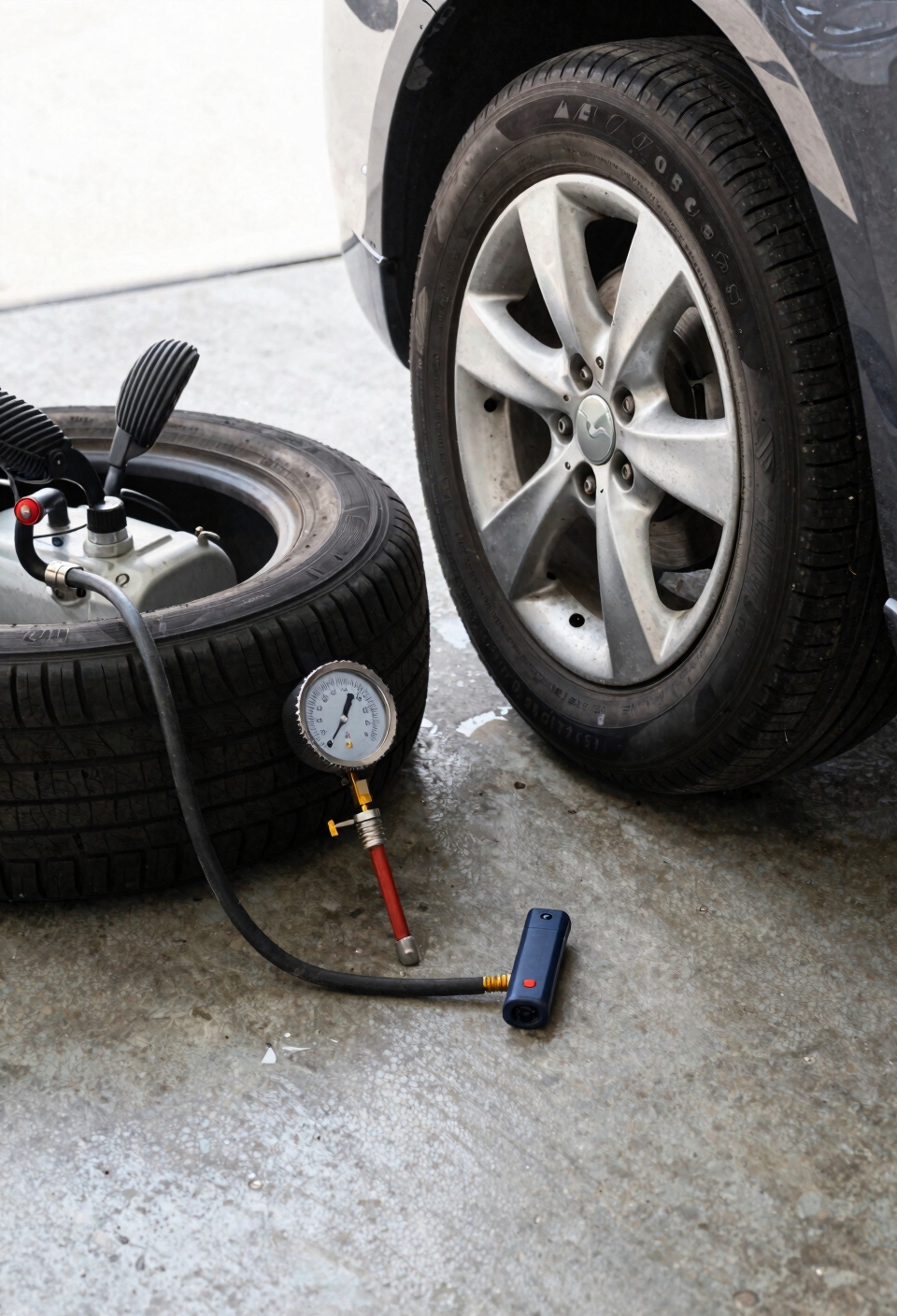
Here’s the thing—before you even think about pressing that reset button, you’ve gotta make sure your tires are actually at the right pressure. I’m serious, this step matters way more than people realize.
Find your vehicle’s recommended cold inflation pressure—that’s the PSI when your tires are cool, not hot from driving. You’ll spot this number on a sticker inside your driver’s door or in your owner’s manual. Park on level ground, grab a tire pressure gauge, and check all four wheels.
Inflate or deflate each tire to match those specs exactly. Now, here’s why this actually matters: if your pressures are off before you reset, your TPMS system learns the wrong numbers. You’ll get inaccurate readings even after recalibration. Also, while you’re checking, watch for valve corrosion—crusty valves can mess with your sensors. Just like commercial-grade adhesives require proper surface preparation for optimal performance, your tire sensors need clean, well-maintained valves to function correctly. Take five minutes, do it right, and you’re golden.
Recommended Products

The most accurate tire inflator gauge available anywhere on the market - 0. 05 % accuracy

International products have separate terms, are sold from abroad and may differ from local products, including fit, age ratings, and language of product, labeling or instructions.
International products have separate terms, are sold from abroad and may differ from local products, including fit, age ratings, and language of product, labeling or instructions.
Reset Your TPMS Using Your Vehicle’s Dashboard
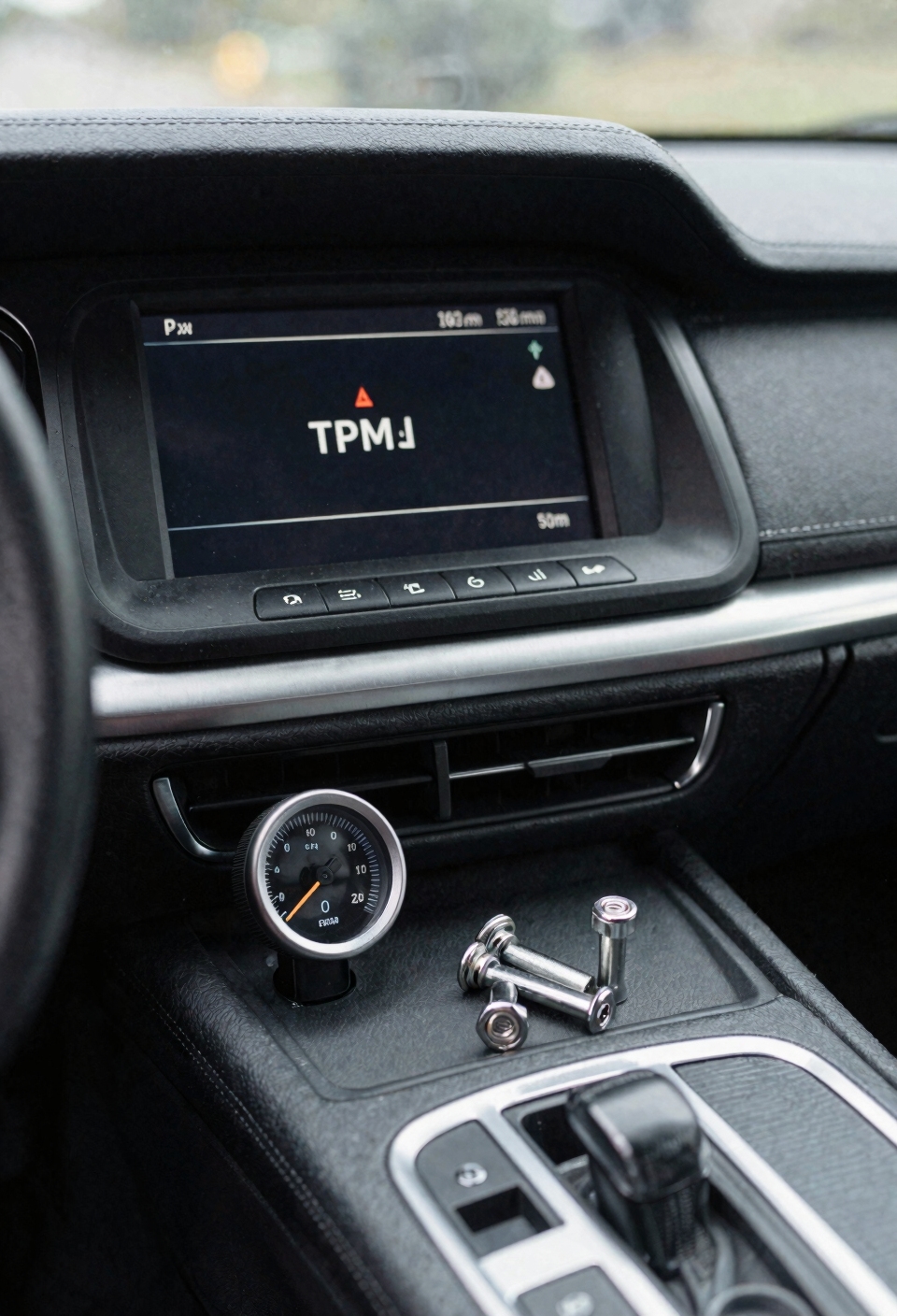
Once you’ve got your tire pressures dialed in, it’s time to actually tell your car’s computer what’s going on—and that’s where the dashboard reset comes in. Here’s the thing: your vehicle’s got a TPMS reset button somewhere, and you need to find it. Check under your steering wheel or pop open your glove box—that’s usually where manufacturers hide it. Turn your ignition on (don’t start the engine yet), then press and hold that button until your TPMS warning light blinks three times. Release it, start your car, and drive for about 5–10 minutes at 50 mph. This reset timing is essential because it lets your system fully recognize the new sensor positions. You’ll know it worked when that warning light disappears from your dashboard. For added convenience, consider organizing your vehicle’s documents in a designated holder so you can easily access your tire maintenance records and vehicle specifications during the recalibration process.
Recommended Products

【2026 Autel MaxiSYS Ultra S2 with 2 Years Updates Real AI Scanner】Built to redefine professional diagnostics, Autel Ultra S2 AI scanner combines cutting-edge hardware with intelligent AI-driven capabilities for fastest, smartest repairs: Featuring a 13.7'' display, 13 OS, 8-core processor, 12GB+ 512GB, and 16MP camera. Equipped with advanced AI functions: Data-Driven PID Analysis, Topology 3.0 dynamic network mapping, 6IN1 VCMI2, AI-powered DVI, and “MAX” voice assistant.📌NOTE: This Autel Ultra S2 is South American Version has 2-year f-ree updates (worth 4000+ bu-cks), WITHTOU 1 year Motor TruSpeed Repair (Only worth 650bu-cks). If any questions, please 💌autelusa @ outlook. com.

【2026 ADVANCED OE-LEVEL DIAGNOSTIC TOOL】LAUNCH X431 PAD Scan tool covers loads of OE-Level features as ➤AutoAuth for FCA SGW (need create an AutoAuth account)➤Added Variant Coding with Ben.z, Setting & Changeover for Ben.z, Modification for B.M.W➤Maintenance Mode Guided Functions, Ride Height Calibration, Online Coding, Offline Coding and Customization/ Personalization for worldwide vehicle brands. Functions will be added through updates.

💯【2 Years NO Fee Update, The Only】Autel MP808S is the ONLY mid-range scanner that offers a full 2-Year FREE Update—no other model in this class (MS906BT/ MP900-BT/ MP900BT Kit/ MS906 PRO/ MS906 MAX) gives you two years of updates without extra fees. If device shows only 1 year, it will auto upgrade to 2-Year Update within 5-7 working days, or em.ail 12-digit S/N to 💌[email protected]. com💌 get update. If you met any issues about: Language Changing/ Received a registered device/ Function not Support/ Subscription Fee or explore [additional Useful Accessory], please conta.ct us via 💌[email protected]💌. Our professional team will provide perfect solution for you.
Drive to Complete the Recalibration Process
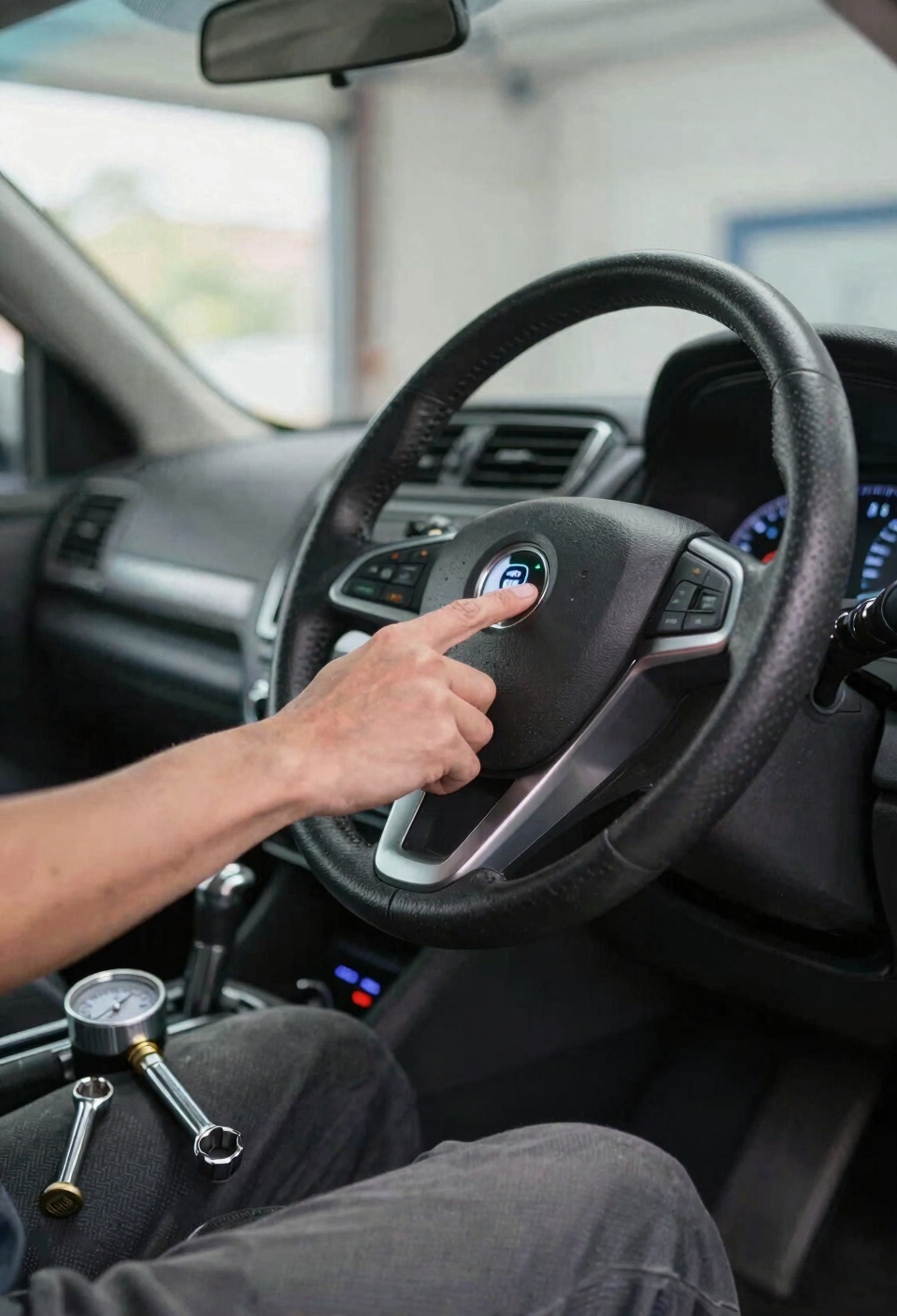
After you’ve hit that reset button and your car’s ready to go, the driving part is actually where the real magic happens—and I know that might sound weird, but stick with me. Your TPMS system needs to learn the new tire positions, and it does that by monitoring your tires while they’re actually rolling. You’ll want to drive for about five to ten minutes at highway conditions, cruising around fifty miles per hour. This gives your car’s sensors enough time to recognize which tire is where and sync everything up properly. Once you’re done, check your dashboard to see if that warning light disappears. If it does, you’re golden. Post drive diagnostics will confirm your system’s working perfectly and your tires are all communicating correctly with your vehicle. Maintaining proper tire pressure with a reliable tire pressure monitoring system supports peak efficiency and ensures your TPMS recalibration is complete.
Recommended Products

[2024 NEWLY UPDATE: Autel Ultra+EVDiag KIT] The Autel Scanner Ultra EV is a new generation of intelligent scan for electric, hybrid, gas vehicles. The Autel MaxiSYS Ultra EV provides a comprehensive analysis of electric and hybrid vehicles with expanded topology mapping and battery pack analysis . The 12.9-inch touchscreen tablet comes equipped with MaxiFlash VCMI measurement device, Bluetooth-enabled vehicle communication interface and J2534 pass-thru programming device, and a dedicated EVDiag box. (Autel Ultra: $4899 + EV Upgrade Box: $1000)
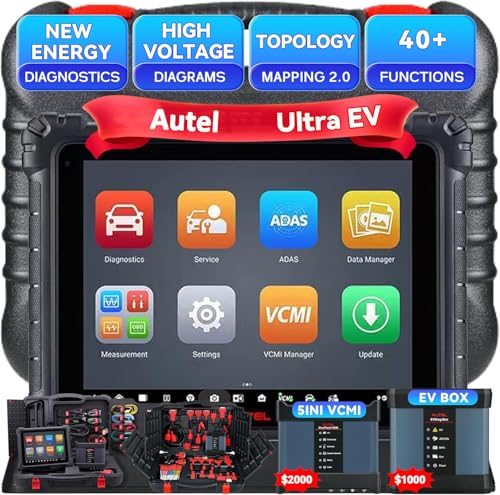
Autel MaxiSYS Ultra EV Diagnostic Tablet : The MaxiSys Ultra EV Autel scanner is a new generation of intelligent diagnostics for electric, hybrid, gas vehicles; AUTEL UltraEV provides a comprehensive analysis of electric and hybrid vehicles with expanded topology mapping and battery pack analysis ; The 12.9-inch UltraEV touchscreen tablet comes equipped with MaxiFlash VCMI (5-in-1) measurement device, Bluetooth-enabled vehicle communication interface and J2534 pass-thru programming device, and a dedicated EVDiag box

🅰🆄🆃🅴🅻 MaxiSys Ultra--Top Intelligent Scanner: As the most popular diagnostic scan tool to cover 1996 to 2026 latest cars, MSUltra is updated from MS908S Pro/Elite II Pro/MS909/MS919, it can also work with EV Upgrade Kit to work as Ultra EV scanner. Combined with 2000 bucks value 5-in-1 VCMI, 40+ 10 service services, 10+ high-end functions, and top-level hardware configuration, 99.99% vehicle coverage, this MaxiSys Ultra scanner is the best investment for large auto workshops.
Frequently Asked Questions
Do All Vehicles Have Automatic TPMS Recalibration, or Do Some Require Manual Reset?
Not all vehicles have automatic recalibration. Some modern cars feature automatic recalibration systems, but many require manual override through dashboard reset buttons or professional diagnostic tools to properly recalibrate your TPMS sensors.
What Should I Do if the TPMS Warning Light Stays on After Manual Reset?
If your TPMS warning light won’t turn off after manual reset, I’d recommend verifying wiring connections and checking if you need to replace batteries in the sensors. Professional diagnostic equipment can identify sensor damage or faulty modules requiring service.
Can Sensor Damage or Faulty Modules Cause Persistent TPMS Warning Lights?
Yes, I’ll tell you that sensor damage or module failure can definitely cause persistent TPMS warning lights. You’d need sensor replacement or professional diagnostics to identify if your TPMS module’s faulty.
When Should I Seek Professional TPMS Service Instead of Attempting Manual Recalibration?
You’ll want to seek professional service if your TPMS light persists after manual reset attempts. Complex diagnostics reveal sensor damage or faulty modules requiring specialized equipment and technician expertise for proper resolution.
How Often Should I Recalibrate My TPMS System Throughout the Year?
I’d recalibrate your TPMS whenever you rotate or replace tires, plus during seasonal checks when temperatures shift. Before long trips, I’d also verify your system’s working properly to make certain you’re getting accurate pressure readings throughout the year.
Conclusion
Look, resetting your TPMS isn’t some impossible mountain to climb—it’s more like learning to ride a bike. Once you get the hang of it, you’ll wonder why you ever stressed about it. Your tires are basically the foundation of your whole ride, so keeping them happy keeps you safe. Now you’ve got the skills to handle tire rotation like a pro, and that’s seriously worth celebrating.