As an Amazon Associate, we earn from qualifying purchases. Some links on this site are affiliate links at no extra cost to you. Our recommendations are based on thorough research and editorial judgment.

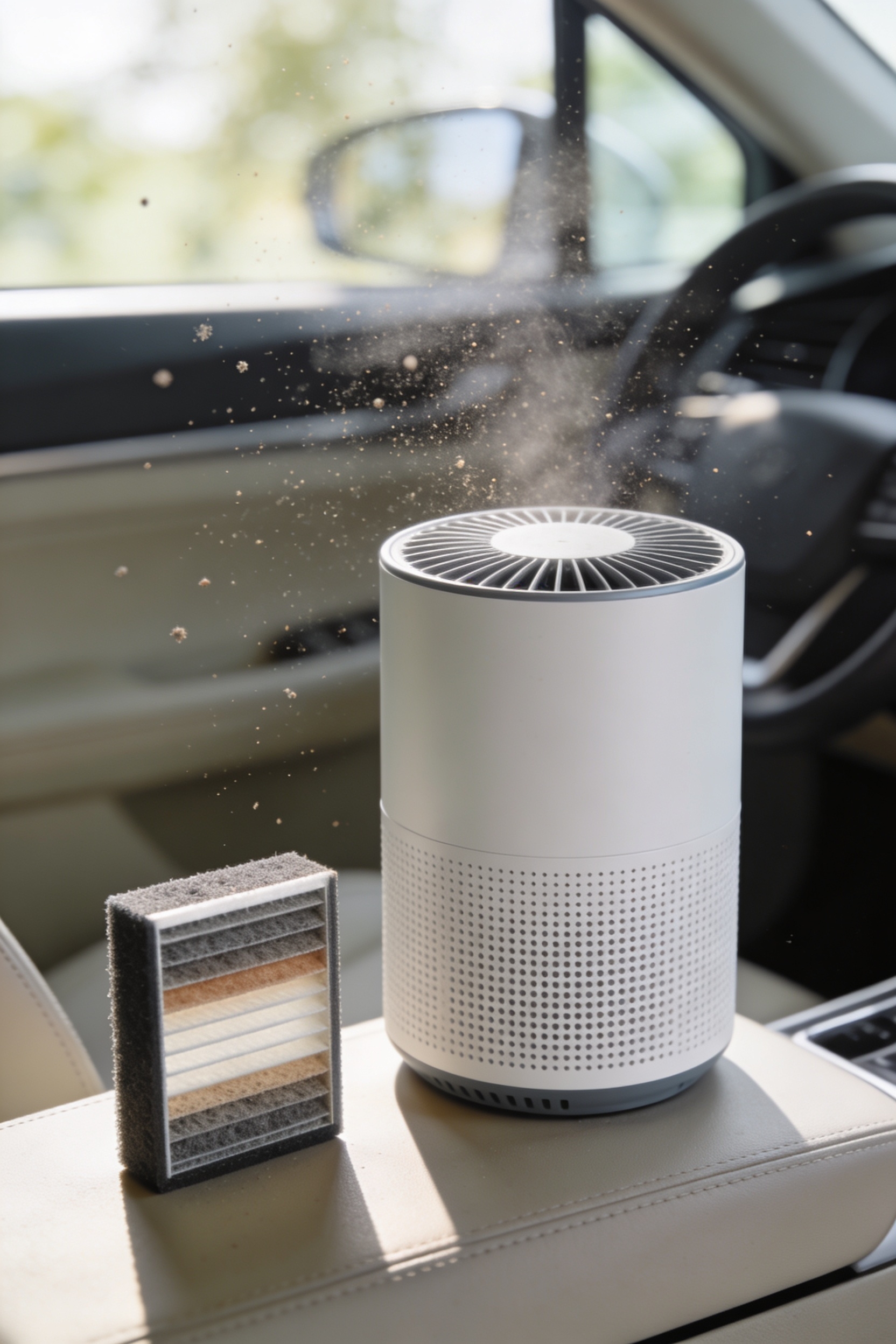
Car Air Purifiers: Do HEPA Filters Really Work in Cabins?

Yeah, HEPA filters genuinely work—they capture 99.97% of tiny particles that standard filters miss, which is huge if you’re stuck in traffic breathing exhaust fumes. They trap ultrafine stuff your lungs actually care about, especially if you’ve got allergies or asthma. Now, they do squeeze your car’s airflow a bit and need solid installation to avoid gaps where dirty air sneaks through. The real magic happens when you pair HEPA with activated carbon—that combo tackles both particles and stinky odors. Keep scrolling to discover exactly which setup fits your ride.
Key Takeaways
- HEPA filters capture 99.97% of microscopic particles versus standard filters’ 20–90% efficiency, removing ultrafine particles and PM2.5.
- Denser HEPA fibers reduce airflow by 7–22%, potentially causing weaker ventilation and increased fan noise in some vehicles.
- Proper installation and sealed gaps around HVAC intakes are essential; unsealed areas allow dirty air to bypass the filter entirely.
- Combining activated carbon with HEPA removes both particles and gases/odors that particle filtration alone cannot address for complete cabin cleaning.
- Daily commuters, allergy sufferers, and those in polluted or wildfire-affected areas benefit most from HEPA upgrades despite minor airflow trade-offs.
Should You Upgrade to HEPA Cabin Filters?
If you’ve ever noticed your car smelling a little stale or wondered why your allergies seem worse on your drive to school, a HEPA cabin filter might actually be worth your attention. Here’s the real deal: upgrading from a standard filter to HEPA means catching way more tiny particles—we’re talking 99.97% of microscopic dust and pollen instead of maybe 50-90%. For you, that’s fewer sneezes and cleaner air on your commute.
Now, the cost benefit isn’t always obvious. HEPA filters cost more upfront, and installation challenges vary depending on your car. Some vehicles make swapping them easy; others? Not so much. The trade-off is real—denser filters can reduce airflow slightly. But honestly, if you’ve got allergies or live somewhere polluted, the upgrade’s totally worth considering. To maintain effectiveness, remember to follow care instructions and store replacement filters in a cool, dry place away from direct sunlight to prevent material breakdown before installation.
Recommended Products

RIGID CELL REPLACEMENT: 20x24x12 replacement rigid cell box air filters without header enhance HVAC system efficiency and support a healthy lifestyle (actual size: 19.38" x 23.38" x 11.38")

UNIVERSAL COMPATIBILITY: 24x25x4 replacement air filters for your furnace, air conditioner, or heat pump enhance HVAC system efficiency and support a healthy lifestyle (actual size: 23.75" x 24.75" x 3.63")
UNIVERSAL COMPATIBILITY: 24x30x4 replacement air filters for your furnace, air conditioner, or heat pump enhance HVAC system efficiency and support a healthy lifestyle (actual size: 23.50" x 29.50" x 3.63")
What HEPA Filters Actually Do in Your Car?
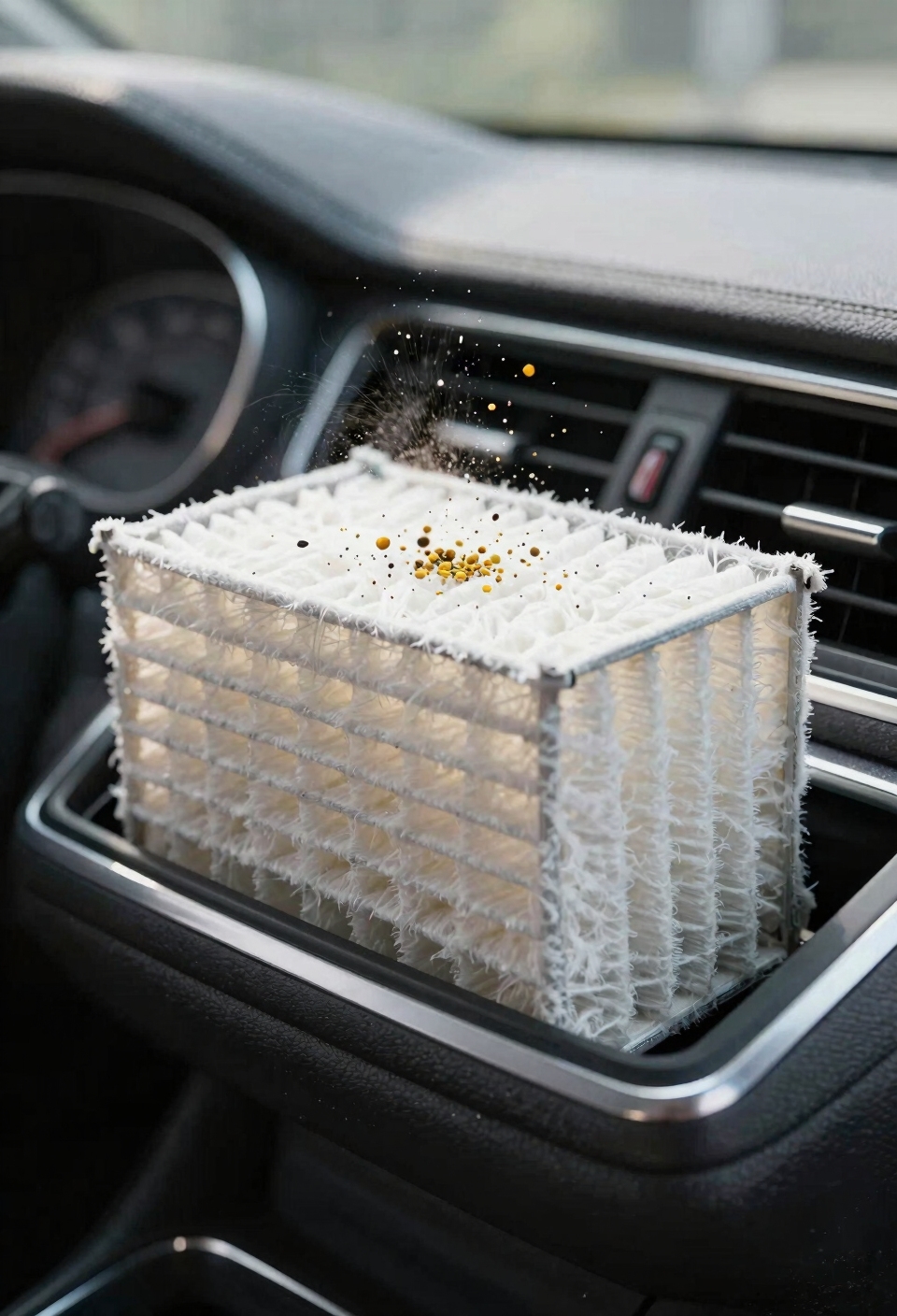
Think of your car’s cabin filter as a bouncer for your lungs—it’s standing at the door deciding what air gets in and what stays out. Now, here’s where HEPA filters get interesting. You know how a standard filter catches the big stuff like dust and pollen? HEPA goes way harder. It traps microscopic particles you can’t even see—we’re talking about stuff smaller than a grain of sand. The trade-off is airflow resistance. Those super-dense fibers that capture particles also make your car’s blower work harder to push air through. I mean, you might notice slightly weaker airflow, but you’re getting seriously cleaner air in return. For you, that means less sneezing and better breathing during drives. Clean cabin air also reduces your exposure to energy-consuming interior systems that would otherwise need to work overtime to compensate for poor air quality, contributing to overall vehicle efficiency.
How HEPA Cabin Filters Compare to Standard Filters?
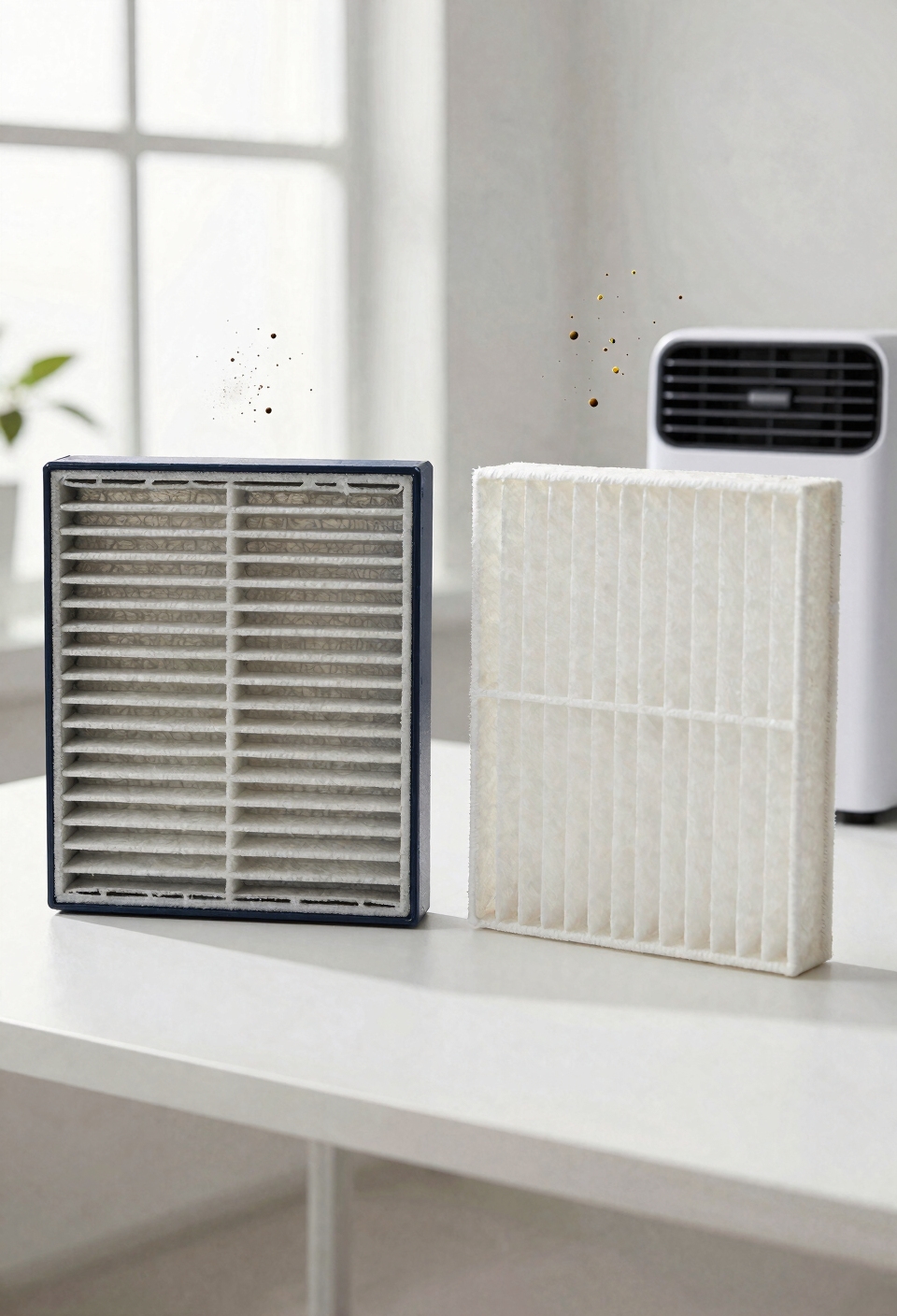
The gap between a standard cabin filter and a HEPA filter is basically the difference between a tennis racket and a fishing net—one stops the big stuff, the other catches everything. Standard filters catch dust and pollen, sure, but they’re hitting maybe 20 to 90 percent efficiency depending on your car. HEPA filters? They’re pulling out 99.97 percent of tiny particles you can’t even see. The material differences matter too—HEPA uses dense fiber mats that work way harder than regular pleated paper. Now, here’s the trade-off: that superior filtration comes with tighter material, which can reduce airflow and affect filter longevity. But for you, especially if you’ve got allergies or live somewhere polluted, that upgrade is absolutely worth considering. Beyond cabin air quality, protecting your vehicle’s interior from environmental damage through UV-protected accessories can complement your air filtration efforts by maintaining dashboard condition and overall cabin cleanliness.
Recommended Products
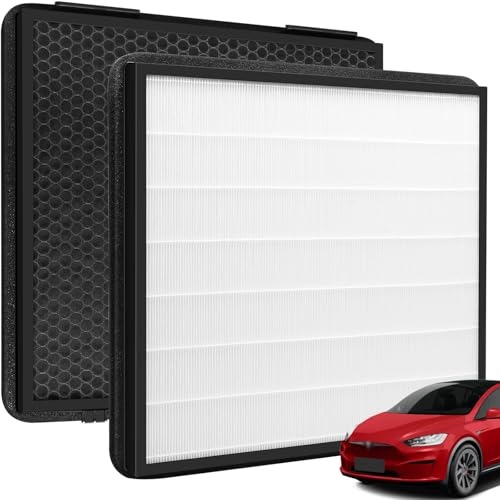
✅ Custom-fit Replacement: Made of 1:1 original size, the intake cabin air filter fits for 2021-2026 Tesla Model X Model S.

Compatible with - 2002-2016 Western Star Trucks 4900FA & 4900SA, 2012-2016 4900SB, 4900SF, 4900TS & 4900XD, 2016-2017 5700XE. Our cabin filters are designed to fit perfectly in your vehicle. Next Phase NP10364 replaces O.E. RD388200; Wix WP10364.

ADVANCED 5-LAYER HEPA & CARBON FILTRATION:Traps 99% of dust, pollen, and microscopic particles. The integrated activated carbon layer actively neutralizes smoke, exhaust fumes, and unwanted odors for a consistently fresh and healthy cabin environment.
What Research Shows About HEPA Particle Removal?
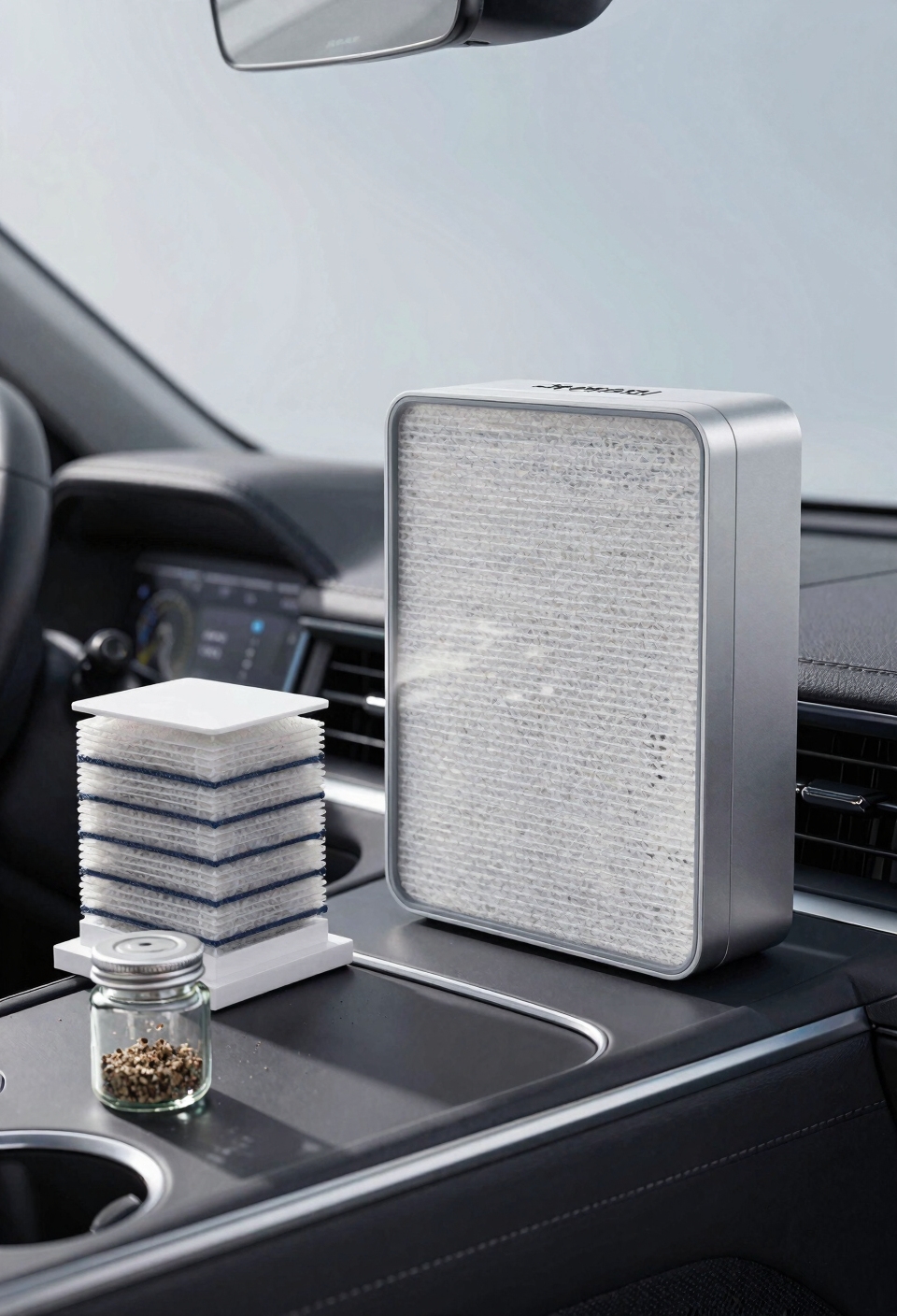
When researchers actually tested what HEPA cabin filters could do in real cars, the results were pretty eye-opening—and they basically proved that all that talk about 99.97% efficiency isn’t just marketing hype. In one major sensor study, a two-step HEPA system knocked out about 99% of ultrafine particles and PM2.5, which is way better than standard filters alone. Now, here’s where urban exposure matters: if you’re driving through congested city streets or dealing with wildfire smoke, that kind of removal rate actually makes a real difference in what you’re breathing. The research showed particle removal below 100 nanometers exceeded 97% across the board. I mean, that’s genuinely impressive when you’re stuck in traffic. To maintain optimal filtration performance, you’ll want to check power requirements for any integrated cabin air purification systems paired with your vehicle’s electrical setup.
Does HEPA Reduce Airflow?
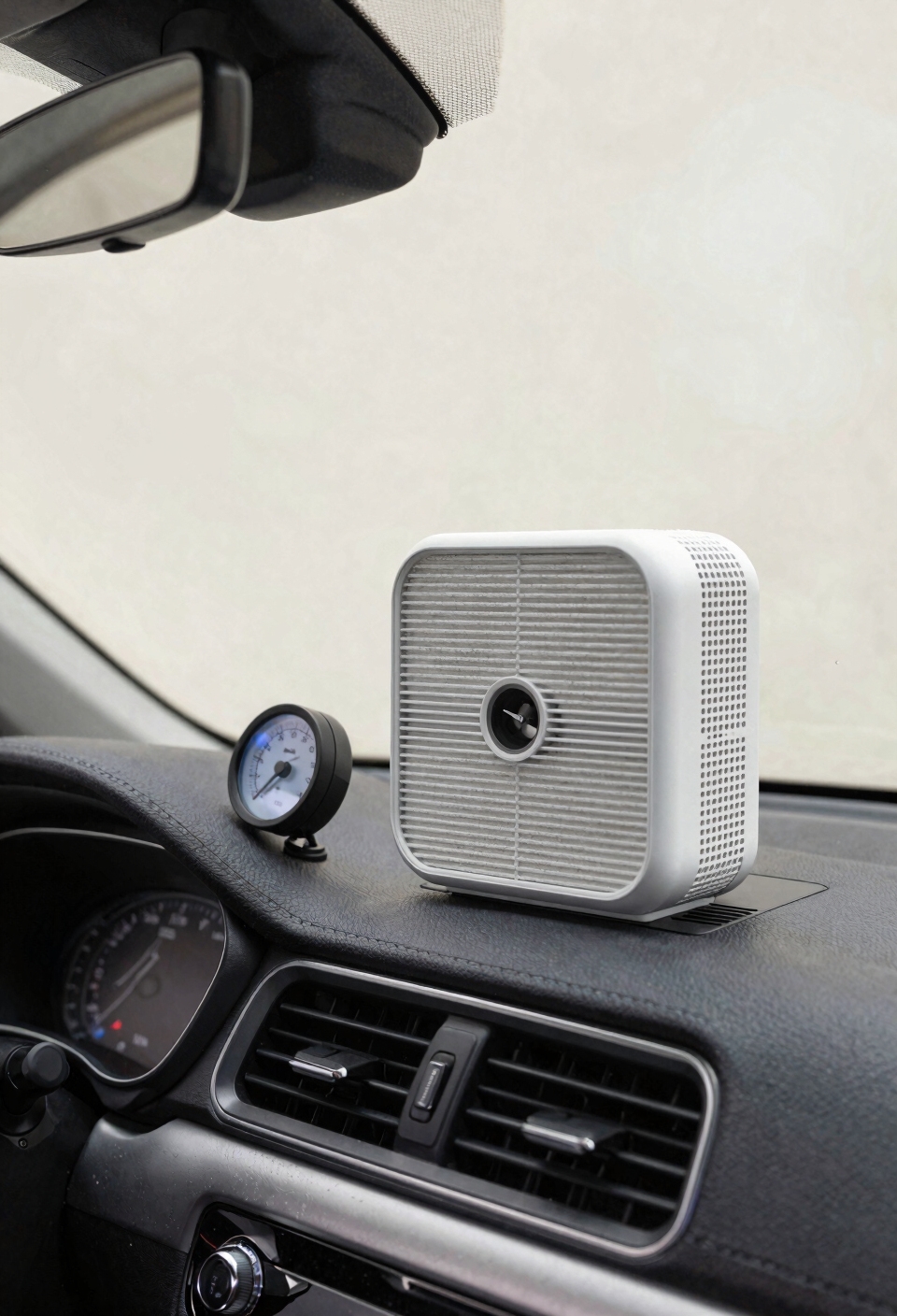
Not every car’s HVAC system is built tough enough to handle that extra resistance without struggling, so choosing the right HEPA filter for your specific vehicle actually makes a huge difference in whether you get the benefits or just end up with weak airflow. See, denser HEPA filters block more particles, but that density creates what I call blower strain—your fan has to work harder to push air through. You might notice reduced airflow or even fan noise getting louder as your blower compensates. Studies show airflow can drop anywhere from 7% to 22% depending on the filter. The trick? Match your HEPA filter to your car’s HVAC design so you’re getting clean air *and* decent ventilation. Proper heat-resistant components and strategic placement within your vehicle’s cabin also help maintain optimal airflow while protecting your system from overheating during extended use.
Why Carbon + HEPA Works Better Than HEPA Alone?
So here’s the thing—you’ve got your HEPA filter doing the heavy lifting to trap tiny particles, but it’s basically flying solo when it comes to smells, gases, and odors that hang around your car. That’s where carbon synergy kicks in. When you combine activated carbon with HEPA, you’re hitting two problems at once. HEPA handles the dust, pollen, and soot floating around, while the carbon layer tackles gas adsorption—basically soaking up stinky molecules that particles can’t catch. I mean, imagine trying to clean your room with just a vacuum. You’d get the visible mess, but the smell stays, right? Adding carbon’s like opening the windows too. Together, they’re a one-two punch that actually gives you genuinely cleaner cabin air. For best results, ensure your filtration system uses phthalate-free and toxin-free materials to avoid releasing harmful chemicals that could compromise your air quality improvements.
Factory-Installed vs. Aftermarket HEPA: Which Performs Better?
Factory systems perform better because engineers designed them together. Aftermarket filters can work, but only if they’re perfectly matched to your exact car model. Check compatibility before committing. Just as color-coded and labeled wiring harnesses simplify proper installation by reducing connection errors, correctly matched aftermarket air purifiers require precise vehicle-specific compatibility to function optimally.
Recommended Products

#1 CAR/TRAVEL AIR PURIFIER: The Atem Car by IQAir is the ideal travel air purifier. The Atem air cleaner blankets you and your car’s interior in perfectly pure air that is filtered down to 0.003 microns with our ozone-free HyperHEPA air filtration. The Atem Car also has Bluetooth capabilities. Get the best from your travel bladeless air purifier with IQAir.


Molecular Precision: With targeted nanotechnology, the Molekule PECO-Filter with Activated Carbon detects and destroys microscopic dust particles beyond traditional filtration methods
Which Drivers Benefit Most From HEPA Filtration?
You’ve probably never thought much about your car’s air filter until someone mentioned allergies or pollution, right? Well, here’s the thing—HEPA filters aren’t for everyone equally. If you’re a daily commuter breathing in exhaust fumes during rush hour, upgrading matters big time for your commuter health. People with allergies or asthma? They’ll actually notice the difference immediately. Now, if you’re driving through wildfire evacuees zones or dealing with heavy smoke, HEPA filtration becomes seriously useful. Urban drivers in polluted cities gain way more benefit than someone cruising quiet country roads. I mean, if you’re sensitive to air quality or spend hours stuck in traffic, better cabin air isn’t just nice—it’s genuinely worth the investment. Just as UV-resistant and weatherproof materials protect your vehicle’s exterior accessories in extreme climates, quality air filtration protects your respiratory health during daily driving.
Recommended Products

INDUSTRY-LEADING CLEANING POWER - iAdaptAir has one of the highest clean air delivery rates (CADR) on the market: Pro size boasts 706 CFM. Covers 5,474 sq. ft. in one hour or 1,059 sq. ft. with 5 air exchanges per hour.
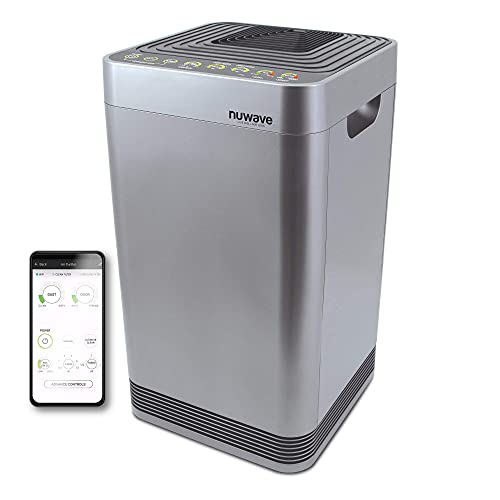
EFFECTIVE FOR EXTRA LARGE ROOM UP TO 2,934 SQ. FT. - The U.S. EPA estimates that the air in your home can have as much as 5 TIMES MORE pollutants than outdoors. Although the air may look clean to the naked eye, you could be unknowingly inhaling harmful air. OxyPure is proven to effectively purify the air up to 2,934 sq. ft. per hour.

4-STAGE FILTRATION FOR CLEANER AIR - Featuring a filter with integrated Activated Carbon and Zeolite, this air purifier captures airborne particles, including dust, pollen, pet dander, mold, smoke, and VOCs, offering a healthier, cleaner environment for your home or office.
How to Maximize Your HEPA Filter’s Performance?
Getting a HEPA filter in your car is awesome, but here’s the thing—just having one installed doesn’t automatically mean you’re breathing pristine air. You’ve got to actually put in the work to keep it running at peak performance. First, stick to your maintenance schedule religiously. A clogged filter loses its superpower fast, so check it every few months and replace it when needed. Second, seal gaps around your HVAC intake and vents so dirty air doesn’t sneak past your filter. All right, I know that sounds tedious, but those small leaks seriously tank your filter’s effectiveness. Finally, keep your cabin clean—less dust floating around means less work for your filter. Consider pairing your HEPA system with tactical vehicle organizers to store air quality maintenance supplies like replacement filters and cleaning cloths within easy reach. Combine these habits with your HEPA system, and you’re genuinely protecting your air quality.
Recommended Products

4-STAGE FILTRATION FOR CLEANER AIR - Featuring a filter with integrated Activated Carbon and Zeolite, this air purifier captures airborne particles, including dust, pollen, pet dander, mold, smoke, and VOCs, offering a healthier, cleaner environment for your home or office.

Tired of central vacuums that lose suction over time? Need a central vacuum that connects directly to your existing system? Introducing the Prolux CV12000—engineered to fit any standard U.S. central vacuum system, maintain powerful suction year after year, and last for decades.

Every Purchase Saves Pets. BISSELL proudly supports BISSELL Pet Foundation and its mission to help save homeless pets.
Frequently Asked Questions
How Often Should I Replace My HEPA Cabin Filter for Optimal Performance?
I’d recommend replacing your HEPA cabin filter every 12,000 to 15,000 miles for peak performance. Your filter’s lifecycle depends on driving conditions—dusty environments need more frequent replacement frequency to maintain effectiveness and airflow.
Can HEPA Filters Remove Viruses or Bacteria From Cabin Air?
An ounce of prevention’s worth a pound of cure. I’d say HEPA filters capture some viral particles through size, but they’re not designed for microbial inactivation. You’ll need UV or antimicrobial tech for stronger protection.
What Is the Typical Cost Difference Between HEPA and Standard Filters?
I don’t have specific pricing data in the knowledge base provided. However, HEPA cabin filters typically cost 50-100% more than standard filters, though the exact replacement cost varies by vehicle model and manufacturer.
Do HEPA Filters Work Effectively in Older Vehicles With Weaker HVAC Systems?
You’d think older vehicles couldn’t handle HEPA filters, but they can work—just with trade-offs. Retrofit challenges include reduced airflow and HVAC strain. I’d verify your system’s compatibility; weaker blowers may struggle with dense filtration.
Will a HEPA Filter Help Reduce Cabin Odors From Food or Pets?
HEPA filters won’t effectively eliminate food or pet odors since they capture particles, not gases. You’ll need activated carbon for odor adsorption and scent masking—I’d recommend combining both filtration types.
Conclusion
Here’s the thing: your car’s air is like a sponge soaking up everything outside. HEPA filters? They’re the upgrade that actually *squeezes* out the dust, pollen, and pollution you’re breathing. I’m not saying your factory filter’s useless, but if you’re serious about cleaner air while you drive, HEPA filters genuinely work. Pair them with carbon, and you’ve built yourself a real shield against what’s floating around out there.