As an Amazon Associate, we earn from qualifying purchases. Some links on this site are affiliate links at no extra cost to you. Our recommendations are based on thorough research and editorial judgment.

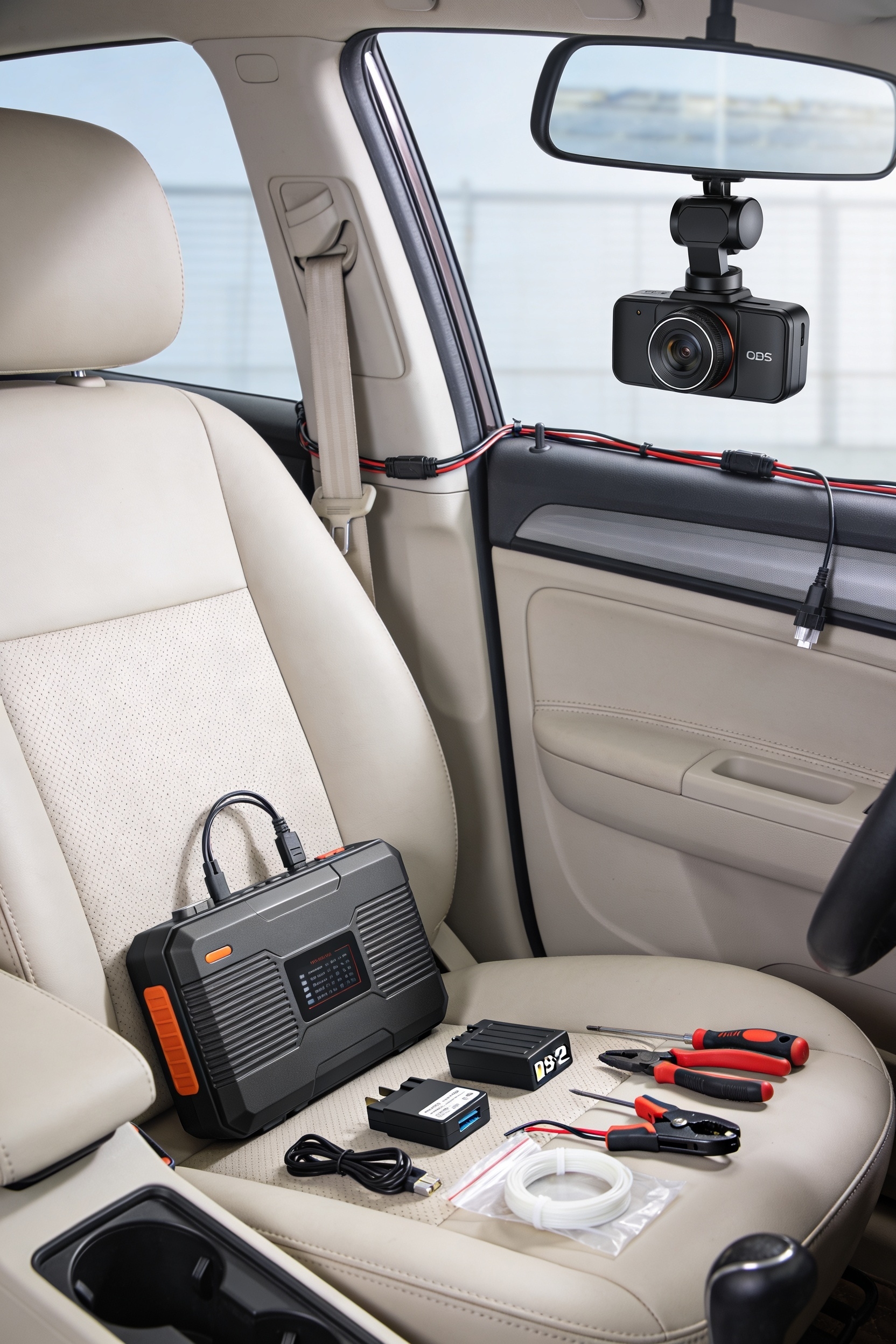
Dash Cam Parking Mode Setup: Which Power Method Is Most Reliable?

your cigarette lighter won’t cut it—it dies the moment you kill the engine. I’m sure you’ve thought about just plugging it in, but you’ll miss everything that happens while you’re parked. A hardwire kit with low-voltage protection is your best bet. It taps into your fuse box, keeps recording 24/7, and automatically shuts down before draining your battery. Stick around to discover why some setups beat others depending on where you park.
Key Takeaways
- Hardwired connections with low-voltage protection provide continuous 24/7 parking mode recording while safeguarding vehicle battery health.
- Lighter port power fails immediately when engine shuts off, eliminating parking mode surveillance and insurance-claim evidence.
- Dedicated lithium battery packs offer independent power for 12–40 hours of recording without draining the vehicle battery.
- Low-power dash cams (2 mA) combined with hardwire setups maximize parking-mode recording duration compared to standard models.
- Hardwire kits with fusing, short-circuit protection, and low-voltage cutoffs (11.8–12.4V) prevent battery sulfation and starting failures.
How Hardwiring Drains Your Vehicle Battery
When you hardwire a dash cam directly into your car’s electrical system, you’re effectively giving it 24/7 access to your vehicle battery—even when the engine’s off and you’re nowhere near your car.
Here’s the thing: your car’s battery wasn’t designed to continuously power devices for hours. That constant parasitic draw—the steady drain happening in the background—adds up fast. I’m sure you’ve thought about this before, but leaving something plugged in constantly is basically like leaving your lights on all night.
Over time, this repeated charging and draining cycle causes battery sulfation, which damages the actual cells inside your battery. Think of it like tiny crystals building up and messing everything up. Your battery degrades faster, starts weaker, and eventually might not have enough juice to turn over your engine. That’s not ideal when you need your car to actually start. Installing fusing and short-circuit protection ensures your dash cam won’t completely drain the battery during extended parking periods.
Recommended Products

【24/7 Parking Surveillance】Connect to the battery directly for durability and constant 24hrs/7 days power to protect against theft when your car is in the parking lot.

【Input 12–24V, Output 5V/2A】The Hardwire Kit provides a direct connection from your dash cam to the vehicle's fuse box (cars, trucks, buses, SUVs, etc.) for uninterrupted power supply. Designed for compatibility with 12–24V automotive systems, this kit ensures a reliable 5V/2A output.
Hardwire Kits With Low-Voltage Protection
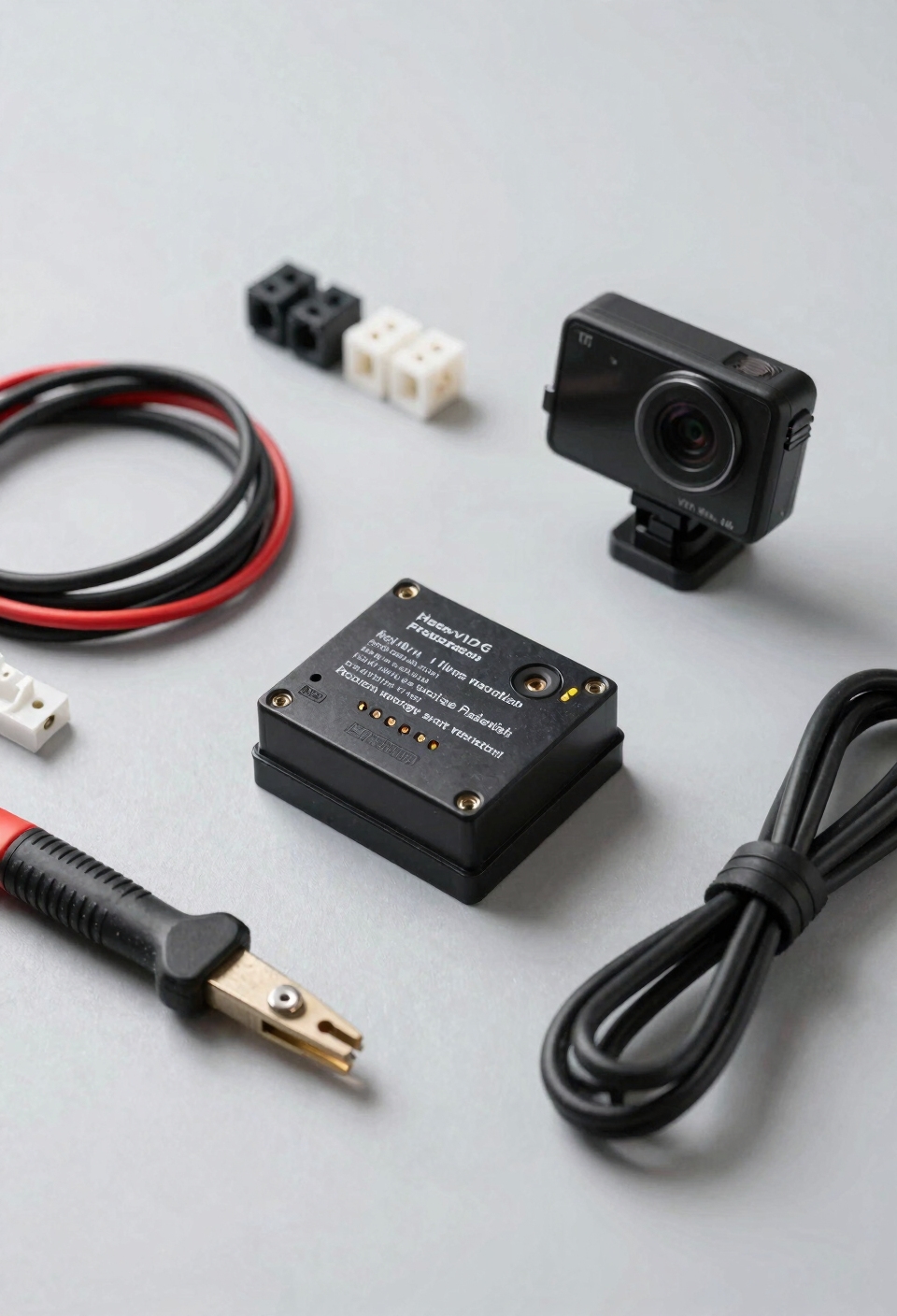
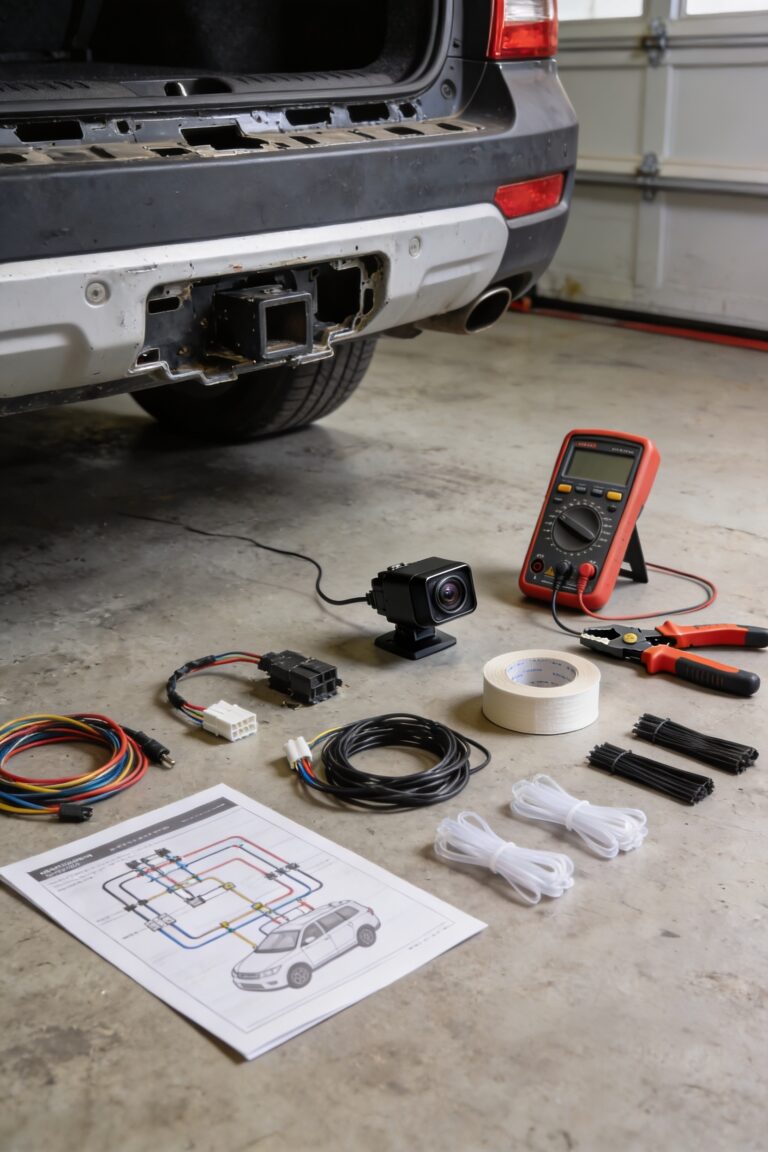
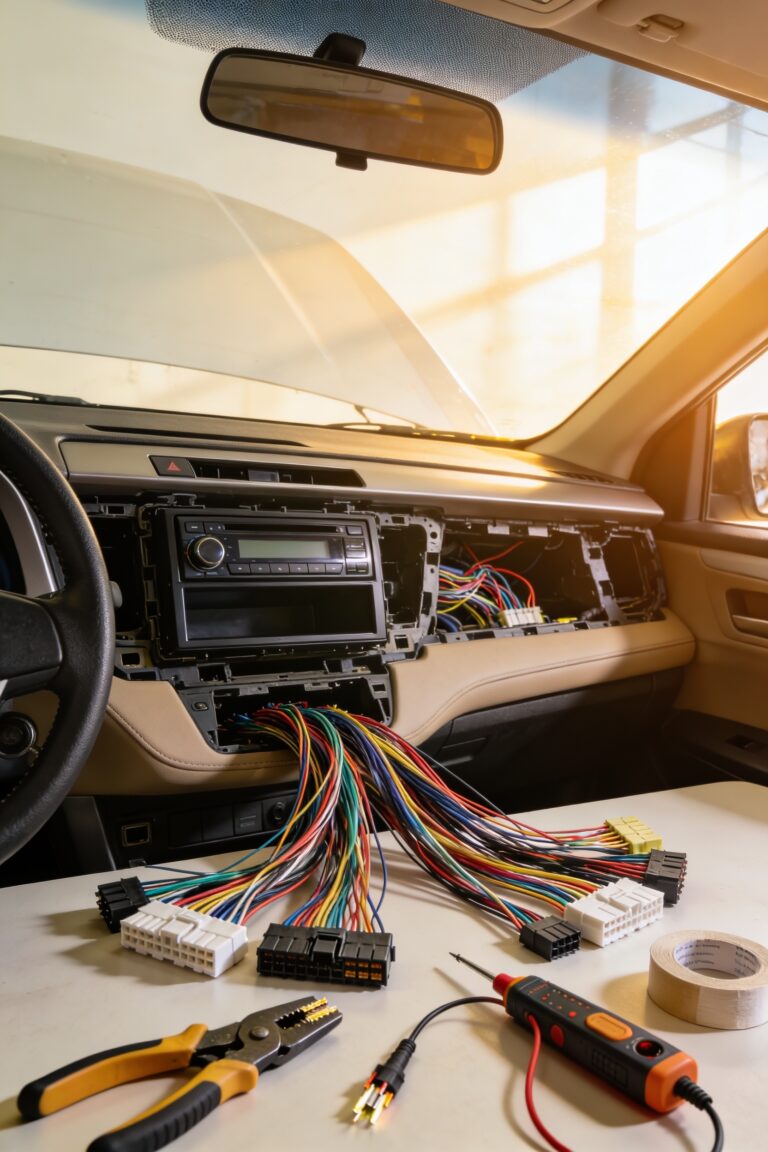
Here’s the thing—hardwire kits with low-voltage protection basically solve that battery-draining nightmare I just told you about. When you install one properly, it connects directly to your vehicle’s fuse box through careful fuse mapping, so your dash cam keeps recording even when your car’s off. The real magic? That low-voltage protection automatically shuts everything down before your battery gets too drained. You’re looking at voltage cutoff thresholds set between 11.8V and 12.4V, which keeps your car’s battery safe enough to actually start your engine. I won’t sugarcoat it—hardwire maintenance means checking connections occasionally—but honestly, it’s worth it. You get extended parking mode without destroying your vehicle’s battery, and that’s basically the whole point. Similar to how commercial-grade adhesives on reflective safety tape withstand extreme conditions, quality hardwire kits are engineered to maintain reliable performance through temperature fluctuations and moisture exposure.
Recommended Products

Designed for Everyday Driving, Commuting & Road Trips: Designed for daily commuting, long-distance travel, work, and family driving, this rear view mirror camera helps improve driving confidence with front and rear recording, enhanced rear visibility, parking protection, and a cleaner mirror-mounted design. Compatible with most cars, SUVs, and pickup trucks, it provides reliable protection wherever the road takes you

Giandel 5000Watt heavy duty Modified Sine Wave power inverter converts DC 12 V to 110V-120V AC upgraded version with hardwire terninals to provide 5000W continuous power,featuring 4xAC outlets,one harward terminal block for 1500-5000Watt load and LCD display, 2x2.4A USB port,with Remote controller and four pairs of strong cables.The product can be used to power up 5000 watt load max, but it does not power up induction oven due to the compatibility.Product liability is covevered by AIG.

OEM Factory-Style Installation with Clean Interior Look: This mirror dash cam front and rear replaces the original rearview mirror using a dedicated OEM bracket for a clean factory-installed appearance. Unlike bulky strap-on models, it stays secure on rough roads without vibration or blocking your view. The single-wire design reduces windshield clutter and keeps your interior looking neat and organized, making it ideal for daily driving, road trips, trucks, SUVs, vans, and RVs
Lithium Battery Packs: Extended Parking Mode Recording
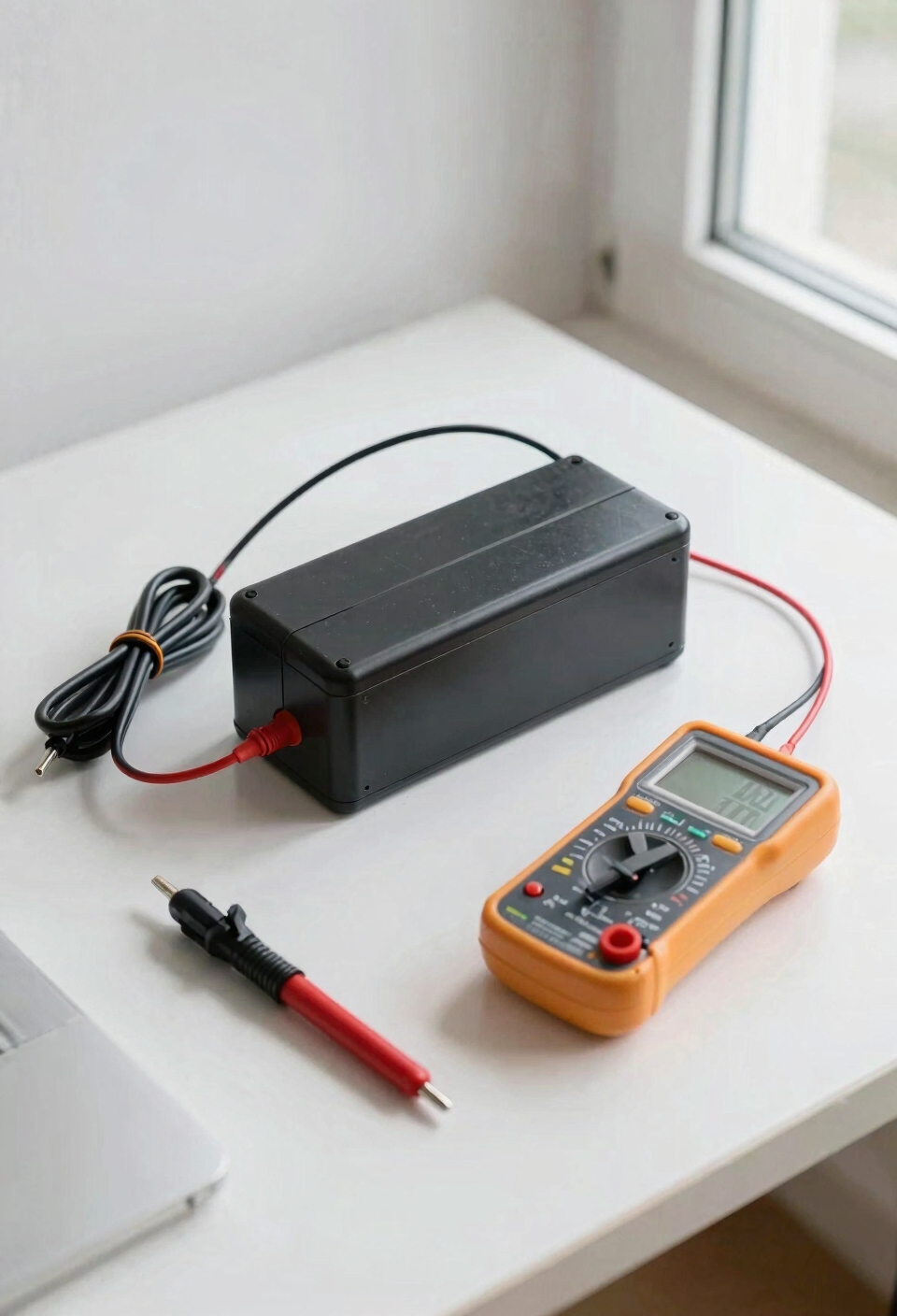
Now, if you really want to level up your parking mode game, lithium battery packs are basically the cheat code—they’re like giving your dash cam its own personal power bank that never quits on you. Here’s the thing: instead of draining your car’s battery, you’re using a dedicated LiFEPO4 battery that can keep your camera rolling for 12-40 hours. I mean, that’s seriously impressive. The math is simple too—a 96 WH battery divided by your camera’s power consumption gives you your recording time. Yeah, battery maintenance and charge cycles take some effort between parking sessions, but you’re completely protecting your vehicle’s battery from getting hammered. Obviously, it costs more upfront, but you’re getting genuine peace of mind and serious surveillance capability without any compromise. Using a portable power station as a backup energy source can further extend your dash cam’s operational time during extended parking periods or emergencies.
Recommended Products

Upgrade with Bluetooth - Track your battery's vital stats in real-time with the Renogy app! Monitor voltage, state of charge, and temperature from your phone—plus get warnings & alerts for effortless maintenance and peace of mind on the go.

Version Update: As of June 4, 2026, the 12V 280Ah LiFePO4 Bluetooth battery has been upgraded to a metal case design, replacing the previous plastic enclosure. The metal housing provides improved durability and better thermal resistance for enhanced structural safety.The 280Ah metal case version is available in two exterior label styles shipped randomly; both versions have identical internal structure, capacity, and performance.

【BUILT-IN 200A BMS & Low Temp Cutoff 】 Vatrer Power deep cycle battery has built-in 200A BMS to protect it from overcharge, over-discharge, over-current, and short circuit with excellent low self-discharge rate. With high temp cutting off prevents charging over 167 °F (75°C). And Low temp cutoff protection prevents battery damaged in low temperature environment.
Low-Power Dash Cams: Comparing 250mA vs. 2mA Models
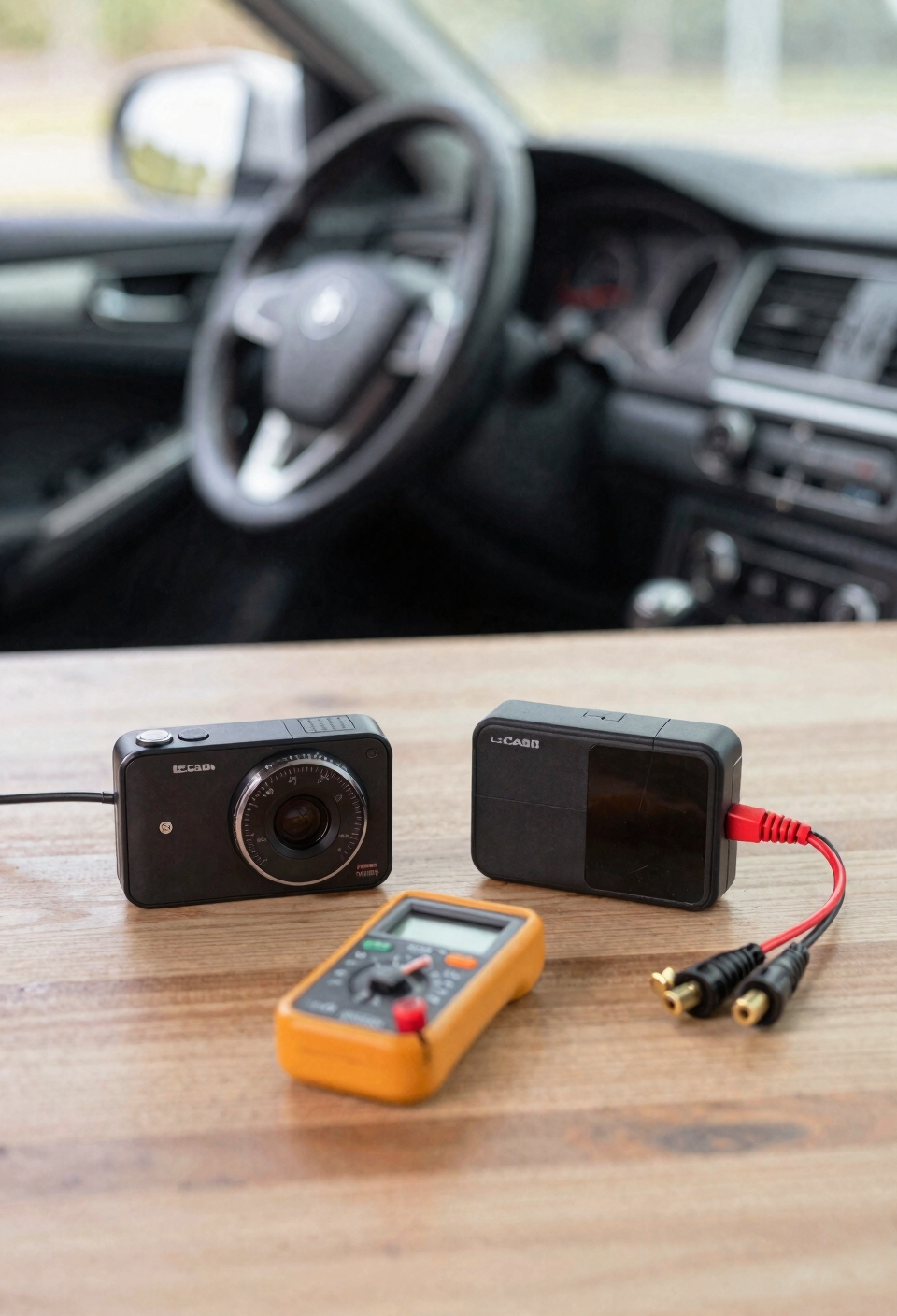
If you’re thinking about upgrading to a dedicated dash cam battery setup, you’ve probably already figured out that your camera’s power draw is basically the whole game—and that’s where things get really interesting. Here’s the deal: standard dash cams guzzle about 250 milliamps, while ultra-efficient models use just 2 milliamps. I know that sounds like tiny numbers, but they make a massive difference in how long your camera actually records while you’re parked.
Think of it this way—those low-power models are basically the energy efficiency champions. They’ll keep your camera running for hours longer without draining your battery. Now, obviously you want maximum recording time, right? That’s why comparing these power consumption levels matters so much when you’re picking your setup. For reliable connections during installation, make sure your dash cam power line uses professional-grade copper cores to prevent signal loss and ensure consistent power delivery to your device.
Recommended Products

Fits 2019 - 2026 Dodge Ram 1500, Does Not Fit w/ Multi-Function (Split) Tailgate 5' 7" Bed (67.4")

50X and 90X Optical Zoom: Long 50X zoom and 90X intelligent zoom draws in the scene from far away. The focal length is 2.06 - 103 millimeter

🚀MORE THAN A CARPLAY SCREEN: P10 combines Wireless CarPlay, Android Auto, GPS navigation, Dual-Layer QLED visuals, Parking Guard, Remote Live View, AI assistance and entertainment into one portable driving hub. Instead of filling your dashboard with separate devices, enjoy one intelligent screen designed to keep every trip simpler, safer and more enjoyable.
Impact Detection: Extending Recording Without Draining Battery
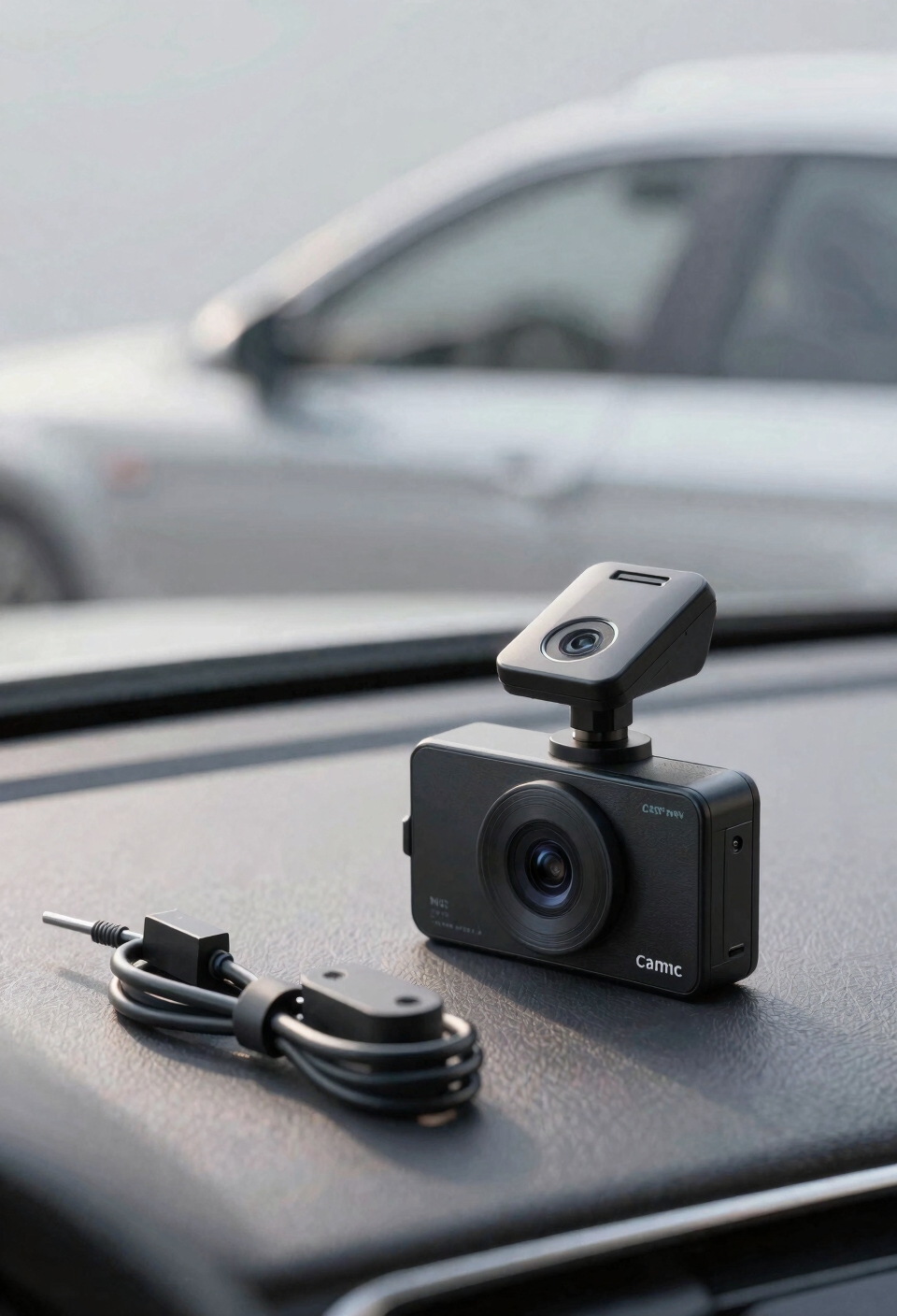
While you’re getting serious about parking mode recording, there’s a game-changing feature that most people totally overlook: impact detection. Here’s the thing—your dash cam doesn’t need to record everything constantly. With impact detection activated, your camera only starts filming when something actually hits your car or vibrates it. This means you’re saving massive amounts of battery power.
Think of sensitivity tuning like adjusting how picky your camera is. You can dial it so gentle bumps don’t trigger recording, but real collisions definitely do. Event tagging automatically marks those recordings so you find them instantly later. I’m sure you’ve thought about how annoying it’d be scrolling through hours of empty parking lot footage. Impact detection fixes that while basically doubling your battery life. Store dash cam accessories in a cool, dry place away from direct sunlight to ensure optimal battery performance during extended parking mode sessions.
Voltage Cutoff: Protecting Your Car’s Starting Power
Here’s the thing about parking mode—you’re protecting your car from thieves and accidents, but you’ve got to make sure you’re not accidentally killing your car’s battery in the process. That’s where voltage cutoff comes in. Think of it like a safety valve for your car’s battery preservation. Your dash cam’s voltage cutoff automatically shuts everything down when your battery drops to around 11.8V to 12.4V. Why? Because your car needs enough juice left to actually start. I mean, a dead battery means you’re stuck. Modern hardwire kits come with this protection built-in, so your starter reliability stays solid. You get parking mode surveillance without the worry of waking up to a car that won’t turn on. Just as waterproof materials and weather-sealed components protect your vehicle’s electronics from environmental damage, voltage cutoff protection safeguards your battery from over-discharge scenarios.
How Temperature and Battery Age Affect Performance
Voltage cutoff’s got your back when your car’s parked, but here’s something most people don’t realize—that protection only works as well as your battery itself. I’m sure you’ve noticed how your phone dies faster in winter? Your car battery’s the same way. Cold cranking becomes harder when temperatures drop, meaning your battery’s already struggling before your dash cam even turns on. Now add extreme heat degradation into the mix, and older batteries basically tap out. A five-year-old battery might only handle parking mode for minutes before shutting down completely. You’re not just fighting your dash cam’s power drain—you’re fighting physics and time. Regular lubrication and inspection of your vehicle’s electrical systems can help maintain battery performance and prevent accelerated degradation from corrosion and wear. That’s why battery age matters way more than most people think.
Why Cigarette Lighter Connections Fail in Parking Mode
The cigarette lighter exists to heat up and light cigarettes when the engine’s running, so automakers built it to deactivate when you kill the ignition. Yeah, I know—that’s a problem for your dash cam.
See, when you park and turn off your engine, that lighter port loses power instantly. Your camera stops recording. All right, so here’s the thing: even if you leave your dash cam plugged in, it’s basically dead weight sitting there. You’re getting zero parking mode protection, which defeats the whole purpose.
This accessory cutoff happens automatically because car manufacturers never intended the lighter to stay active. Cigarette degradation isn’t your only worry—you’re missing surveillance footage entirely. Similar to how weather-resistant features are essential for accessories in extreme climates, reliable power sources are critical for continuous dash cam operation. That’s why hardwired connections or dedicated battery packs beat lighter connections every single time.
Recommended Products
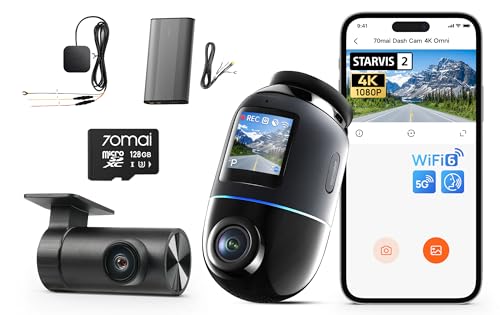
【4K 60FPS Front Dash Cam】Experience true-to-life clarity with 3840×2160P 4K dash cam, capturing every detail in stunning resolution. With 60FPS front cam high-speed recording, fast-moving scenes are smooth and sharp. The Maicolor Vivid+ Solution enhances color accuracy, while ROI technology intelligently enhances license plate areas for better visibility. The 146° wide-angle lens covers 8 lanes, and with 340° rotation, it achieves 360° coverage—minimizing blind spots even in low light

[4K + 4K + FHD Recording] Equipped with three cutting-edge cameras powered by latest STARVIS 2 technology, the A229 Ultra dash Cam leads the industry with dual 4K front and rear cameras plus a 1080P fisheye cabin camera featuring a 210° ultra-wide view. It offers full coverage for safer driving with next-level clarity.

[4K Front + 4K Rear Recording] Featuring 4K front and rear Dash Cam, the A229 Ultra Dash Cam delivers exceptionally clear, high-resolution footage from both directions. Designed for precise video capture, it ensures critical details like license plates are recorded with unmatched clarity, enhancing both driving security and peace of mind.
Which Setup Should You Choose Based on Your Parking Needs?
Once you realize that your dash cam needs real parking mode to actually work, you’re probably wondering which setup fits your situation best. Here’s the thing—it depends on what you’re protecting.
If you park in sketchy spots and want remote monitoring to check in on your car, a hardwire kit with low-voltage protection is your move. It keeps recording for hours without killing your battery. Now, if you’re serious about catching everything for insurance claims and don’t want to worry about draining your vehicle’s power, a dedicated lithium battery pack is worth the investment. I mean, paying a bit more upfront beats having a dead battery when you need your car to start. Just like selecting durable car accessories that resist weather-resistant materials to protect your vehicle, choosing the right dash cam power method ensures your setup performs reliably in various conditions.
Match your setup to your parking reality.
Frequently Asked Questions
Can I Upgrade My Existing Dash Cam With a Dedicated Battery Pack Without Professional Installation?
Yes, you can upgrade your existing dash cam with a dedicated battery pack through self-installation. I’d recommend reviewing your camera’s manual, ensuring connector compatibility, and securely mounting the LiFEPO4 battery pack away from heat sources for peak performance.
How Often Should I Replace My Vehicle Battery if Using Continuous Parking Mode Recording?
Your battery’s lifespan drains like sand through fingers with continuous parking mode. I’d recommend replacing it every 2-3 years instead of the typical 4-5, though warranty considerations vary by manufacturer and usage intensity.
Do Hardwire Kits Void Manufacturer Warranties on Dash Cameras or Vehicles?
Hardwire kits typically don’t void dash cam warranties, though warranty nuances exist. Vehicle warranties depend on dealer policies—most manufacturers won’t void coverage unless improper installation damages electrical systems. I’d recommend checking your specific documentation.
What’s the Cost Difference Between Hardwiring and Dedicated Battery Solutions Over Five Years?
I’ll paint you a picture: your wallet’s bleeding money. Hardwiring costs $100-300 upfront but saves you $500+ long-term through vehicle battery preservation. Dedicated batteries? They’re pricier initially—$200-400—yet eliminate replacement cycles, delivering superior five-year savings.
Can Multiple Dash Cams Share a Single Dedicated Lithium Battery Pack Simultaneously?
Yes, you can run multiple dash cams on one battery pack, but I’d recommend checking your camera’s dual charging compatibility first. Synchronization issues may arise, and you’ll markedly reduce total recording time per camera.
Conclusion
Look, you’ve got to match your setup to how you actually park. If you’re leaving your car in a safe driveway for hours, a hardwired kit with low-voltage protection works great. But imagine you’re parking at school all day—that’s when a lithium battery pack saves you from a dead battery situation. Pick what fits your life, not what sounds coolest. Your car’ll thank you.