As an Amazon Associate, we earn from qualifying purchases. Some links on this site are affiliate links at no extra cost to you. Our recommendations are based on thorough research and editorial judgment.

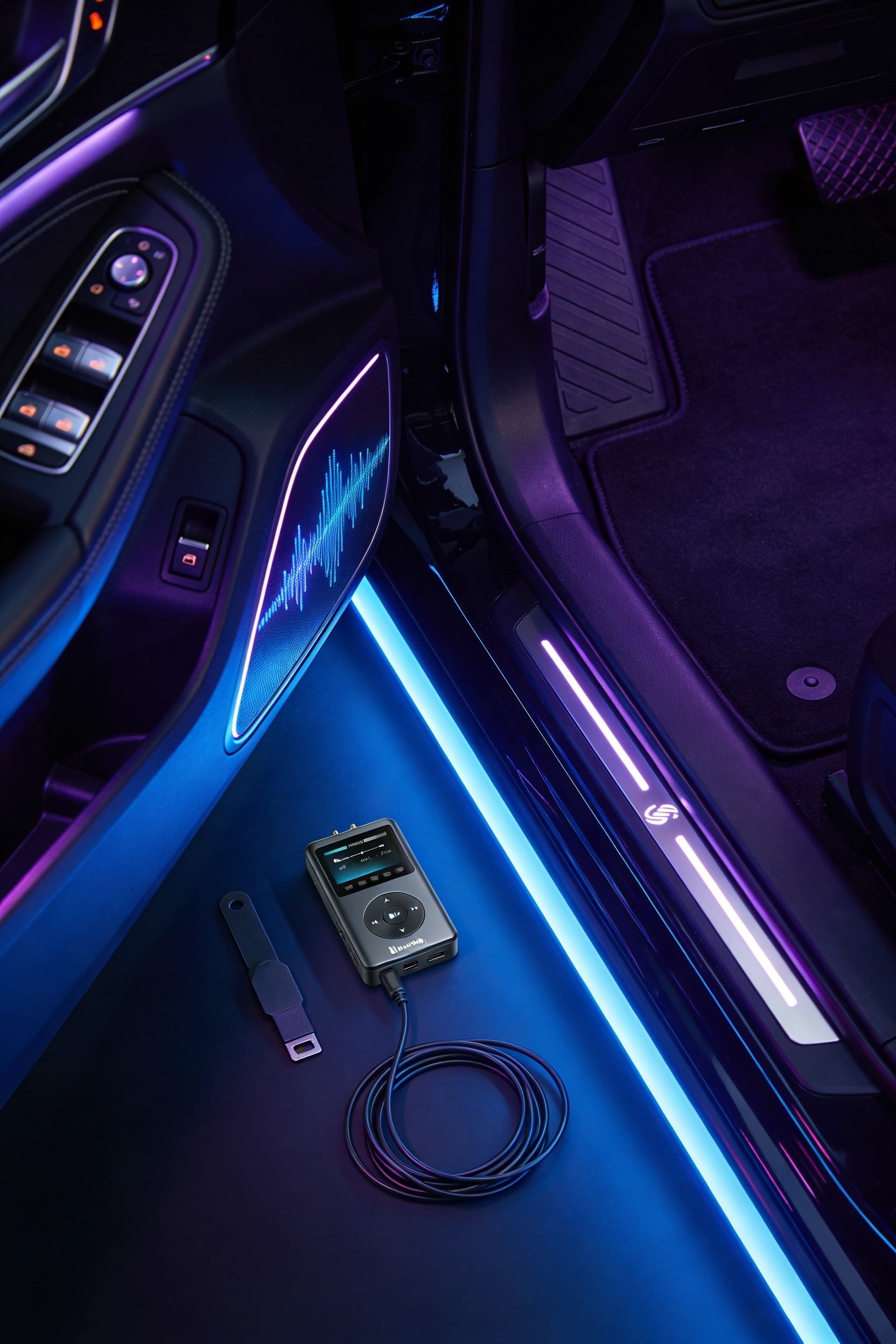
Ambient LED Footwell Lighting: How It Actually Syncs to Music

Your car’s ambient LED footwell lights sync to music through a built-in microphone that captures the beat in real-time. The system filters out random noise and locks onto the rhythm—whether you’re playing hip-hop, metal, or lo-fi—then fires the LEDs to match drum hits and bass drops instantly. You can adjust sensitivity, pick between jump, fade, or sequencing modes, and control everything via app or remote. The whole setup’s designed to keep those lights pulsing perfectly with your soundtrack, but there’s a lot more to know about making it work flawlessly.
Key Takeaways
- Built-in microphone captures interior audio and uses frequency filtering to identify beat patterns for real-time LED synchronization.
- System converts detected rhythm data to LED strips instantly, with responsiveness dependent on microphone placement and ambient noise levels.
- Sensitivity calibration adjusts microphone responsiveness to distinguish major drops from minor sounds, improving beat detection accuracy.
- Jump mode snaps LEDs to each beat instantly; fade mode smoothly transitions colors for different musical intensity levels.
- Firmware updates enhance microphone detection and processing speed, often resolving synchronization lag issues with music playback.
How Your LED Strips Sync to Music in Real-Time?
Imagine this: you’re cruising with your favorite song blasting, and suddenly the footwell lights under your dashboard start pulsing in perfect time with the beat. How’s that even possible? Well, it’s all thanks to a tiny built-in microphone that’s basically your car’s music listener.
Here’s what’s actually happening. That microphone picks up the audio around you—whether you’re playing music through your speakers or the radio. The clever part? It’s got ambient noise filtering that helps it focus on the actual music and ignore random car sounds. The microphone placement inside your vehicle means it catches those rhythm patterns instantly, then converts them into lighting data. Your LED strips receive that information in real-time, so the colors and brightness shift exactly when the beat drops. No lag, no delay—just pure synchronization. For best results, proper surface preparation ensures your adhesive strips stay firmly mounted and maintain consistent performance throughout your drive.
Recommended Products

XK Glow KS-CAR-ADVANCE LED Light Strips & Kit

【New Design & High Brightness 4-Color Light Source】MAODANER upgraded fiber optic starlight headliner kit adopts 32W power engine and PMMA flexible fiber optic and contains 1200pcs*0.03in*13.1ft end grow fiber optic strands and 240 Colorful meteor fiber strands with a unique simultaneously or separately Control 4 port colors features. Compact size and takes up less space, Easier to hide than any other engine size.

【New Design & High Brightness 4-Color lightweight Source】MAODANER upgraded fiber optic starlight headliner kit adopts 32W power engine and PMMA flexible fiber optic and contains 1200pcs*0.03in*13.1ft end grow fiber optic strands and 240 Colorful meteor fiber strands with a unique simultaneously or separately Control 4 port colors features. Compact mini size and takes up less space, Easier to hide than any other engine size.
Why Music Sync Works With Any Genre or Audio Source?
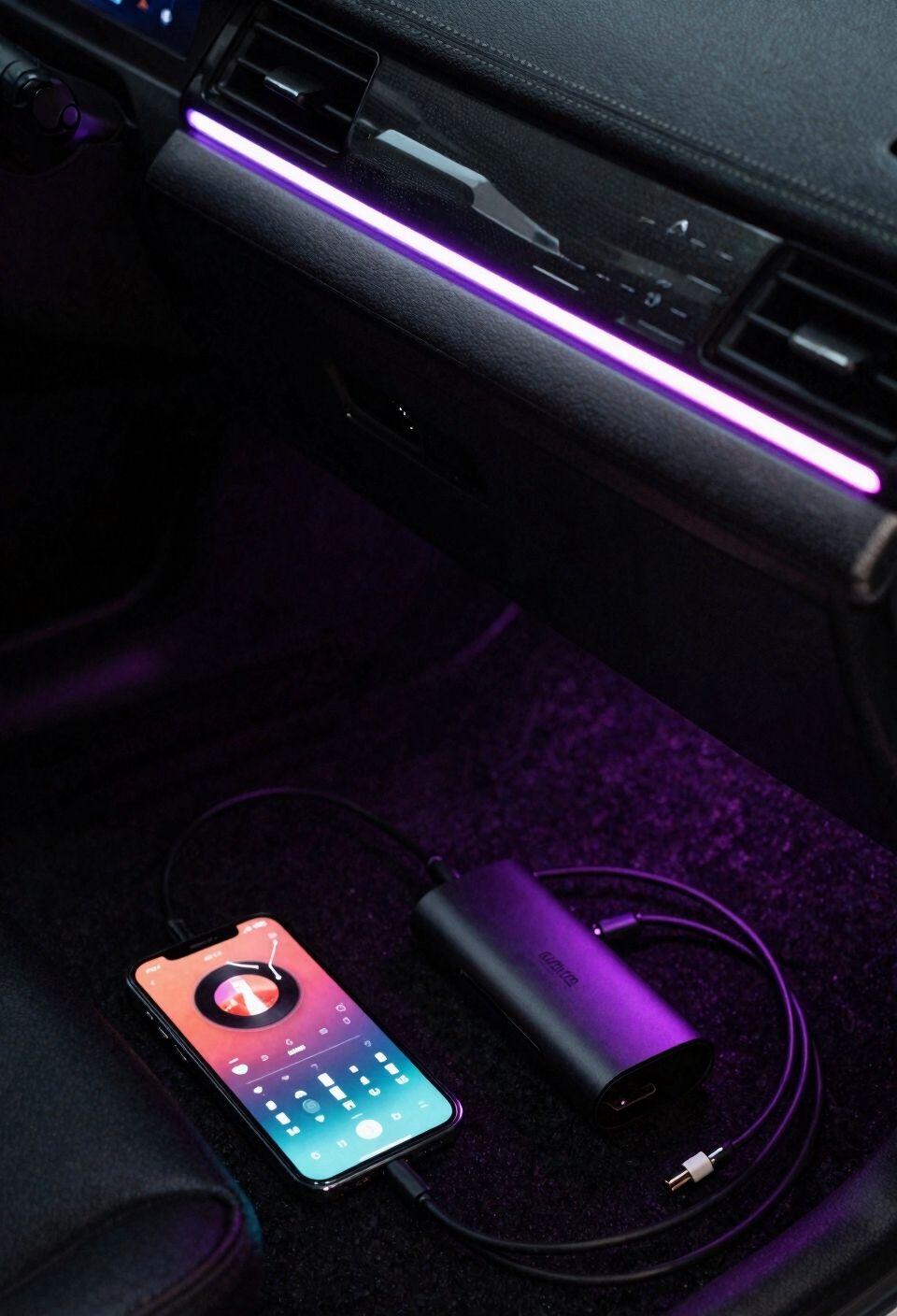
Since your footwell lights respond to beat detection rather than specific song data, they’ll vibe with literally anything you throw at them—and that’s what makes this tech so genuinely cool.
Here’s the thing: your LED strips don’t care whether you’re playing heavy metal, hip-hop, classical, or lo-fi beats. They’re genre agnostic, meaning they work equally well across every music style. All right, so how? The microphone inside detects the actual rhythm and intensity of whatever’s playing, not the specific audio information. That source independence is key—it doesn’t matter if music comes from your phone, radio, or streaming service.
Your lights just grab the beat and run with it. To keep your LED system performing reliably over time, you should inspect connections every 3–4 months for corrosion-free power connections and clean dust buildup with compressed air. I mean, that’s pretty excellent for something sitting in your footwell.
The Beat Detection Process Explained
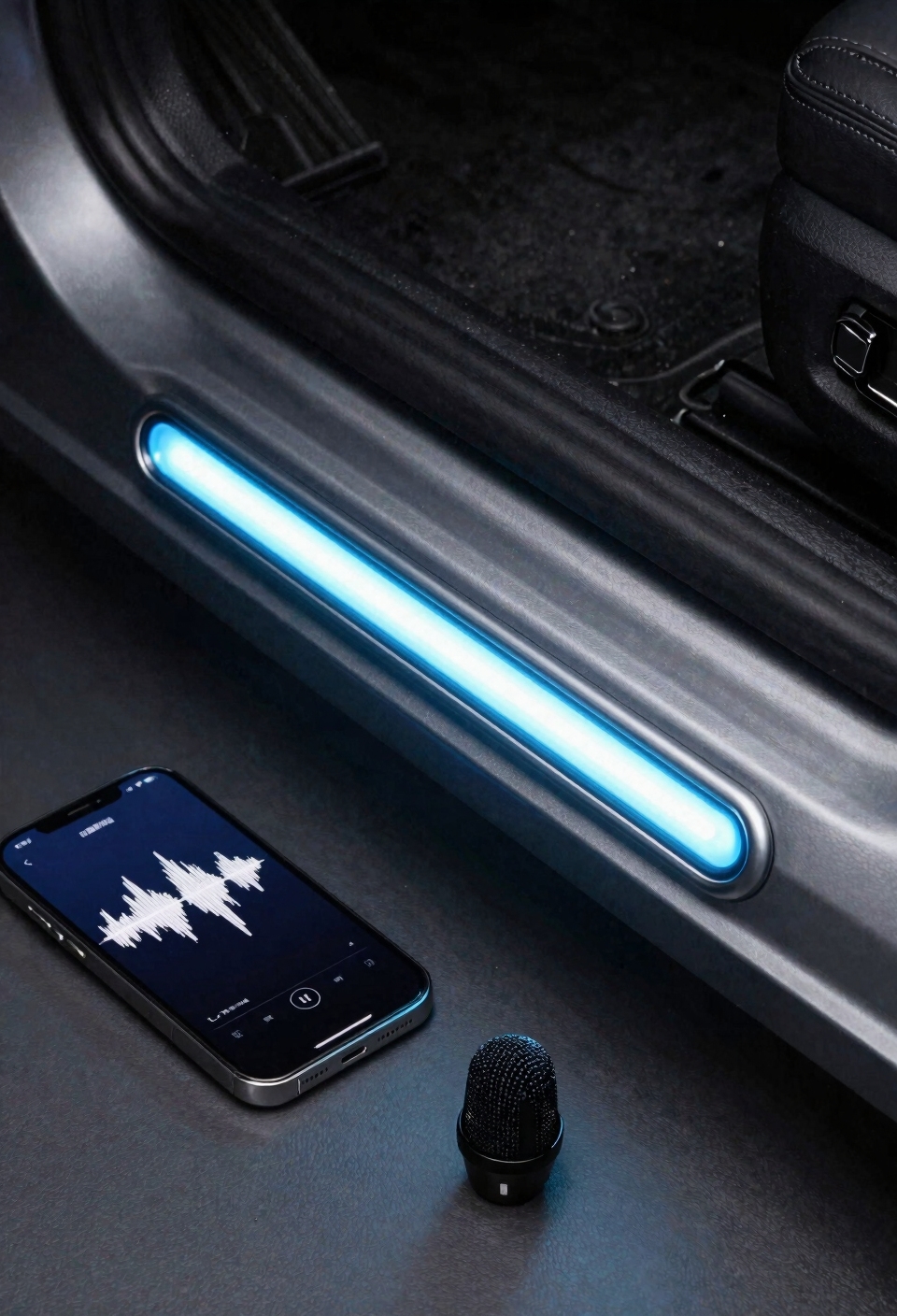
Now here’s where it actually gets interesting—understanding what’s happening inside that little microphone is the key to why your footwell lights nail the rhythm every single time. The microphone placement matters because it needs to pick up the music playing in your car’s interior. Once it captures the sound, frequency filtering kicks in—basically, the system separates all those different sound waves and identifies the actual beat pattern. I mean, think about it: your music has tons of sounds happening at once, right? The technology cuts through all that noise and locks onto the rhythm you can actually feel. That’s why your lights respond instantly to every bass drop and drum hit, regardless of whether you’re playing hip-hop, rock, or pop. For optimal performance, store your ambient lighting system components in a cool, dry place away from direct sunlight to prevent material breakdown and ensure consistent beat detection accuracy over time.
Adjust Speed and Sensitivity to Your Taste
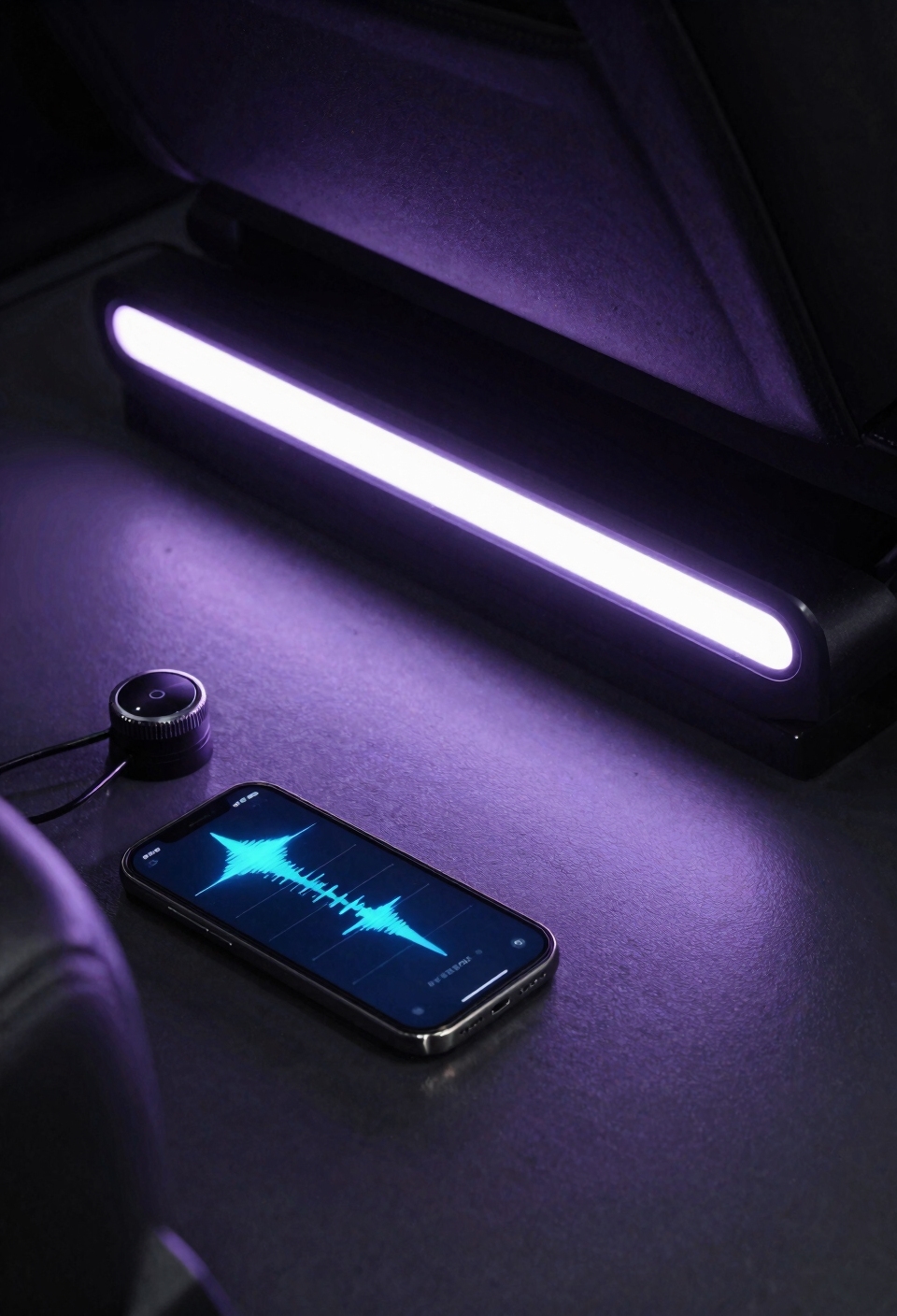
Once you’ve got those footwell lights syncing to your music, you’ll probably realize pretty quick that one-size-fits-all doesn’t cut it—what works perfectly during a chill lo-fi study session sounds totally different when you’re blasting rap or rock with your friends. That’s where sensitivity calibration comes in. You can adjust how responsive your lights are to the beat, meaning you control whether they react to every tiny sound or just the major drops. I mean, you don’t want your LEDs going crazy on every background noise. Through your remote or mobile app, you’ll dial in personalized presets that match your vibe. Unlike traditional bulbs, LED lighting upgrades consume significantly less energy while delivering superior performance, so your synced footwell lights won’t drain your battery. Now you’ve got the perfect setup for any mood or music genre you throw at it.
Choose Your Sync Mode: Jump, Fade, or Sequencing
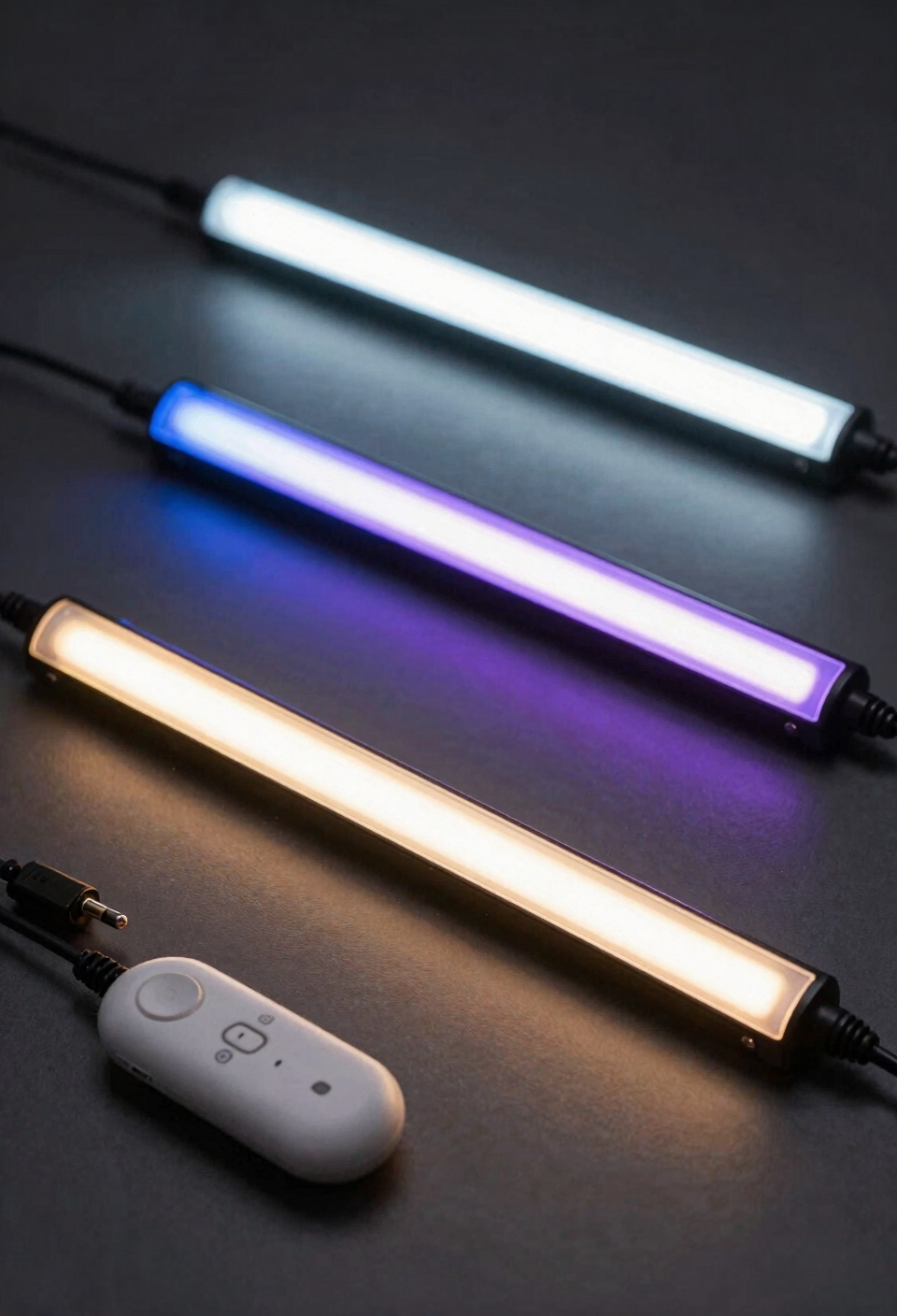
After you’ve dialed in your sensitivity, the real magic happens when you pick which sync mode actually feels right for your music—and here’s the thing: they’re all totally different vibes. Jump mode snaps your LEDs instantly to each beat, which hits hard with fast-paced songs and creates intense color psychology that gets your mood mapping fired up. Fade mode smoothly shifts between colors, giving you something mellower and more sophisticated—perfect when you want the lighting to complement your vibe without being aggressive. Sequencing lets your lights dance through patterns regardless of the beat. All three modes work with any hardware compatibility, so installation aesthetics stay clean. To prevent interference with your audio system, ensure the LED wiring maintains proper power distribution separate from your head unit connections. I’m sure you’ve noticed how different shifts create wildly different feelings in your car. Pick the one that matches your music taste, and you’re golden.
Recommended Products

True 6000K White LED Mode

【IMPORTANT: SIZING GUIDE】: 1. Wheels diameter must be 19 inch or larger. 2. Brake rotors must be 13 inch or smaller. 3. Please ensure there is enough clearance between the brake caliper and the wheel interior for the High-Density 5-Row design.

【4 Color Bright Light Heads】Upgraded with a unique 4-light-head design, plus a turntable wheel, rgbw leds, features twinkle effects, our starlight kit lets you create custom patterns using the 4 fiber optic bundles for a realistic starry sky. In sound mode, the lights sync with music beats for added ambiance. Perfect for car headliners, home theaters, bedroom ceilings, and more
Installation: Where Strips Go and How They Stick
Here’s where the rubber meets the road—literally getting those LED strips into your car. You’re working with four 12-inch flexible strips that stick right to your footwells using 3M adhesive backing. I mean, no tools required—just peel and press. The strips fit snugly around seat contours, which honestly makes your installation look professional even on your first try.
Now, here’s the thing about adhesive maintenance: clean your surfaces before sticking anything down. Dust and dirt will mess with how well they grip, and you don’t want strips peeling off after a week. Like other interior protection accessories, proper surface preparation ensures long-term durability and maintains the professional appearance of your installation. Once they’re positioned in your front and rear footwells, they’re staying put. Just route your power cable through the car using the included cable ties, and you’re done. Seriously, that’s installation.
Recommended Products

LEDGlow 8pc Bluetooth Million Color SMD LED Interior Kit Combines Your Smartphone Device with Ultra-Bright Multi-Color Footwell Lighting that Transforms the Style of Your Car with a Few Simple Swipes

LEDGlow 6pc Bluetooth Million Color SMD LED Interior Kit Combines Your Smartphone Device with Ultra-Bright Multi-Color Footwell Lighting that Transforms the Style of Your Car with a Few Simple Swipes

[Double Glow, Double Ambience] OPT7’s exclusive double-row LED strip delivers unmatched brightness—designed for car lovers who want to stand out. Whether you're showing off at a car meet, setting the vibe on a late-night drive, or hyping up a party on weekend, this ultra-bright interior setup ensures your ride LIT from the rest!
Control Via App, Remote, or Both
You’ve got your LED strips locked down, and now comes the fun part—deciding how you want to actually control the whole thing. Here’s the deal: you’ve got options. The app integration gives you serious flexibility. You can tweak timing, brightness, and effects straight from your phone whenever you want. Honestly, it’s perfect if you’re the type who loves customizing everything. Now, if you’re not always glued to your phone, the remote functionality keeps things simple. Just grab your RF remote and adjust on the fly—no app required. The real win? You don’t have to pick just one. Run both simultaneously and control your lights however feels right in that moment. Similar to how smart storage solutions use app and physical controls to maximize vehicle functionality, your lighting system gives you multiple ways to interact with the same feature depending on your preference and situation.
Recommended Products

🆕AI Scenepilot Android Safety Head Unit – X10 is more than a car stereo or a dash cam. Built around ScenePilot Parking & Driving Guard, it combines Android apps, dual-camera recording, GPS, 4G LTE, dual-band Wi-Fi, AI road awareness, Remote Live View, Accident Alerts, and wireless CarPlay/Android Auto into one intelligent in-car command center—helping you watch over your parked car, notice more on the road, and drive with greater confidence every day.

🚀MORE THAN A CARPLAY SCREEN: P10 combines Wireless CarPlay, Android Auto, GPS navigation, Dual-Layer QLED visuals, Parking Guard, Remote Live View, AI assistance and entertainment into one portable driving hub. Instead of filling your dashboard with separate devices, enjoy one intelligent screen designed to keep every trip simpler, safer and more enjoyable.

[EdgeFit 10.1" QLED, 178° Wide View]: As a 10.1 inch head unit android auto system, its QLED screen gives more room for maps, media, and rear views, and stays clear in bright sun. Plus, an external HDMI in/out adapter supports game sticks or rear screens for road-trip fun.
Will Your LEDs Survive? Waterproofing and Durability Tested
Now that you’ve got your lighting system dialed in with the perfect control setup, there’s one thing you definitely need to know: will these LEDs actually hold up?
I’m sure you’ve wondered about durability. Here’s the deal: these strips carry an IP67 waterproof rating, meaning they’re seriously protected against dust and water spray. But here’s where it gets real—they’re still designed primarily for indoor use inside your vehicle. That’s important to know.
The LEDs have been tested through thermal cycling, so they can handle temperature swings without freaking out. The connectors get checked for corrosion resistance too, which matters when you’re dealing with moisture and salt air exposure common in tropical climates. Even with abrasion testing done on the flexible strips, they’re pretty tough. Obviously, don’t go dunking them in puddles, but normal car conditions? They’ll survive just fine.
Fix Sync Lag and Responsiveness Issues
When your footwell LEDs are perfectly synced to the beat one second and then totally out of rhythm the next, that’s lag—and it’s frustrating. I’ve been there, and honestly, it usually comes down to a few fixable things.
First, check your firmware updates. Manufacturers constantly release software patches that improve how your microphone detects beats and processes that data. An outdated system means slower response times, so hit that app and update.
Now, latency buffering is your friend here. If your LEDs are lagging, try adjusting the sensitivity settings through your remote or app. Lower the microphone sensitivity slightly—sometimes it’s picking up too much noise, which confuses the system. You’ll notice the sync snaps back into place pretty quickly once you dial it in right.
Just like color-coded and labeled wires simplify proper connections in car audio installations, matching your LED sensitivity to your specific environment makes all the difference in achieving reliable beat synchronization.
Recommended Products

Powerful Performance: QCM SD665 SoC with 8GB+128GB offers snappy response. Enjoy effortless app launches, multi-tasking, wireless CarPlay/Android Auto/MirrorLink, and future-proof firmware updates on a refined, custom AICE 13 UI

Wireless Convenience: Transform your CarPlay or Android Auto from wired to fully wireless. Enjoy seamless phone integration on factory or aftermarket head units—no more cluttered cables(The initial boot-up can take up to 90 seconds as it loads all smart features. This is normal and ensures a powerful, stable experience once it's running)

Powered by Android OS: Serving as ATOTO's entry-level smart car stereo, the A5 Lite gives you full Android power. The 2GB RAM + 32GB ROM combo allows seamless multitasking and massive app downloads tailored to your needs. Stay ahead with one-click Over-the-Air (OTA) updates, ensuring continuous system improvements without any extra effort
Frequently Asked Questions
Can I Use the LED Strips in Outdoor Environments or Just Inside Vehicles?
I’d recommend keeping these strips inside your vehicle primarily. While they’ve got an IP67 weatherproof rating for dust and water spray, they’re designed as indoor-use products. The 3M adhesive mounting options work best on vehicle interiors.
How Many Color Options Are Available Beyond the Standard Static Color Modes?
You’ll find over 16 million color combinations available through RGB technology. Beyond the seven static options, I’d recommend exploring palette modes and dynamic gradients that let you customize shifts smoothly across your preferred hues.
Do the LED Strips Work Without a Smartphone if I Only Have a Remote?
Yes, you don’t need a smartphone at all. I can use the handheld RF remote for complete control through battery operation and offline pairing. You’ll adjust colors, effects, and music sync modes independently without any app dependency.
What’s Included in the Box, and Can I Purchase Additional Strips Separately?
Want to know what’s inside? You’ll get four 12-inch LED strips as included components. Yes, I can confirm you’re able to purchase optional extensions separately to expand your lighting coverage beyond the standard kit.
How Long Does the Standard Warranty Last, and What Extended Options Exist?
Your standard warranty lasts one year from purchase. I’d recommend considering the extended coverage options available up to three years, which provide additional protection beyond that initial warranty duration.
Conclusion
So here’s the thing—you’re about to transform your car into something genuinely awesome. Your LEDs aren’t just sitting there anymore. They’re *listening*. They’re responding. And honestly? Once you experience that first bass drop syncing perfectly with your footwell lights, you’ll wonder how you ever drove without it. The question isn’t whether you should install them. It’s how soon you can.