As an Amazon Associate, we earn from qualifying purchases. Some links on this site are affiliate links at no extra cost to you. Our recommendations are based on thorough research and editorial judgment.

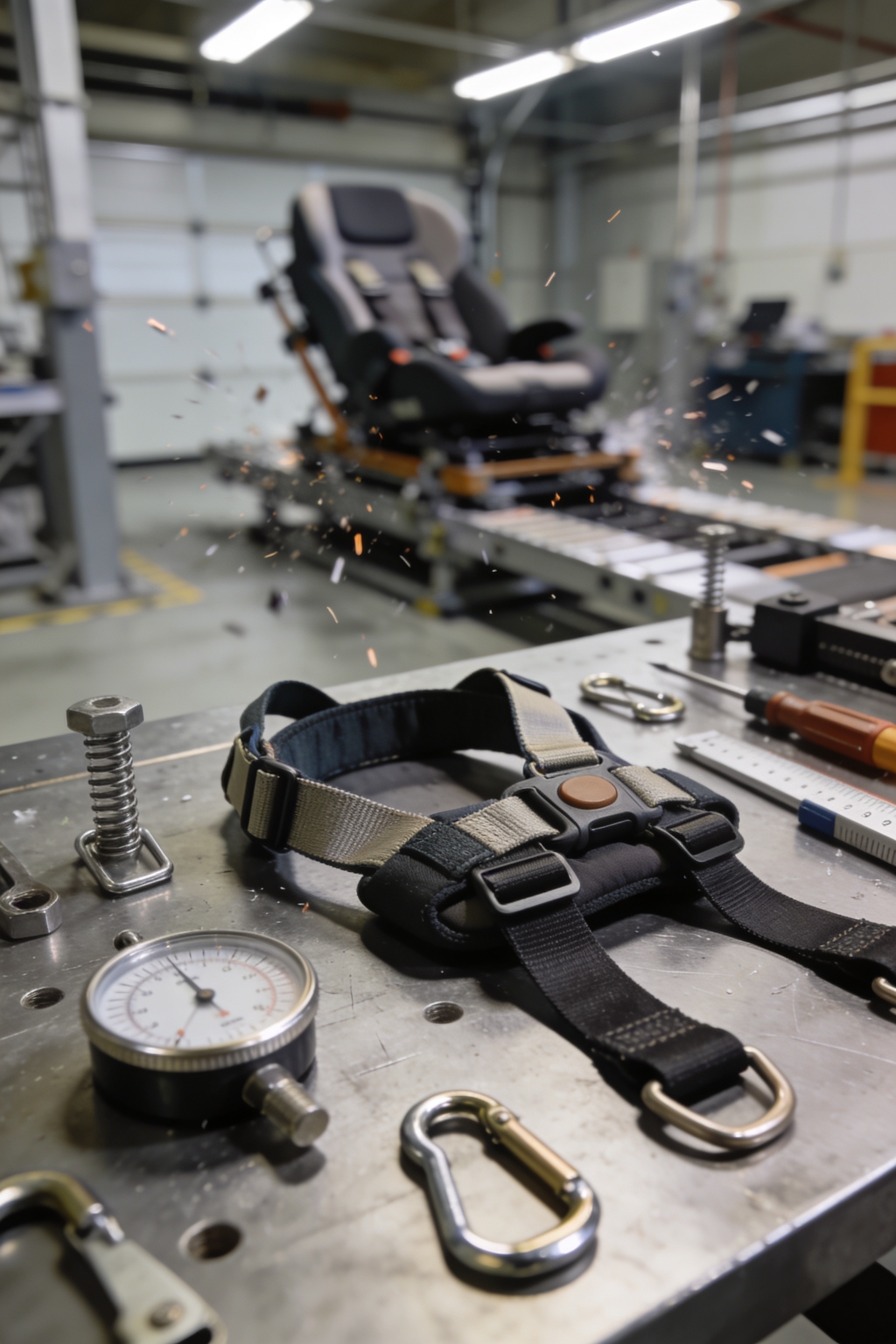
Pet Seat Belt Harnesses: How Crash Test Ratings Are Actually Measured

Here’s the thing—there’s no official U.S. crash-test standard for pet harnesses, so “crash-tested” labels are basically meaningless without details. Manufacturers sometimes use child safety standards instead, but results vary wildly between facilities. What actually matters? Look for independent 5-star ratings, three-point restraints, automotive-grade materials, and steel buckles. Forward excursion (how far your pet moves) and strap slack tell you real safety performance. Skip vague marketing claims and dig into the specifics of what was actually tested.
Key Takeaways
- No official U.S. pet crash-test standard exists; manufacturers often use child-safety protocols instead for inconsistent results.
- Forward excursion and strap slack are primary metrics; smaller measurements indicate better harness safety performance.
- Third-party 5-star CPS ratings provide standardized verification, while vague “crash-tested” labels lack transparency about testing methods.
- Optimal harnesses feature three-point restraints, automotive-grade materials, steel buckles, and reinforced stitching for reliable protection.
- Poor installation, weak vehicle anchor points, and degraded stitching can negate crash-test engineering regardless of rating.
Which Crash-Test Standards Actually Apply to Your Pet?
there’s no official pet crash-test standard in the U.S. Instead, manufacturers test harnesses using child safety protocols like FMVSS 213. Sounds legit, right? But here’s where regulatory gaps come in. Your harness might pass one test but not another, depending on the facility and method used. Just as protective covers are critical in automotive safety systems to prevent accidental contact and damage, transparent labeling of crash-test standards is equally essential for pet harness reliability.
That’s why manufacturer transparency matters so much. Some companies clearly state *which* standard they tested against and *where*. Others just slap “crash-tested” on the box without details. You deserve to know exactly what protection you’re actually getting before strapping your pet in.
Recommended Products

CRASH-TESTED VEHICLE SAFETY HARNESS – Conforms to USA (FMVSS 213) safety standards, providing reliable protection during sudden stops or accidents.

REVERSIBLE COZY MODE. Flip the plush liner outward for soft-touch carry or inward to control shedding. Ideal among dog carriers for small dogs, doubles as a puppy travel bag and a calm pet taxi for small dogs with seat-belt strap and safety tether.
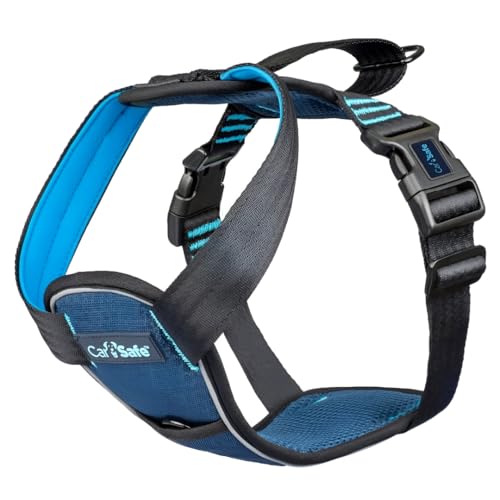
CRASH TESTED DOG HARNESS: Certified up to 32Kg / 70lbs to provide total peace of mind when transporting your dog in the car.
What Excursion and Strap Movement Reveal About Safety?
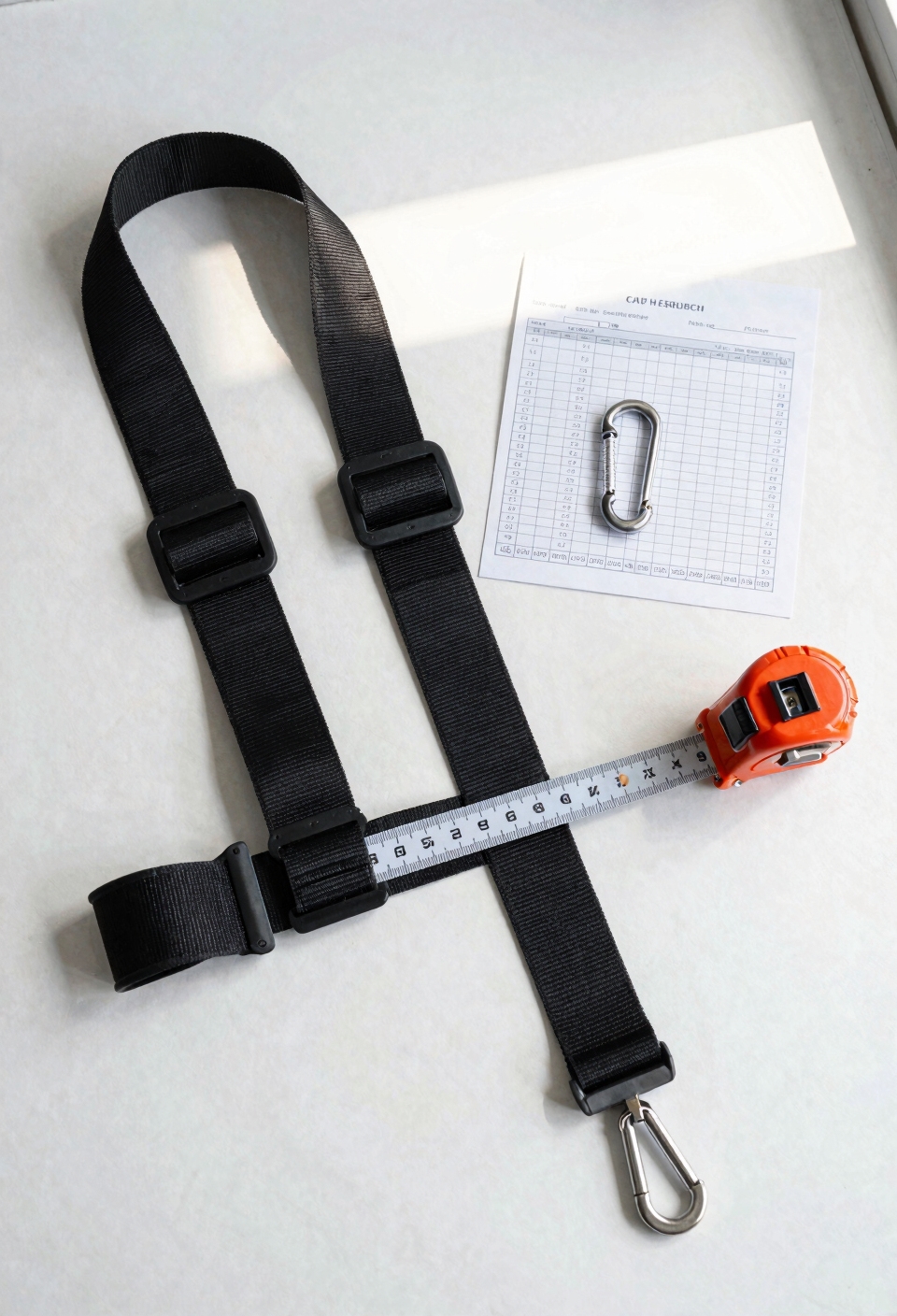
Now, here’s what matters: a smaller forward excursion number means your pet stays closer to their original position. I mean, that’s genuinely safer. Engineers also measure strap slack—how much the harness loosens during impact. If those straps give way too much, your pet’s suddenly got wiggle room they shouldn’t have. The best harnesses keep both measurements minimal, which means your furry friend stays contained and secure when things go wrong. Similar to how reinforced stitching for tear resistance is critical in vehicle safety handles to prevent failure during sudden movements, pet harness straps require comparable durability standards to maintain their integrity during crashes.
Recommended Products

Crash-tested and TÜV approved for ultimate safety
![Purple 4 Point Harness for Bucket Seat, Push Button Release, 10 Color Options, Racing Harness, Race Car, Off Road Vehicle, UTV, RZR (1 Unit) [6036]](https://m.media-amazon.com/images/I/51p3oyM+p2L._SL500_.jpg)
The 50 Caliber Racing 4 Point Harness has our patented Ultra Kush Padding in the straps. Available in 10 vibrant colors, these harnesses don’t just look amazing—they feel amazing too!

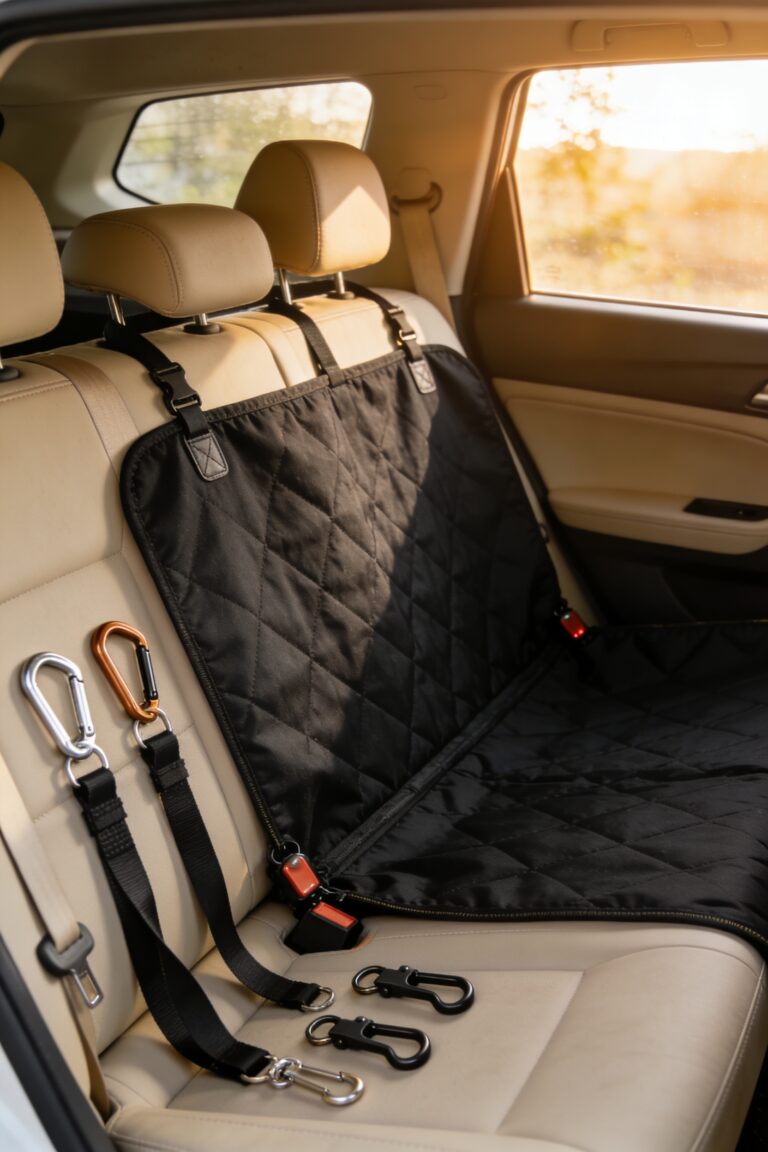
BUILT FOR THE DRIVE. Strength-rated hardware, metal slide buckles, and a universal seatbelt loop keep dogs secure through hard stops, comfortably restraining your co-pilot on any adventure.
Why Crash-Tested Harness Design Beats Marketing Claims?
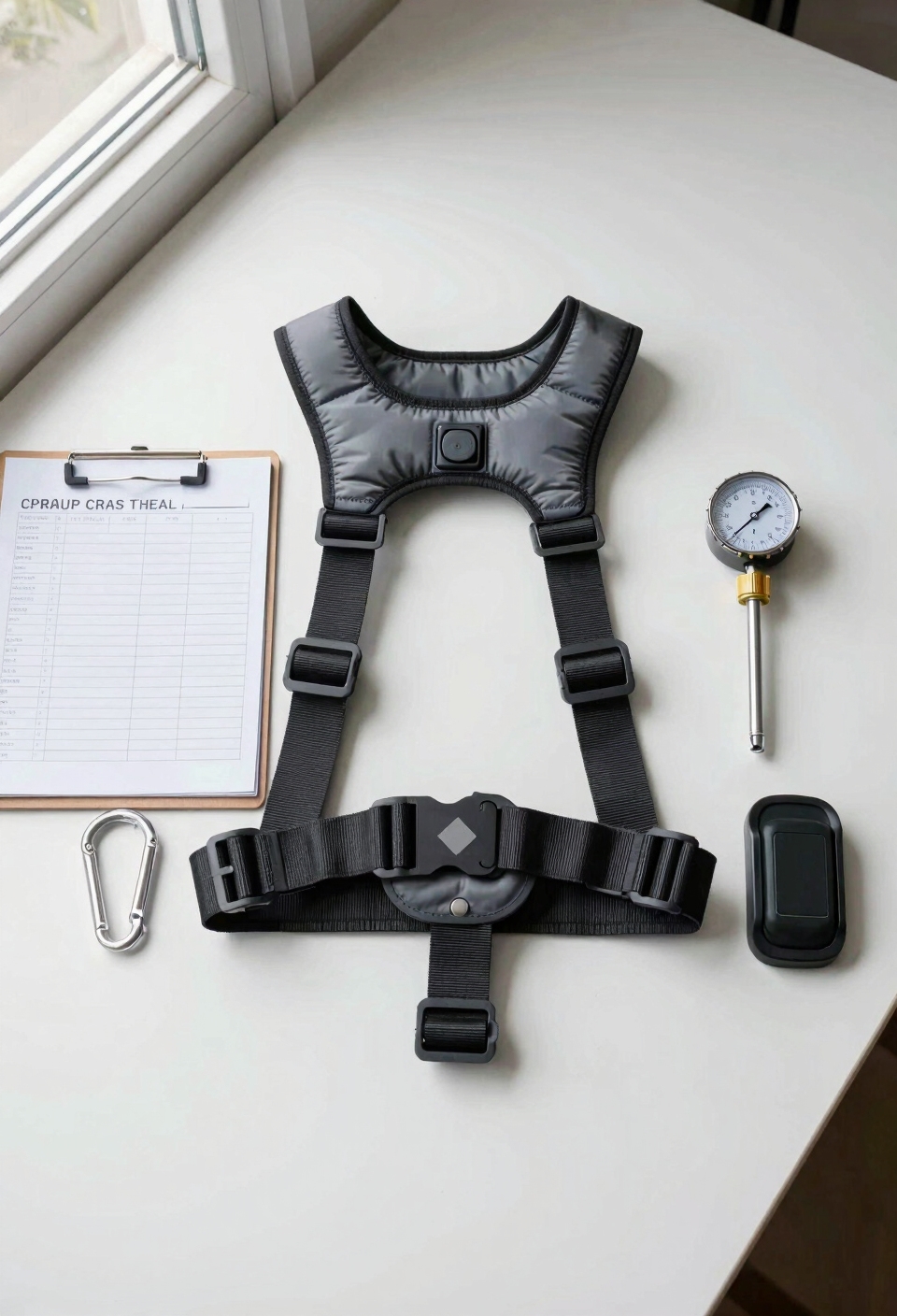
When you’re scrolling through pet harness reviews online, you’ve probably noticed that a lot of products throw around the term “crash-tested” like it’s some kind of magic seal of approval. Here’s the thing: not all crash tests are created equal. I mean, marketing claims sound impressive, but real-world fit and hardware longevity tell the actual story. A harness might pass one test but fail in your specific car setup. That’s why you need to look deeper than the label. Independent certifications like CPS ratings matter way more than vague “crash-tested” promises. You’re checking whether the design uses three-point restraints, automotive-grade materials, and steel buckles—stuff that actually holds up when impact happens. That’s what separates legit protection from clever advertising.
Recommended Products

CRASH-TESTED - PupSaver is a rear-facing crash tested dog car safety seat. All of our safety seats have been tested to or beyond the canine version of the FMVSS guidelines. The rear-facing design makes PupSaver the only crash test-worthy dog car seat on the market. Our seat works with your vehicle's SRS and seatbelt pretensioner to provide maximum impact protection and Safety Beyond Restraint.

Mobile pet bed, in-cabin airplaine carrier and car seat, fits pets up to 17-1/2-pound
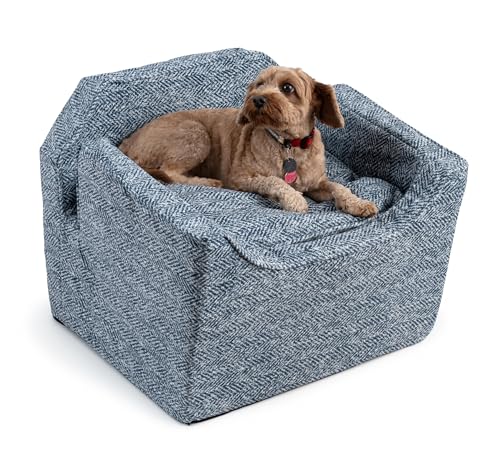
Elevate your pup's car journey with the luxurious Lookout I dog booster car seat. The elevated dog car seat provides a raised seat for your dog to see out the window. Seeing out the window from a raised dog car seat can alleviate anxiety and ease car sickness for dogs who struggle with car rides. More than a seat, it's a cozy dog bed for car journeys that is crafted from plush, soft fabric and shock-absorbing foam to ensure a smooth, comfortable, enjoyable car ride for your furry family member.
Crash-Tested 5-Star Ratings vs. Unproven Marketing Labels?
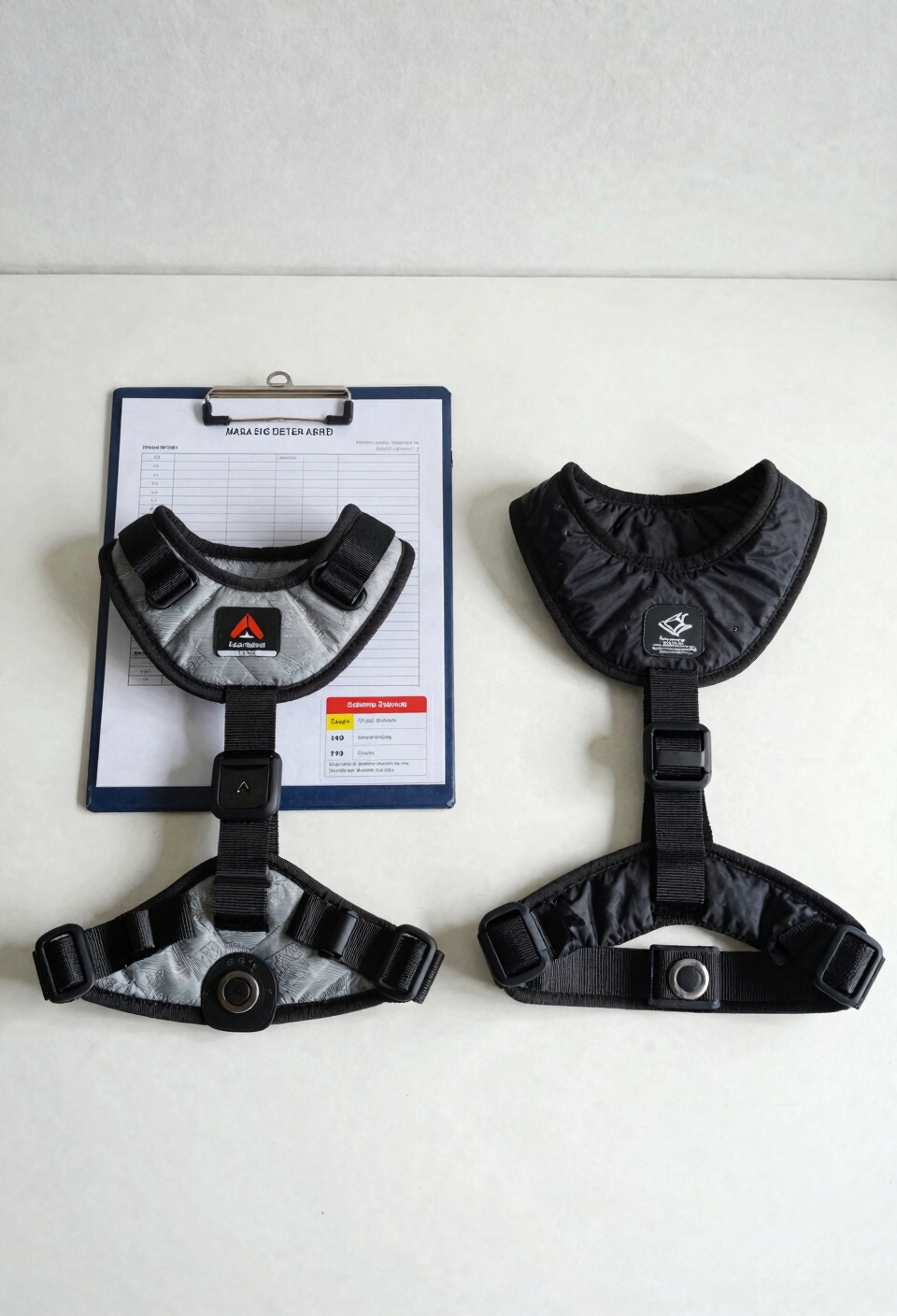
If you’re trying to figure out which pet harness actually keeps your dog safe in a crash, you’ve probably noticed that some brands slap “crash-tested” on their label while others tout a “5-star CPS rating”—and honestly, those two things aren’t the same thing at all. Here’s where consumer skepticism comes in handy. A marketing label might just mean the harness survived *one* test under *one* condition. A 5-star CPS rating? That’s third-party verification from actual safety experts who’ve put the harness through rigorous, standardized procedures. I’m sure you want real proof, not just pretty marketing speak. Look for independent certifications over vague claims. That’s how you know you’re actually protecting your dog, not just feeling good about your purchase. Just as reinforced stitching and water-resistant materials extend the lifespan of car care accessories, quality harnesses with superior construction methods provide lasting protection and reliability for your pet.
Recommended Products

THE ULTIMATE CANINE SAR HARNESS: A full body harness designed specifically for SAR dogs, this design helps you to safely and securely lower or raise your dog down cliffs, into collapsed structures or from helicopters
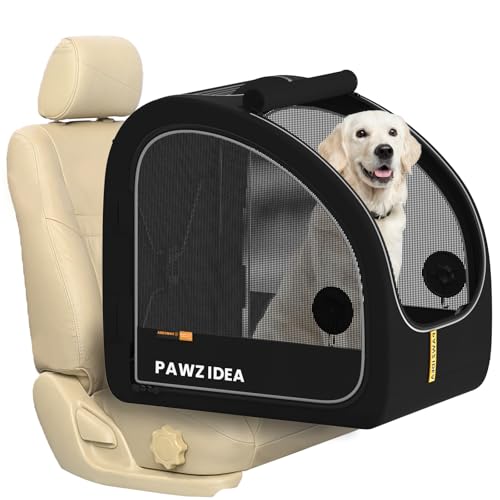
EXTRA-LARGE & SPACE-SAVING: Spacious 27" L x 19" W x 28" H—45% taller than standard crates, allowing medium to large dogs up to 80lbs to Sit Upright comfortably & relax during trips. Features two pop-up switches design sets up in seconds and folds flat to only 4.3" H for compact, trunk-friendly storage.
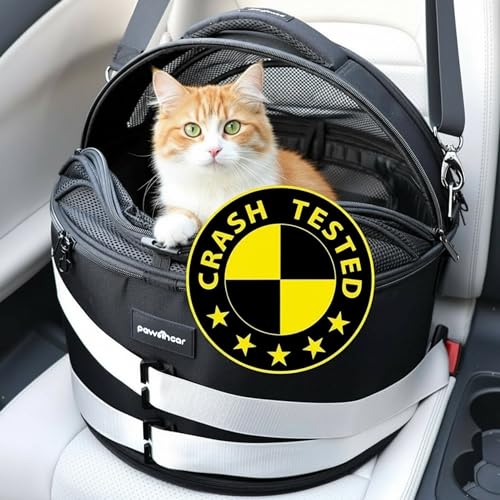
CRASH-TESTED FOR CRASH PROTECTION : Our enclosed cat car seat has been independently crash-tested in the USA by the Center for Pet Safety (CPS) and certified with a 5-star safety rating for withstanding a crash force of at least 750lbs (Test with the U.S. child restraint system standard FMVSS 213b). This is the highest safety rating ever awarded for dog car seats for small dogs. Most importantly. Please don’t be misled by the 99% of dog booster car seat and dog seat belt for car that are not crash-tested; while they may claim to keep your pet "safe," their only real function is containment. Our crash tested pet car seat is engineered to actually safeguard your pet’s life during a car crash.
Red Flags That Undermine Even Tested Harnesses
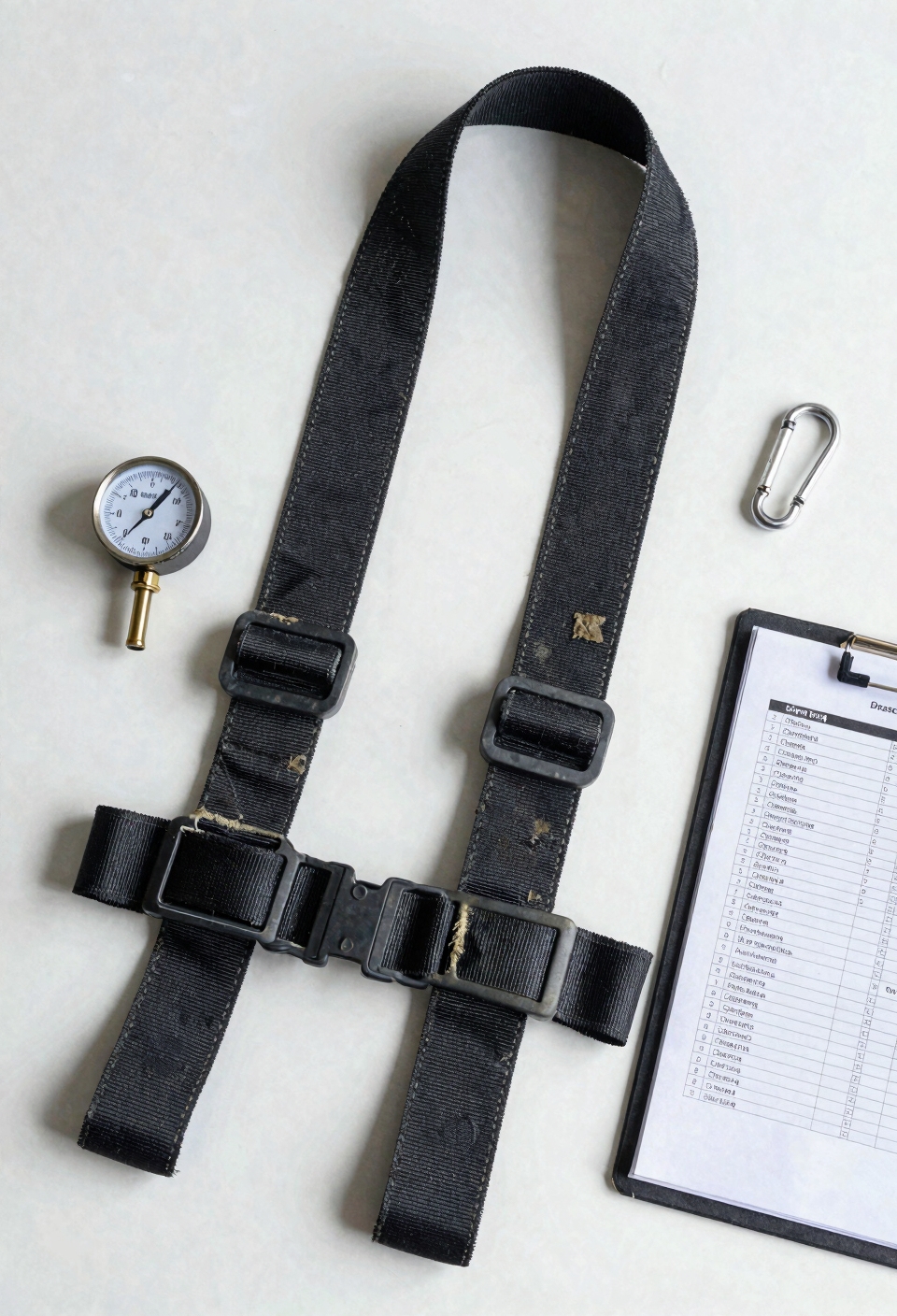
Even the best crash-tested harness can fail you if you don’t pay attention to how you’re actually using it. I mean, you could have a five-star rated harness that’s basically useless if the stitching starts falling apart after a few months. Poor stitching means the whole thing unravels when you need it most—literally during a crash. Then there’s tether misuse. You’ve probably seen people just hook their harness to whatever seatbelt anchor they find. That’s a recipe for disaster. A weak attachment point completely undermines all that crash-test engineering. The seatbelt quality matters just as much as the harness itself. Just as safety reliance on matching accessory capacity to equipment specifications is critical in other applications, your pet harness attachment must align with your vehicle’s anchor points to function properly. Your pet’s safety depends on you doing your part too, not just buying something with impressive ratings.
Recommended Products

High-quality Material: PU Leather + Carbon Leather Back. Waterproof, easy to clean, scratch and wear-resistant. Injection-molded foam padding fast rebound, not distortion easily

ENHANCED PET SAFETY: The FidoRido Pet Car Seat gives your pet a safe and cozy place to ride in the car, lowering the possibility of mishaps brought on by moving pets. The dual-strap restraint system helps to keep your pet safe while traveling by distributing the force of sudden pauses allowing them to sit, stand, or lie down and still look out the window, minimizing driving distractions.

Founded in 1995 with over 40,000 happy HILASON dog seat belt harness owners in America and across the world, it's the fastest-growing saddle brand in the USA! HILASON dog rescue harness is crafted in Texas by some of the industry's finest artisans.
Frequently Asked Questions
Can a Harness Tested for One Vehicle Position Work Equally Well in All Seating Locations?
No, I can’t guarantee a harness tested for one position works equally well everywhere. Anchor geometry and lap belt attachment points vary markedly between seats, which directly affects how your harness performs during impact.
Does a Crash-Tested Harness Guarantee Protection if the Seatbelt Attachment Point Is Weak?
No, it doesn’t. I’ve found that weak seatbelt attachment points cause attachment failure in crash scenarios, compromising even the best harnesses. Your anchor integrity directly determines whether that crash-tested harness actually protects your pet.
How Do Automotive-Grade Materials Specifically Improve Crash Performance Compared to Standard Fabrics?
I’ll explain how automotive-grade materials outperform standard fabrics. Kevlar webbing resists tearing under impact forces, while heat set stitching won’t unravel during crashes. Standard fabrics lack this durability.
Why Are Extension Tethers Automatically Disqualifying in Crash-Test Harness Evaluations?
Extension tethers are catastrophically disqualifying because they introduce regulatory ambiguity—I’d argue they’re basically wildcards that testers can’t reliably measure or control, making crash performance entirely unpredictable and unverifiable.
What Happens to a Harness That Passes Structural Tests but Deforms Significantly During Impact?
I’ll tell you: a harness passing structural tests but deforming considerably during impact reveals problematic structural creep. You’re looking at load redistribution failures that compromise restraint effectiveness and pet safety despite initial certification.
Conclusion
Look, your pet’s safety matters just as much as yours does in the car. Real crash-test ratings give you actual proof that a harness’ll protect your furry friend, not just empty promises from marketing teams. So before you buy, check for those legitimate certifications and solid test data. Isn’t it worth spending a few extra minutes making sure your dog or cat stays safe on every drive?