As an Amazon Associate, we earn from qualifying purchases. Some links on this site are affiliate links at no extra cost to you. Our recommendations are based on thorough research and editorial judgment.

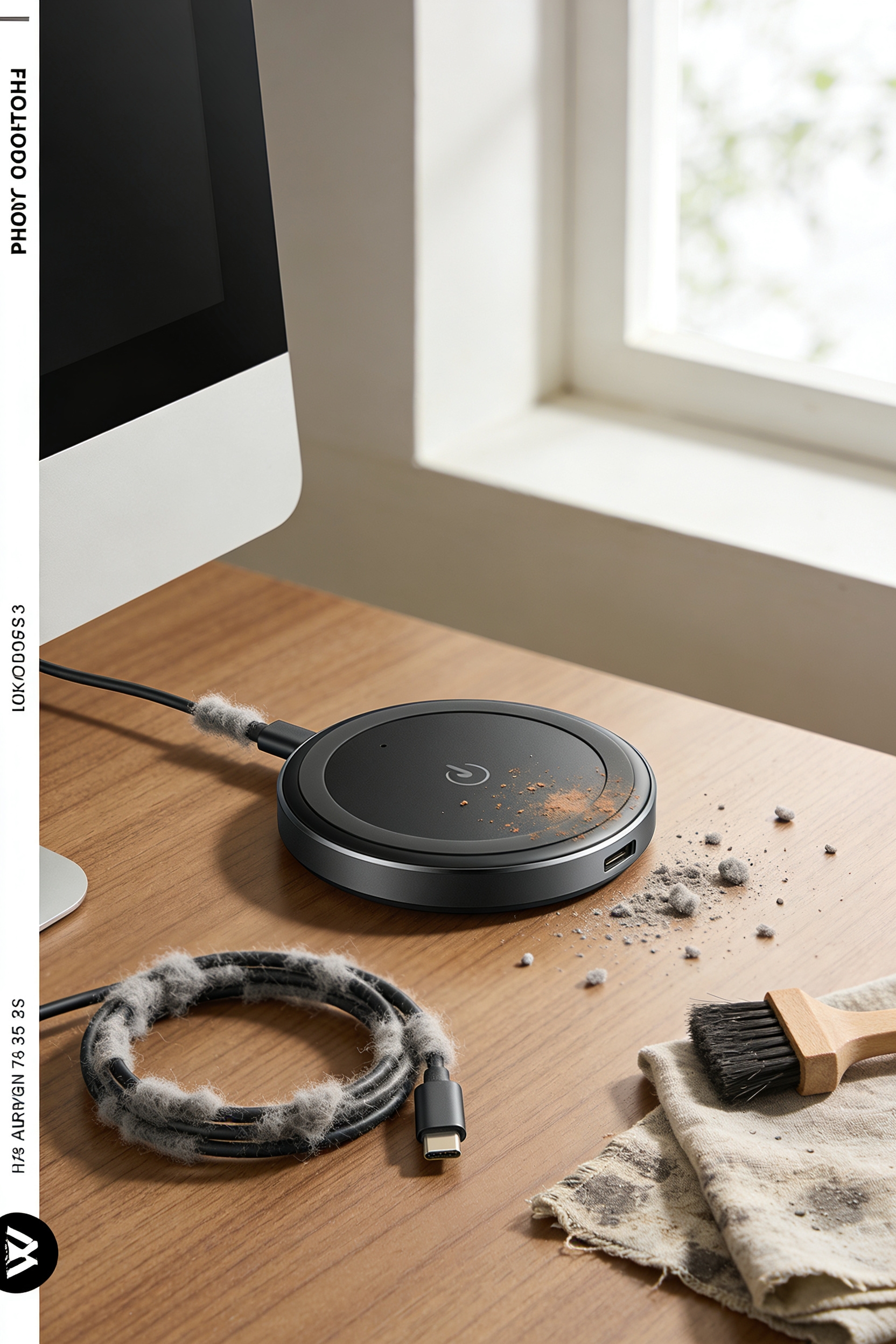
Wireless Charger Pad Care: What Kills Charging Speed Over Time?

Your wireless car charger slows down over time because dust and skin oils create a grimy barrier that blocks the magnetic connection between your phone and the pad—you can lose 30–50% of charging speed just from buildup. Heat buildup then triggers automatic slowdowns to protect your battery. Coil misalignment from thick cases and cheap adapters make it worse. The real culprit? Neglect. A quick monthly wipe with a microfiber cloth and proper placement away from dashboard heat restores that blazing-fast charge you remember, and there’s actually more you should know about keeping your setup running strong.
Key Takeaways
- Dust and skin oils accumulate on charging coils, creating a barrier that reduces power transfer efficiency by 30–50%.
- Wireless charging generates excessive heat, triggering thermal throttling that intentionally slows charging to protect battery chemistry and device longevity.
- Coil misalignment weakens magnetic coupling between phone and pad, increasing heat generation and decreasing overall charging speed significantly.
- Low-quality USB cables and weak power adapters bottleneck power delivery, preventing the charger from reaching optimal performance levels.
- Repeated thermal cycling from heat buildup causes gradual battery capacity loss and micro-damage, making charging progressively slower over time.
How Dust and Oils Slow Your Wireless Charging
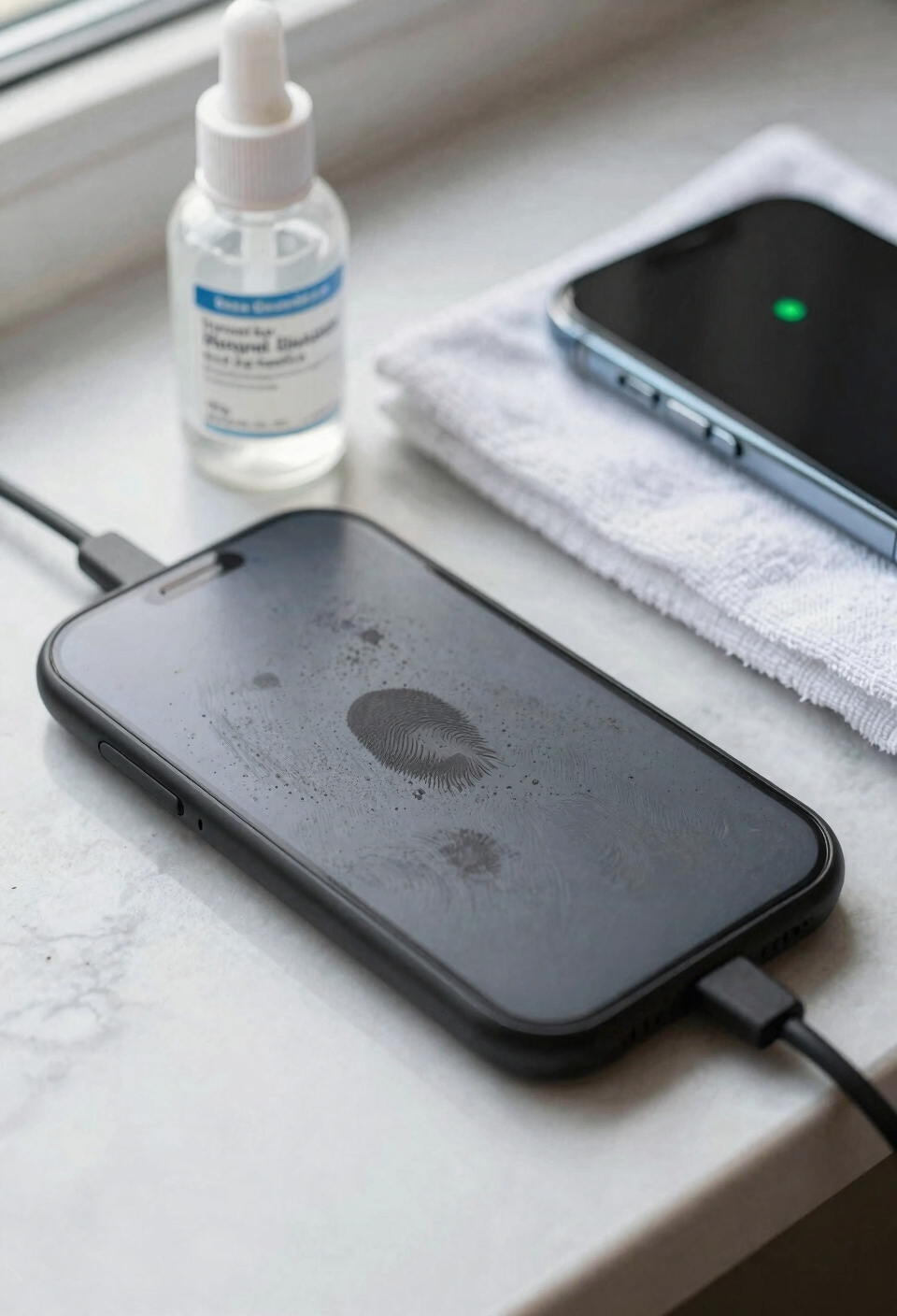
Building up dust and skin oils on your wireless charger pad might seem like no big deal, but here’s the thing—that grimy film is basically sabotaging your charging speed. I’m talking about actual surface contamination that creates a barrier between your phone and the charging coils underneath. When dust and oils pile up, they increase what’s called charging impedance, which basically means your charger has to work way harder to send power through. You can lose up to 50% of your charger’s performance, which is huge. The worst part? That grime also traps heat, making your pad run hot and triggering automatic slowdowns. Just like microfiber towels are essential for car care to prevent scratching and maintain performance, regularly cleaning your charger pad with a dry microfiber cloth will keep your charging speed where it should be. All right, the fix is simple—wipe your pad down regularly with a dry cloth, and you’ll keep your charging speed where it should be.
Why Heat Buildup Triggers Automatic Throttling
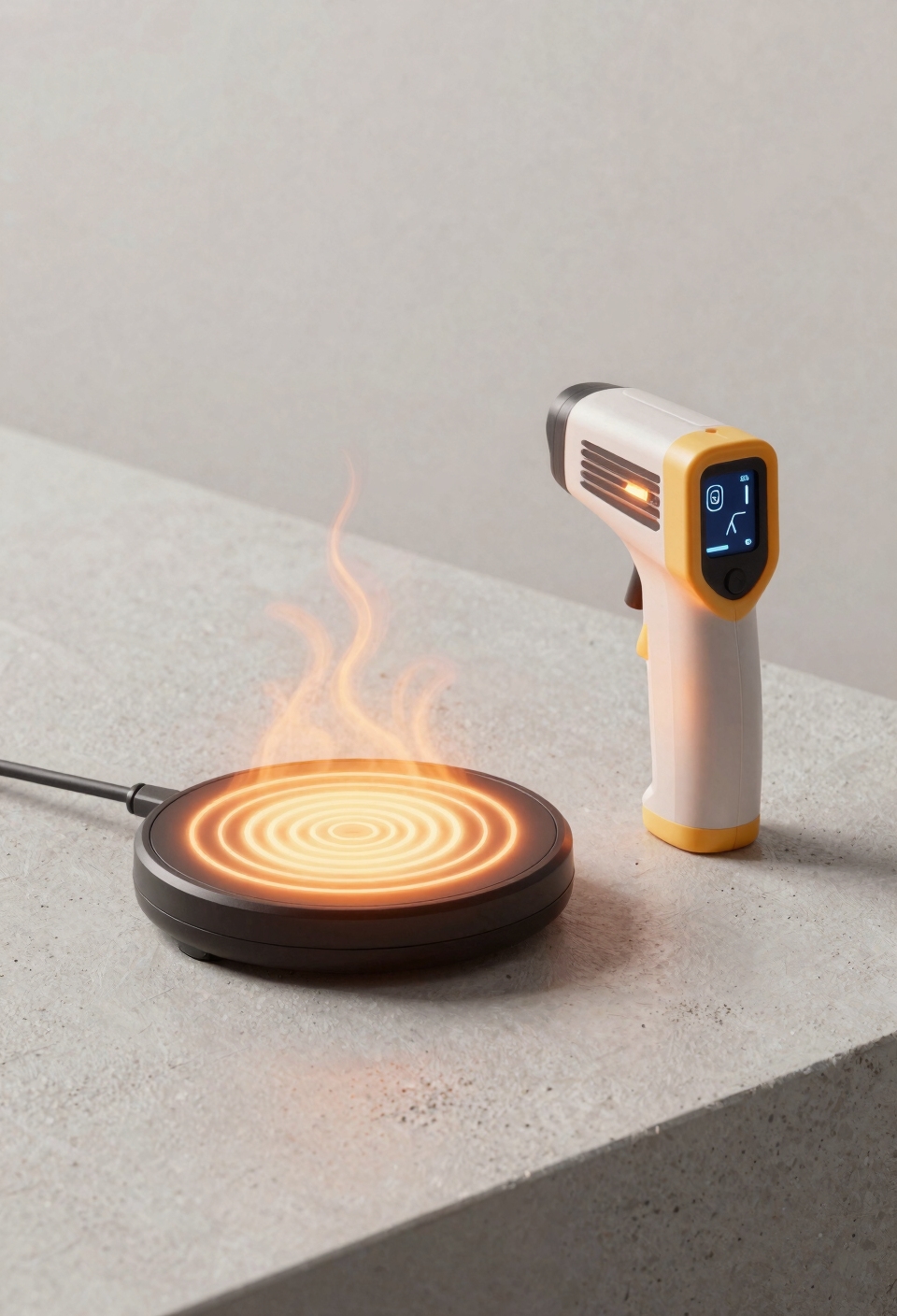
You know how your phone gets hot when you’re charging it wirelessly? That heat isn’t just uncomfortable—it’s actually your phone protecting itself. Inside your charger pad and phone, thermal sensors are constantly monitoring temperature. When things get too toasty, your device kicks in firmware throttling, which basically means it purposely slows down charging to cool things off.
I mean, think of it like this: your phone would rather charge slower than risk damage. The problem is that wireless charging already creates more heat than wired charging because energy gets lost converting between the coil and your battery. Add dust, misalignment, or a hot environment into the mix, and those thermal sensors trigger throttling even faster. Similar to how reflective outer layers in quality car accessories help reduce heat buildup, keeping your charger pad clean and positioned properly minimizes unnecessary temperature increases. The result? Your “fast” charger suddenly feels sluggish. Keeping your pad clean and cool actually lets it do its job properly.
How Coil Misalignment Destroys Charging Speed
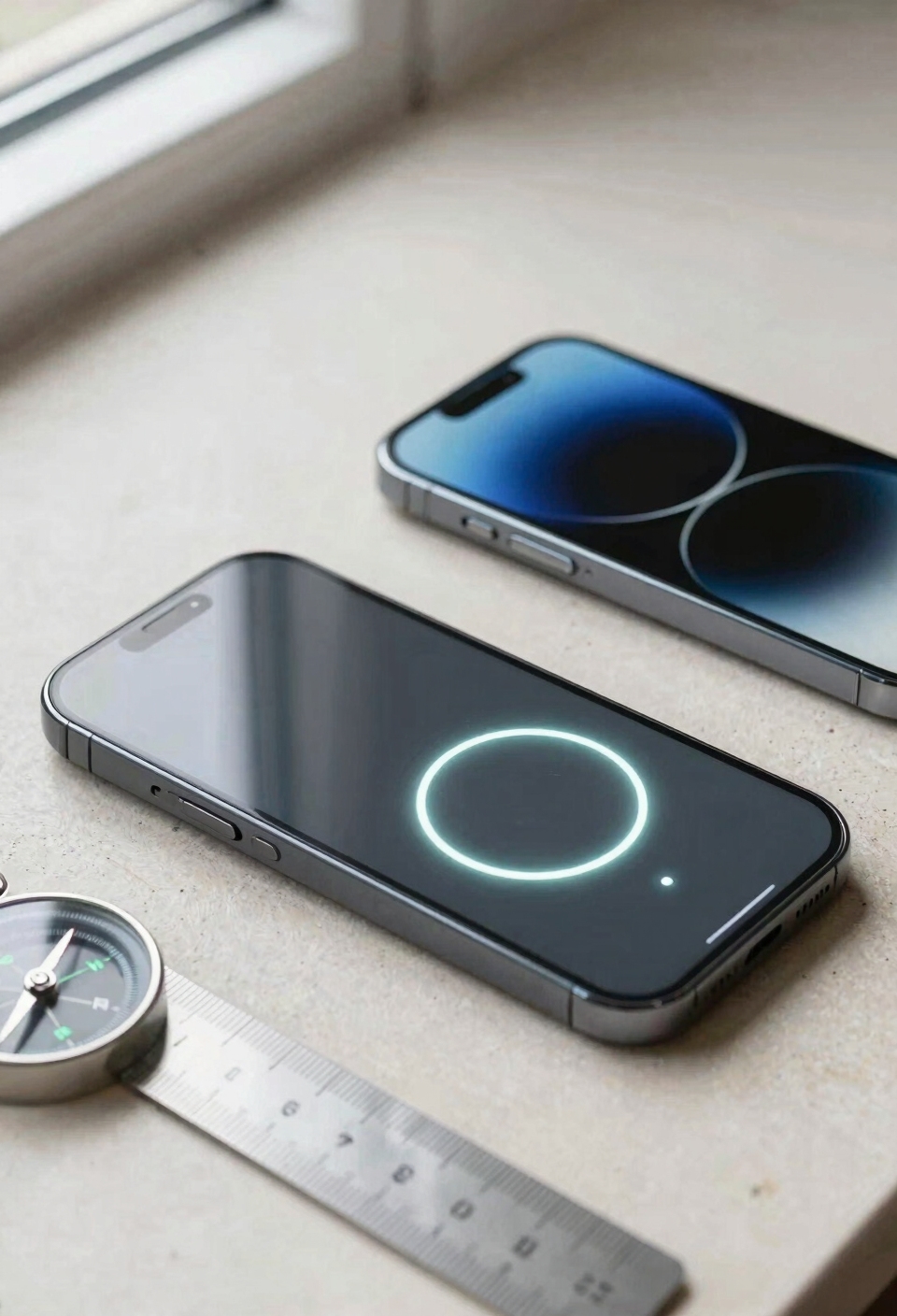
Ever noticed your phone charges at full speed one day and then crawls the next, even though you’re using the same charger? Coil misalignment is probably the culprit. Here’s the deal: your phone’s charging coil and the pad’s coil need to line up perfectly—like two magnets facing each other. When they’re off even slightly, magnetic alignment gets weak, power transfer drops, and your phone heats up like crazy.
I mean, it’s worse if you’ve got a thick case on. That extra distance between coils throws off coil positioning even more. Generic pads and car chargers are notorious for this problem. Similar to how advanced cabin air filtration systems require proper placement and maintenance to function optimally, wireless chargers demand precise positioning for peak performance. The fix? Find that sweet spot on your pad where charging feels fastest, then keep your phone there. Proper placement makes all the difference in getting steady, speedy charging every single time.
Your Cable or Power Adapter Might Be the Real Bottleneck
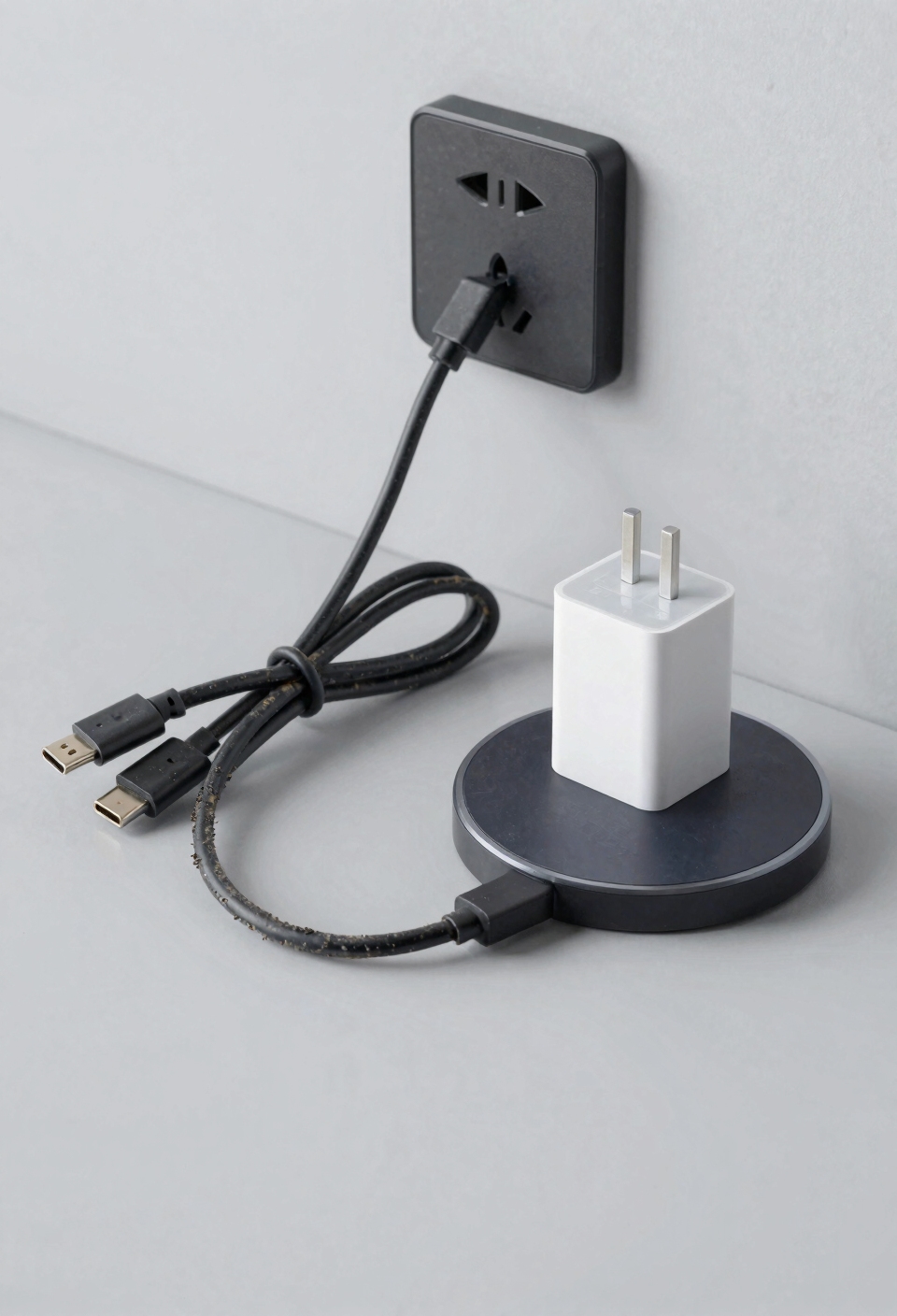
All right, so we’ve talked about how your phone’s positioning on the pad matters—but here’s something I bet you haven’t thought about: the cable and power adapter plugged into your charger might be silently sabotaging your whole setup.
I mean, you’re blaming the pad when really your cable could be the problem. A cheap or damaged USB cable limits power delivery before it even reaches your charger. Same deal with weak wall adapters—they just can’t push enough juice through. Bad cable quality means inconsistent charging, slower speeds, and more heat buildup. Frayed connectors? Forget about it. Just as 100% oxygen-free copper conductors are essential for optimal signal transmission in high-performance systems, your charging cable needs quality materials to deliver consistent power.
Here’s the real talk: grab a certified, high-quality cable and a solid adapter. Your wireless charger can’t perform its best without them. You’d be surprised how much faster everything gets.
Where You Charge Matters: Heat, Airflow, and Placement
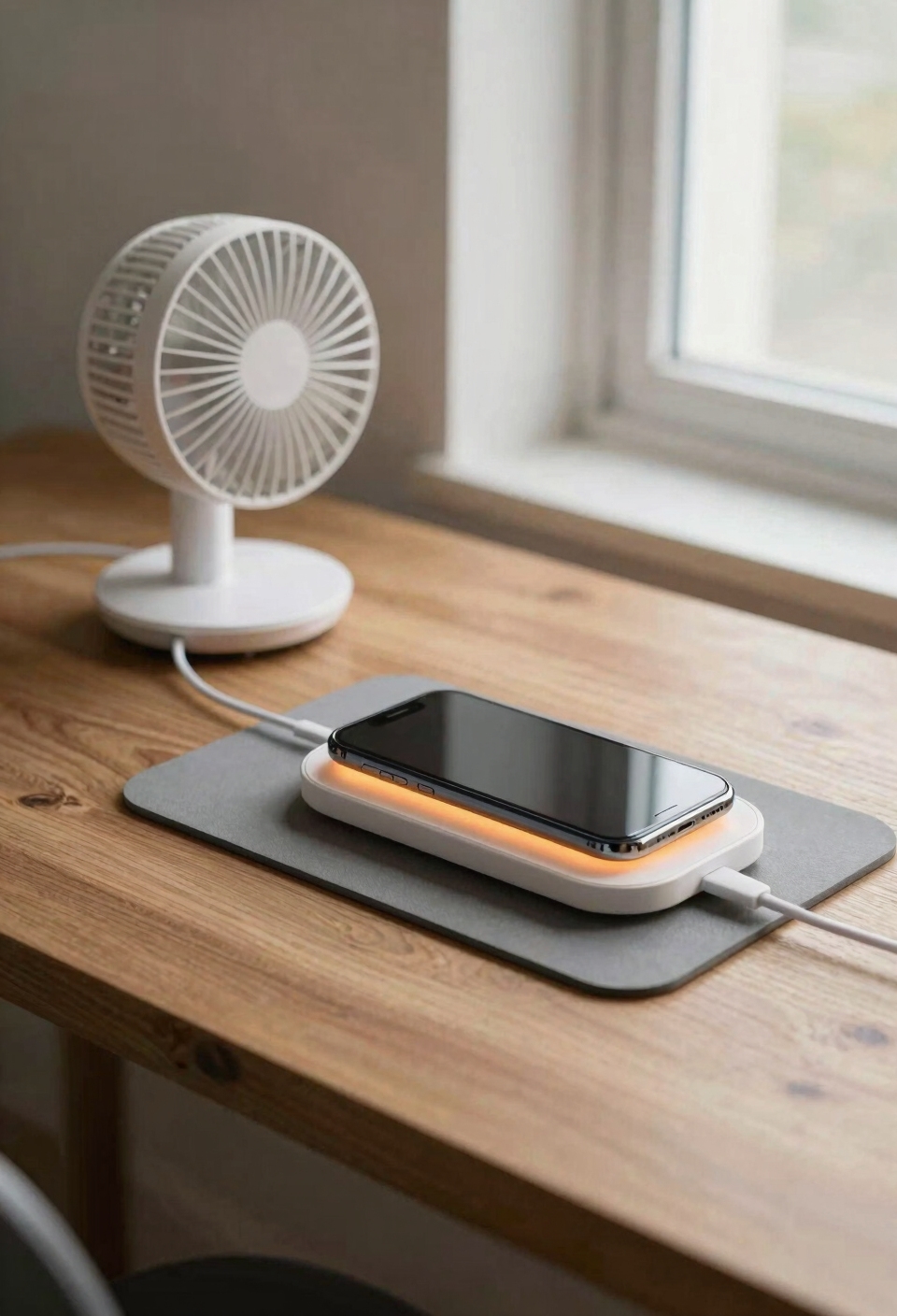
Car interiors heat up fast, right? Now throw a wireless charger into that hot environment, and your phone’s gonna throttle its charging speed to protect the battery. If you’re tossing your charger on the dashboard under direct sunlight or wedging it between seat cushions, you’re basically suffocating it. Your charger needs breathing room. Keep it in a cooler, open spot with actual airflow, and you’ll notice faster, more consistent charging every single time. Consider pairing your charger with energy-efficient LED lighting upgrades that generate less heat than traditional bulbs, creating a cooler overall environment for your charging accessories.
How Repeated Heat Exposure Slows Charging Over Time
Because your phone’s battery is basically a tiny chemistry lab, heat is literally its worst enemy. Every time you charge wirelessly in your car, you’re exposing that battery to thermal cycling—basically heating up and cooling down repeatedly. I’m sure you’ve noticed your phone gets warm during charging, right? Here’s the thing: that heat stress actually damages the battery chemistry at a microscopic level. Over weeks and months, repeated heat exposure causes the battery to lose capacity, so it won’t hold a charge as long. You’ll notice charging feels slower or your phone dies faster. Similar to how copper core wiring in car radio installations ensures optimal signal transmission by reducing resistance and heat buildup, keeping your charger in a cool spot with good airflow helps maintain efficient power transfer to your device. Try not to leave your phone charging for hours after it hits 100 percent.
Clean Your Pad Monthly to Restore Peak Charging
So here’s the thing—you can have the perfect charging setup and the coolest car accessories, but if your wireless charging pad‘s covered in dust and fingerprints, you’re basically throwing away half its power. I’m talking a 30–50% drop in performance, which is huge.
Now, monthly maintenance is your secret weapon. All it takes is a gentle wipe with a soft, dry cloth to clear away that grime buildup. You’re literally restoring your charger’s ability to transfer energy efficiently. Similar to how magnetic closures on premium document holders require regular cleaning to maintain their effectiveness and longevity, your wireless charging pad benefits from consistent upkeep.
I mean, think about it—dust creates a barrier between your phone and the charging coils. That barrier means heat builds up faster, your charger throttles output, and everything slows down. One quick cleaning keeps your pad running at peak speed and your phone charging like it’s supposed to.
Frequently Asked Questions
Can a Thick Phone Case Permanently Damage My Wireless Charging Coil Alignment?
No, a thick case won’t permanently damage your coil alignment. However, thick case misalignment increases the distance between coils, reducing efficiency and heat generation. Remove it when charging to restore peak performance.
Should I Remove My Phone Immediately After Reaching 100% Charge?
Yes, you should. Studies show wireless charging generates roughly 70% efficiency versus 95% for wired—meaning extended pad time creates unnecessary heat exposure. Removing your phone at 100% protects battery maintenance and reduces thermal stress.
Is Wireless Charging Safe to Use in Humid Bathroom Environments?
I’d recommend against it. Humidity causes condensation that can damage the pad’s electronics. You’ll want waterproof enclosures and condensation prevention measures if you’re charging there regularly.
How Often Should I Replace My Charging Cable to Maintain Peak Speed?
As they say, an ounce of prevention beats a pound of cure. I’d replace your cable every 1–2 years if you’re practicing good charging etiquette. Inspect it regularly for fraying—that’s when you’ll know it’s time to replace the cable and restore peak speed.
Does Leaving My Phone on the Pad Overnight Reduce Battery Capacity?
Yes, leaving your phone overnight on the pad does reduce battery capacity over time. I’d recommend avoiding this because prolonged heat exposure accelerates battery aging. Lithium-ion batteries degrade faster under repeated high-heat conditions.
Conclusion
Look, I’m not saying your charging pad will literally explode if you ignore it, but neglecting maintenance absolutely tanks its speed. You’ve got the power now—literally—to keep things running smooth. Clean monthly, watch your heat, and check that alignment. Your phone charges faster, you stay happy, and honestly, that’s all that matters. Take care of your gear, and it’ll take care of you.