As an Amazon Associate, we earn from qualifying purchases. Some links on this site are affiliate links at no extra cost to you. Our recommendations are based on thorough research and editorial judgment.

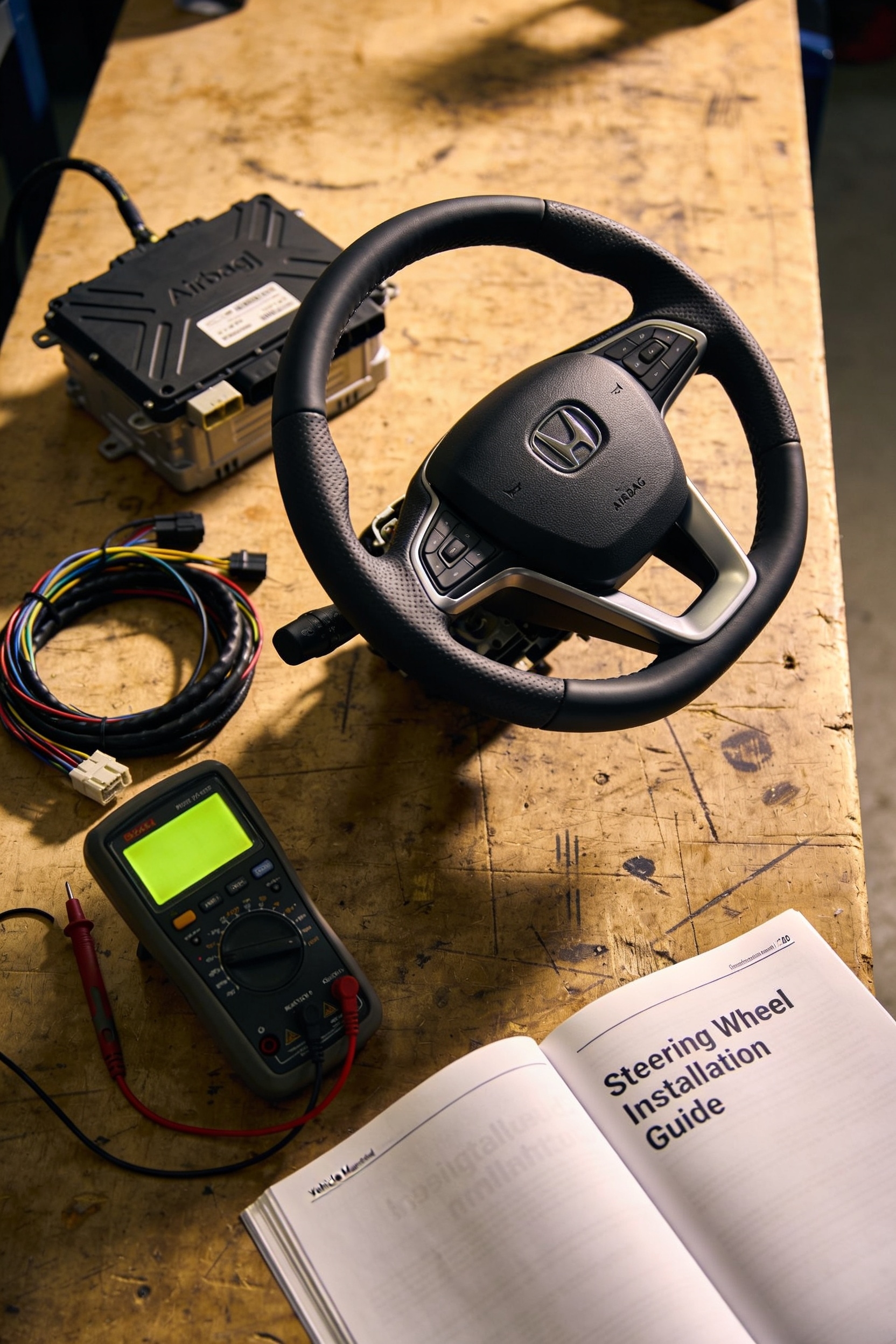
Steering Wheel Swap Legality: What Airbag Laws Actually Say

if your car’s older and didn’t come with a steering wheel airbag from the factory, you’re pretty much clear to swap it out. But—and this is a big but—if your car originally had an airbag built into the wheel, removing it is federally illegal. We’re talking potential fines, registration problems, and insurance nightmares if you crash. The specifics get way more complicated depending on where you live and what exactly you’re swapping.
Key Takeaways
- Federal law prohibits disabling or removing factory-installed steering-wheel airbags from vehicles originally equipped with them.
- Non-airbag vehicles allow aftermarket wheel swaps, but local inspections and state regulations may still apply restrictions.
- State penalties vary widely; California imposes fines up to $1,000 and potential jail time for airbag removal.
- Removing a functioning airbag system can result in denied insurance claims and increased liability exposure after crashes.
- Professional installation verification ensures ignition compatibility, steering-lock function, and horn operation to meet legal and safety standards.
Non-Airbag Vehicles: When Steering Wheel Swaps Are Legally Safe
You may be interested
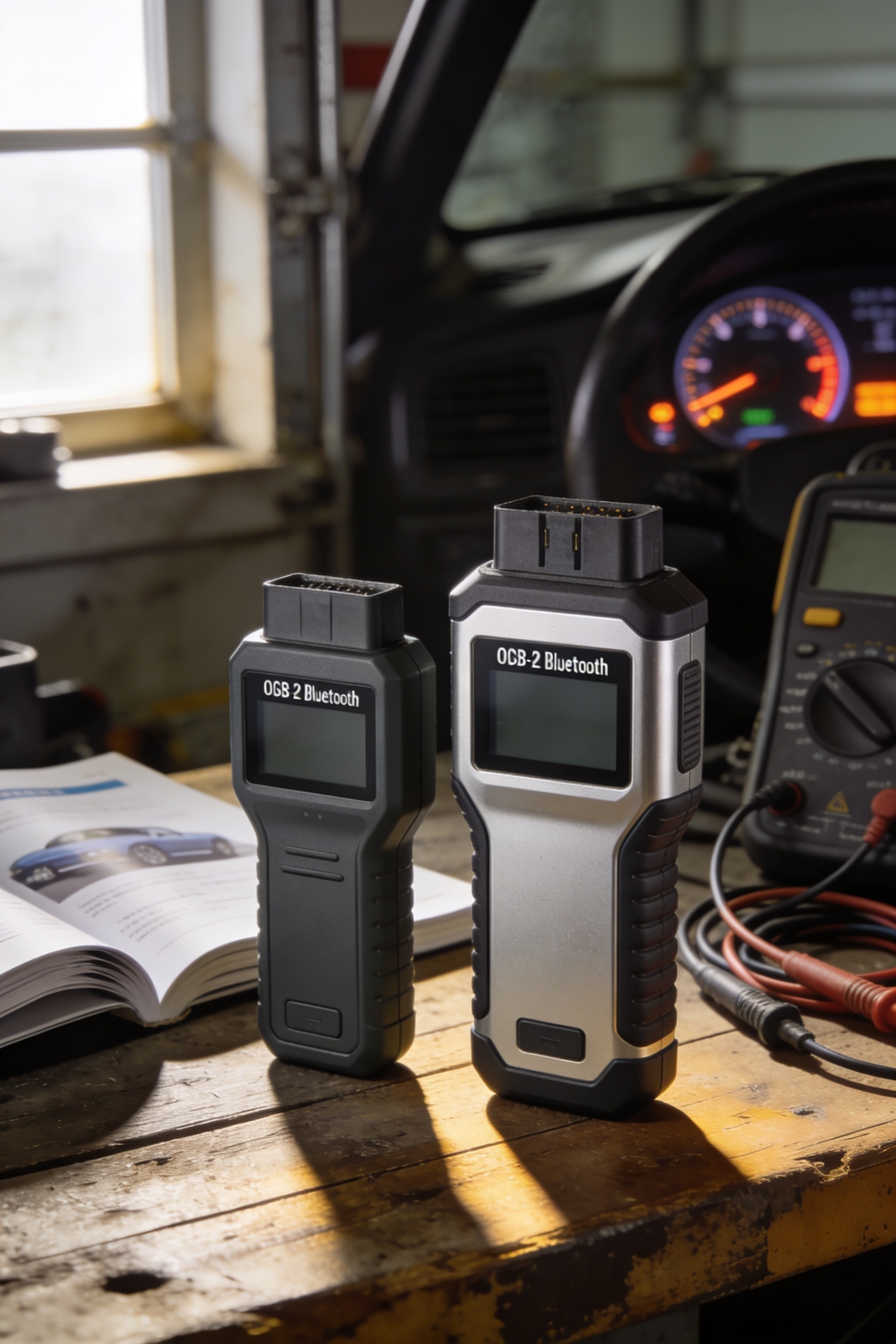
If you’ve been eyeing that sleek racing wheel or custom steering setup, here’s the good news—you’re not automatically breaking the law just by swapping it out. The real legal game changes depending on what your car came with originally. See, older vehicles that were never built with airbags in the steering wheel? You’ve got way more freedom there. You can swap in that custom wheel without federal safety violations hanging over your head. Now, you’ll still want to check your local inspections and state rules—they vary everywhere. Make sure your replacement wheel is secure, your horn works, and everything lines up with your steering column. Proper protective covers on any electrical connections will help prevent dust and accidental contact during installation. Bottom line: no factory airbag means you’re in the clear zone.
Recommended Products

Necessary to install Grant Classic Series, Challenger Series or Signature Series steering wheels

【Genuine Leather Material】: We refuse to shred leather splicing, this handmade steering wheel cover is made of a whole block of high quality cowhide leather, it looks very neat and upscale. Selected high-quality cowhide leather has a smoother and more comfortable feeling compared to spliced steering wheel covers. It is also highly durable and breathable.

【Premium Quality】: This car steering wheel cover is made of 100% furry material, which is durable, anti-slip, odorless and not easy to break or deform. Due to the specificity of material, in winter, it can warm your hands and keep you from touching the cold steering wheel. Therefore, please buy with confidence.
Original Equipment vs. Aftermarket: What Federal Law Allows
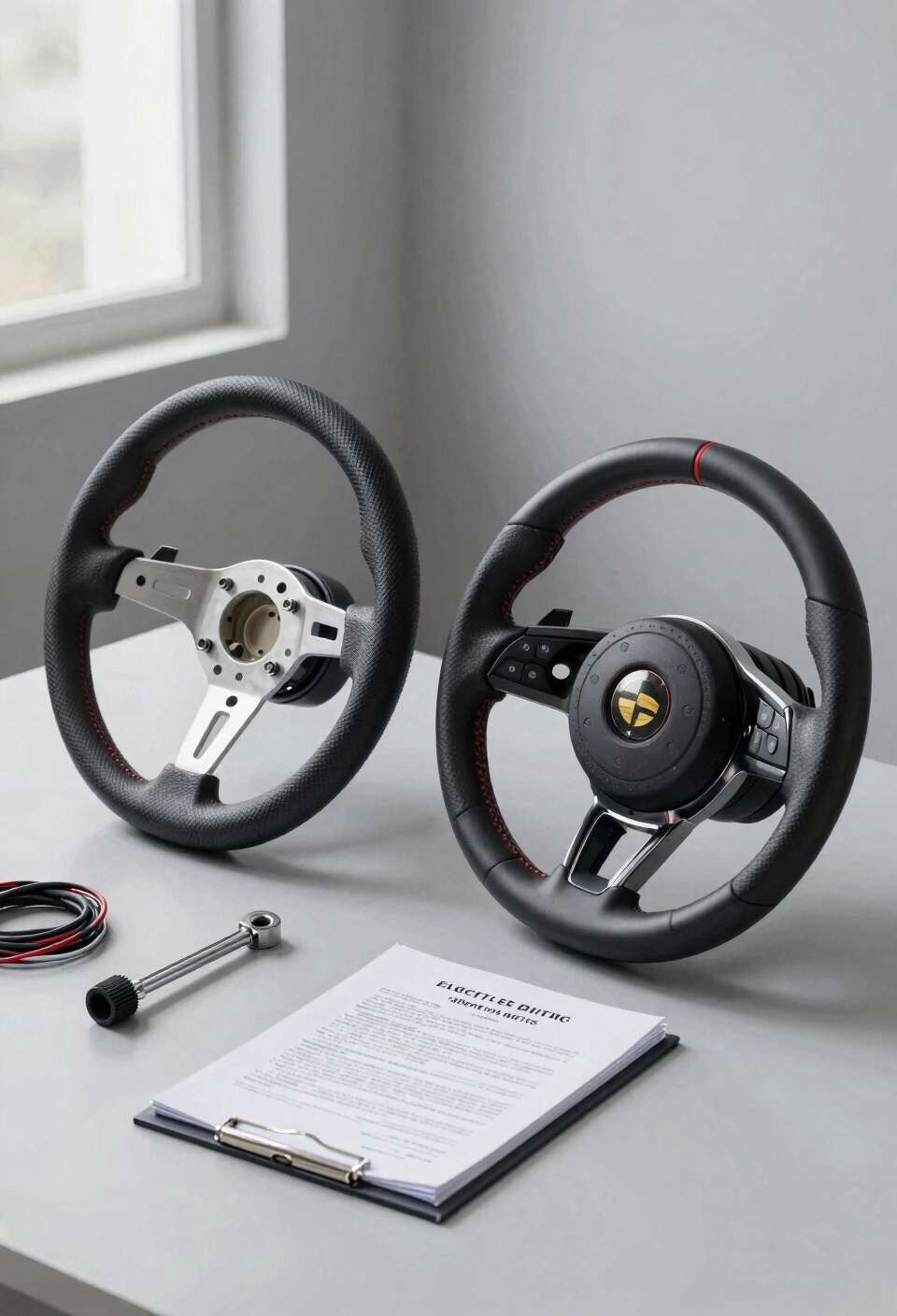
Now that you know you’ve got the green light with older, non-airbag cars, let’s talk about what happens when you’re working with a newer vehicle—you know, the ones that came straight from the factory with airbags built into the steering wheel.
Here’s where it gets tricky. Federal law doesn’t give you factory exemptions to just rip out that airbag and swap in a racing wheel. The “render inoperative” rule means you can’t disable safety equipment that was originally installed. I mean, manufacturers aren’t allowed to do it, shops aren’t allowed to do it—and that applies to you too. Additionally, steering wheel controls—such as those integrated into 16-pin ISO compatibility systems found in modern vehicles—are often interconnected with airbag deployment sensors, making any modification particularly complex from a legal standpoint.
Now, repair semantics matter here. If your airbag deploys in a crash, replacement rules shift slightly. But removing a working system? That’s legally risky and genuinely dangerous.
Recommended Products


Fitment: Steering Wheel Horn Button with reliable performance, steering wheel horn button fits for All 6 Bolts Racing Steering Wheel, for MOMO/OMP/Nardi/Sparco/VERTEX. The External Horn Button Kits are mounted between the hub adpater and steering wheel. Available in single or dual buttom kits.
State Penalties for Steering Wheel Swaps
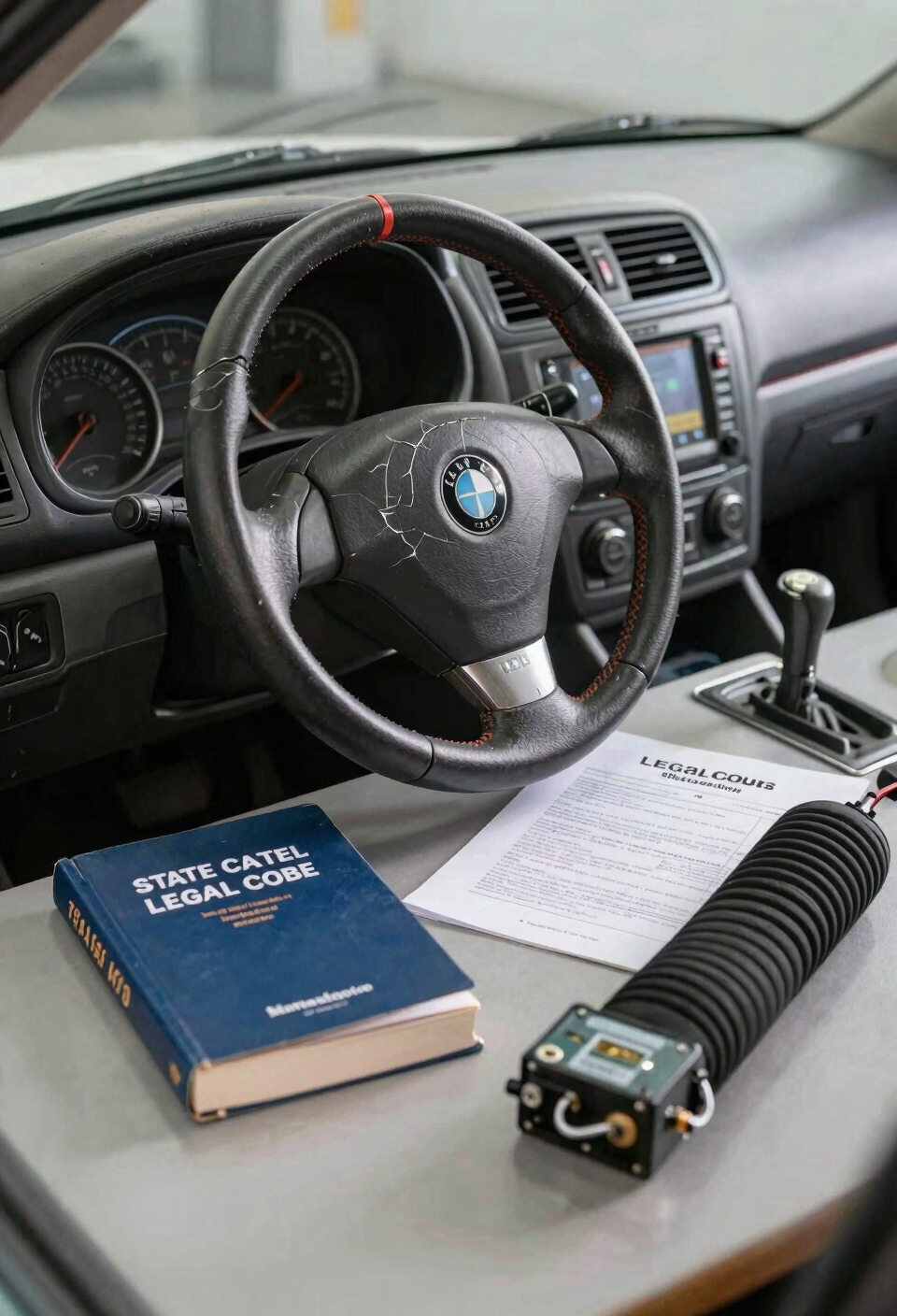
Once you swap out that factory steering wheel for an aftermarket one without an airbag, you’re not just making a style choice—you’re stepping into legal territory that varies wildly depending on where you live. California, for example, has cracked down hard—we’re talking criminal penalties that can include misdemeanor charges, up to six months in jail, and fines hitting $1,000. Your vehicle might also fail inspection, which blocks registration and leaves you stuck. Florida takes a different approach, focusing on compatibility requirements. Just as custom-fit accessories require vehicle compatibility checks to ensure proper function and safety, aftermarket steering wheels must meet specific compatibility standards in many states. The point is, your state has its own rules. Before you bolt on that racing wheel, check your local motor vehicle code. That investment in style could cost you way more than you bargained for.
Recommended Products

Necessary to install Grant Classic Series, Challenger Series or Signature Series steering wheels

Necessary to install Grant Classic Series, Challenger Series or Signature Series steering wheels

Necessary to install Grant Classic Series, Challenger Series or Signature Series steering wheels.Fit Type: Vehicle Specific
Why Removing Factory Airbags Is Illegal
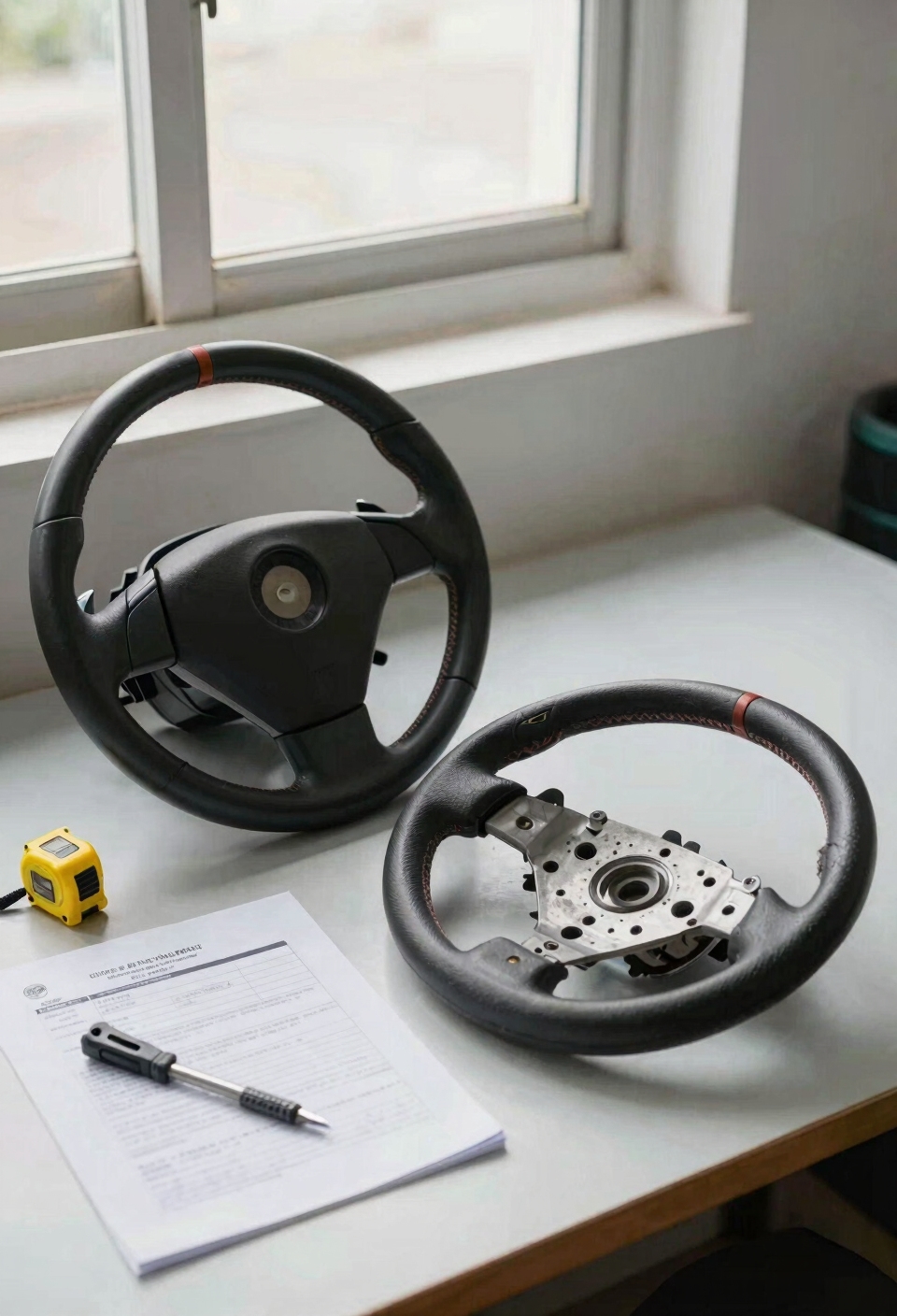
When you rip out a steering wheel that came with your car from the factory, you’re actually breaking federal safety law—and that’s the real reason why. See, the government designed airbags as a safety system to protect you during crashes. When you remove that factory steering wheel, you’re disabling equipment that’s legally required to stay functional. That’s not just a rule—it can trigger criminal penalties depending on your state. The whole point is consumer safety. You might think it looks cool, but regulators see it as dangerous. They’re basically saying: “If the car was built with this protection, it stays.” Removing it puts you at serious legal and physical risk. Just as safety reliance on matching accessory capacity is critical when working under vehicles, matching your vehicle’s safety systems to their original specifications is equally important for legal compliance.
Installing Your Aftermarket Steering Wheel Safely
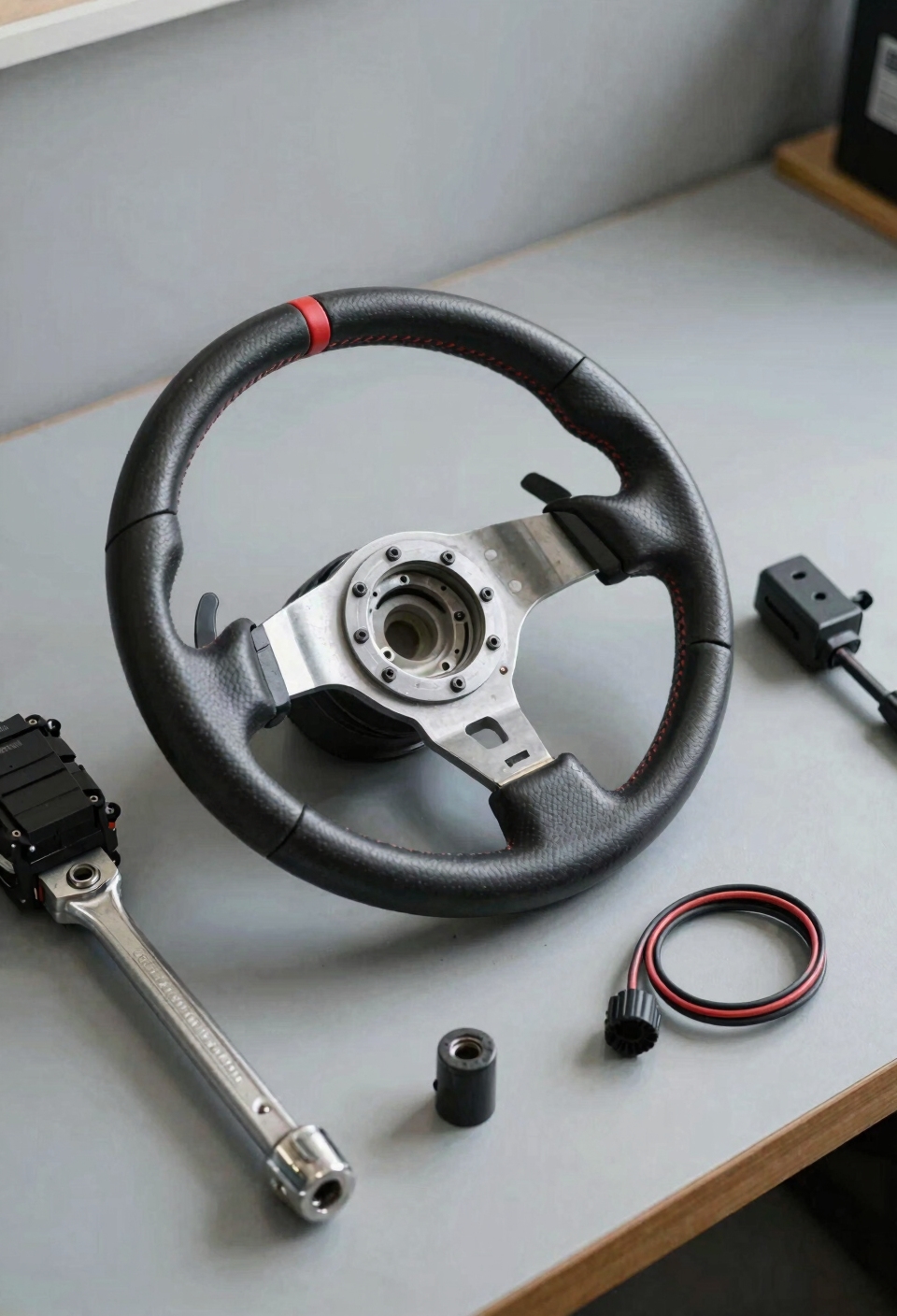
Next up: ignition security. Your new wheel needs to work smoothly with your car’s locking mechanism. If it doesn’t, you’re looking at steering problems or safety issues. Always double-check horn function too—that’s not optional. Consider that installation effort varies depending on your specific model and whether you need professional alignment assistance. Finally, have a professional verify everything before you drive. Taking shortcuts now means headaches later.
Recommended Products

【Application】Steering wheel adapter fits 1970-1988 American Motors models (excluding alliance/encore), fit for 1969-1995 chevy GMC cadillac buick dodge chrysler jeep Pontiac Selected Model.( See specific model and year on description )
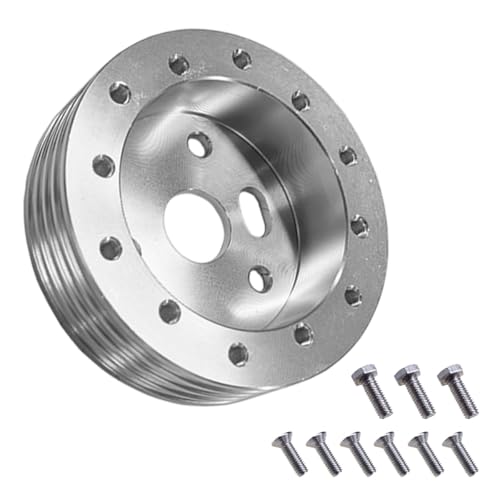
【High-Quality Material】:This steering wheel hub adapter conversion spacer is made of high-quality aluminum, which is hard and resistant to high temperature and corrosion, and the black protective layer on the surface has a good anti-rust effect.

【High-Quality Material】:This steering wheel hub adapter conversion spacer is made of high-quality aluminum, which is hard and resistant to high temperature and corrosion, and the black protective layer on the surface has a good anti-rust effect.
Crashes, Insurance Claims, and Liability Exposure
Here’s the thing about steering wheel swaps and accidents—your insurance company doesn’t care how cool your new wheel looks if something goes wrong on the road. I’m serious. If you crash and your steering wheel doesn’t have an airbag that should’ve been there, insurance disputes can get messy fast. Your claim might get denied because you removed required safety equipment. During liability assessments, investigators will ask why your factory airbag is gone. You could end up paying for damages out of pocket. Plus, if someone else gets hurt in your car, you’re looking at serious legal trouble. It sounds dramatic, but that’s reality. Your modifications could literally cost you thousands in medical bills and legal fees you didn’t expect. Consider that proper vehicle organization and emergency preparedness systems can help document your vehicle’s original safety configurations for insurance purposes.
Steering Wheel Swap: Your Legal Compliance Checklist
Before you buy that sick custom steering wheel, you need to know the legal checklist that’ll keep you out of trouble. First, check if your car originally came with an airbag—this matters *a lot*. If it did, swapping to a non-airbag wheel is risky legally and safety-wise. Next, verify your state’s specific rules, since they vary wildly. Make sure your new wheel won’t cause driver distraction or block your view. Consider pairing your steering wheel upgrade with other interior trim accessories that enhance both aesthetics and functionality without compromising safety. Don’t sacrifice wheel aesthetics for safety either—quality aftermarket wheels exist that do both. Finally, confirm the installation’s done right, your horn works, and everything’s secure. I mean, an unsafe steering wheel defeats the whole purpose of looking cool. Do this homework first, and you’ll avoid legal headaches later.
Recommended Products

Necessary to install Grant Classic Series, Challenger Series or Signature Series steering wheels

【Superior Billet Aluminum Build】 Made of high-strength billet aluminum with a tough black powder coat, our 5 & 6 Hole Steering Wheel Hub Adapter offers great hardness, wear & corrosion resistance for long service life. A durable short hub adapter you can rely on.

Inside Diameter: 3/4''x36 spline (GM), Necessary to install standard 6 bolt (70mm MOMO and 73.6mm Nardi) aftermarket steering wheel
Frequently Asked Questions
Can I Sell a Vehicle With a Removed Airbag Steering Wheel Without Legal Consequences?
I can’t sell you a vehicle with a removed airbag steering wheel without legal consequences. You’ll face liability exposure, title transfer complications, and mandatory safety disclosure requirements that vary by state.
Does NHTSA Require Airbag Replacement After a Crash Deploys the Original Steering Wheel?
I need to tell you: NHTSA doesn’t federally mandate airbag replacement after a crash deploys your steering wheel. However, state law often requires it, and your insurance carrier may dispute claims if you don’t pursue airbag replacement following crash reporting.
What Happens if My Insurance Denies a Claim Due to Missing Airbags?
If your insurance denies a claim due to missing airbags, you can file a claim appeal with your insurer. Document the vehicle’s original equipment and challenge their denial if you believe it’s unjustified. Consider consulting an insurance attorney.
Are Vintage or Classic Cars Exempt From Airbag Removal Laws Under Any Circumstances?
Would you risk your classic car’s legal status for aesthetics? Most vintage vehicles aren’t exempt—antique exemptions rarely apply unless your car predates airbag mandates. Collector exceptions remain state-specific and limited.
Can a Mechanic Face Separate Liability if They Install a Non-Airbag Wheel for Me?
Yes, your mechanic can face mechanic liability and even criminal exposure if they knowingly install a non-airbag wheel on your factory-equipped vehicle. They’re potentially violating federal safety laws against rendering safety equipment inoperative.
Conclusion
Look, swapping your steering wheel might seem like the perfect way to personalize your ride, but it’s basically playing with fire. You’ve got to follow the rules—especially with airbags—or you’re risking serious legal trouble and insurance nightmares. Do it right, and you’re golden. Do it wrong, and you’re looking at fines, liability, and a car that insurance won’t touch. Your safety’s worth more than the aesthetic.