As an Amazon Associate, we earn from qualifying purchases. Some links on this site are affiliate links at no extra cost to you. Our recommendations are based on thorough research and editorial judgment.

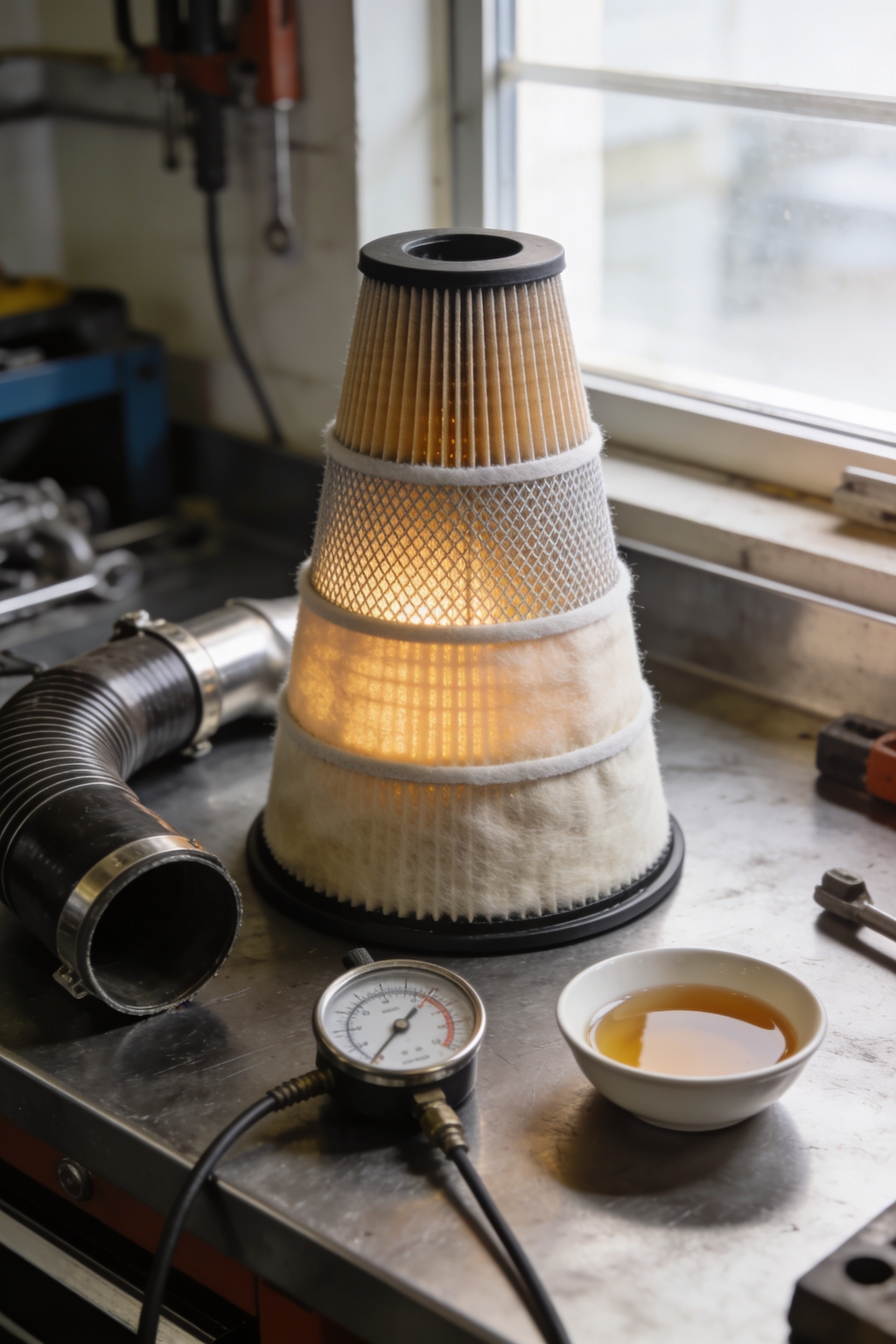
Washable Cone Air Filters: The Airflow Science Behind the Upgrade

You’ve probably seen cone air filters hyped up as instant horsepower, but here’s the truth: they’ll only gain you 1–3% power if everything’s set up right. Real talk—a filter swap alone won’t cut it. You need cold air actually reaching your engine, not hot air from under the hood. Plus, too much oil on that filter will wreck your MAF sensor and make your engine run rich. Stick around to learn how to actually make one work.
Key Takeaways
- Cone filters increase surface area and reduce airflow restriction compared to stock filters, enabling better airflow potential.
- Intake air temperature is critical; poorly positioned cone filters create hot air intakes that negate airflow benefits.
- Real-world power gains from cone filter swaps alone typically range 1–3% without broader intake modifications.
- Pairing cone filters with cooling measures like ram air ducting is required for meaningful performance improvements.
- Excess oil on washable filters risks fouling the MAF sensor, causing rich running and reduced performance.
What Washable Filters Actually Deliver vs. Marketing Hype
You may be interested
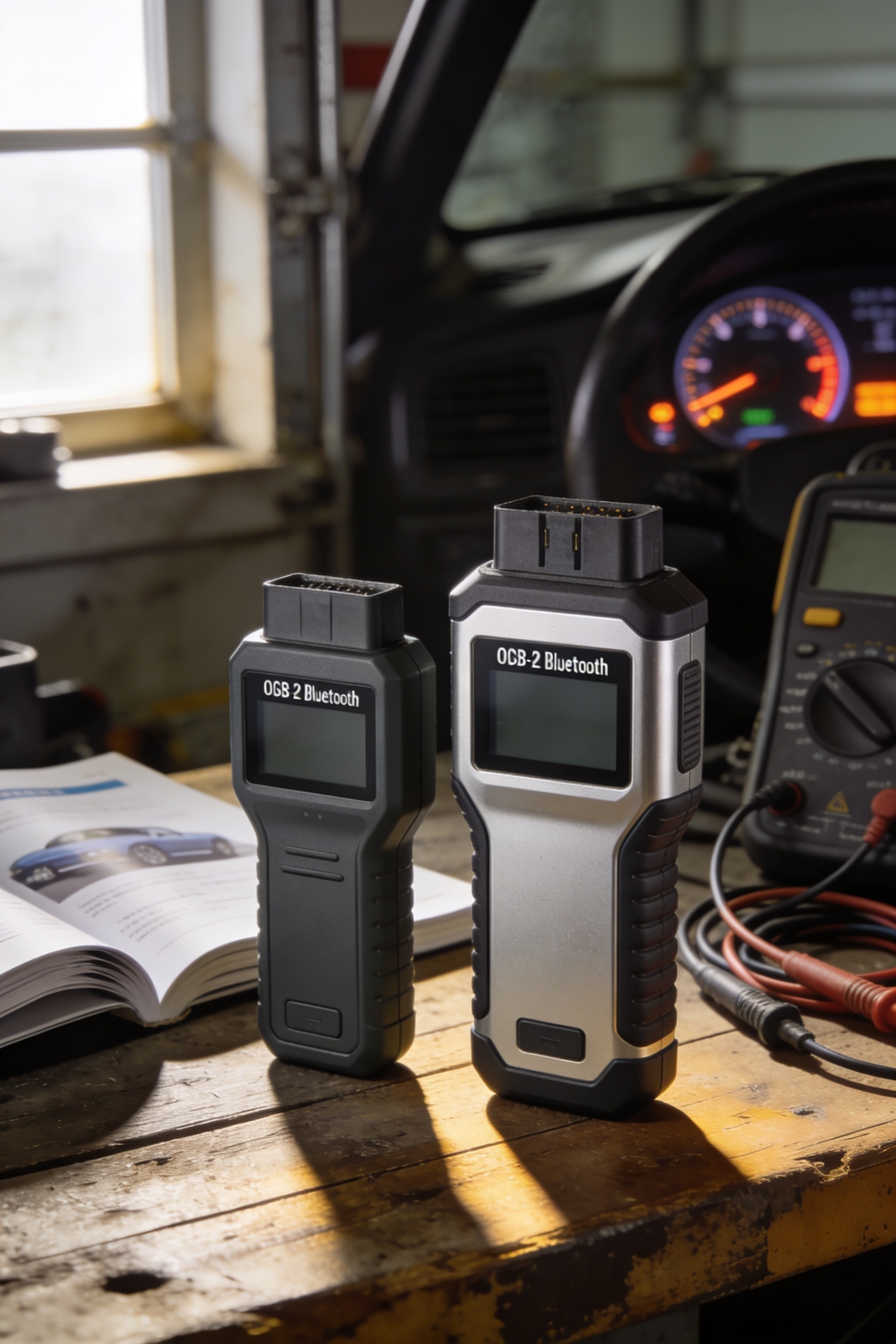
You’ve probably seen those sleek cone-shaped air filters online—the ones with bold claims about “unleashing hidden horsepower” or “turbocharging your engine’s breathing.” I get it; they look way cooler than your stock filter, and the marketing makes them sound like they’ll transform your car into a performance machine. Here’s the truth though: real world gains from just swapping the filter are usually pretty small—we’re talking 1–3% at most. That’s barely noticeable when you’re driving. Now, don’t get me wrong; they can help, especially as part of a complete intake system. But there’s a filtration tradeoff you need to know about. An overly open design might let more dirt slip through, which actually hurts your engine over time. Balance matters more than hype. Just as conductor quality and material selection impact automotive electrical systems, the filtration medium and mesh design of your air filter determine both airflow efficiency and long-term engine protection.
Recommended Products

ENGINEERED POWER: State-of-the-art air filter media is designed to increase horsepower and acceleration as well as improve overall engine performance

ENGINEERED POWER: State-of-the-art air filter media is designed to increase horsepower and acceleration as well as improve overall engine performance

[Engineered Power] Cold air intake filter high quality filtration media provides more airflow to increase power and acceleration, ensuring optimal performance on the road. Note, clogged or dirty air filters can reduce your vehicle’s acceleration by up to 10%
Why Intake Air Temperature Beats Filter Size
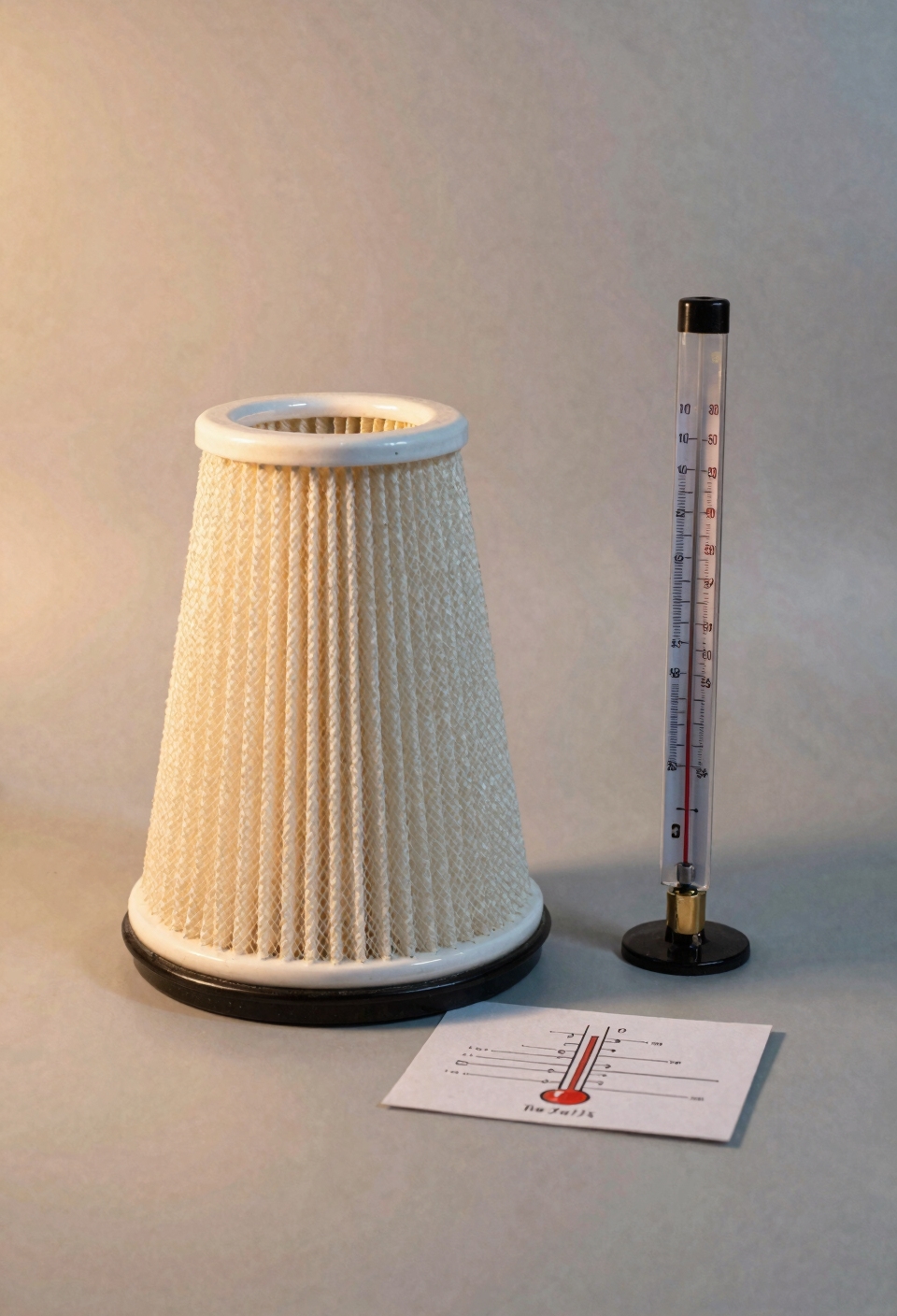
While a bigger filter surface area sounds impressive on paper, there’s actually something way more important happening under your hood—and it’s all about temperature. Here’s the thing: you could have the largest cone filter ever made, but if it’s sucking in hot air from your engine bay, you’re actually losing power. Cold air is denser, meaning it contains more oxygen for combustion. That’s what your engine really needs. A poorly positioned cone filter creates a “hot air intake” instead of grabbing that cool ambient temperature air from outside. So I’m saying intake positioning matters more than filter size alone. A smaller filter positioned correctly to pull cooler outside air will outperform a massive filter drawing warm under-hood air every single time. Additionally, maintaining temperature resistance and UV protection in your intake components prevents deformation and ensures consistent cold air delivery over the life of your vehicle.
Cone Filters Work: But Only With Proper Airflow and Cooling
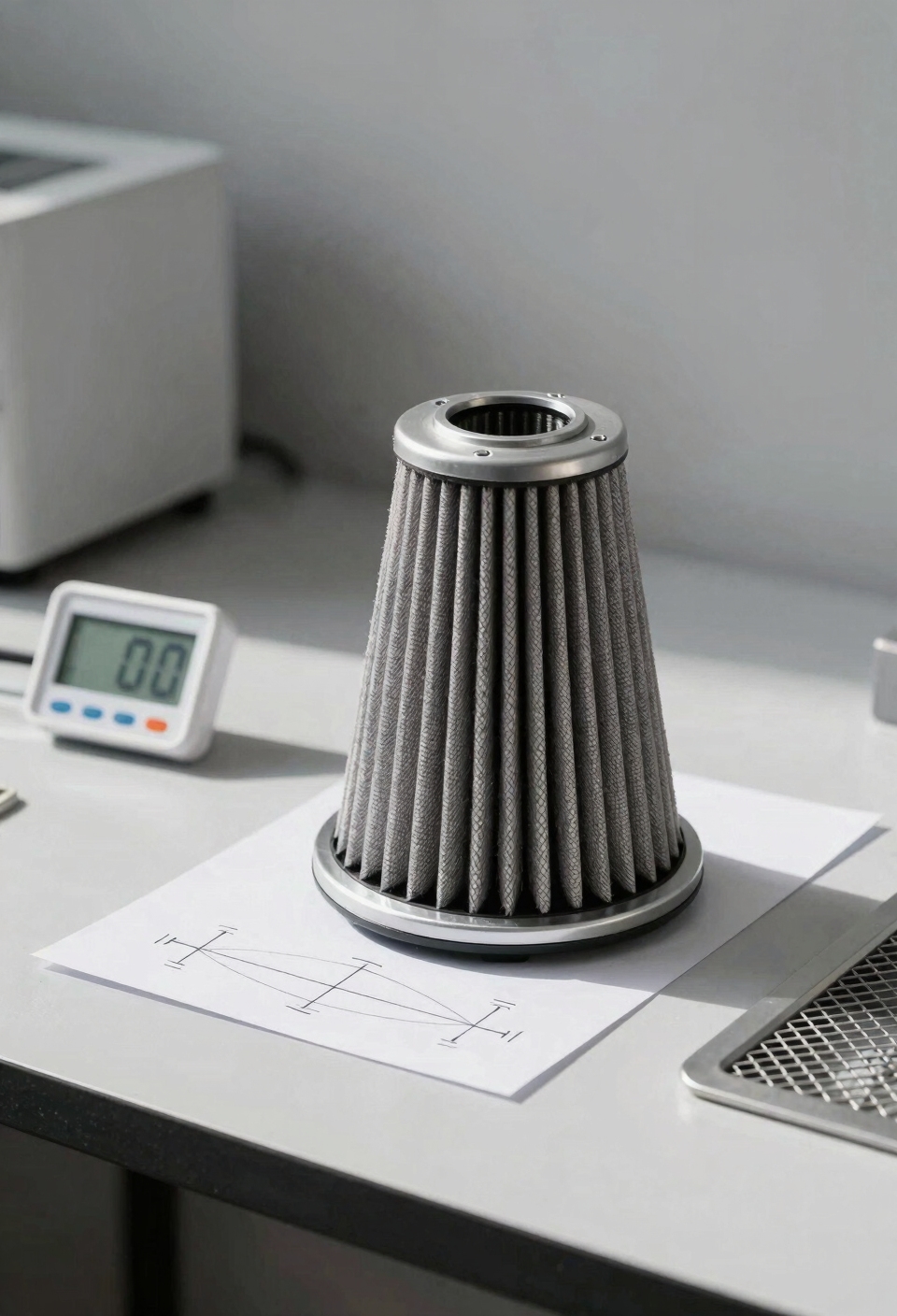
Now that we’ve established that temperature matters way more than filter size, let me hit you with the real talk: cone filters absolutely do work—they’re not some scam—but here’s the catch that most people miss.
A cone filter gives you more surface area, which means less restriction and better airflow potential. That’s legit. But here’s where it falls apart: if you just bolt it on without addressing heat soak, you’re drawing warm under-hood air instead of cold outside air. You lose that oxygen density boost we talked about.
The real magic happens when you pair your cone filter with proper cooling—maybe adding ram air ducting or relocating it away from engine heat. Without that combination, you’re basically canceling out your own upgrade. That’s why complete intake kits work better than standalone filters. Just as LED underglow kits require proper installation to deliver their intended effect, air intake systems demand complementary modifications to achieve optimal performance gains.
Recommended Products
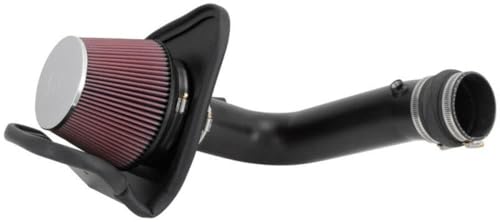
GUARANTEED INCREASE IN HORSEPOWER & TORQUE: K&N cold air intake systems provide a less restrictive path for airflow, increasing the volume of cool, oxygen-rich air into your engine.
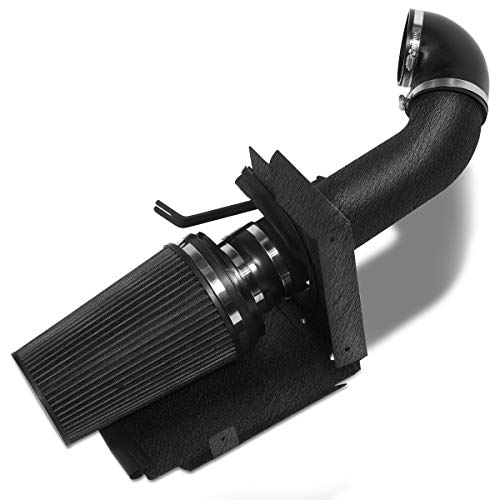
【unique】Multilayer finish for durability and corrosion protection.Air Intake Pipe with durable carbon black powder coating for long-lasting good looks,shield to isolate air filter from the rest of the engine compartment.With a unique flared intake tube, that helps the engine to draw in more and colder air.

increased horsepower
Why Excess Oil Damages Your Intake’s MAF Sensor
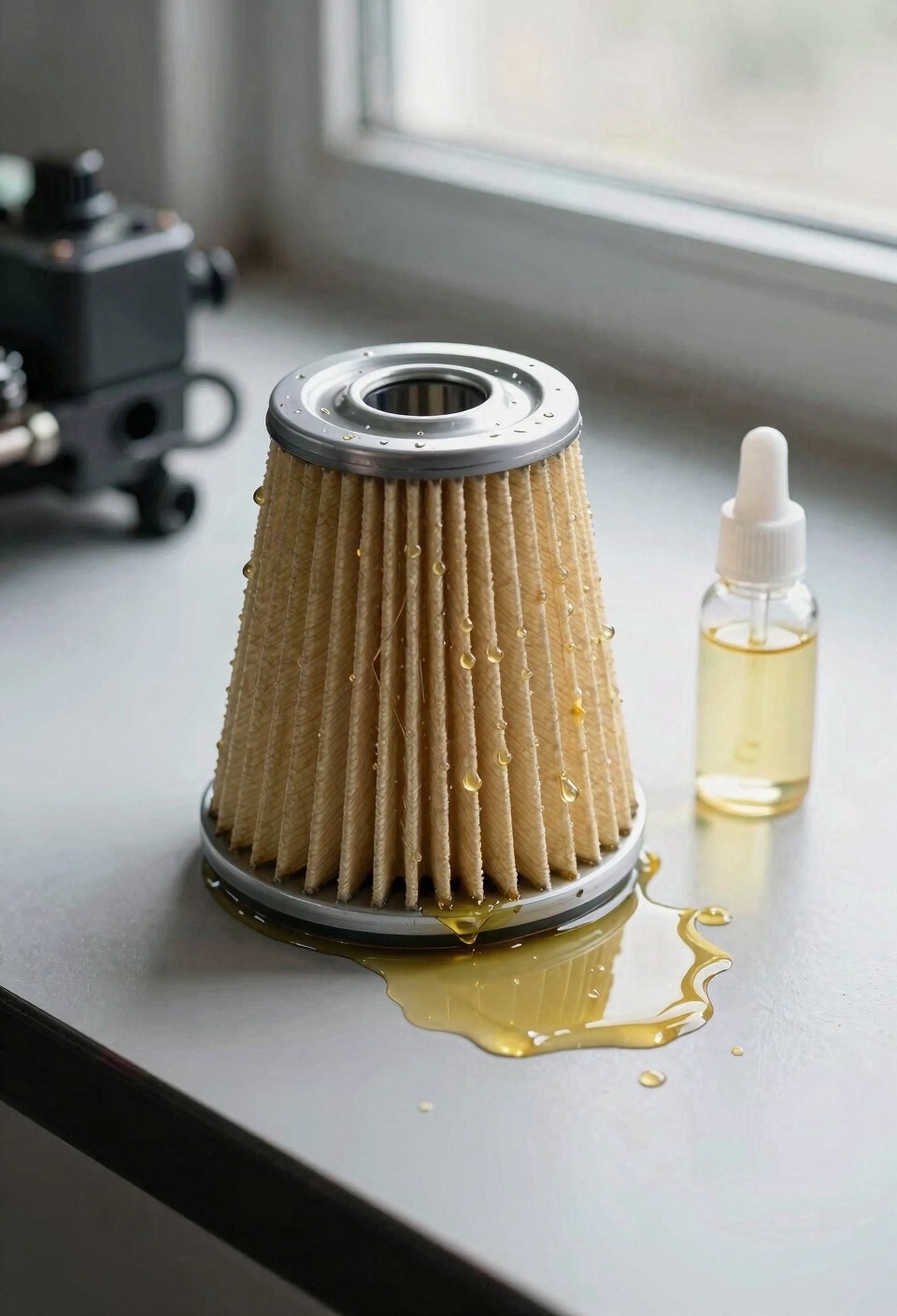
Here’s the thing—a lot of people mess up reusable filters when they re-oil them, and that excess oil sneaks downstream to destroy one of your engine’s most important sensors. I’m talking about your mass airflow sensor, or MAF. This tiny component measures how much air’s entering your engine so the computer can adjust fuel perfectly. When excessive oiling happens, oil particles travel past the filter and coat that sensor. Now you’ve got sensor fouling, which throws off those air-fuel readings completely. Your engine runs rich, performance tanks, and you might even trigger a check engine light. The moral? Follow the oiling instructions exactly. A little goes a long way—more oil doesn’t mean better filtration. Proper maintenance and following care instructions extend your filter’s lifespan and protect critical engine components from damage.
Recommended Products
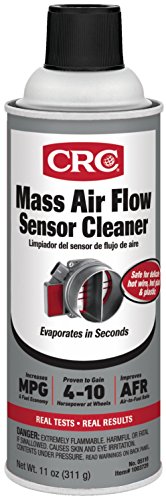
Increases Horsepower And Improves Air/Fuel Ratio And Mpg

WD-40 Specialist Contact Cleaner is ideal for removing oil, dirt, flux residue, and condensation from sensitive electrical equipment. This quick drying, residue-free formula is safe on metal and plastic
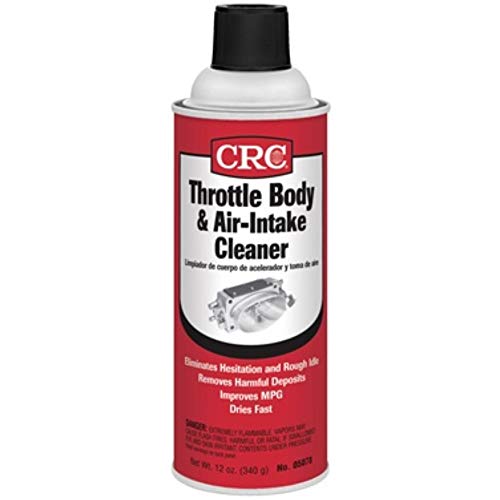
DEEP CLEANING: A top choice for cleaning throttle body build-up caused by harmful deposits of carbon; varnish; and gum.
How to Clean and Re-Oil Without Killing Your Engine
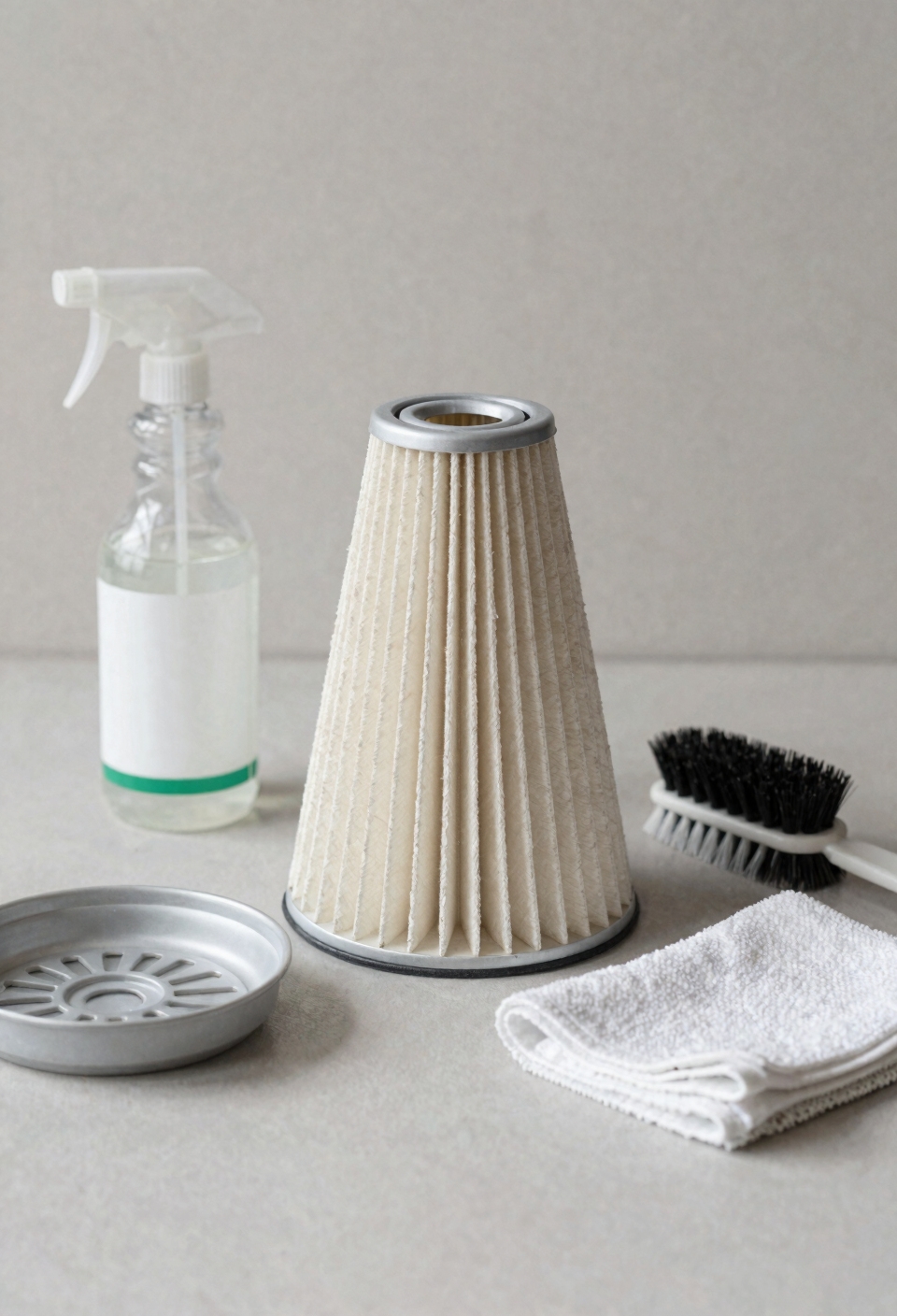
So you know that MAF sensor mess we just talked about? Yeah, we’re fixing that right now. Here’s the thing: cleaning frequency matters way more than you’d think. I recommend cleaning your washable filter every 10,000 to 15,000 miles, depending on how dusty your area is. When you do clean it, proper rinsing is absolutely essential. Use cool water and gently rinse from the inside out—never force water through the filter media. Let it dry completely before re-oiling. And here’s where most people mess up: use only the amount of oil the manufacturer recommends. I’m talking light coats, not soaking it. Too much oil clogs the filter and migrates toward your MAF sensor, which we definitely don’t want. For additional interior protection while maintaining your vehicle, consider pairing your filter maintenance routine with durable interior accessories that shield your cabin from dust infiltration.
Recommended Products


CLEANS ALL OILED K&N AIR FILTERS

Designed specifically for the cleaning and care of all Spectre HPR filters
Frequently Asked Questions
Can a Washable Cone Filter Work on Both Turbocharged and Naturally Aspirated Engines Equally Well?
No, they don’t work equally well. I’d say turbocharged engines need precise filter sizing to avoid turbo lag, while naturally aspirated ones tolerate intake tract changes better. Your boost resilience depends on matching the filter to your specific engine’s design.
How Often Should I Replace My Washable Filter Versus Cleaning and Re-Oiling It?
I’d clean and re-oil your washable filter every 15,000–20,000 miles based on driving conditions. You’ll rarely need replacement if you maintain proper service intervals. Consider seasonal storage checks before winter driving too.
Will a Cone Filter Fit Properly in My Engine Bay Without Additional Modifications?
I’d recommend checking your engine bay’s clearance measurements before purchasing. Most cone filters need fit adapters or repositioning to work properly. Without these modifications, you’ll likely face fitment issues or poor air intake positioning.
What’s the Difference Between Oiled and Dry Synthetic Reusable Filter Media for Airflow?
Oiled filters trap more particles but require careful maintenance—excess oil can contaminate sensors. I’d say dry synthetic media offers simpler upkeep and consistent dry performance without contamination risks, though slightly less filtration density.
Can a Poorly Maintained Washable Filter Actually Reduce My Engine’s Performance Over Time?
Yes, a poorly maintained washable filter can degrade your engine’s performance. Clogged filters restrict airflow, causing heatsoak and leaner mixtures. Particle migration from inadequate cleaning damages sensors and internal components over time.
Conclusion
Look, think of your engine like a plant—you can give it fancy soil, but if the water’s too warm, it won’t thrive. That cone filter? It’s just the pot. What really matters is cool air flowing through it without drowning in oil. You’ve now got the blueprint: proper cooling, careful oiling, and honest expectations. Your engine will thank you with real performance, not just promises.