As an Amazon Associate, we earn from qualifying purchases. Some links on this site are affiliate links at no extra cost to you. Our recommendations are based on thorough research and editorial judgment.

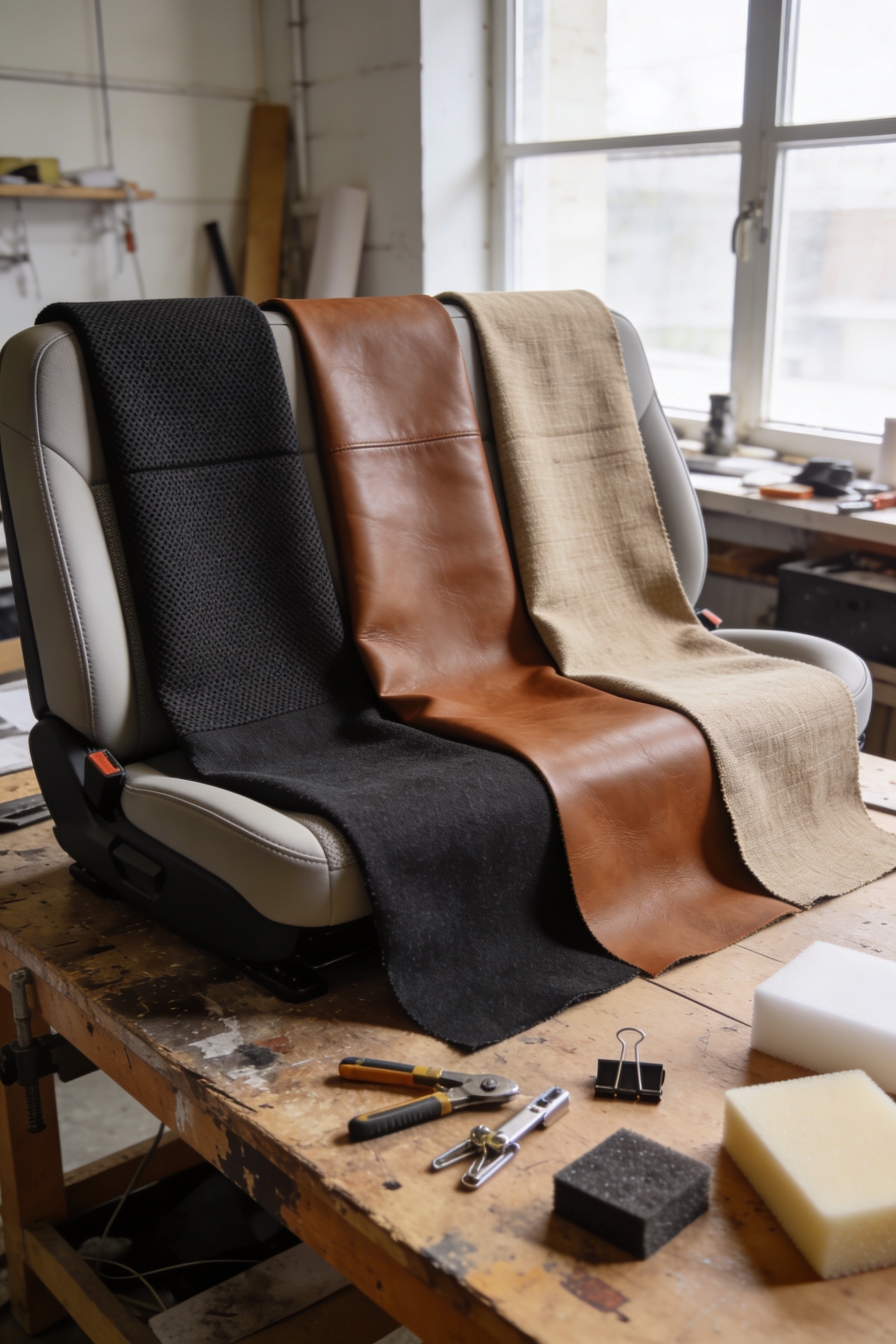
Seat Cover Materials: Neoprene vs Leatherette vs Canvas

neoprene’s your move if you want cushioned comfort and waterproof protection—perfect for beach trips or messy situations. Leatherette gives you that premium look without the hefty price tag, plus it wipes clean in seconds. Canvas is the tank of seat covers, built tough for work trucks and dogs with serious abuse-resistant stitching. All right, so which one actually fits your life? That depends on what you’re really doing with your vehicle.
Key Takeaways
- Neoprene offers thermal regulation, water resistance, and cushioned comfort ideal for beach trips and pet owners.
- Leatherette provides a premium aesthetic with stain resistance and easy maintenance for daily commuting vehicles.
- Canvas delivers heavy-duty durability with reinforced seams, perfect for work vehicles and rugged outdoor use.
- Neoprene and leatherette enable quick spill cleanup, while canvas requires attention to seams for longevity.
- Material choice depends on lifestyle: neoprene for water exposure, leatherette for luxury interiors, canvas for heavy use.
Quick Comparison: Neoprene, Leatherette, and Canvas
neoprene, leatherette, and canvas. Each one’s got its own vibe. Neoprene‘s soft and cushioned—think wetsuit material—with tons of color customization options and serious water resistance. Leatherette looks like real leather without the price tag, giving your car that premium feel. Canvas? That’s your workhorse choice, super durable and rugged. When you’re picking one, think about your lifestyle. Beach trips and pets? Neoprene wins. Want luxury vibes? Go leatherette. Rough cargo and work vehicles? Canvas is your answer. Installation tips vary by material, so check your specific product first. Like other car care accessories, proper maintenance and care instructions will extend your seat cover’s lifespan and keep it looking fresh.
Neoprene Seat Covers: Best for Comfort and Water Protection
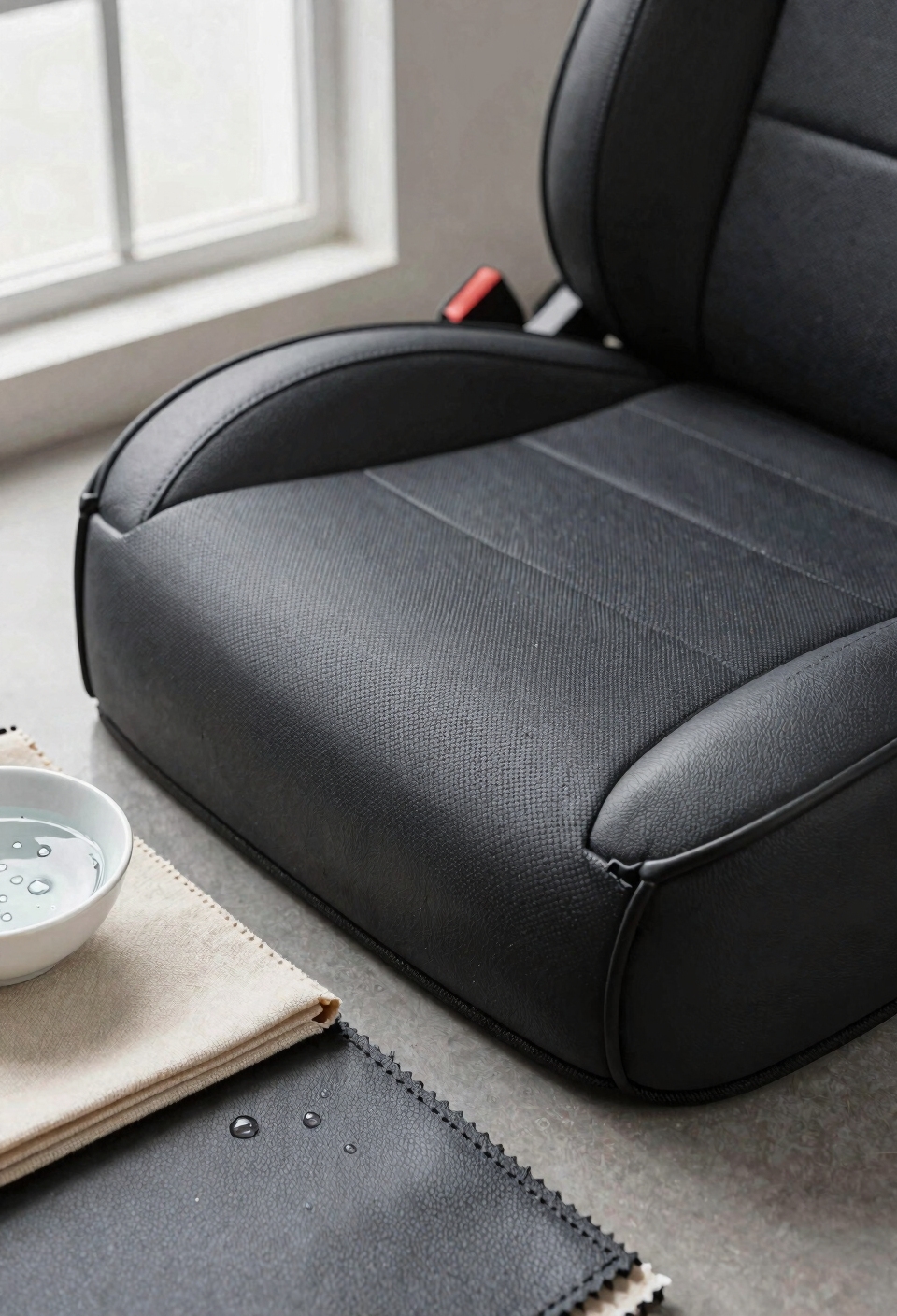
When you’re spending hours in your car—whether it’s road trips, commuting, or just hauling gear around—you want a seat cover that actually feels good and doesn’t freak out when something spills. That’s where neoprene comes in. I’m sure you’ve noticed neoprene in wetsuits, right? Same cushioned, soft material. It’s seriously comfortable on long drives because of its thermal regulation—it keeps you warm in winter and doesn’t get scorching hot in summer like some fabrics do.
Now, here’s the water-resistance part: neoprene is basically waterproof. Juice spill? Coffee accident? No problem. For added protection and organization of your vehicle interior, consider pairing your seat cover with waterproof storage solutions like tactical organizers that prevent spills from reaching other areas of your car. Installation tips matter though—make sure you’re securing it properly so it doesn’t shift around while you’re driving. If comfort and protection are your priorities, neoprene’s your answer.
Leatherette Seat Covers: Premium Look With Easy Maintenance
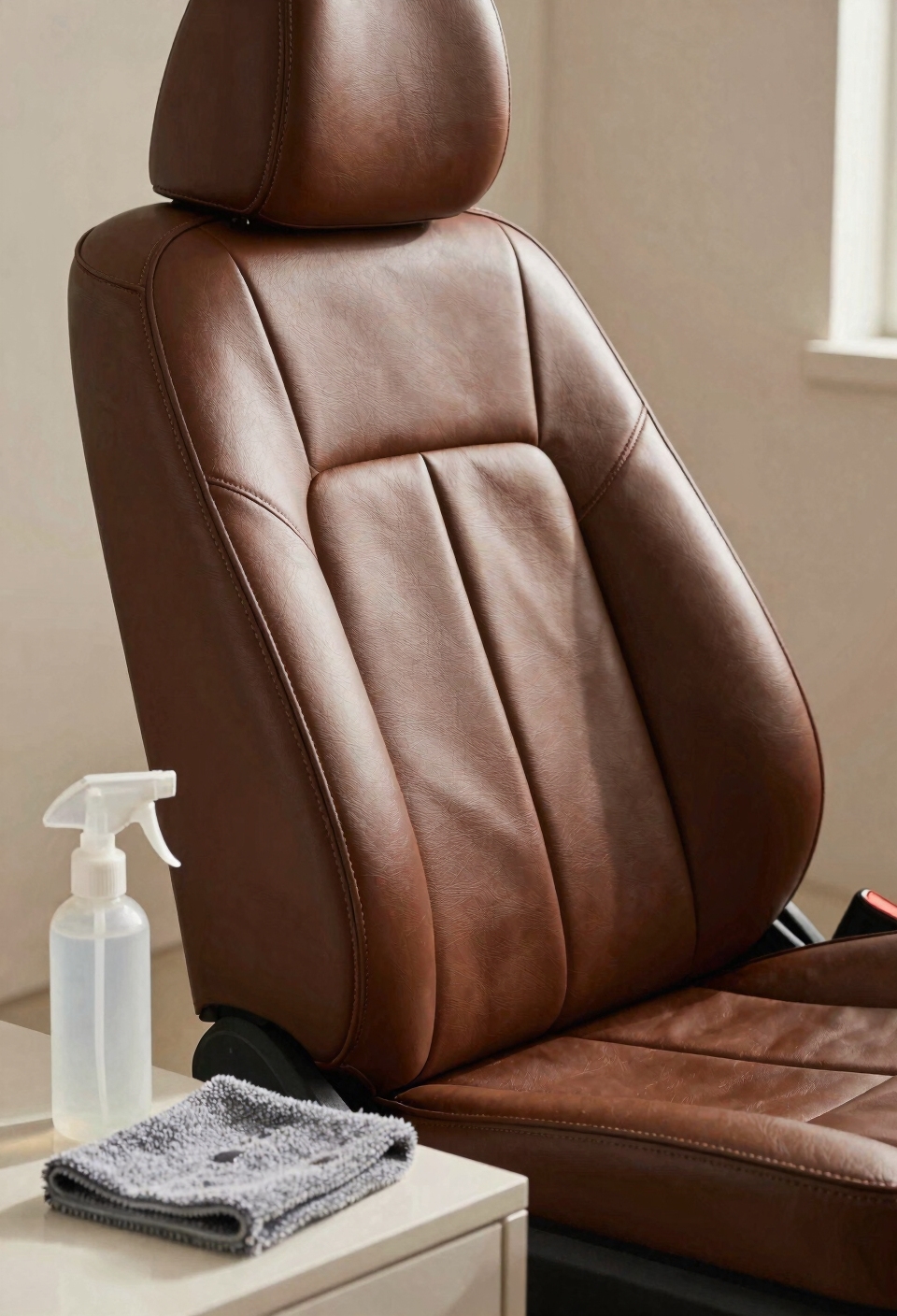
If you’re the kind of person who wants your car’s interior to look like it actually costs money, leatherette seat covers are about to become your best friend. I mean, this material seriously nails that luxury vibe without the luxury price tag.
Here’s what makes leatherette so solid: it’s got incredible stain resistance, so spills wipe clean in seconds. No permanent damage, no panic. The faux stitching details give you that authentic leather feel, and installation tips are straightforward—most covers slip on without any headaches. Like other premium interior materials, leatherette combines durability with a sophisticated appearance that enhances your cabin’s overall aesthetic.
Now, the edge finishing is where quality shows. Good leatherette covers have sealed, reinforced edges that won’t fray or peel after months of use. You’re looking at a sophisticated cabin upgrade that actually holds up.
Canvas Seat Covers: Maximum Durability for Heavy Use
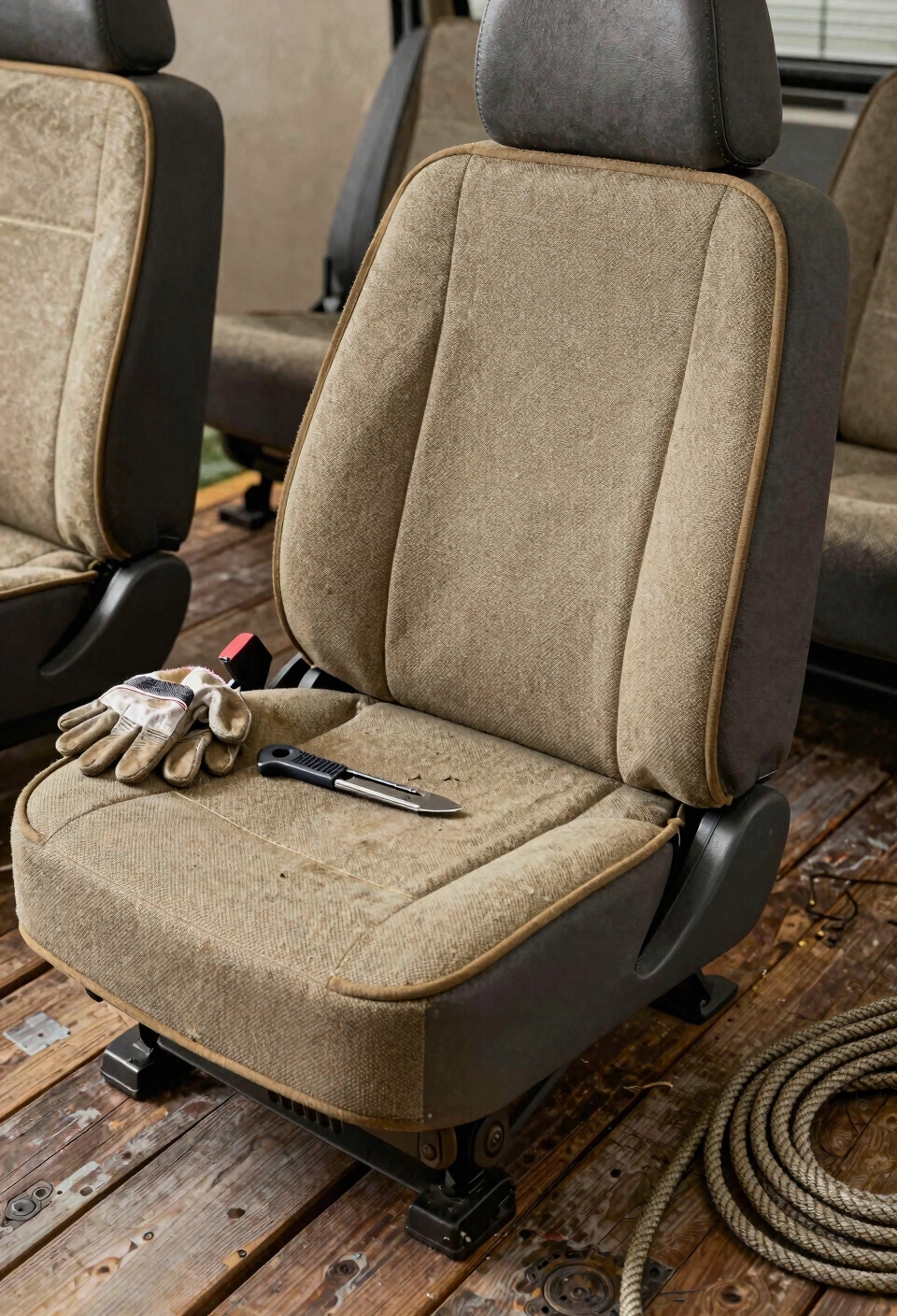
Envision this: you’re hauling your dirt bike in the back seat, your dog’s claws are scratching everything, and you’ve got mud caked on basically every surface. Yeah, canvas seat covers are literally made for this chaos. I’m talking heavy duty stitching and reinforced seams that actually hold up when things get rough. The industrial grade hardware doesn’t snap, and the abrasion resistant coatings laugh in the face of wear and tear. Canvas wins because it’s tough—way tougher than neoprene or leatherette when you’re dealing with sharp objects and constant friction. Like powder-coated finishes on lawn care storage systems, canvas with protective coatings creates a durable barrier that resists environmental damage and extends the lifespan of your investment. All right, the tradeoff? It feels stiffer and less cushy on long drives. But honestly, if your vehicle sees real action, canvas protects what matters most: your actual seats underneath.
Water Resistance, Durability, and Feel: Head-to-Head Breakdown
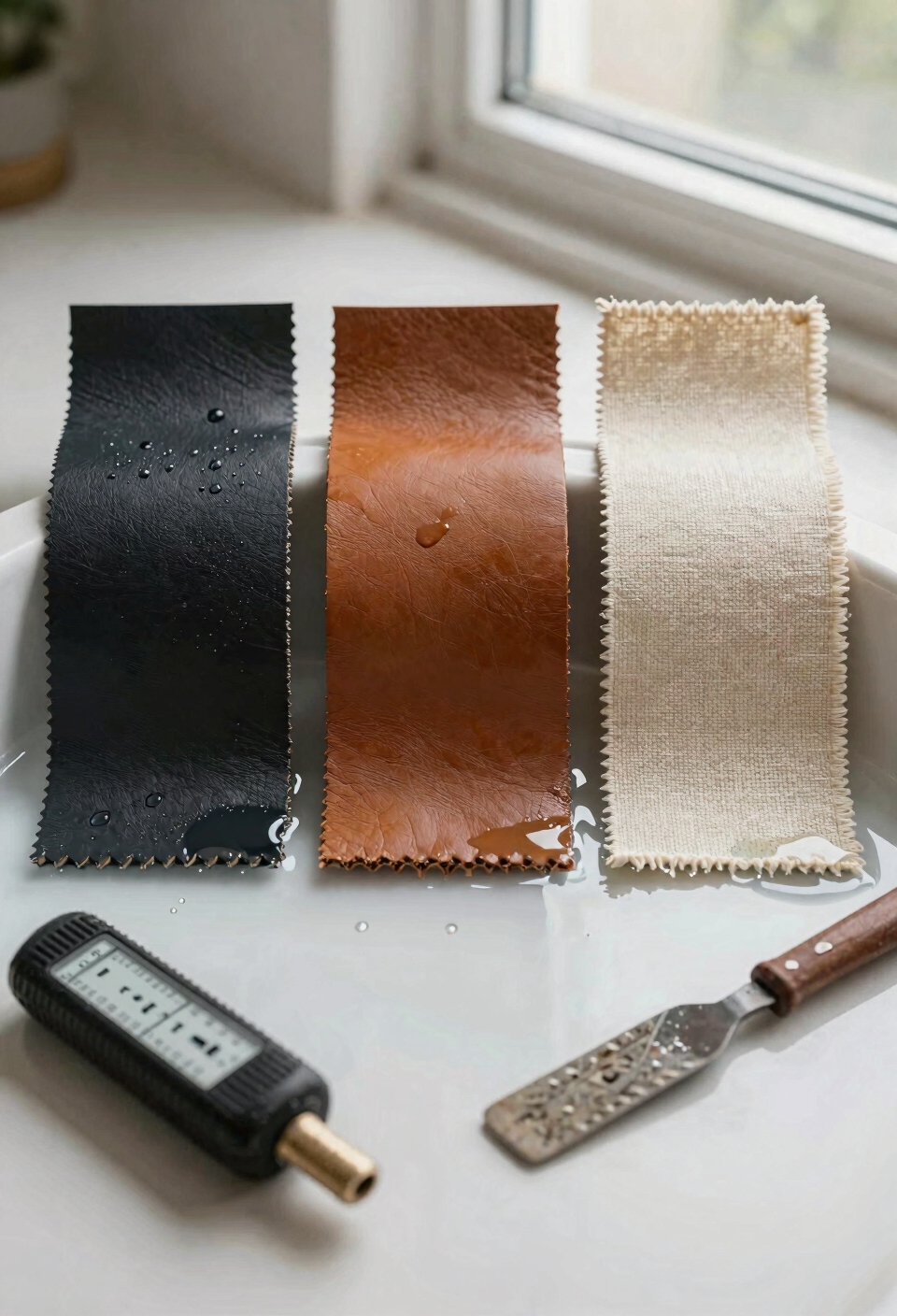
So here’s the thing about picking the right seat cover material—you’ve got to think about what your car’s actually going through. Neoprene wins big on moisture vapor management, keeping water from soaking through while staying comfy. Canvas crushes it on abrasion pattern resistance—it laughs at scratches and wear. Leatherette sits in the middle, handling spills decently but not as bulletproof as neoprene.
Now, thermal regulation matters too. Neoprene stays neutral in hot and cold weather, while leatherette gets toasty in summer sun. Canvas? It’s just fabric, so it depends on what’s underneath. Premium seat cover materials should include UV-resistant clear coats to prevent sun damage and fading over time.
Compressive recovery is where neoprene shines—it bounces back after you sit down, staying plush for years. Canvas feels stiffer unless it’s got padding backing it up. You’re basically choosing between comfort, toughness, and practicality.
Which Material Wins for Pets, Beaches, and Weather?
neoprene gives you pet-friendly features that actually stick around. You’re getting comfort, water resistance, and easy cleanup. That’s why I’d pick neoprene if weather and animals are your main headaches. Like the carbon-activated filtration found in premium cabin air filters, neoprene’s layered construction actively blocks contaminants and moisture from penetrating the material, keeping your seats protected from pet accidents and beach conditions alike.
Choose Your Seat Cover by Lifestyle and Vehicle Use
What does your actual life look like behind the wheel? That’s the real question when you’re picking a seat cover.
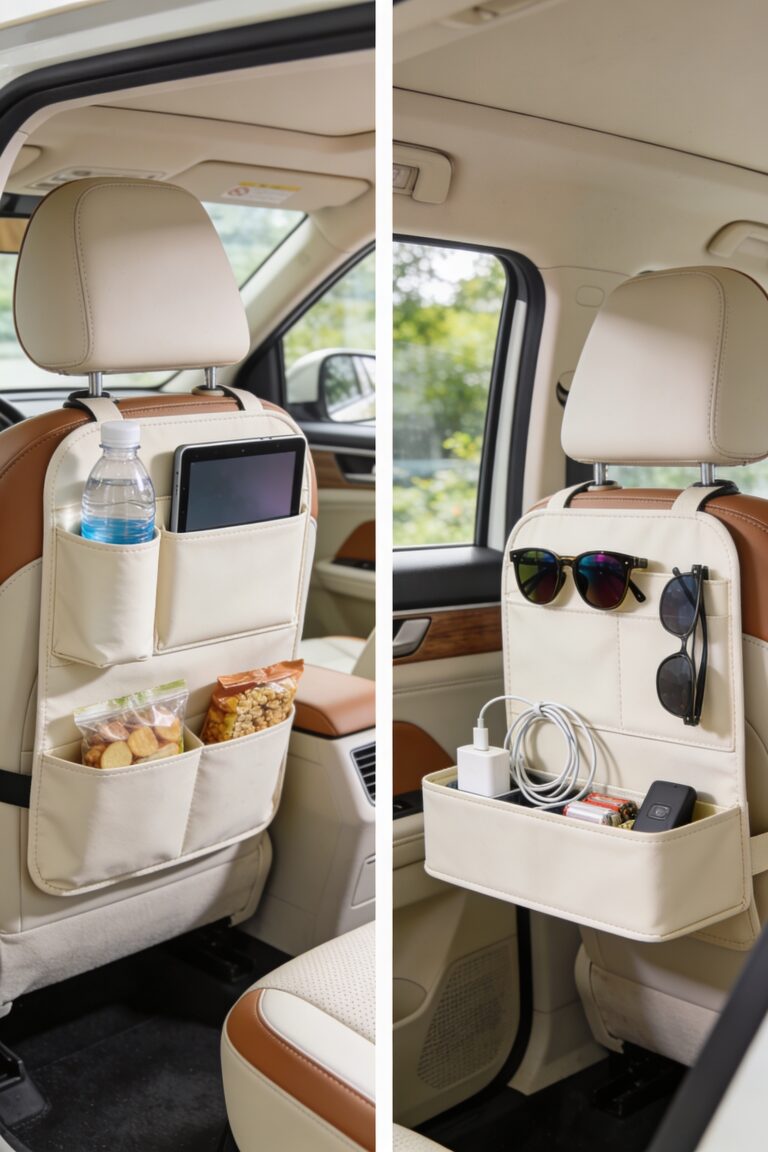
You’ve probably seen families on family roadtrips dealing with spilled juice boxes and sticky fingers—neoprene’s your answer there since it wipes clean instantly. Now, if you’re doing daily commuting solo, leatherette gives you that sleek, premium vibe without the mess of real leather. I mean, you’re sitting there every morning, so comfort matters. Canvas? That’s for people hauling gear, tools, or dogs. It laughs in the face of dirt and sharp objects. For those who want to maximize their vehicle’s interior organization alongside seat protection, consider pairing your seat cover choice with cable management solutions that keep your cabin clean and functional.
Honestly, just match your material to what you actually do. Your seat cover should work for your life, not the other way around.
Frequently Asked Questions
How Long Do Neoprene, Leatherette, and Canvas Seat Covers Typically Last?
I’d say neoprene typically lasts 3-5 years with moderate usage, while leatherette manages 4-6 years depending on wear patterns. Canvas outperforms both at 5-7 years, though maintenance needs and usage frequency greatly impact actual lifespan.
Can You Layer or Combine These Materials for Better Performance?
Yes, you can combine these materials effectively. I’d recommend layered upholstery with neoprene comfort padding beneath a durable canvas or leatherette exterior for hybrid padding that balances water resistance, durability, and comfort.
What Is the Average Cost Difference Between These Three Materials?
I’ll reveal the pricing mystery: canvas typically costs least, neoprene sits mid-range, and leatherette commands premium pricing. However, I’ve found average pricing and regional variations fluctuate markedly based on quality tiers and supplier location.
How Do Temperature Extremes Affect Each Material’s Performance and Comfort?
I’ve found neoprene offers superior heat retention and moisture wicking in cold weather, while leatherette struggles with UV degradation and gets scorching hot. Canvas provides balanced temperature stability but shows cold stiffness, making neoprene your best extreme-climate choice.
Are There Environmental or Sustainability Differences Between Neoprene, Leatherette, and Canvas?
If you’re weighing your conscience alongside your seat covers, I’ll paint the picture plainly: canvas breathes easiest environmentally since it’s natural fiber with lower recycling challenges, while neoprene and leatherette carry heavier environmental impact burdens despite durability benefits.
Conclusion
Think of choosing a seat cover like picking a superhero for your car. Neoprene‘s your water-resistant guardian, leatherette‘s the stylish protector, and canvas is the unstoppable tank. You’re not looking for the “best” material—you’re finding *your* match. What wrecks your seats? Mud? Spills? Wear and tear? Once you know your villain, you’ll know your hero. Your car’s ready when you are.