As an Amazon Associate, we earn from qualifying purchases. Some links on this site are affiliate links at no extra cost to you. Our recommendations are based on thorough research and editorial judgment.

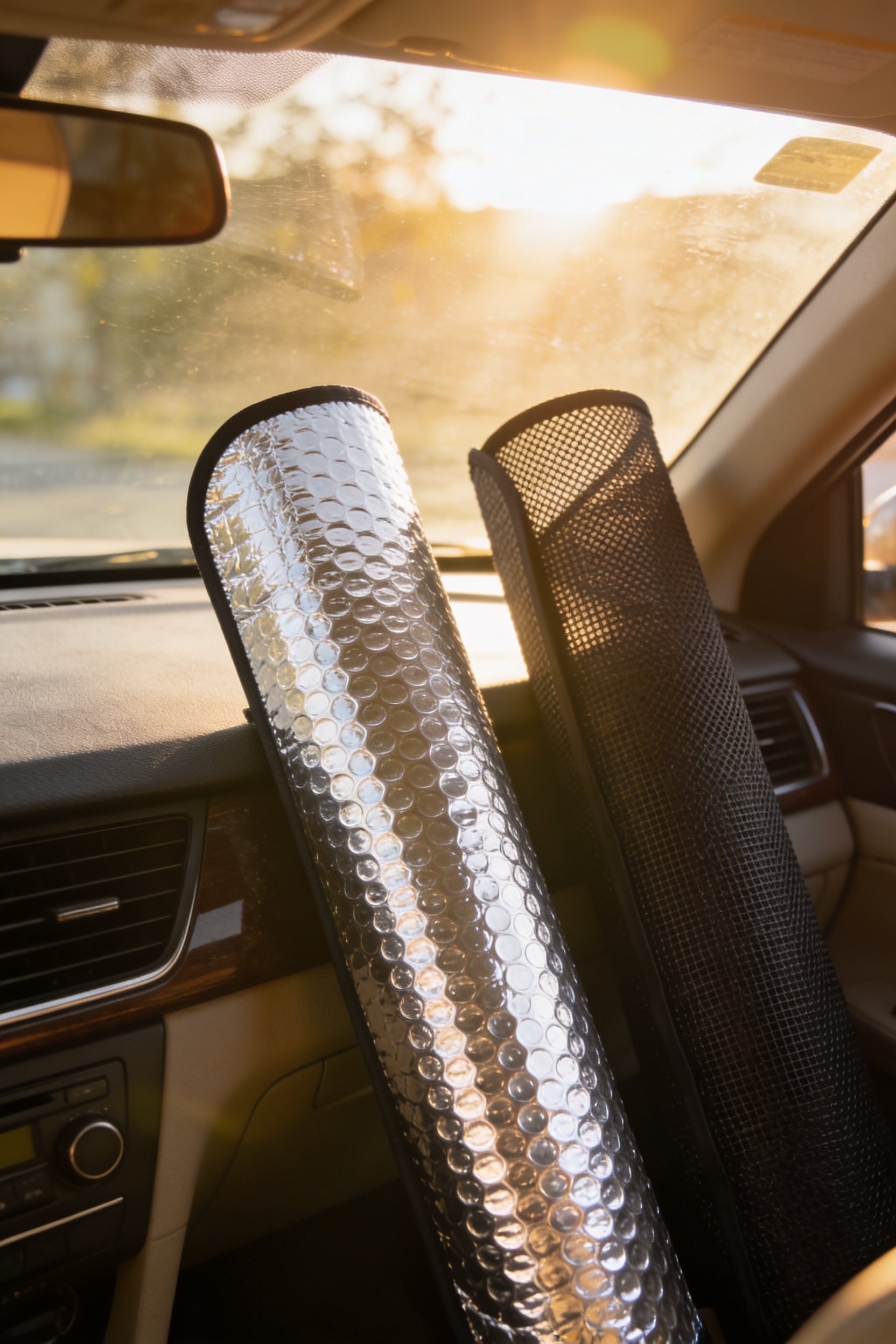
Windshield Sun Shades: Reflective Bubble vs Mesh Compared

reflective bubble shades bounce sunlight away before it even hits your windshield, dropping your car’s interior temperature by 35–45°F and blocking almost all UV rays. Mesh shades? They’re lighter and fold smaller, but they only cut temps by 10–15°F since they filter light instead of rejecting it. You’re basically choosing between maximum heat protection or easier storage and ventilation. For front windshields in brutal sun, reflective wins every time—but if you want daytime airflow with solid UV coverage, mesh on your side windows makes way more sense.
Key Takeaways
- Reflective bubble shades bounce sunlight away, cooling interiors 35°F–45°F, while mesh shades reduce heat by only 10°F–15°F.
- Reflective shades block 99.9% of UV rays versus mesh’s 80%–95% protection for windshield coverage.
- Reflective bubble shades are bulky and difficult to store; mesh shades fold compactly for easy portability.
- Reflective shades provide superior glare reduction by reflecting light entirely away from the windshield.
- Reflective materials may degrade from UV exposure during storage, while mesh shades resist sun damage when left exposed.
How Reflective Bubble and Mesh Shades Actually Work
Ever wondered why some sun shades keep your car cool enough to touch the steering wheel without burning your hand, while others barely make a difference?
Here’s the deal: reflective bubble shades have a shiny aluminum or Mylar layer that bounces sunlight away before it even enters your car. I’m talking about light scattering—the sun’s rays literally get redirected outward. That’s why they’re so effective.
Mesh shades work totally differently. They’re woven fabric that lets air flow through, filtering sunlight instead of rejecting it. You get some glare reduction and partial shade, but heat still penetrates the cabin. Think of it like a screen door versus a reflective mirror.
The trade-off? Reflective shades are bulkier and harder to store, while mesh folds up easily. But for windshields, reflective wins the performance game every time. Custom-fit windshield sunshades with UV protection ratings like those rated for 2000mm+ waterproof standards offer superior durability and temperature control compared to universal alternatives.
Heat Rejection: Why Reflective Shades Drop Temps 35°F Higher
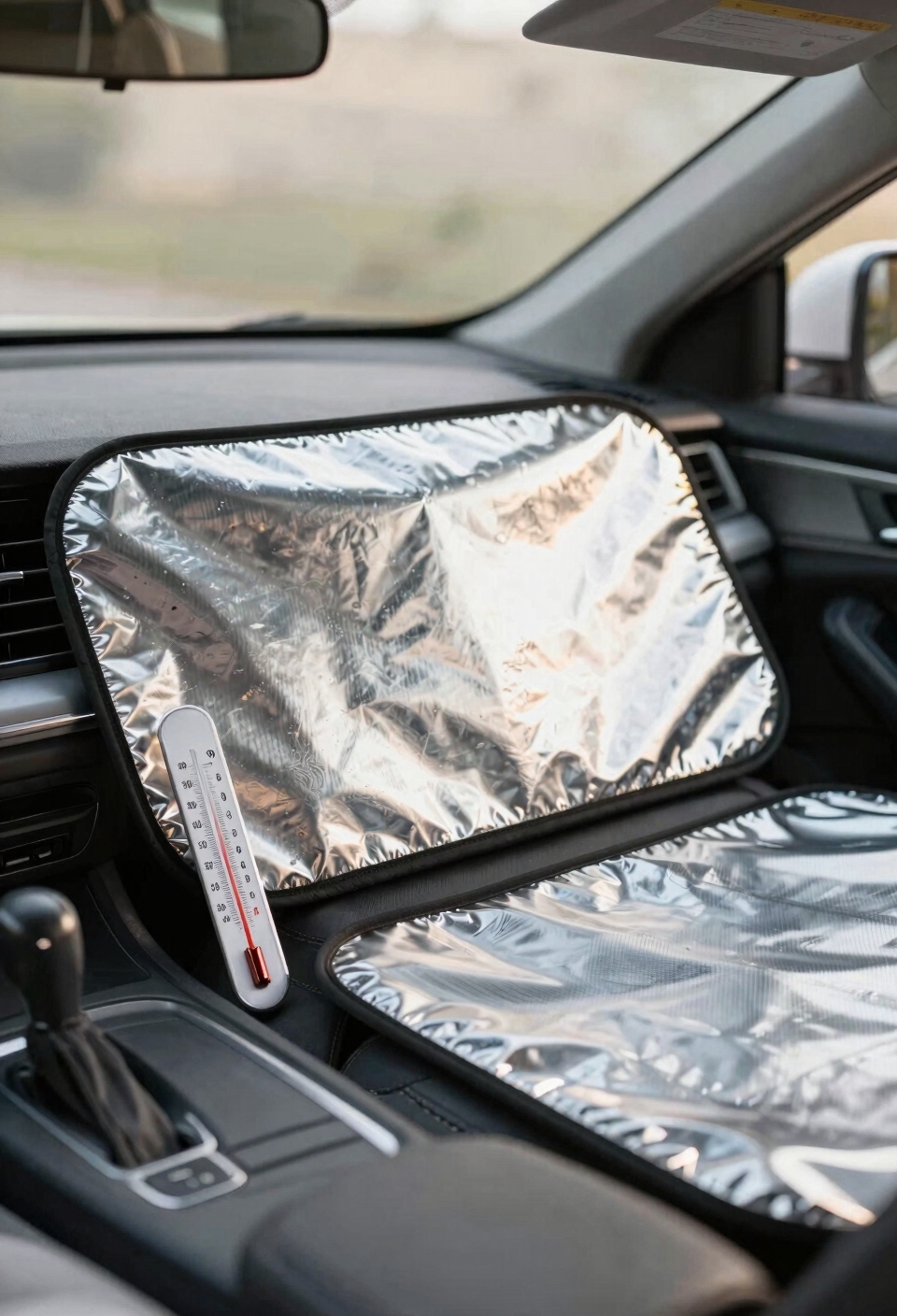
Now here’s where things get really interesting—because knowing *how* these shades work is cool, but actually understanding *why* reflective ones keep your car so much cooler? That’s the real game-changer. See, reflective bubble shades use material emissivity—basically, their shiny aluminum surface bounces sunlight away before it even enters your car. Mesh, on the other hand, lets heat pass through. You get temperature drops of 35°F to 45°F with reflective shades versus just 10°F to 15°F with mesh. The difference? Thermal conduction. Reflective materials stop heat from conducting into your cabin in the first place. Mesh tries to filter light, but heat still sneaks through. That’s why reflective shades absolutely dominate for front windshields in brutal sun. Just like UV-protective wax shields your exterior from sun damage during summer months, reflective shades protect your interior by blocking harmful rays before they penetrate your cabin.
Recommended Products

EXTREMELY EFFECTIVE - reflects 95% of radiant energy, perfect RADIANT BARRIER.
[PRIVACY & COMFORT] Carbon window tint film for cars offers superior privacy without compromising safety on the road. Advanced design and tint shade of window tint for home windows ensures clear visibility and allows you to drive comfortably day or night.

Officially Licensed Peanuts Product – Features Snoopy and Woodstock in a cheerful design that adds fun and personality to your vehicle.
UV and Glare Protection Compared
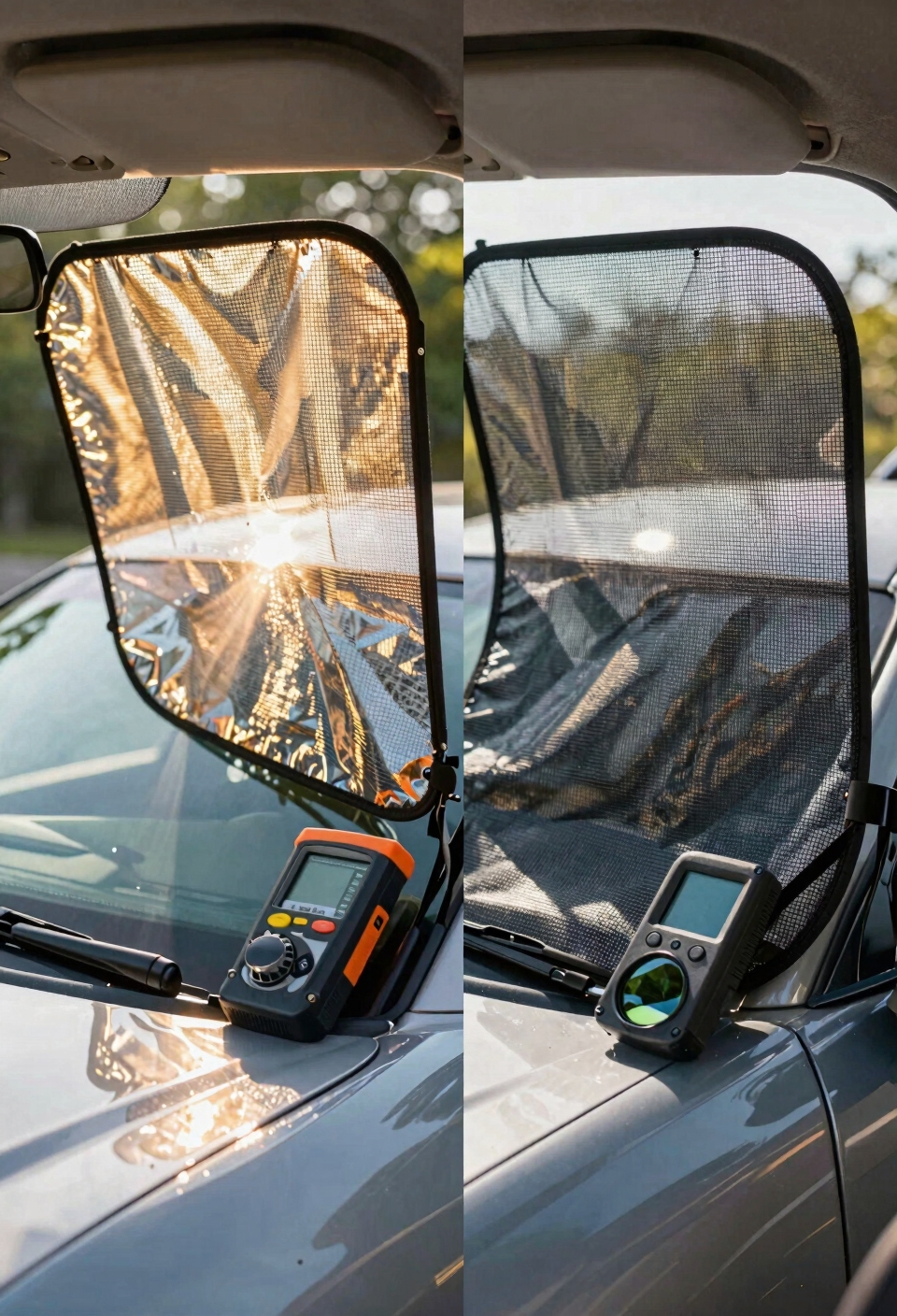
So here’s something you’ve probably never thought about—while reflective shades are basically heat-blocking superheroes, they’re also quietly protecting your eyes and skin from invisible damage happening right through your windshield. I’m talking about UV rays, the stuff that causes sunburns and long-term skin damage.
Reflective bubble shades block nearly 99.9% of UV light. That’s basically all of it. Mesh shades? They get you somewhere between 80 to 95%—decent protection, but not complete. Now, here’s the glare reduction part. Reflective surfaces bounce sunlight away from your windshield entirely, so your eyes get relief from that blinding glare that makes you squint. Mesh shades cut glare too, but they let more light slip through your cabin. If you’re driving in intense sun, reflective wins every time. For vehicles that spend significant time parked in extreme heat, custom-fit sunshade designs like those engineered for specific models offer superior coverage and protection compared to universal alternatives.
Recommended Products

ENERGY-SAVING WINDOW TINT FILM: This light-blocking window film can block up to 99% of UV rays and 95%–99% of IR heat rays from entering your home, saving you money on your monthly energy bill and efficiently cooling the house.

Premium Eye Protection Glasses: Featuring Costa's mens Sunglasses polarized UV protection 580G lenses that filter glare and absorb 100% UV while enhancing clarity and contrast

Premium Eye Protection Glasses: Featuring Costa's mens Sunglasses polarized UV protection 580G lenses that filter glare and absorb 100% UV while enhancing clarity and contrast
Front Windshields: Why Reflective Bubble Shades Win
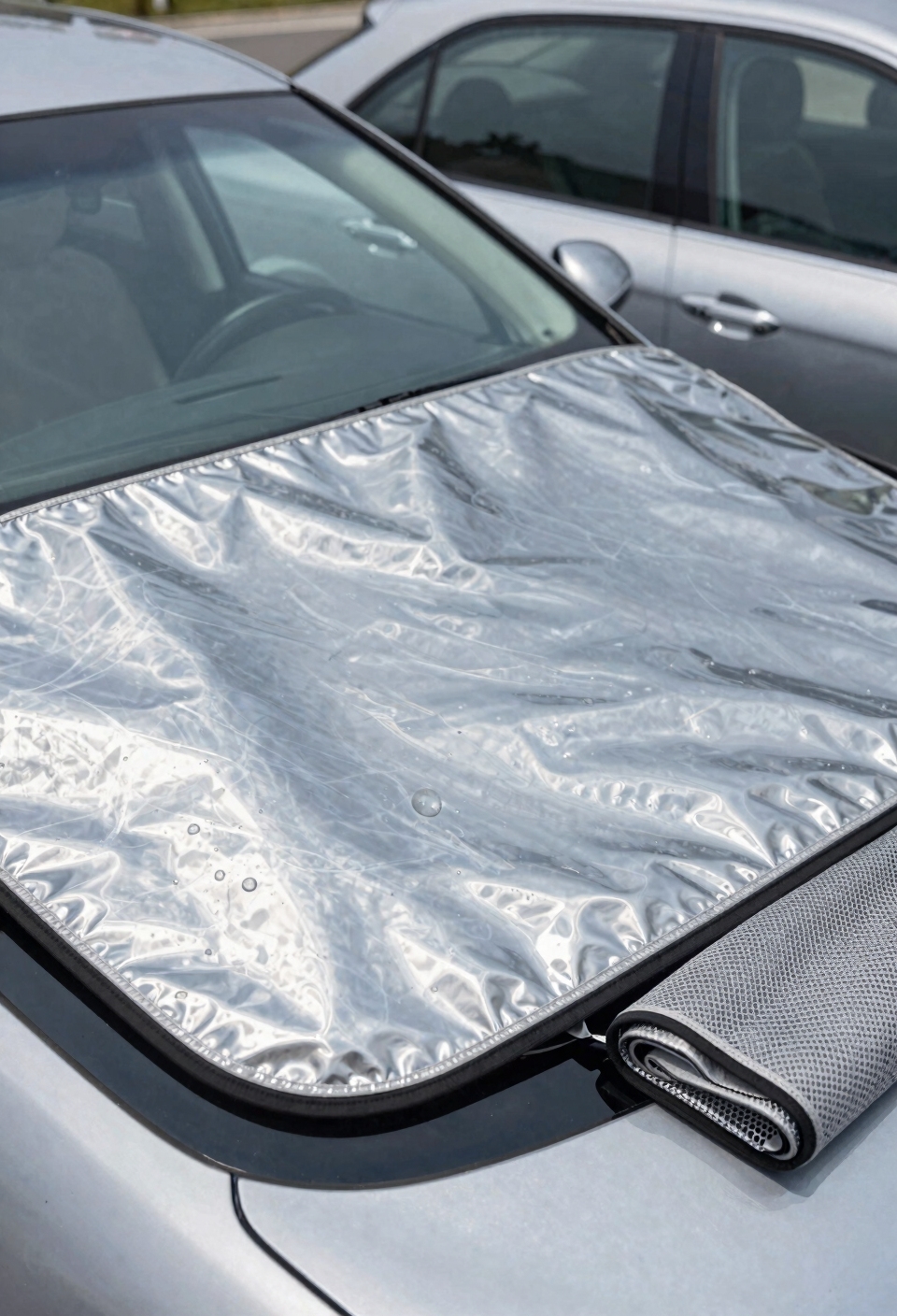
When you’re thinking about where a sun shade actually makes the biggest difference, your front windshield is ground zero—and that’s where reflective bubble shades totally outshine mesh. Here’s why: your windshield’s massive size means it’s absorbing serious solar reflectivity all day long. With a reflective bubble shade, you’re bouncing that heat away before it even enters your car. Mesh? It lets too much through. I mean, we’re talking 35 to 45 degrees cooler inside versus just 10 to 15 with mesh. Plus, reflective shades give you better parking security—that silver reflective layer makes it genuinely harder for someone to peer inside. In Houston’s intense climate, UV-resistant materials are essential for maintaining your sun shade’s effectiveness over time. For your front windshield, there’s honestly no competition.
Recommended Products
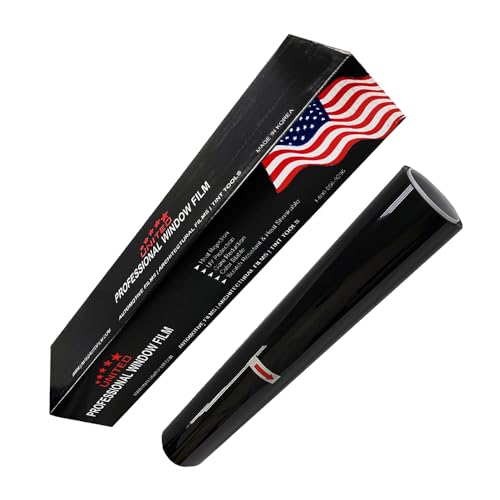
Upgraded 1Ply Construction: 1 mil dyed PET film with enhanced adhesive offers improved durability, clarity, and low reflectivity for window tint performance on cars

Compatible Models:The 4 Piece sunroof shade and 1 Piece car shade front windshield Compatible with Hummer EV SUV Pickup Truck SUT 2022 2023 2024 2025 2024+.The size of the original car is customised. In order to ensure that the accessories you need are the same as our products, please confirm your car model before purchase.

MAXIMUM PRIVACY & DEEP BLACK SHADE: This 5% VLT window tint film for cars provides a dark black finish for enhanced daytime privacy and a sleek appearance. Ideal for cars, trucks, SUVs, and home windows, the window tint roll reduces outside visibility and improves comfort.
Side and Rear Windows: When Mesh Makes Sense
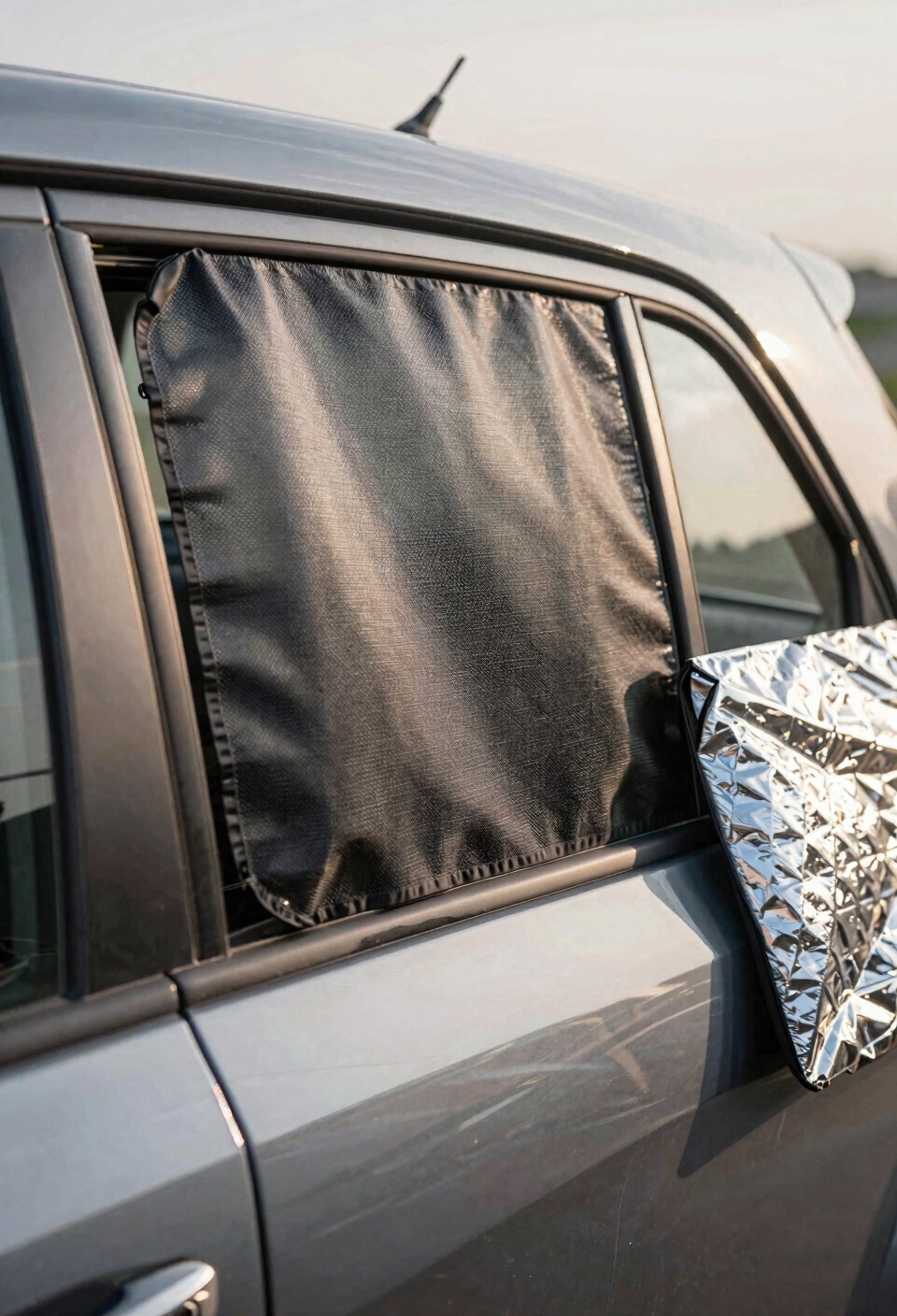
Unlike your front windshield, side and rear windows don’t dump the same crushing amount of heat into your car—which actually opens up a whole different conversation about what shade you really need. Here’s the thing: mesh shades work great for these spots because they let you keep some daytime ventilation flowing through while still blocking glare and UV rays. You’re looking at 80–95% UV protection, which is solid for windows that aren’t baking your steering wheel. Plus, mesh gives you privacy screens that don’t feel totally claustrophobic. They fold up smaller than reflective bubble shades, so you’re not wrestling with a giant accordion in your backseat. For side windows especially, mesh strikes that sweet balance between cooling down and keeping your car feeling open. Anti-glare and night-visibility attachments can similarly reduce eye strain from sunlight reflection during daytime driving. Pretty practical choice, honestly.
Recommended Products

【𝗦𝗨𝗣𝗘𝗥 𝗛𝗘𝗔𝗩𝗬 𝗗𝗨𝗧𝗬 𝗡𝗘𝗪 𝗣𝗔𝗧𝗘𝗡𝗧 𝗗𝗘𝗦𝗜𝗚𝗡】: Made of 260 GSM permeable extra heavy duty fabric, heavy duty stainless mounting rings, cable wires built-in edges, integrate into the mounting rings, all pulling strength goes to the cable wires, not only making the edges more durable, it also enhence the appearance of shade sail.
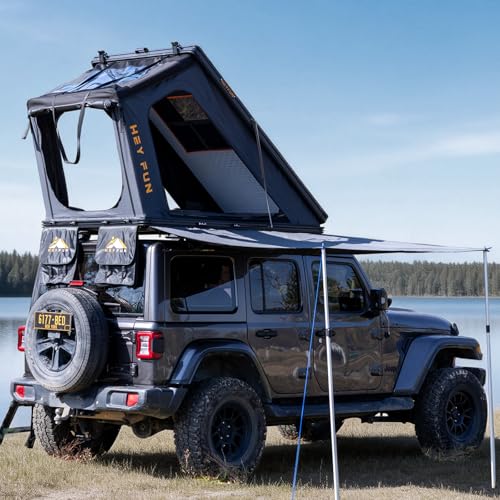
[Upgraded Rooftop Tent Hardshell with Skyview Design] - HEYFUN roof top tent RTT, directly from the industry-leading manufacturer, are standout options with 30% extra space, skyview window, attachable side awning and built-in LED light strip, perfect choice for camping enthusiasts and seasoned adventurers of all levels valuing quality and affordability.

Perfect for jogging: Thule Urban Glide 3 Double is our newest all-terrain stroller: Lightweight frame with an ergonomic adjustable handlebar is perfect for jogging or going on walks
Storage, Lifespan, and Durability Trade-Offs
Convenience versus longevity, compactness versus real-world toughness—that’s the storage and durability trade-off you’re facing. Reflective bubble shades? They’re bulky. I mean, accordion-style designs don’t fold down small, which makes your car’s storage situation annoying. Mesh shades win on folding convenience; they pack into tight spaces easily. Now, here’s where durability gets interesting. Reflective materials can suffer material degradation from UV exposure over time, especially if you leave them in direct sunlight constantly. Mesh tends to hold up longer against sun damage, honestly. But reflective shades, when stored properly, last years. You’ve probably noticed that how you treat your gear matters more than the type. Keep either one protected in weather-resistant storage bags, and you’re golden.
Which Shade Should You Choose for Your Windshield?
If you’re serious about keeping your car cool when it’s parked in the sun, your windshield shade choice matters way more than you’d think. Here’s the thing: reflective bubble shades are your heavy hitters. They’ll drop your interior temps by 35 to 45 degrees—that’s huge. Mesh shades? They’re decent for glare, but they’ll only knock off 10 to 15 degrees.
Now, installation tips make a real difference. Custom-fit reflective shades minimize light leaks way better than universal ones. Color options are usually limited with reflective designs since that silver or white finish does the work, but honestly, you don’t need fancy colors here—you need results. Pairing your windshield shade with other protective accessories like all-weather floor mats creates a comprehensive interior protection strategy. Go reflective for your windshield. Your steering wheel will thank you.
Recommended Products

Compatibility: Van window covers fit for mercedes sprinter NCV3/VS30 2007-2024. Oversized edges ensure a snug fit when pressed into place and can be secured without tools, Velcro or suction cups. Lowering the sun visor secures it even tighter

FITMENT: 2002-2008 Dodge Ram 1500 & 2003-2009 2500/3500

Blocking UV, care of your skin.Effective protection car interior does not fade, not aging
Frequently Asked Questions
Can I Use a Reflective Bubble Shade While Driving, or Only When Parked?
You shouldn’t use reflective bubble shades while driving—they’re designed for parked vehicles only. Legal considerations vary by region, but I’d strongly advise against it since visibility impact severely compromises your safety and other drivers’.
Do Reflective Shades Damage Windshield Tint or Factory Coatings Over Time?
I’d say reflective shades are generally safe—they’re not a ticking time bomb for your windshield. There’s minimal chemical interaction or adhesive breakdown risk since they don’t bond directly to glass. You’re good.
How Do Reflective Shades Perform in Humid or Coastal Salt-Air Environments?
I’d recommend reflective shades with quality coatings in coastal environments. You’ll want corrosion-resistant aluminum facing and sealed edges to prevent moisture buildup, which can degrade adhesives and the reflective layer over time.
What’s the Typical Lifespan of Reflective Bubble Versus Mesh Shades?
I’ll tell you what surprised me: reflective bubble shades typically last 3-5 years before material degradation sets in, while mesh shades often reach 5-7 years. Lifespan variability depends heavily on UV exposure and storage conditions.
Are Custom-Fit Shades Significantly Better Than Universal Accordion-Style Reflective Shades?
Yes, I’d say custom-fit shades outperform universal accordion styles markedly. They eliminate light leakage around edges, require minimal installation tips, and their precise fit comparison shows better heat rejection. You’ll notice the performance difference immediately.
Conclusion
you’re probably thinking reflective bubble shades sound like the obvious winner. And honestly? For your windshield, they basically are. But here’s where it gets interesting—mesh shades aren’t the losers you might assume. They’ve got their moment. The real question isn’t which one’s better. It’s which one’s better *for you*. And that depends on what you actually care about protecting.