As an Amazon Associate, we earn from qualifying purchases. Some links on this site are affiliate links at no extra cost to you. Our recommendations are based on thorough research and editorial judgment.

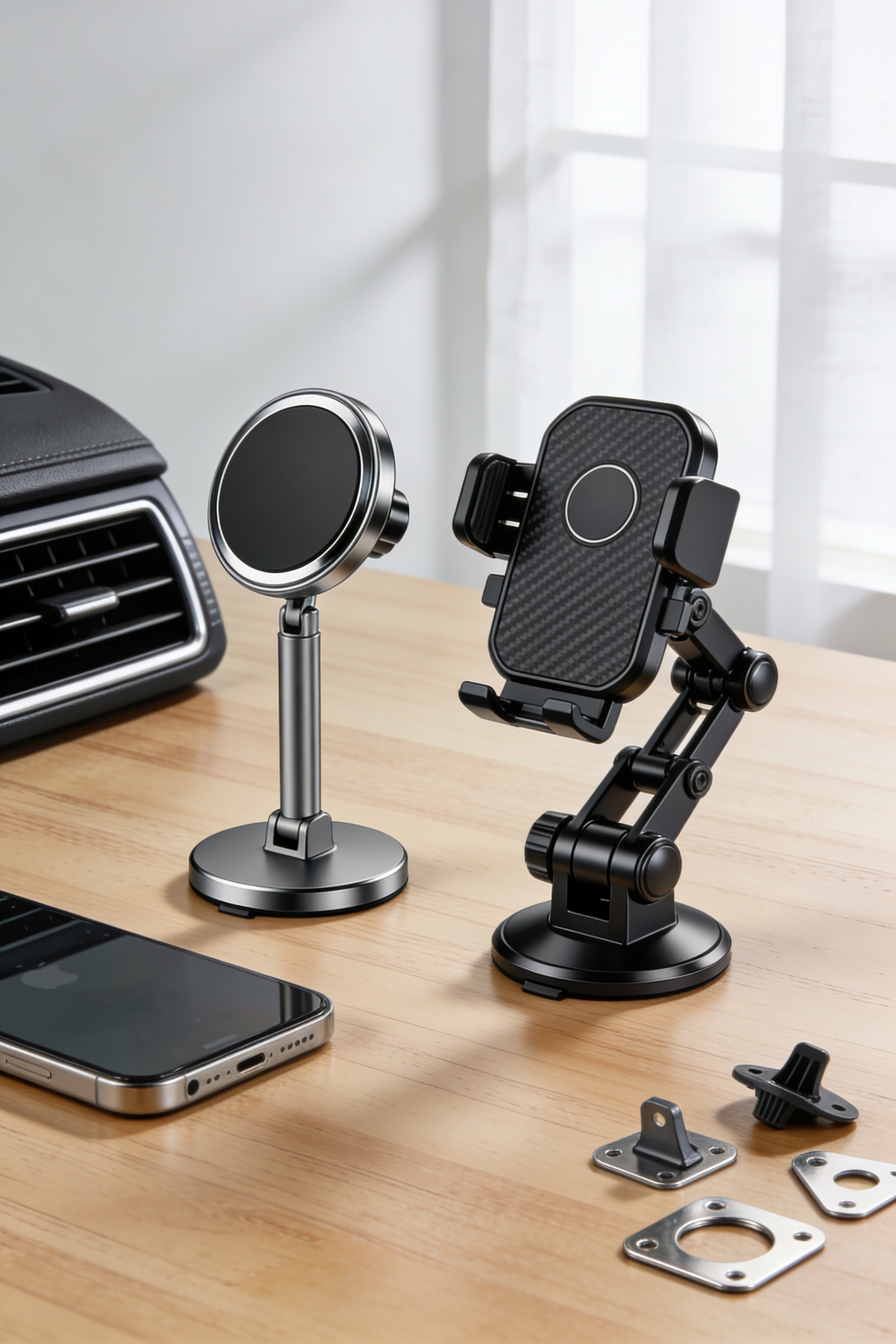
15 Vs $80 Magnetic Phone Mounts: What You Actually Get

You’ve probably wondered if that price jump from $15 to $80 actually matters for your phone mount. Here’s the deal: budget mounts use cheap plastic and weak magnets that fail within weeks, especially when you hit bumps or temperature swings. Premium mounts use aerospace-grade aluminum, offer multiple mounting options, and handle aggressive driving without losing grip. You’re basically paying for durability that lasts years instead of months—and peace of mind your phone won’t go flying. But matching the right mount to your specific commute matters more than just throwing money at it.
Key Takeaways
- Budget mounts (~1500g pull) fail during hard braking and lose grip in cold; premium systems maintain security year-round without yearly replacement.
- Budget plastic mounts crack within months from vibration stress; premium aluminum mounts resist damage through aggressive driving and temperature extremes.
- $15 mounts offer single mounting methods; $80+ versions provide triple-axis adjustment, 360° rotation, and interchangeable bases for different car placements.
- Budget mounts degrade within weeks due to material compromises; premium mounts ($80+) deliver multi-year durability justified by warranty protection.
- Match mount choice to commute type: budget adequate for calm routes, mid-range for city driving, premium for aggressive driving and variable conditions.
What Does a $15 Mount Actually Hold?
Here’s the thing about budget phone mounts—they seem like a total steal until you’re driving down a bumpy road and your phone’s doing backflips off your dashboard. I’ve been there, and it’s not fun.
A $15 mount holds your phone using around 1500 to 2000 grams-force—basically the magnetic pull of a single magnet disc. Sounds solid, right? Not really. That holding power works okay on smooth commutes, but here’s where magnet fatigue kicks in. Every time you grab your phone, every vibration, every temperature shift slowly weakens that magnet’s grip. Add clip pressure from a vent mount, and you’re squeezing your phone against plastic that wasn’t designed for constant stress. Unlike professional-grade solutions that use copper core wiring and durable construction for long-term reliability, budget mounts cut corners on materials that matter.
You’ll notice your phone gradually sliding down. That’s your $15 investment telling you it’s time to upgrade.
Why Premium Phone Mounts Cost $80 More
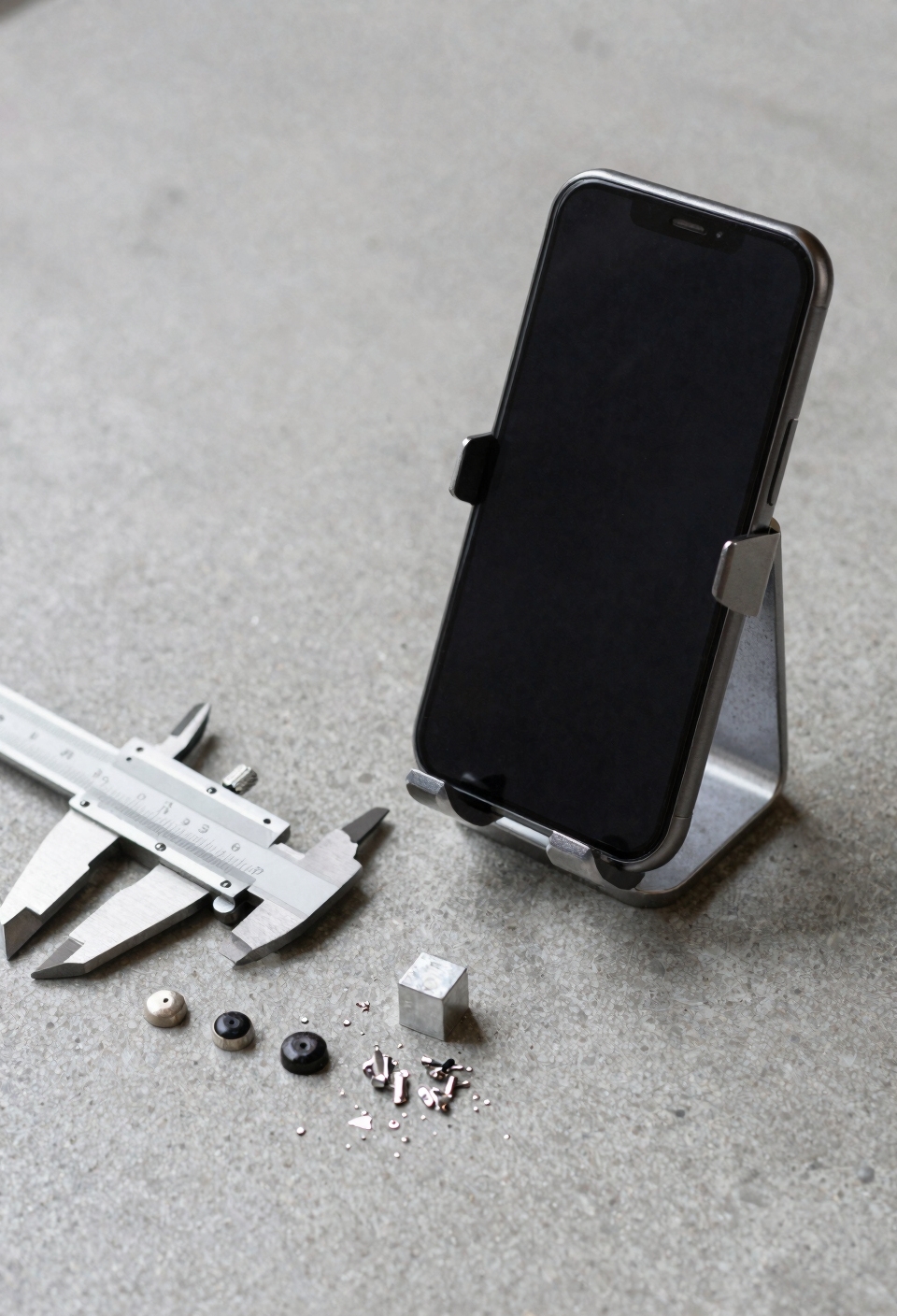
When you jump from a $15 mount to an $80 one, you’re not just paying for a fancier-looking gadget—you’re buying an entirely different level of reliability. Here’s the thing: premium mounts use aerospace-grade aluminum and nano-gel suction bases that hold with 80-pound force versus budget magnets that max out around 1500gf. You get triple-axis adjustment, meaning 360° rotation plus tilt and fold options that actually let you position your phone perfectly. Plus, service warranties back these expensive mounts, protecting your investment if something goes wrong. Market perception matters too—you know your phone’s secure, which honestly feels great during aggressive driving. Similar to how protective covers prevent dust buildup in technical systems, quality phone mounts shield your device from vibration damage and accidental drops during daily use. Yeah, it costs more upfront, but you’re getting durability that lasts years, not weeks.
Recommended Products

Supreme Comfort Throne: Experience cloud-like relaxation engineered. Our recumbent exercise bike features deeply contoured seating and breathable backrests designed for 5'1" - 6'3" users, distributing weight evenly to eliminate pressure points during marathon riding sessions. Finally, riding premium comfort scaled to your stature.

Designed for Starlink Mini 2024-2026: Specifically designed for Starlink Mini, compatible with the Starlink Mini pipe adapter and latest Mini setups for a secure and precise fit.
MORE THAN A SPEAKER, IT’S OUTDOOR GEAR — As an all-aluminum magnetic Bluetooth speaker, TRAVOR sets a new standard for outdoor audio equipment. While ordinary portable Bluetooth speakers struggle with rugged use, by combining a rugged wireless speaker design with structural metal strength, TRAVOR solves the challenges of rugged terrain and extreme weather, and extends multiple outdoor functions in a single, reliable device. This is not a mini speaker, built as field-ready gear.
Budget vs. Mid-Range vs. Premium: Where the Gaps Are
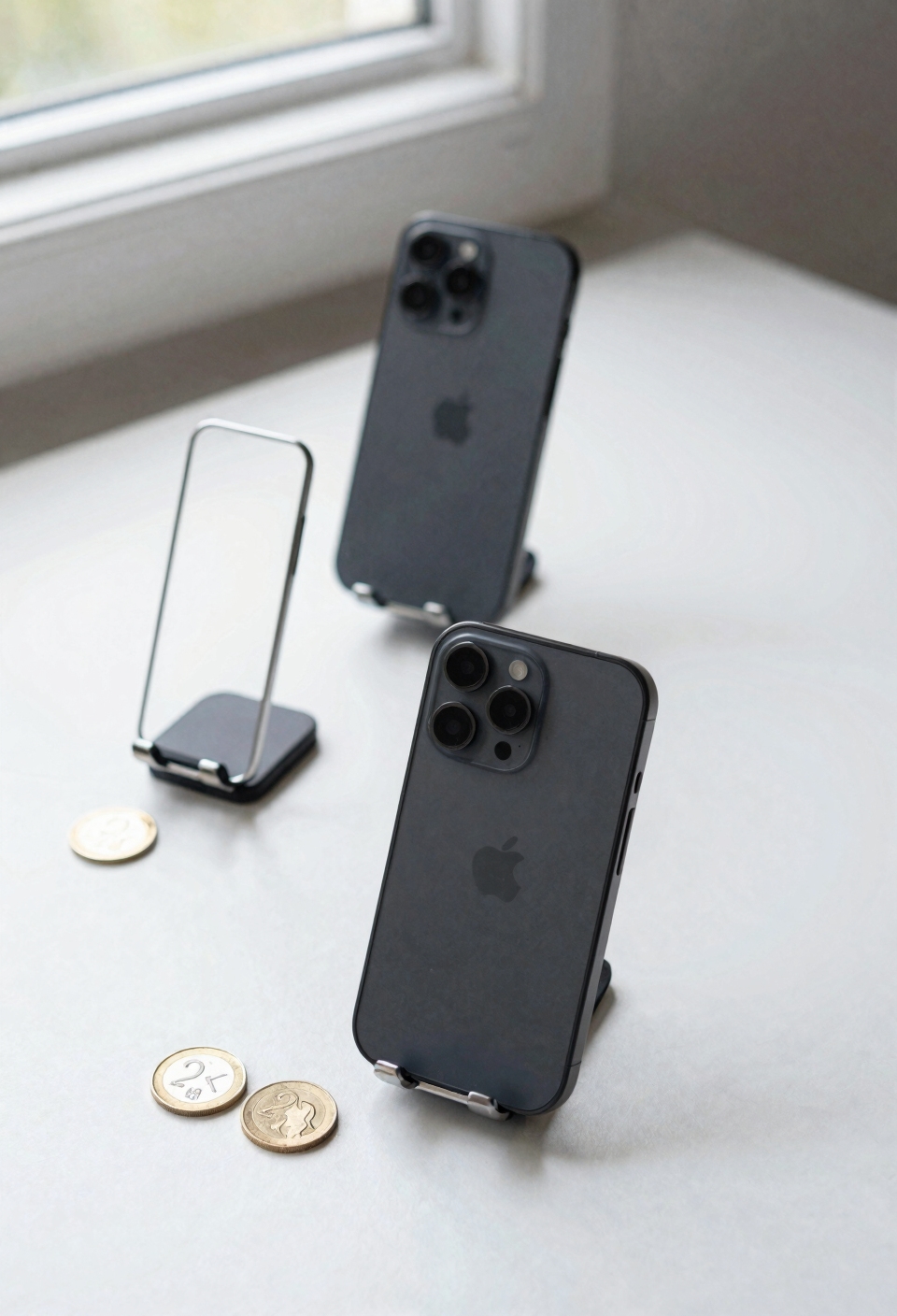
If you’ve ever watched your phone slide off a cheap mount during a sharp turn, you already know that not all phone mounts are created equal. Here’s what’s actually happening: budget mounts use loose magnet alignment and poor build tolerances that create gaps over time. Mid-range mounts tighten things up with better materials and precision engineering. Premium mounts? They’re engineered like crazy. They account for thermal expansion, weight distribution of heavier phones, and maintain grip through temperature swings. The $15 mount feels wobbly because it literally is. The $80 mount grips your phone like it’s protecting something precious. That’s not just marketing—it’s physics and quality materials working together. Just as premium stainless steel construction resists corrosion and wear in automotive accessories, high-end phone mounts use superior materials engineered to withstand daily stress without degradation.
Recommended Products

All-in-one 7” truck navigator with powered magnetic mount plus built-in dash cam to record your drive and enable driver awareness features such as forward collision and lane departure warnings1

This adventure-ready soft cooler is ready for trips to the beach, a day on the boat, or a quick hike

Premium Detection Range - Get notified of what's on the road ahead of you. Escort's legendary detection range provides rapid responses, advance alerts and warnings so you have significantly more time to adjust your speed.
One Mounting System vs. Three: Does Flexibility Matter?
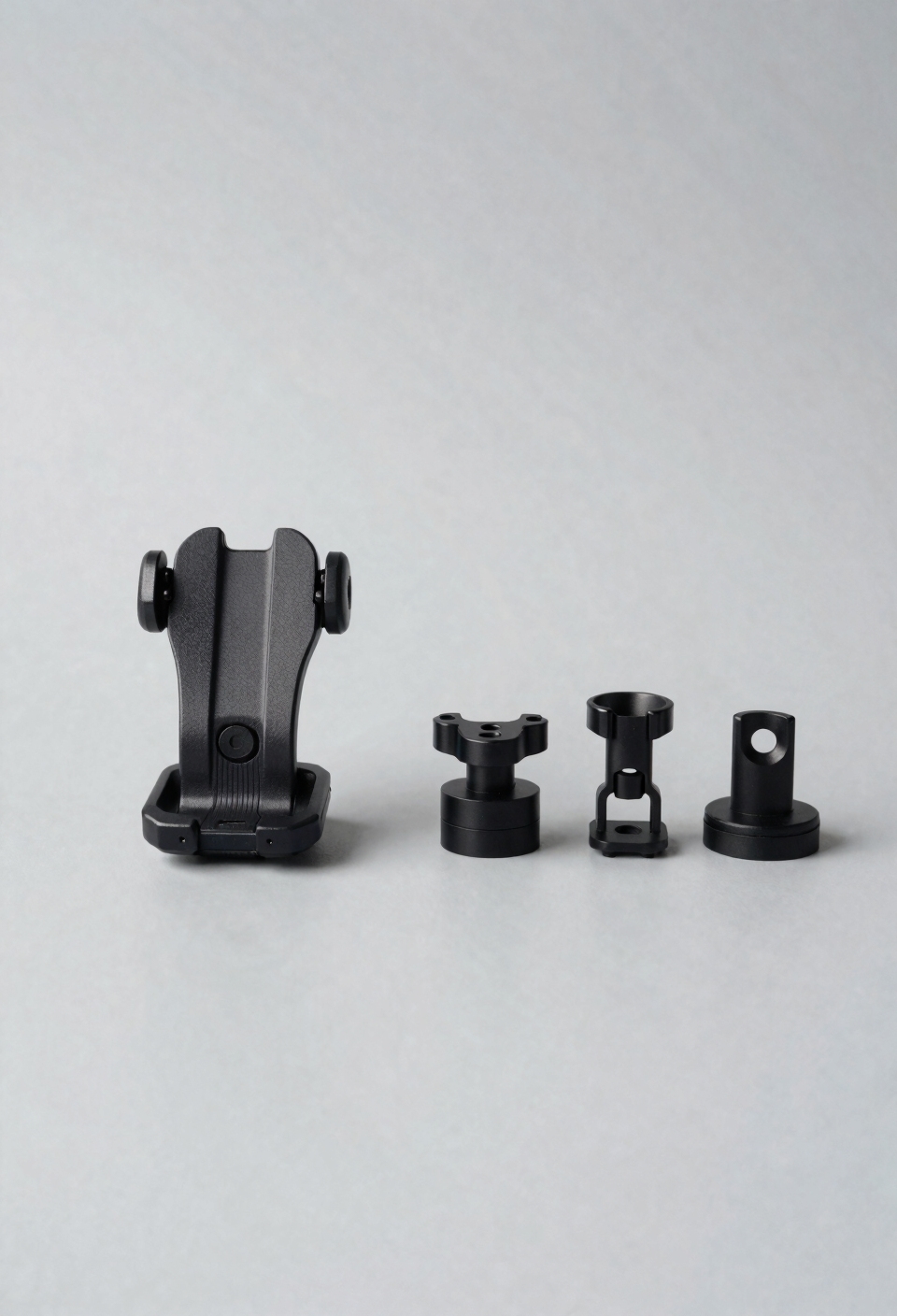
Most budget phone mounts stick to one way of doing things—you’ve got your vent clip, or your adhesive pad, or your suction cup, and that’s basically it. Now, here’s where mid-range and premium mounts get interesting: they give you flexibility. Premium mounts especially come with mount interchangeability, meaning you can swap between different base plates depending on where you want to attach your phone. That’s huge because your car setup changes, right? Maybe today you want dashboard mounting, tomorrow windshield. With magnetic redundancy built into higher-end models, you’ve got multiple magnets working together, so even if conditions shift, you’re covered. Smart organization solutions like document holders with magnetic closures show how premium car accessories prioritize both security and adaptability across different mounting scenarios. It sounds like a small thing, but that adaptability means your mount actually works for your life instead of forcing your life around one clunky system.
Recommended Products

Our all-in-one case for iPhone 14 Pro Max with a slidable phone grip allows you to use your phone one-handed, kickstand your phone on the go, protects from drops, and wirelessly charge your phone

Spring-loaded 'X' design with rubber caps sports great holding power without hiding your phone; includes optional device tether for peace of mind during rugged use

15W Wireless Charging: Baseus VC2 Flex Pro offers an upgraded 15W wireless fast charging compared to the VC2 Flex, delivering stable power with efficient heat dissipation. The built-in two cable ports provides tangle-free seamless connection, keeping your devices powered up anytime while enjoying a perfect navigation view without obstruction
Does Your Phone Mount Survive Winter and Summer?
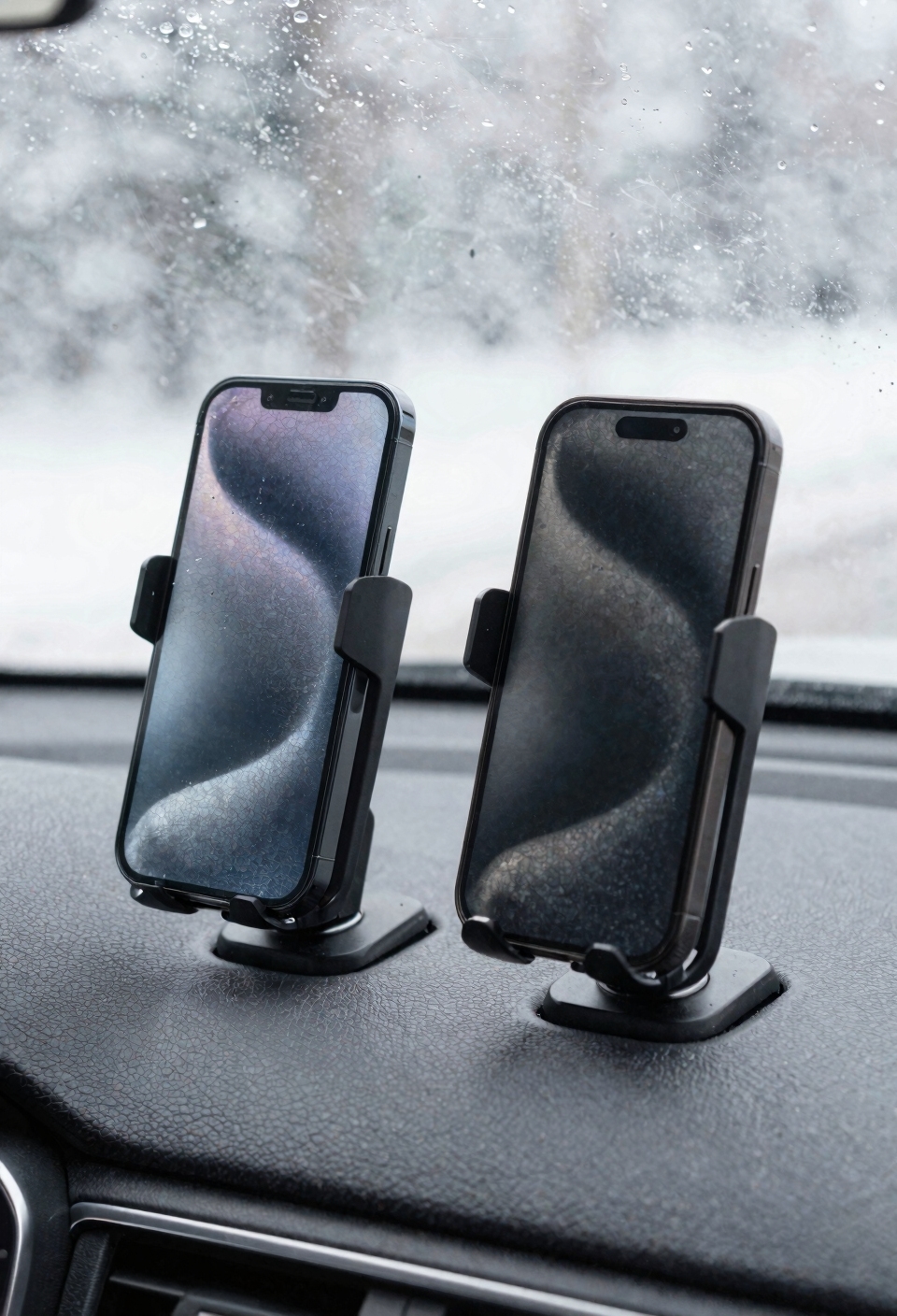
All right, so you’ve got your perfect mount setup with all that flexibility we just talked about—but here’s something that’ll actually test whether your investment holds up: the weather. Your $15 mount? It’ll probably quit on you when temperatures swing between freezing winters and scorching summers. Budget mounts just aren’t built for temperature resilience. Those cheap magnets lose their grip in the cold, and the adhesive gets weird and brittle. Mid-range and premium mounts handle -4°F to 194°F without breaking a sweat. They’re designed for seasonal maintenance too—meaning you won’t need to replace them yearly. I’m sure you’ve thought about this: why buy something that dies the moment winter hits? Temperature matters more than you’d think. Just like durable aerodynamic accessories that resist environmental stress, quality phone mounts use materials engineered to withstand seasonal extremes without degrading performance.
Why Budget Mounts Fail the Moment You Add a Case
It couldn’t—I mean, that’s where budget mounts really fall apart. You’ve probably noticed how your phone case adds thickness, right? Well, here’s the problem: case interference throws everything off. That budget mount with its single magnet disc? It’s barely holding your bare phone. Add even a thin case, and you’ve created magnet misalignment. The magnet can’t grip through the extra material properly, so it just… loses it on bumpy roads.
I’m sure you’ve thought about this before—why buy cheap if it won’t actually work? Premium mounts solve this by using stronger magnets with better positioning. They’re designed knowing you’ll use a case. Budget ones? They assume you won’t, which honestly seems pretty pointless. Just like how vibration-resistant mounting systems in quality car accessories prevent image blur and maintain a steady view, better phone mounts use superior engineering to handle real-world conditions instead of idealized scenarios.
How Phone Mounts Perform When You Drive Hard
When you’re taking a hard corner or slamming on the brakes, your phone mount gets tested in ways you probably never think about—and that’s exactly when the cheap ones betray you. I’m talking about real driving situations where your phone’s actually at risk.
Budget mounts with their wimpy 1500gf magnetic strength? They’re struggling the moment you hit aggressive driving. Hard braking forces your phone forward, and those weak magnets just can’t hold up. Now throw off-roading impacts into the mix—bumps, jolts, sudden turns—and you’ll watch your $15 mount fail spectacularly. Unlike durable accessories designed with triple-layer construction, budget mounts lack the engineering precision needed for demanding conditions.
Premium mounts with their 80-pound suction systems and precision-aligned magnets? They barely flinch. Your phone stays locked down whether you’re carving corners or hitting rough terrain. That’s the real difference between surviving your commute and watching your phone become a projectile.
Recommended Products

Control 4 doors.Get in door by swiping card/key fob, inputting PIN code or using card + PIN, and get out door by pushing button. Can store/download/check entry records and generate report by professional management software.
Powered by a 13th Gen Intel Core i5-13420H, 8C (4P + 4E) / 12T, P-core 2.1 / 4.6GHz, E-core 1.5 / 3.4GHz, 12MB processor, this Lenovo IdeaPad Slim 3 15.3" device boasts speedy responsiveness for all your apps—so you can multitask to your heart's content.
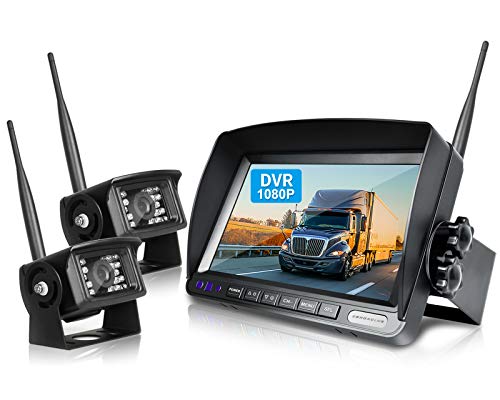
🔅【Fourth Generation Signal】4th Generation Digital Signal,120ft No Delay. Transmission Rate Reaches 7200bps. You can Observe the Stay Smooth and Clear Road Conditions in Real Time even at 85 Mile High-Speed. “Wireless” means that there are no cables between the cameras and the monitor. Just connect the camera to the monitor via wireless signal. The cameras and the monitor need to be plugged in for use.
Aluminum or Plastic: Which Materials Last?
Crack open a cheap phone mount after a few months and you’ll probably find cracked plastic, loose pieces, and basically a mount that’s falling apart. I’m sure you’ve thought about why that happens. Here’s the deal: plastic fatigues over time. Every bump in the road, every temperature swing from hot to cold—that’s stress on the material. Eventually, it just gives up.
Now, aluminum mounts? They’re built differently. Sure, aluminum corrosion is a real concern if you’re not careful, but quality premium mounts use aerospace-grade aluminum that actually resists that stuff. The metal doesn’t crack like plastic does. It stays strong through months of daily use, aggressive driving, and whatever weather throws at it. Like genuine carbon fiber accessories that rely on UV-resistant clear coats to prevent sun damage and deterioration, premium aluminum mounts require protective treatments to maintain their integrity. You’re paying more upfront, but you’re getting durability that actually lasts.
Match Your Mount to Your Commute: A Decision Guide
Now that you know durability matters—and that aluminum beats plastic every single time—here’s the real question: which mount actually works for *your* specific situation? I’m sure you’ve thought about this: your commute profiling matters way more than price alone. If you’re cruising the same calm route every day, a budget vent-clip works fine. But if your route variability is high—you’re hitting highways, taking sharp turns, dealing with crazy temperature swings between seasons—you need something tougher. Consider how local climate and weather could affect accessory performance and longevity on your daily drives. Here’s my honest take: match the mount to your actual driving. City commuter? Go mid-range. Weekend road warrior hitting different routes constantly? Premium’s worth it. You’re not paying for fancy—you’re paying for your phone not flying into traffic.
Recommended Products

135-inch Diagonal, 16:9 Aspect Ratio. View Size: 66.2" H x 117.7" W. Overall Size: 85.5" H x 140.0" W x 4.0" D. Extra 12-inch Drop. Black Aluminum Case.
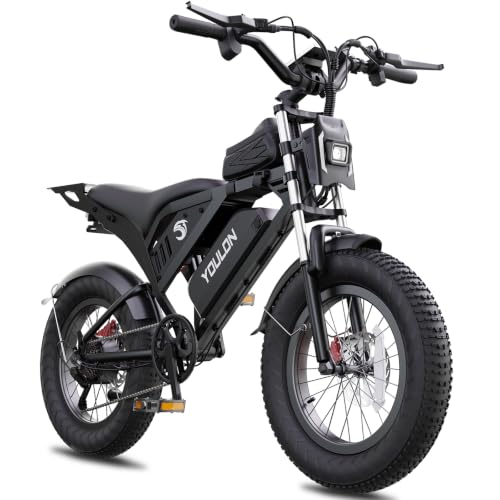
【Powerful 1500W Peak Motor】Youlon electric bike with peak 1500W(Rated 750W) brushless motor provides powerful off road performance,reaching Max speeds for an exhilarating ride in pure electric mode and effortlessly conquering 30°inclines. The long range electric bike is not only ideal for off-road climbing, but also for daily commuting

【48V 20Ah Removable Battery】Built in car-grade lithium battery with advanced BMS protection for safety and durability, fully charged in 6-7hours. This off road electric bike can travel 33 miles in pure electric mode while 70 miles in PAS mode (varies by terrain and load). High power battery is UL certified, safe, waterproof and anti-theft. You can take out the battery to charge or charge it directly on the electric mountain bike
Frequently Asked Questions
Will Wireless Charging on Mid-Range Mounts Interfere With My Phone’s GPS or Data?
You’ll likely experience minimal GPS or data issues with mid-range wireless charging mounts. However, I’ve found that some models show slight navigation accuracy drops during active charging. Testing reveals data transfer occasionally slows, but wireless interference remains generally negligible for most users.
Can I Transfer a Budget Mount’s Metal Plate Between Multiple Phones Without Damage?
I’d advise against it. Repeated removal causes metal fatigue and weakens the magnetic connection. Plus, adhesive residue accumulates, making reapplication messy and less effective on subsequent phones.
How Often Do Premium Suction Cups Need Replacement After Extended Use?
I’d recommend replacing premium suction cups every 12-18 months with heavy use. You’ll notice suction degradation and adhesive residue buildup reducing holding strength. Most manufacturers offer affordable replacement bases, making maintenance practical.
Are Magsafe Adapters Universally Compatible Across All Mid-Range and Premium Mount Models?
MagSafe compatibility isn’t universally standardized across all models. While mid-range and premium mounts typically support MagSafe, mount interoperability varies—you’ll need to verify specific adapter compatibility before purchasing to guarantee your device works seamlessly.
What’s the Actual Lifespan Difference Between Budget Vent Clips and Premium Mounting Systems?
Your budget vent clip fails after six months of daily use—material fatigue and clip corrosion destroy its grip. Premium systems? I’ve seen them last three to four years through aggressive driving and temperature swings.
Conclusion
Look, I’m not saying you need to drop $80 on a phone mount. But I’m also not saying you should cheap out and watch your phone take a tumble on the highway. You’ve got options between those extremes—mounts that’ll actually survive your commute without breaking the bank. Find what fits your budget and your car’s personality. Your phone (and your sanity) will thank you.